記録日時
- Mission status
- Launch Successful
変更前の情報
- Mission status
- Payload Deployed

 Android テスト版参加グループを開く クローズドテスト版1.6.0(4)では、サインイン、プレミアム、通知を利用できません。まずGoogleグループに参加し、同じGoogleアカウントでGoogle Playのテストに登録 ↗してください。
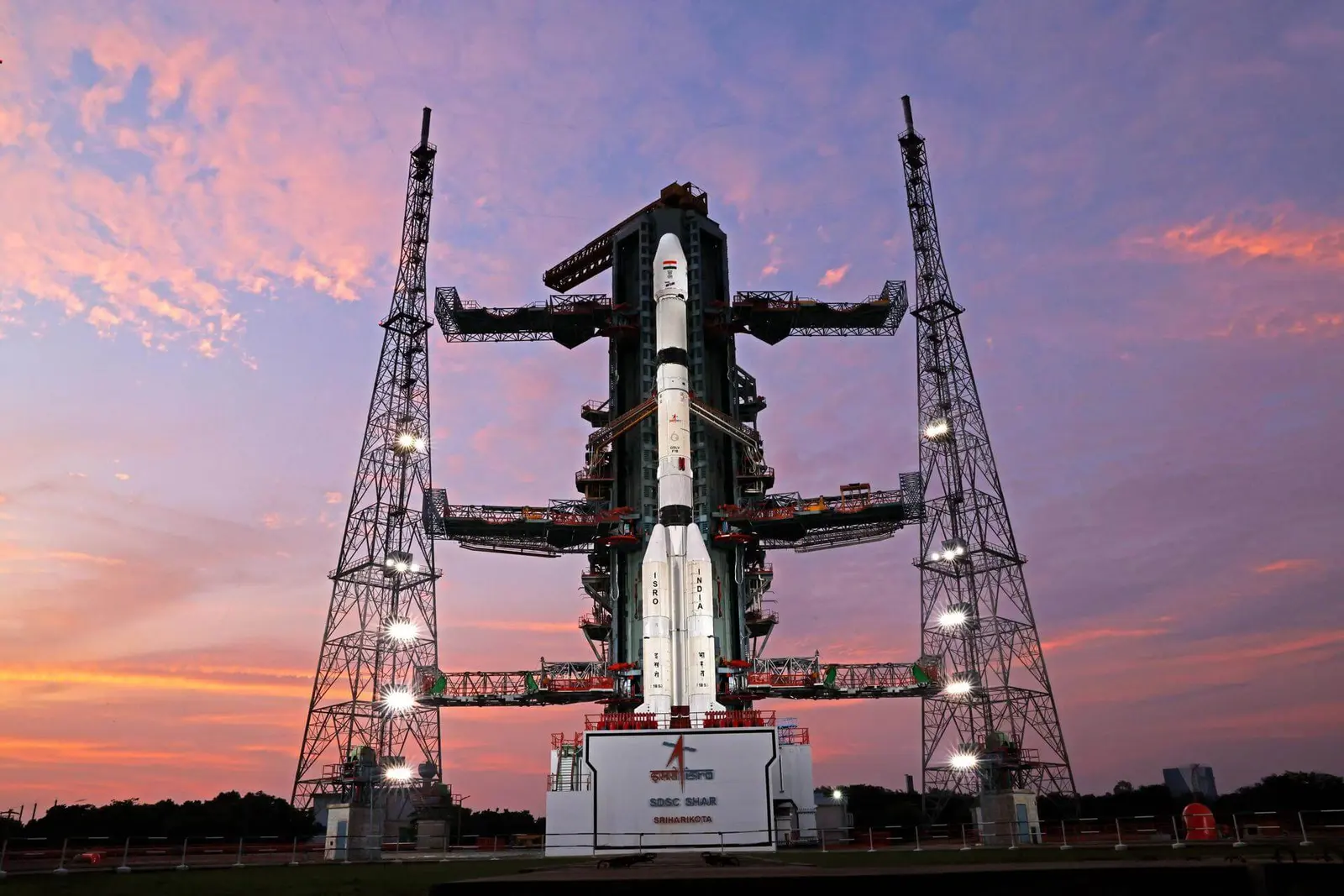
GSLV Mk. II
NVS-03 is intended to replenish NavIC, India’s regional positioning, navigation and timing system. It follows NVS-02, which reached its launch transfer orbit but could not complete the propulsion manoeuvres needed to reach its working position. New NavIC satellites are designed to add civilian L1 signals alongside L5 and S-band services.
保存したミッションはマイページで確認できます。
発表元の情報が変わった時点の記録です。延期の理由を示すものではありません。
記録を始める前の変更は掲載していません。
関連記事・英語
India’s next navigation satellite follows NVS-02’s propulsion failure. ISRO’s investigation explains why a successful launch did not restore navigation capacity.
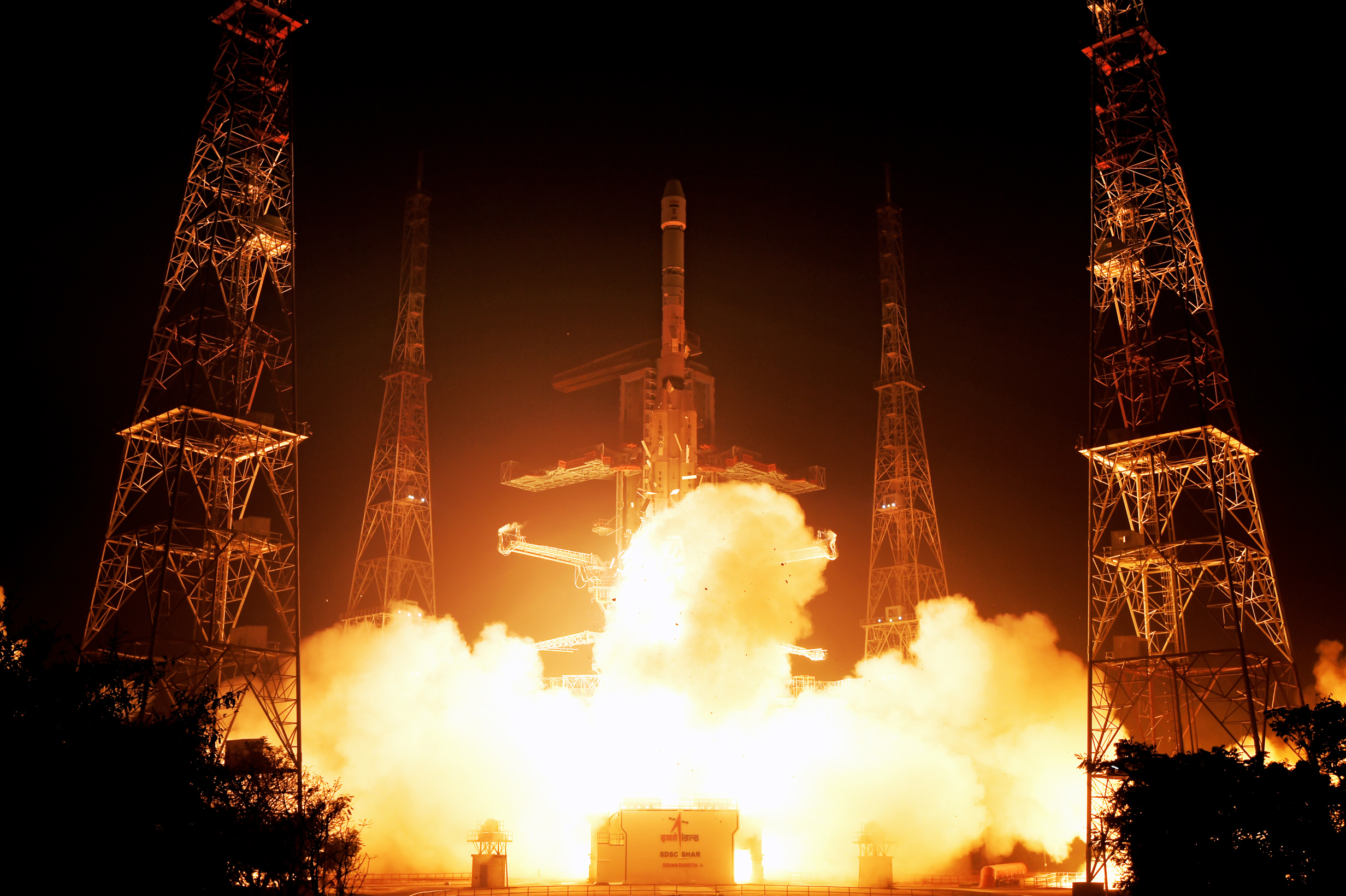
NVS-03 is intended to replenish India’s NavIC navigation system after its predecessor failed to reach its working orbit. The government reported the new spacecraft ready for launch in August, with NVS-04 and NVS-05 still in development. The immediate challenge is to turn another satellite delivery into usable navigation capacity. [2] [3]
NVS-02 illustrates why that requires more than a successful rocket flight. GSLV placed it in the intended transfer orbit on January 29, 2025. Its solar panels deployed and ground communications were established, but the spacecraft could not perform the engine burns needed to reach its assigned orbital position. [5]
ISRO’s February 2026 investigation traced the failure to an electrical command that did not reach a valve in the engine’s oxidizer supply line. The committee identified disengaged connector contacts, affecting both the main and redundant paths, as the most likely cause. The diagnosis points to a weakness shared by the two routes intended to provide redundancy. [3]
The agency says corrective measures were implemented on the CMS-03 communications spacecraft, launched in November 2025, and its pyro systems operated satisfactorily. ISRO says the recommendations will apply to later missions where relevant. Its published account does not provide an NVS-03-specific acceptance-test report or a detailed list of changes to that spacecraft. [3]
NavIC is designed to cover India and extend up to 1,500 kilometres beyond its boundary. Its civilian Standard Position Service sits alongside a restricted service for strategic users. The newer satellites add the L1 civilian signal to L5 and S-band transmissions; ISRO specifies L1 at 1575.42 MHz and describes it as interoperable with other satellite-navigation signals. [4]
The government’s August update names train tracking and power-grid synchronisation among NavIC’s applications. Those uses depend on positioning and timing services from functioning spacecraft and the ground network. An additional operational satellite can strengthen the system; a spacecraft remaining in a transfer orbit cannot simply be counted as the intended replacement. [2] [5]
The current launch record carries an October 30 target from Sriharikota. Its tentative window is based on airspace notices; the primary readiness and investigation reports cited here do not announce a final launch time. [1]
公表された仕様と、この機体の飛行歴。
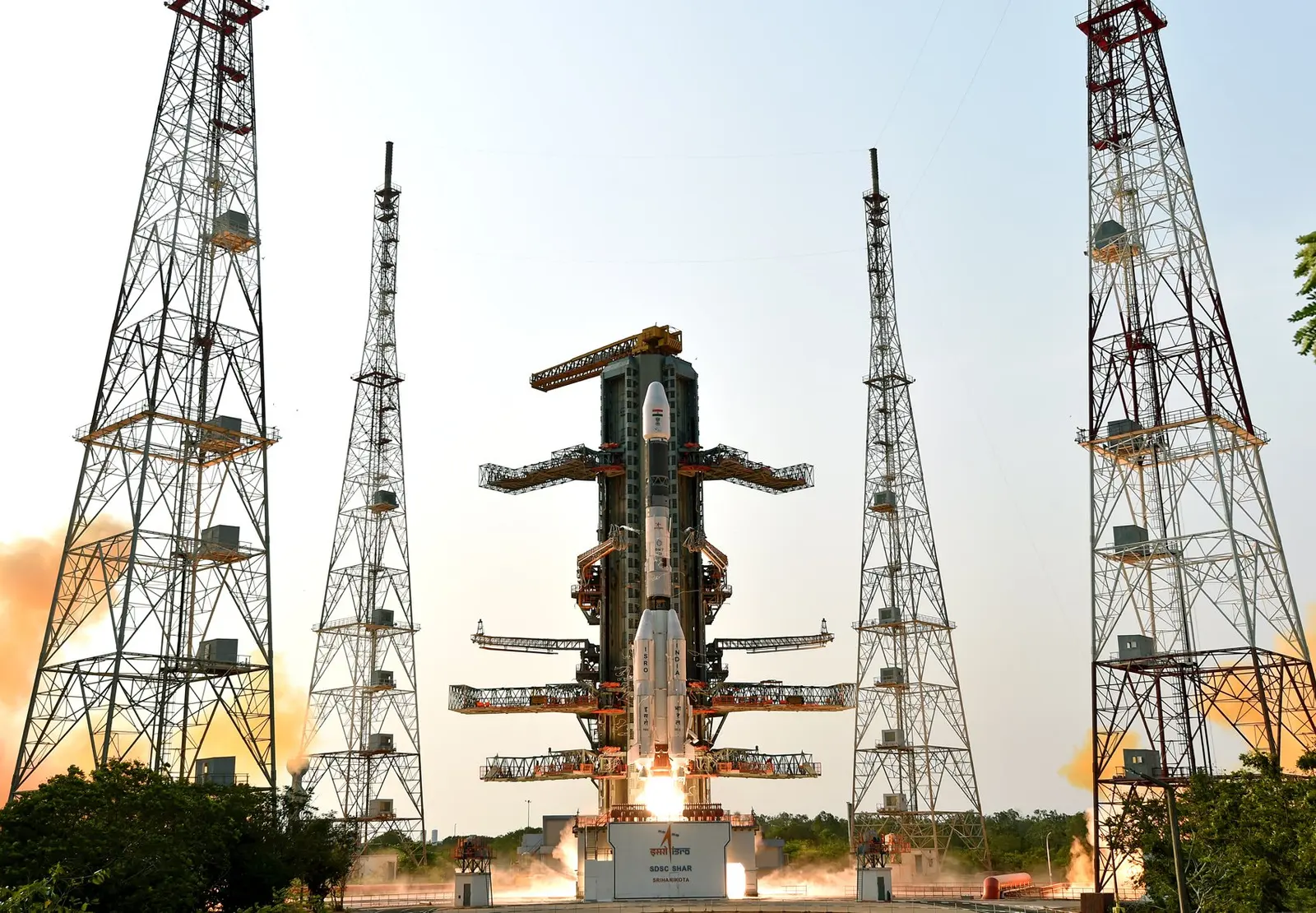
機体の説明・英語
Geosynchronous Satellite Launch Vehicle Mark II (GSLV Mk II) is the largest launch vehicle developed by India, which is currently in operation. This fourth generation launch vehicle is a three stage vehicle with four liquid strap-ons. The indigenously developed cryogenic Upper Stage (CUS), which is flight proven, forms the third stage of GSLV Mk II. From January 2014, the vehicle has achieved four consecutive successes.
目標 ·
目印は、公表された時間帯の中で予定時刻がどこにあるかを示します。 発表元に掲載された時刻の記録です。
Satish Dhawan Space Centre, India
Explore the launch pad, then pull back to see the shape of the destination orbit.
Understand this orbit
NASA geography with illustrative lighting. No live tracking or simulated ascent. Orbit motion is accelerated and representative. NASA Blue Marble source.
発表元の更新:
Android テスト版参加グループを開く クローズドテスト版1.6.0(4)では、サインイン、プレミアム、通知を利用できません。まずGoogleグループに参加し、同じGoogleアカウントでGoogle Playのテストに登録 ↗してください。