Event target updated
変更前の目標日時
変更後の予定
Recorded by Spacian . Mission source ↗

 Android テスト版参加グループを開く クローズドテスト版1.6.0(4)では、サインイン、プレミアム、通知を利用できません。まずGoogleグループに参加し、同じGoogleアカウントでGoogle Playのテストに登録 ↗してください。
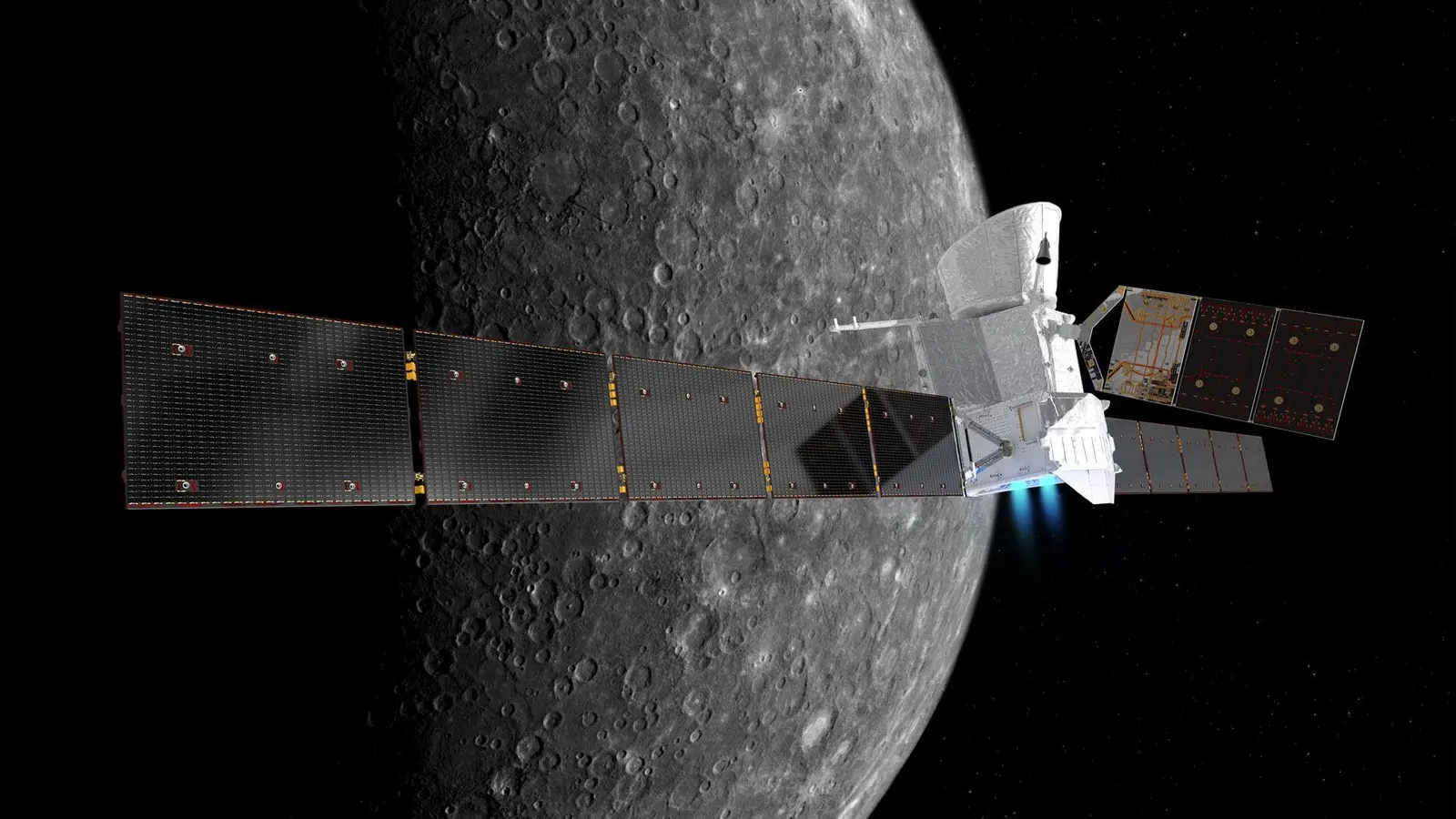
BepiColombo’s upcoming Mercury orbit insertion will bring ESA’s Mercury Planetary Orbiter and JAXA’s Mio into orbit around the planet. The transfer module separated on 3 September 2026. MPO now supplies power during the approach; its solar-array orientation helps balance electrical generation against solar heating before the orbiters later separate.
保存したミッションはマイページで確認できます。 リマインダーや予定変更の通知を受け取るには、iPhoneアプリでこのミッションをフォローしてください。
2026年11月21日 18:24 UTCが現在の予定です。今後変更されることがあります。
発表元の更新:
Recorded by Spacian . Mission source ↗
このページを表示している間、予定の変更を確認します。
イベントの予定は変更される場合があります。
関連記事・英語
As BepiColombo approaches Mercury orbit insertion, its solar wing must balance useful power with safe temperatures. Here is why more direct sunlight is not always better.
BepiColombo is approaching a new milestone: entering orbit around Mercury. After the transfer module separated on 3 September 2026, ESA’s Mercury Planetary Orbiter, MPO, took over power for itself and the still-attached Japanese orbiter, Mio. Its solar wing has a demanding job: collect enough energy while keeping its own temperature under control. That is why pointing a solar panel straight at the Sun is not always the right answer. [1] [2]
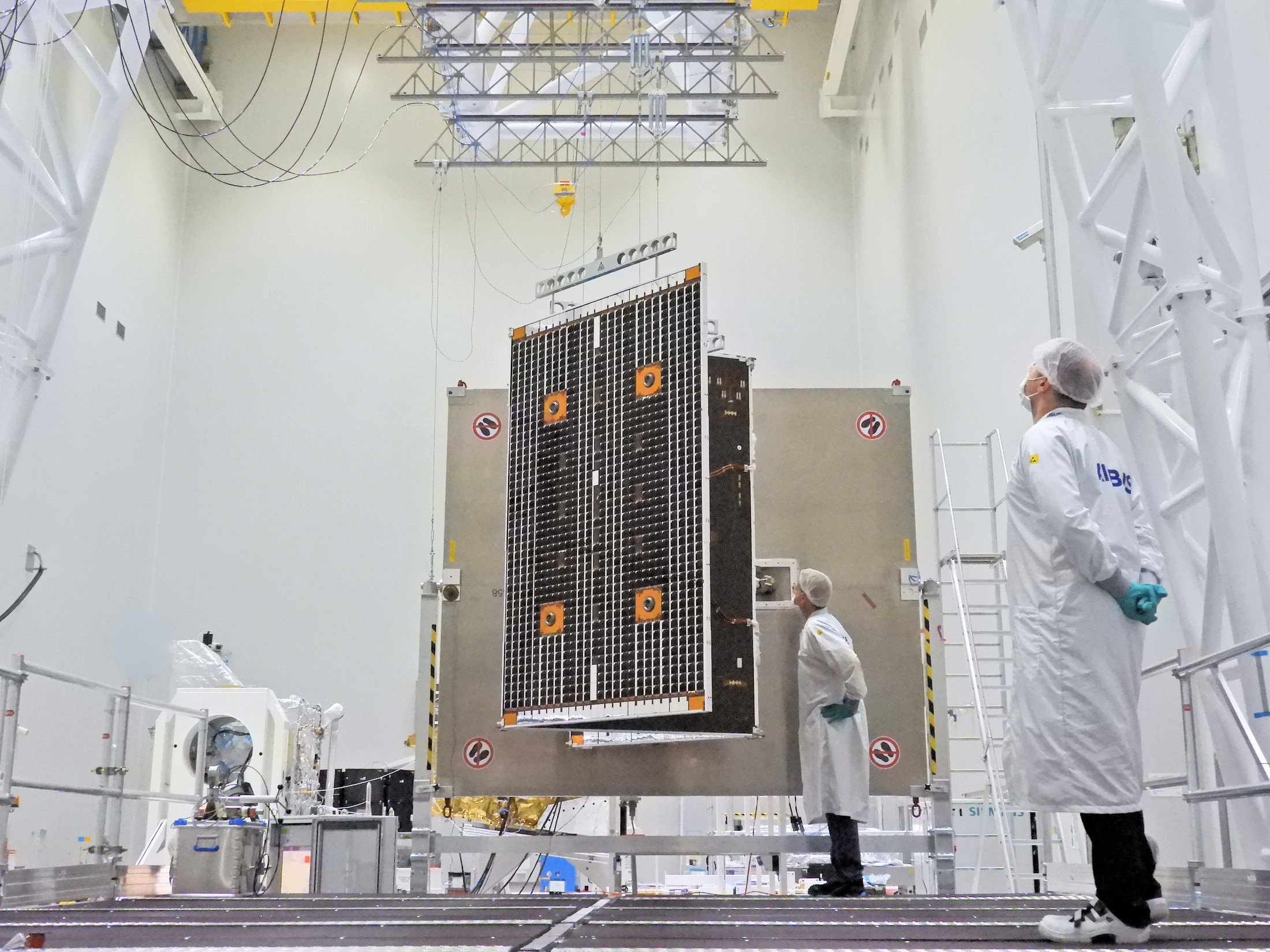
A solar array supplies electricity by intercepting sunlight. Near Mercury, that same illumination puts a severe thermal load on the exposed hardware. A design that pursued the largest possible electrical output at every moment could exceed the array’s permitted temperature. The useful objective is sufficient power within operating limits. [2] [3]
Tilting the panel changes how much of its surface is presented to the incoming rays. A more oblique angle intercepts less direct sunlight. That reduces available electrical output and also reduces solar heating. Orientation therefore becomes a control variable, rather than a simple instruction to face the Sun as directly as possible. [2] [3]
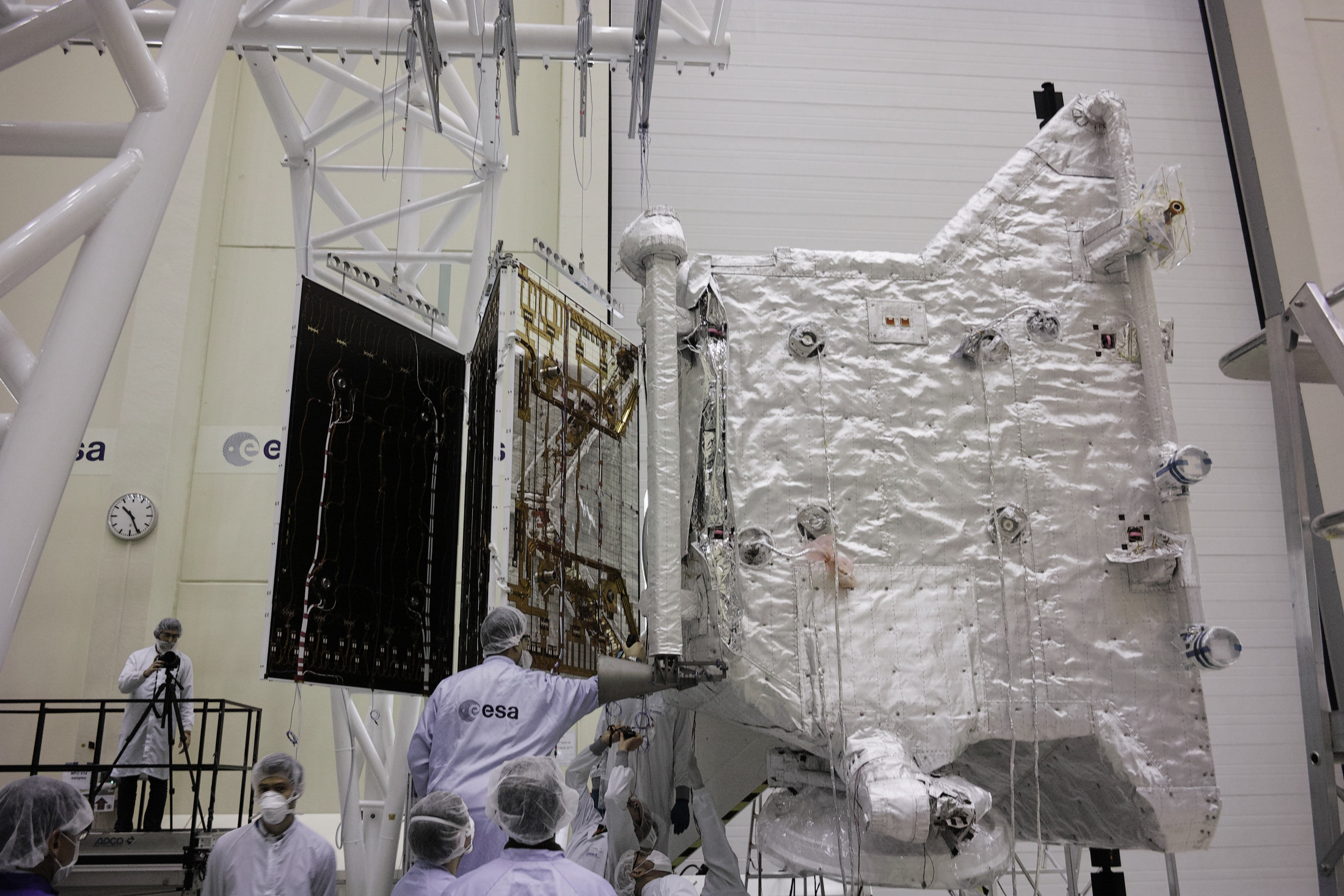
Airbus describes MPO’s array as a high-temperature design with both solar cells and optical surface reflectors. The reflectors help manage the thermal environment; changing the wing’s tilt provides another part of the solution. Around Mercury, array rotation must account for the changing illumination along the orbit. An explanatory drawing can show the principle, but cannot establish a particular angle commanded to the spacecraft today. [2]
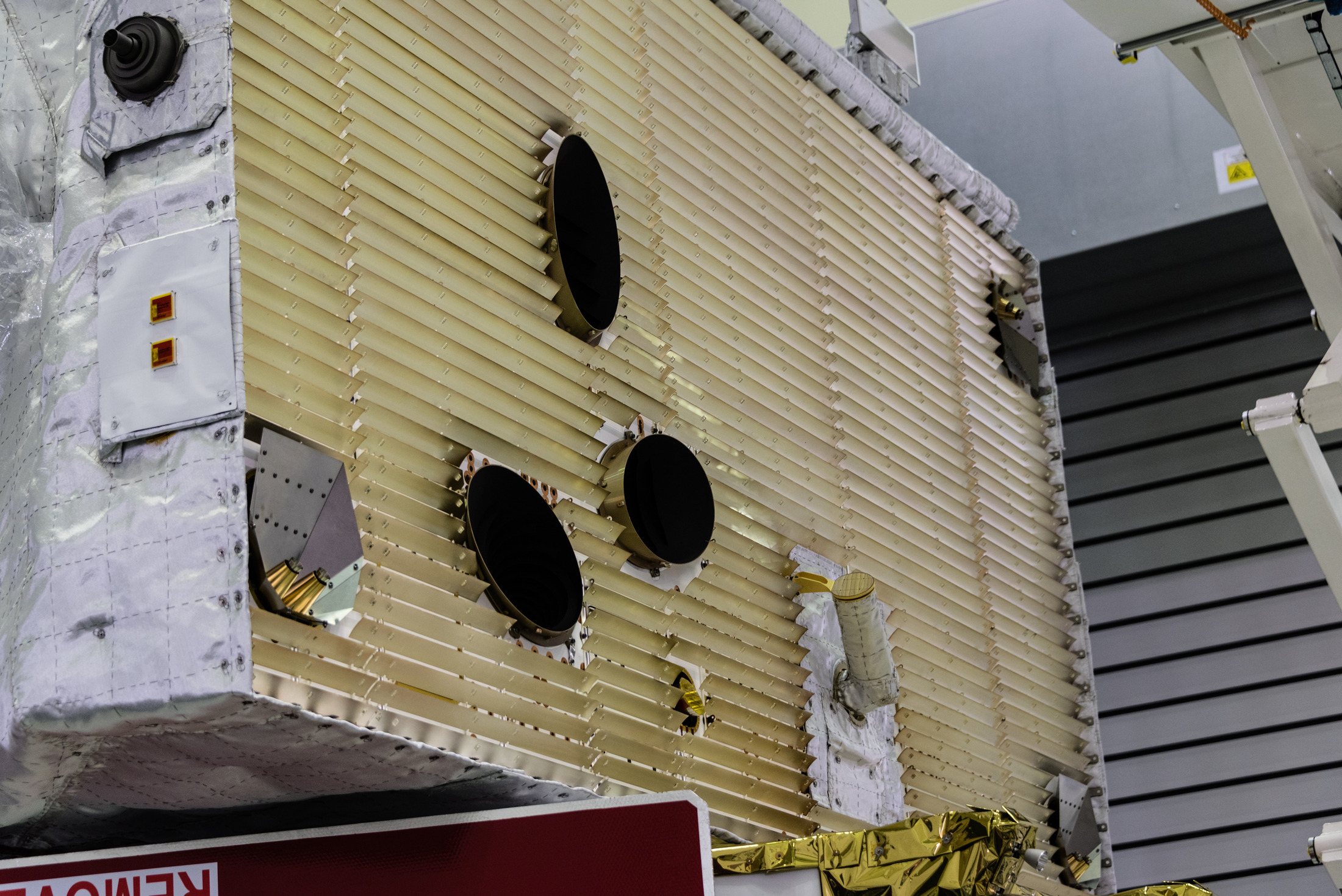
The spacecraft also has to remove heat generated inside it. MPO’s radiator is a separate part of that system. Heat pipes carry heat from spacecraft equipment towards the radiator, which releases energy to space. Reducing the incoming load and providing a path for waste heat address different sides of the same engineering balance. [8]
The large twin solar wings visible in many cruise images belonged to the Mercury Transfer Module. That module has already separated. MPO’s wing now powers the remaining stack during the approach. Mercury orbit insertion and the later separation of MPO and Mio remain future milestones; pictures of the 2018 launch or earlier flybys do not show those outcomes. [1]
The solar-array puzzle has a practical answer: collect the energy the mission needs, while controlling the temperature of the hardware collecting it. BepiColombo’s arrival will put that design to work in a new orbital environment. [1] [2]
Loading the player connects to YouTube.
Follow BepiColombo’s gravity assists, ion propulsion and engineering near the Sun. This broader film provides context for the solar-array problem explained in this article.
配信リンクは、まだ公開されていません。
Android テスト版参加グループを開く クローズドテスト版1.6.0(4)では、サインイン、プレミアム、通知を利用できません。まずGoogleグループに参加し、同じGoogleアカウントでGoogle Playのテストに登録 ↗してください。