記録日時
- Mission status
- Launch Successful
変更前の情報
- Mission status
- Payload Deployed

 Android テスト版参加グループを開く クローズドテスト版1.6.0(4)では、サインイン、プレミアム、通知を利用できません。まずGoogleグループに参加し、同じGoogleアカウントでGoogle Playのテストに登録 ↗してください。
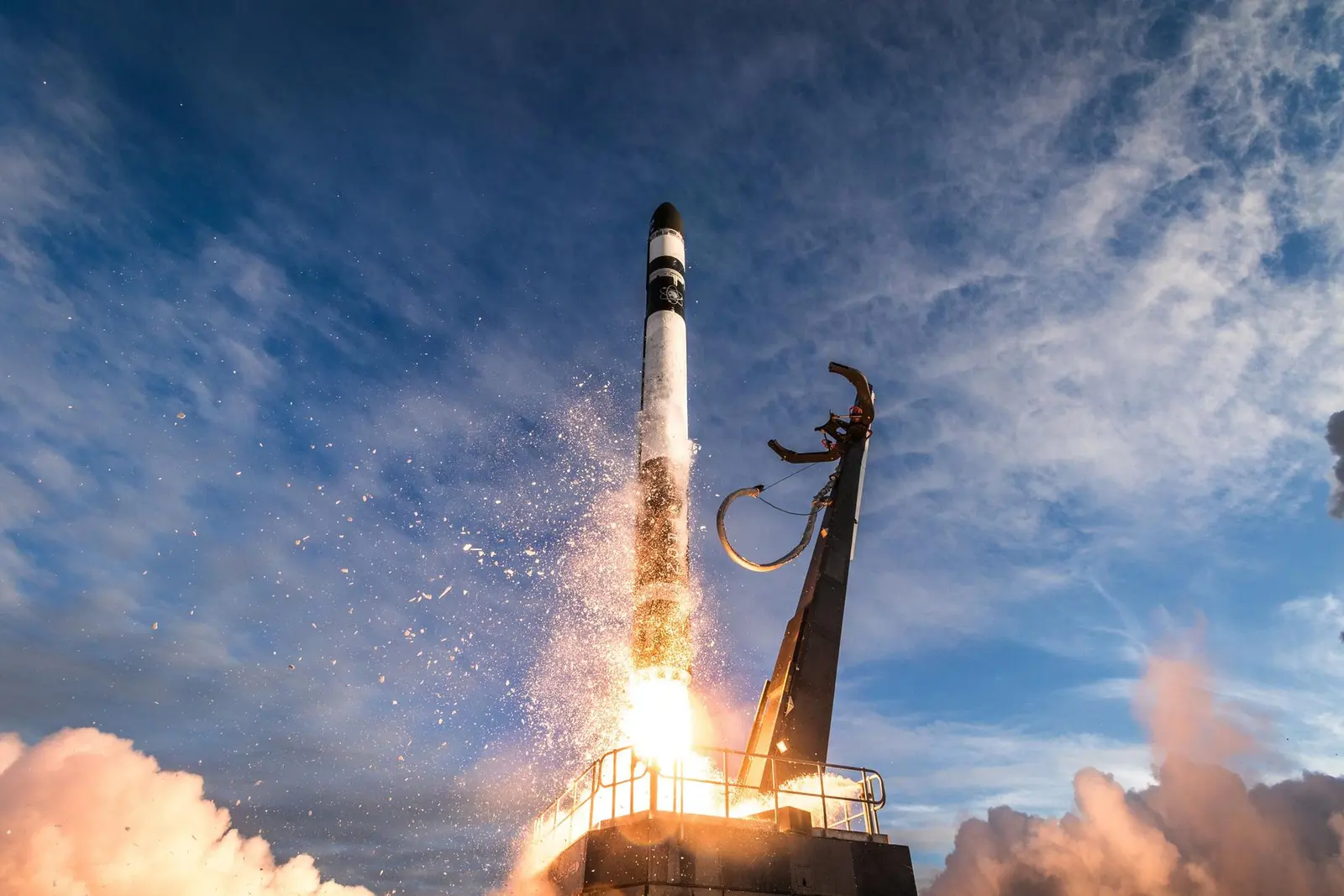
Electron
QPS-SAR-20, named WADATSUMI-II, is assigned to Electron’s The Sea God Surveys launch for Japan’s iQPS, targeting a planned 575-kilometre, mid-inclined orbit. It is intended to join QPS-SAR-10 in the same orbital plane, adding observation opportunities. The QPS-SAR family’s spring-deployed radar antenna opens from an approximately 80-centimetre-wide, 15-centimetre-high package to a 3.6-metre diameter. Its active microwave radar supports observations in darkness and through cloud cover that would obstruct visible-light imagery. The spacecraft still has to reach orbit and deploy its antenna; the dimensions describe the published family design, not an observed deployment of this satellite.
保存したミッションはマイページで確認できます。
発表元の情報が変わった時点の記録です。延期の理由を示すものではありません。
記録を始める前の変更は掲載していません。
関連記事・英語
The Sea God Surveys carries WADATSUMI-II toward a 575-kilometre orbit. Its radar design packs a large antenna into a small launch volume.
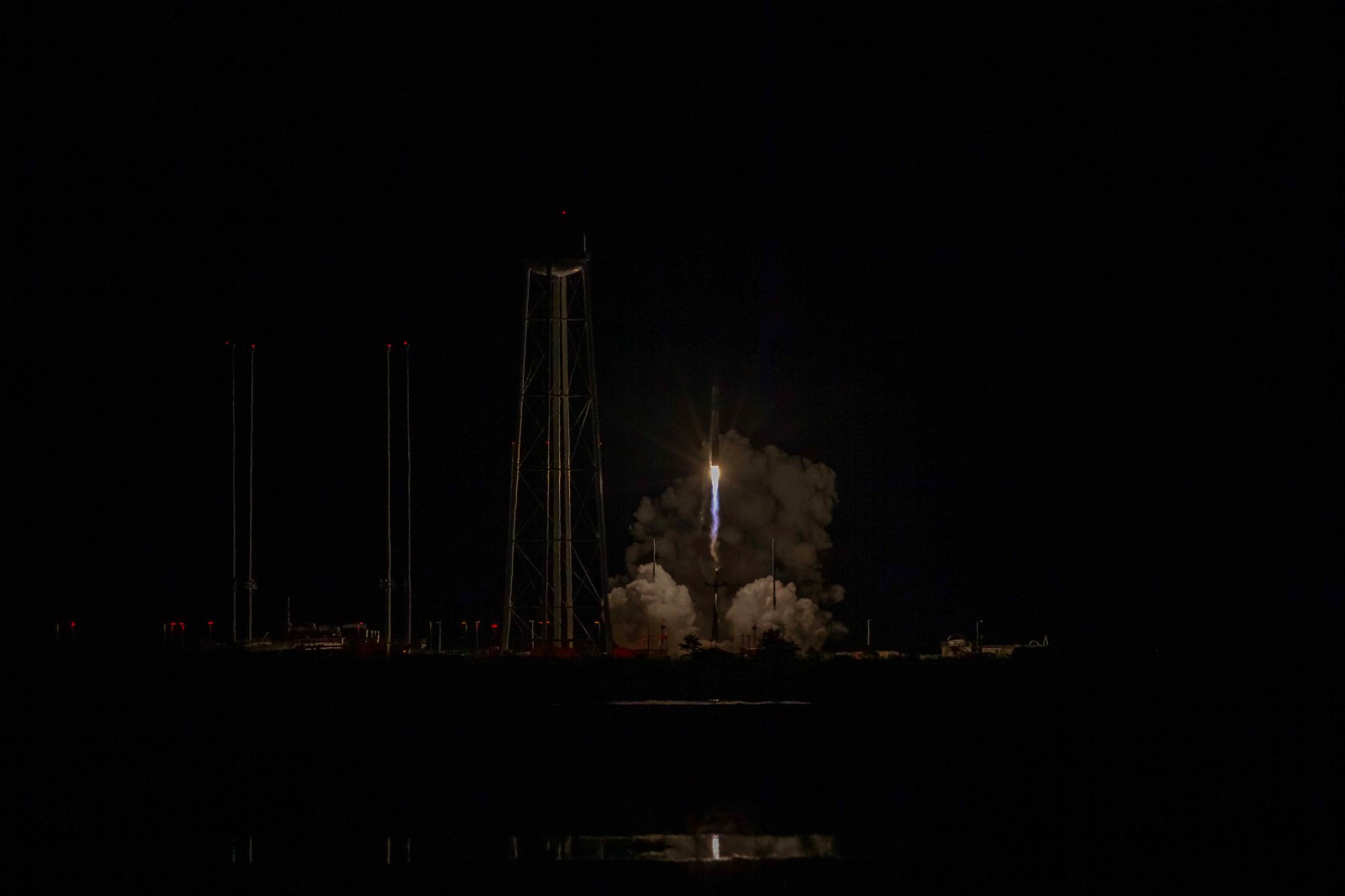
The Sea God Surveys is assigned to launch QPS-SAR-20, named WADATSUMI-II, for Japanese radar-imaging company iQPS. The operator specifies a 575-kilometre, mid-inclined target orbit. Rocket Lab lists one satellite aboard Electron from Launch Complex 1 in New Zealand. [2] [3]
On October 29, Rocket Lab and iQPS both listed November 3 as the no-earlier-than launch day, with the exact time still unannounced. iQPS marked its change from November 4 in an October 28 update. The live launch listing above carries an earlier tentative November 2 window; that window should not be mistaken for a launch time confirmed by either company. [8] [9] [1]
The QPS-SAR family uses a spring-deployed parabolic antenna that opens to 3.6 metres in diameter from a package about 80 centimetres across and 15 centimetres high. The stowed dimensions address the ride to orbit; the deployed diameter addresses the radio instrument’s work there. iQPS describes this light, foldable structure as central to fitting a large radar aperture on a small spacecraft. These are published family-design dimensions, not a measurement of WADATSUMI-II after deployment. [10]
The antenna also depends on specialised manufacturing around Fukuoka. iQPS names Minekatsu Kohki for the ribs, the enjin Space Engineering Team for other structures and assembly, and Kanekura for sewing the metal mesh. Their work has to produce a surface that unfolds into the intended shape in orbit. These are published details of the satellite family, rather than a completed deployment report for WADATSUMI-II. [5]
Synthetic aperture radar transmits microwave signals and records their echoes from the ground. Measurements collected as the spacecraft moves are combined to create the effect of a larger antenna. The technique can operate in darkness and through cloud cover that would obstruct a visible-light image. Image quality still depends on the instrument, observing geometry and processing. [6]
iQPS says WADATSUMI-II is assigned to the same orbital plane as QPS-SAR-10, WADATSUMI-I. The shared name identifies that relationship: number 20 is intended to become the second spacecraft in this plane. Its designation therefore carries information about both the launch-contract sequence and its place in the constellation. [4]
iQPS explains in its Japanese announcement that satellite numbers follow the order of launch contracts. They are not a count of working satellites or a promise of numerical launch order. That is why QPS-SAR-20 can be scheduled ahead of QPS-SAR-19, assigned to the later Mountain God Rises flight. The designation alone says nothing about a spacecraft’s commissioning status. [4]
公表された仕様と、この機体の飛行歴。
機体の説明・英語
Electron is a two-stage orbital expendable launch vehicle (with an optional third stage) developed by the American aerospace company Rocket Lab. Electron is a small-lift launch vehicle designed to launch small satellites and cubesats to sun-synchronous orbit and low earth orbit. The Electron is the first orbital class rocket to use electric-pump-fed engines, powered by the 9 Rutherford engines on the first stage. It is also used as a suborbital testbed (called HASTE) for hypersonics research.
目標 ·
目印は、公表された時間帯の中で予定時刻がどこにあるかを示します。 発表元に掲載された時刻の記録です。
計画上の進行順序です。時刻は打ち上げの目標時刻を基準とし、実際の飛行データは示していません。
Rocket Lab Launch Complex 1, Mahia Peninsula, New Zealand
Explore the launch pad, then pull back to see the shape of the destination orbit.
Understand this orbit
NASA geography with illustrative lighting. No live tracking or simulated ascent. Orbit motion is accelerated and representative. NASA Blue Marble source.
発表元の更新:
Android テスト版参加グループを開く クローズドテスト版1.6.0(4)では、サインイン、プレミアム、通知を利用できません。まずGoogleグループに参加し、同じGoogleアカウントでGoogle Playのテストに登録 ↗してください。