
NET H2 2031, with Comet Interceptor moved to a dedicated launch.
Update ↗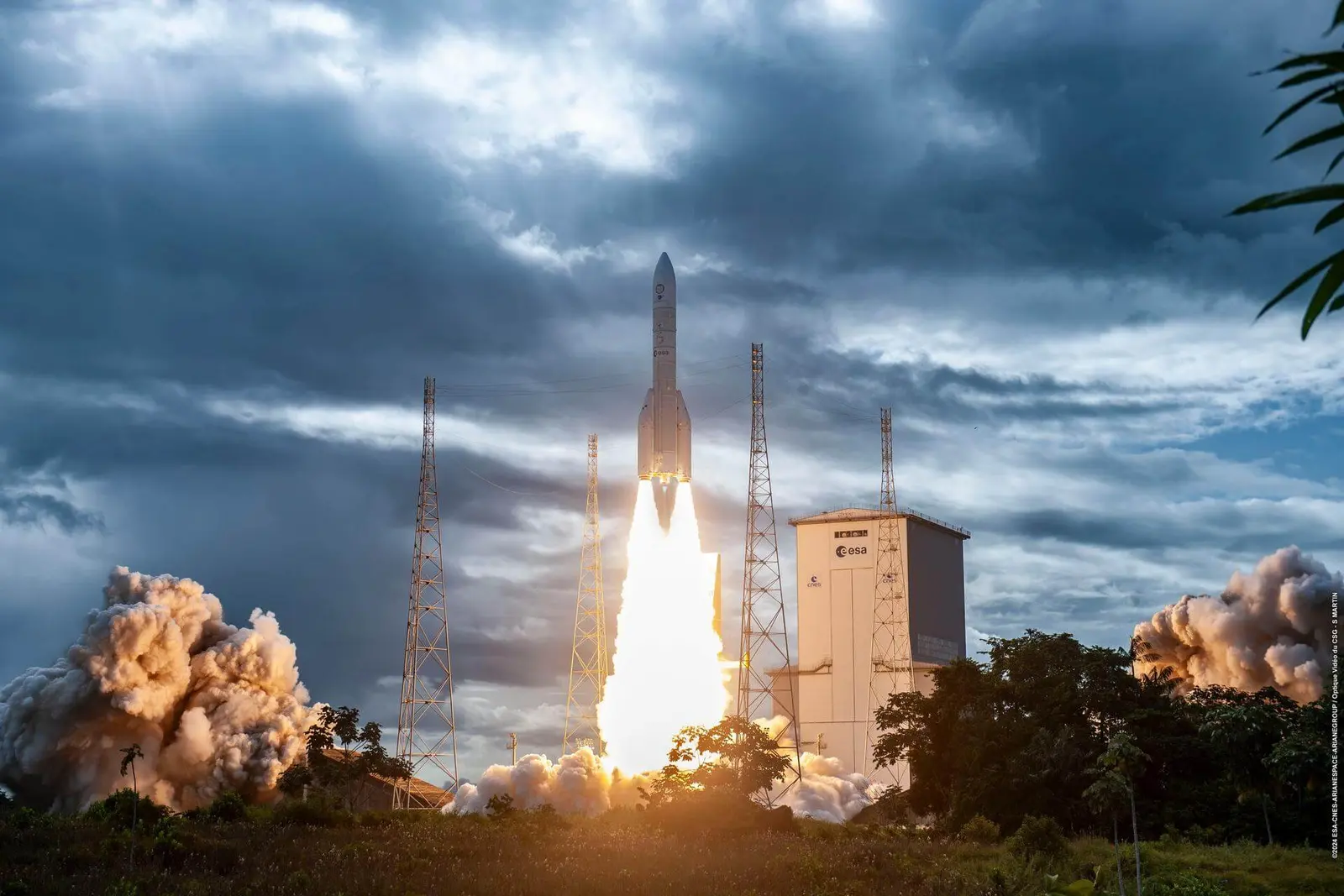
Arianespace日程未定
ARIEL
Ariane 62
ミッションの目的概要は英語
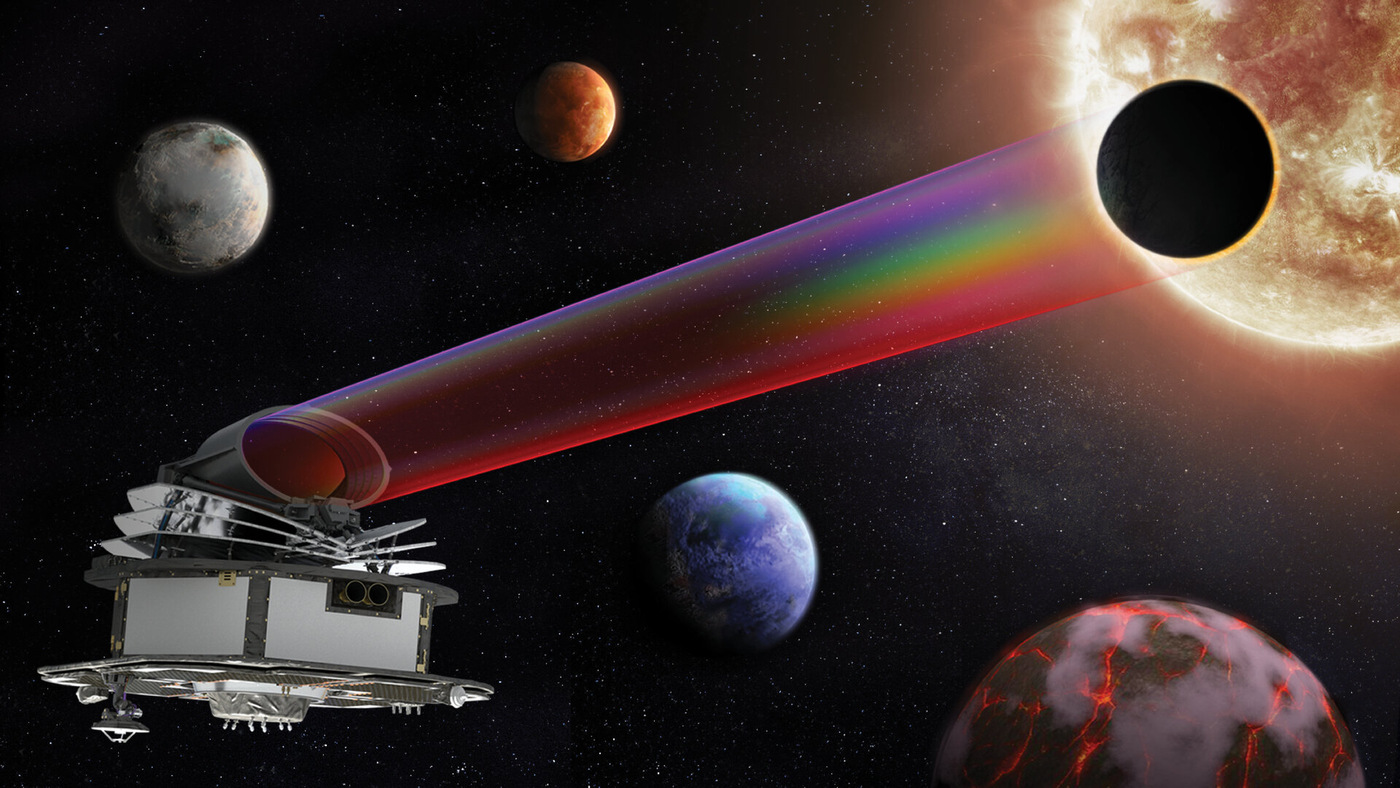
ESA’s Ariel mission is planned for a 2031 Ariane 6 launch to survey exoplanet atmospheres. AIRS and FGS will measure light across infrared wavelengths. The payload structural model passed a mechanical test campaign reported in May 2026; that result does not establish completed thermal-vacuum qualification of the later engineering model or flight observatory.
日時未定
保存したミッションはマイページで確認できます。 リマインダーや予定変更の通知を受け取るには、iPhoneアプリでこのミッションをフォローしてください。
日程は、まだ決まっていません
この記録では、確定した日付が公表されていません。
発表元の更新:
発表元を確認:Ariel ↗・Launch Library ↗
ミッションの更新
発表元からのお知らせ
このページを表示している間、予定の変更を確認します。
このタブを開いて表示している間だけ、通知を受け取れます。
目標時刻まで
日時未定
打ち上げ予定は変更される場合があります。
発射場所Guiana Space Centre, French Guiana
関連記事・英語
Ariel’s test payload has survived the shake. The cold test is a different question.
Ariel’s structural payload model passed mechanical testing. Its next engineering model must address a different problem: working in space-like cold and vacuum before the future exoplanet-atmosphere survey.
In this report
ESA’s Ariel mission is preparing for a planned 2031 launch on Ariane 6 to examine the atmospheres of planets around other stars. One part of that preparation has already survived a very terrestrial ordeal: a full-size structural model of the science payload passed its mechanical test campaign at RAL Space. The result, announced on 11 May 2026, answers a hardware question before the telescope can ask a scientific one. [1] [2]
What the shake established
A structural model reproduces the mechanical design and mass distribution needed for these trials. Powerful loudspeakers recreated launch-like acoustic loading. Engineers measured mass, centre of gravity and rotational inertia, then used shaker tables to apply vibration in three directions. Those are different checks: the payload must tolerate loads, and the team must know how its mass is arranged. Passing them is evidence about that model’s mechanical response. It is not an observation of an exoplanet or a certificate for the finished flight observatory. [2]
A different model, a different test
The May announcement described an engineering model, including additional electronics and subsystems, as the next assembly step. That model was intended for thermal-vacuum testing rather than a repeat of the same mechanical campaign. The distinction matters. A structure can survive shaking while optical alignment, detector operation and electronics still need to be investigated in their intended environment. The announcement does not establish that this later campaign has finished. [2]
A public abstract for ESA’s thermal-engineering workshop, listed for 6 October 2026, describes active and passive cooling with V-shaped thermal shields for a telescope environment below 60 kelvin. Those are design conditions, not results from an operating spacecraft or evidence that thermal-vacuum qualification is complete. [3]
The hardware exists to separate light
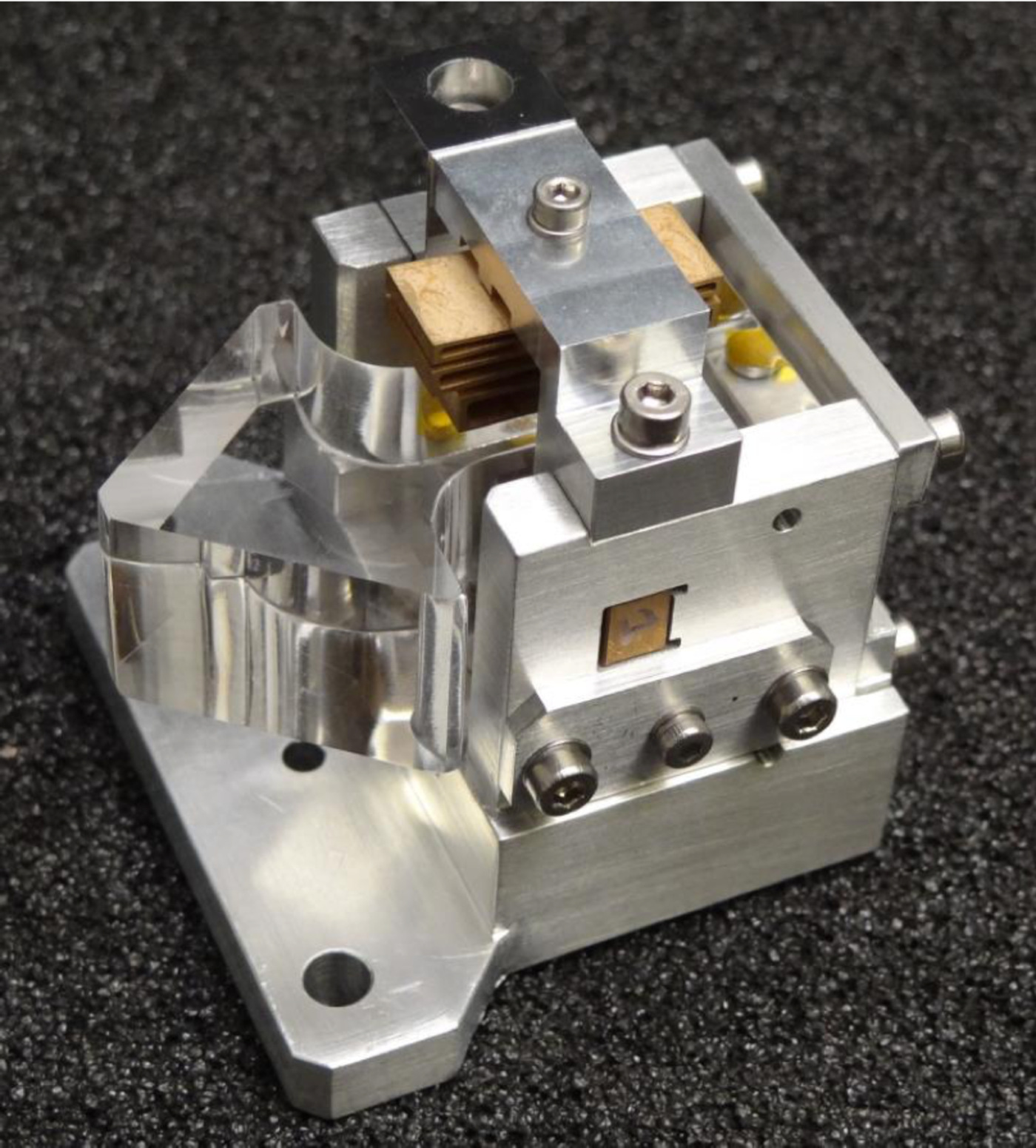
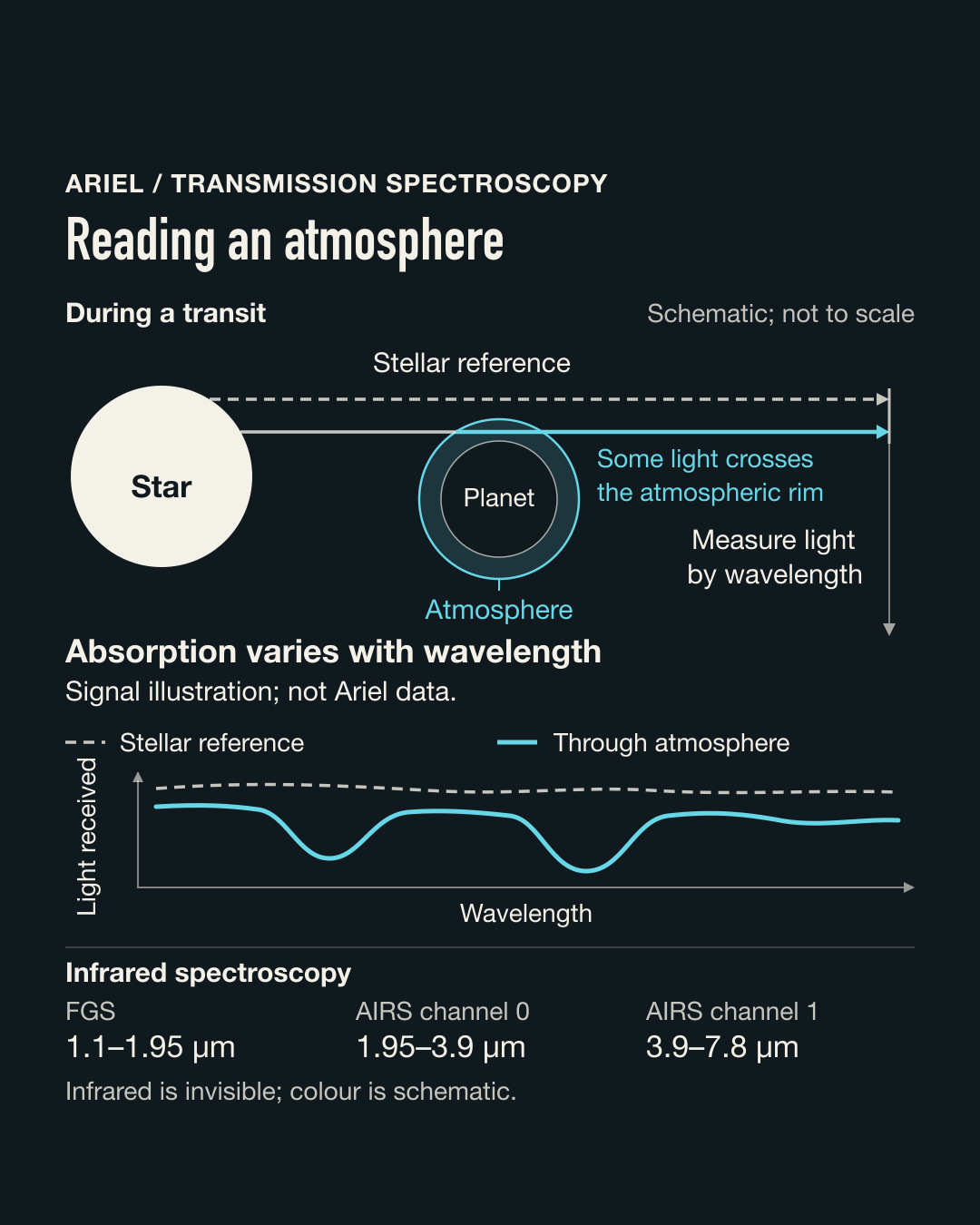
Ariel’s telescope assembly directs collected light toward two instrument systems. The Ariel infrared spectrometer, AIRS, divides its range between channels covering 1.95–3.9 and 3.9–7.8 micrometres. The Fine Guidance System helps determine pointing and adds near-infrared spectroscopy from 1.1 to 1.95 micrometres. These are infrared wavelengths, not a literal visible rainbow in a photograph. A prism and detectors separate and record the incoming light. [4]
During a suitable transit, some of the star’s light crosses the thin rim of a planet’s atmosphere on its way to the telescope. Atmospheric molecules absorb light differently at different wavelengths. Comparing the wavelength-dependent signal with the stellar reference lets researchers investigate the atmosphere. A schematic spectrum can explain that principle, but it must not masquerade as data already collected by Ariel. The planned survey concerns a population of worlds, rather than a guaranteed Earth twin or a promise to detect life. [5] [1]
What the milestone leaves open
The useful next question is whether later hardware can deliver the required optical and thermal performance after integration. Mechanical survival and scientific sensitivity address different risks. Ariel’s reported structural tests are one documented step toward that future survey; the planned flight and the atmospheres it will measure remain ahead. Follow the canonical launch record for current timing, with the test result kept separate from the schedule. [2] [3] [1]
Sources and credits (7)
- Ariel mission overviewwww.esa.int · Checked 2026-11-02
- Ariel structural-model test milestonewww.ukri.org · Checked 2026-11-02
- Passive Cooling System Design of the Ariel Telescopeindico.esa.int · Checked 2026-11-02
- Ariel instrumentswww.esa.int · Checked 2026-11-02
- Studying exoplanet atmosphereswww.esa.int · Checked 2026-11-02
- Prism inside Ariel’s AIRS instrumentwww.esa.int · Checked 2026-11-02
- Ariel key visualwww.esa.int · Checked 2026-11-02
ミッションのデータ
- 打ち上げ機
- Ariane 62
- ミッションの種類
- Astrophysics
- 投入先の軌道
- Sun-Earth L2
- Launch pad
- Ariane Launch Area 4
- 運用機関
- Arianespace
機体の構成
公表された仕様と、この機体の飛行歴。
打ち上げ機
Ariane 62
機体の説明・英語
The Ariane 6 family is currently under development by the European Space Agency, with two variations including the Ariane 62 with two solid boosters intended for government and scientific missions.
- 高さ
- 63 m
- 直径
- 5.4 m
- 段数
- 2
- 記録された打ち上げ数
- 6
- 初飛行
- 2024-07-09
打ち上げ可能時間帯
詳しい打ち上げ可能時間帯は、まだ公表されていません。
発射場所
Guiana Space Centre, French Guiana
発射場所Ariane Launch Area 4
Drag to rotate
この表示について
Published destination: Sun-Earth L2.
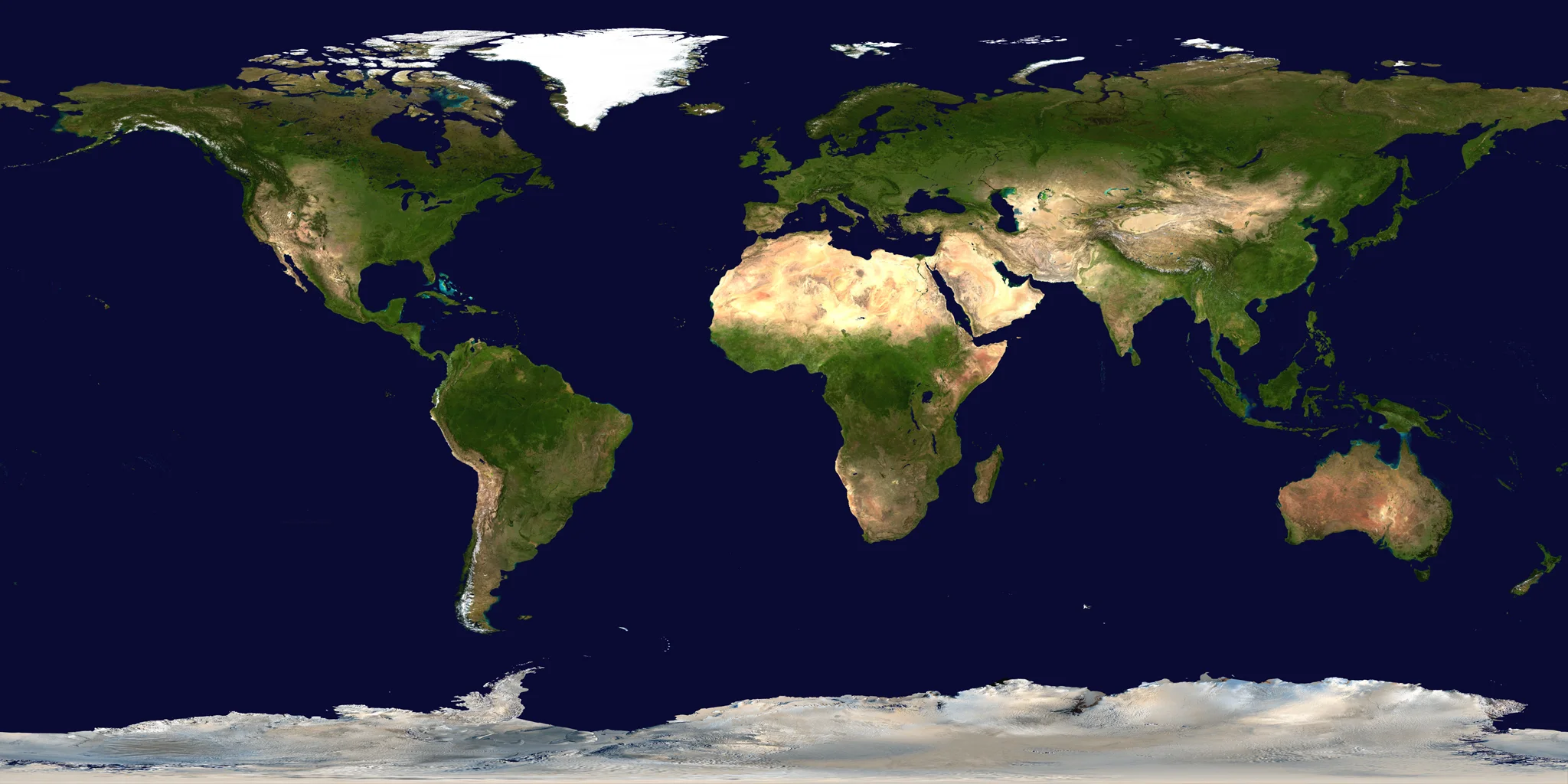
NASA geography with illustrative lighting. No live tracking or simulated ascent. NASA Blue Marble source.
中継・出典
ミッションの中継
配信リンクは、まだ公開されていません。
 Android テスト版参加グループを開く クローズドテスト版1.6.0(4)では、サインイン、プレミアム、通知を利用できません。まずGoogleグループに参加し、同じGoogleアカウントでGoogle Playのテストに登録 ↗してください。