Launch target updated
変更前の目標日時
変更後の予定
Recorded by Spacian . Mission source ↗

 Android テスト版参加グループを開く クローズドテスト版1.6.0(4)では、サインイン、プレミアム、通知を利用できません。まずGoogleグループに参加し、同じGoogleアカウントでGoogle Playのテストに登録 ↗してください。
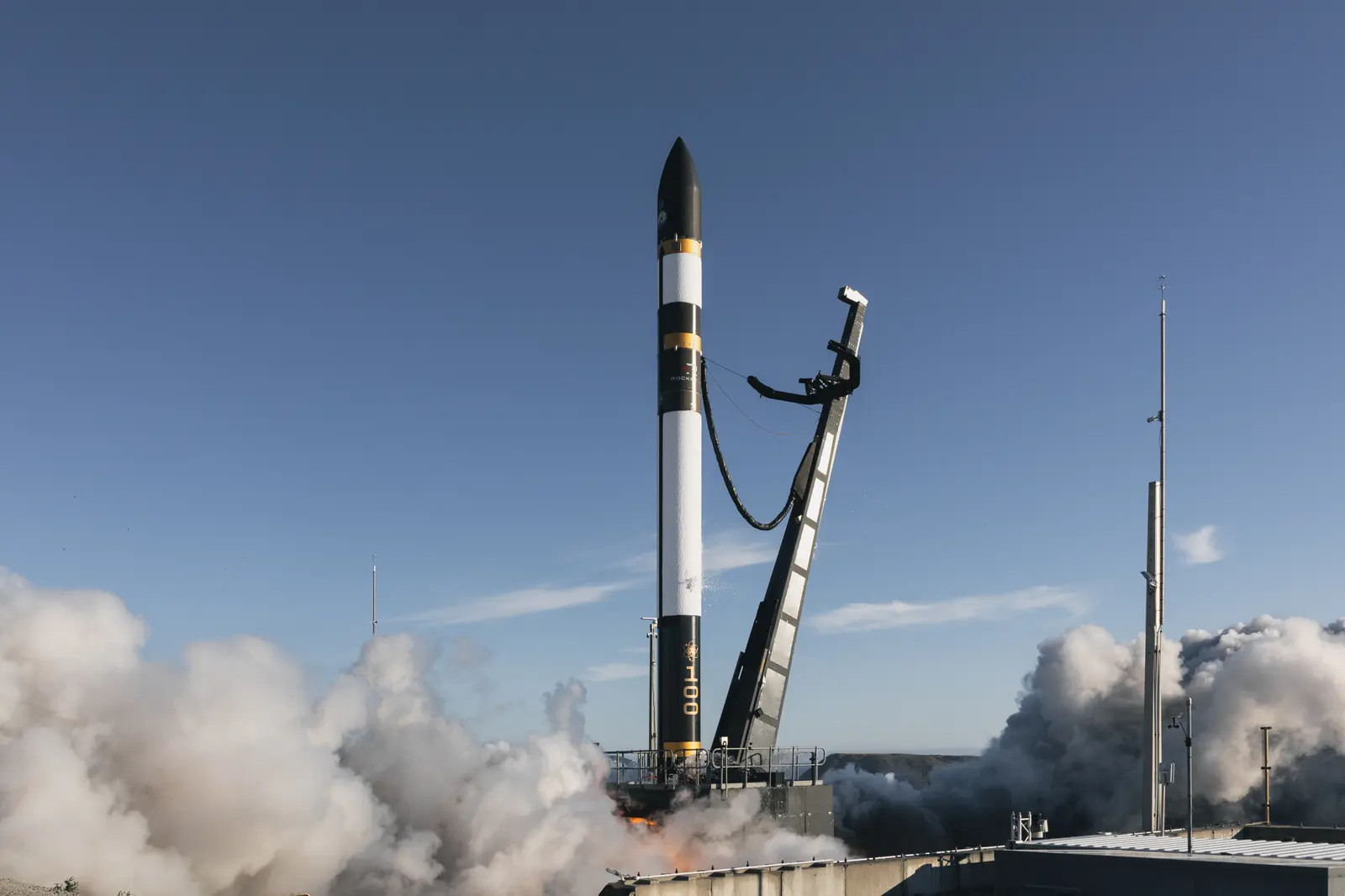
Electron
QPS-SAR-19, named YAMATSUMI-II, is a radar Earth-observation satellite for Japan’s iQPS. Electron’s The Mountain God Rises mission is assigned to place the spacecraft in a planned 575-kilometre, mid-inclined orbit. The QPS-SAR family supports Stripmap and Spotlight imaging: different observing modes that trade broader coverage against more concentrated observations of a target.
保存したミッションはマイページで確認できます。
Recorded by Spacian . Mission source ↗
発表元の情報が変わった時点の記録です。延期の理由を示すものではありません。
記録を始める前の変更は掲載していません。
関連記事・英語
Electron’s Mountain God Rises mission will add YAMATSUMI-II to a radar fleet that trades wide-area coverage against more concentrated observations.
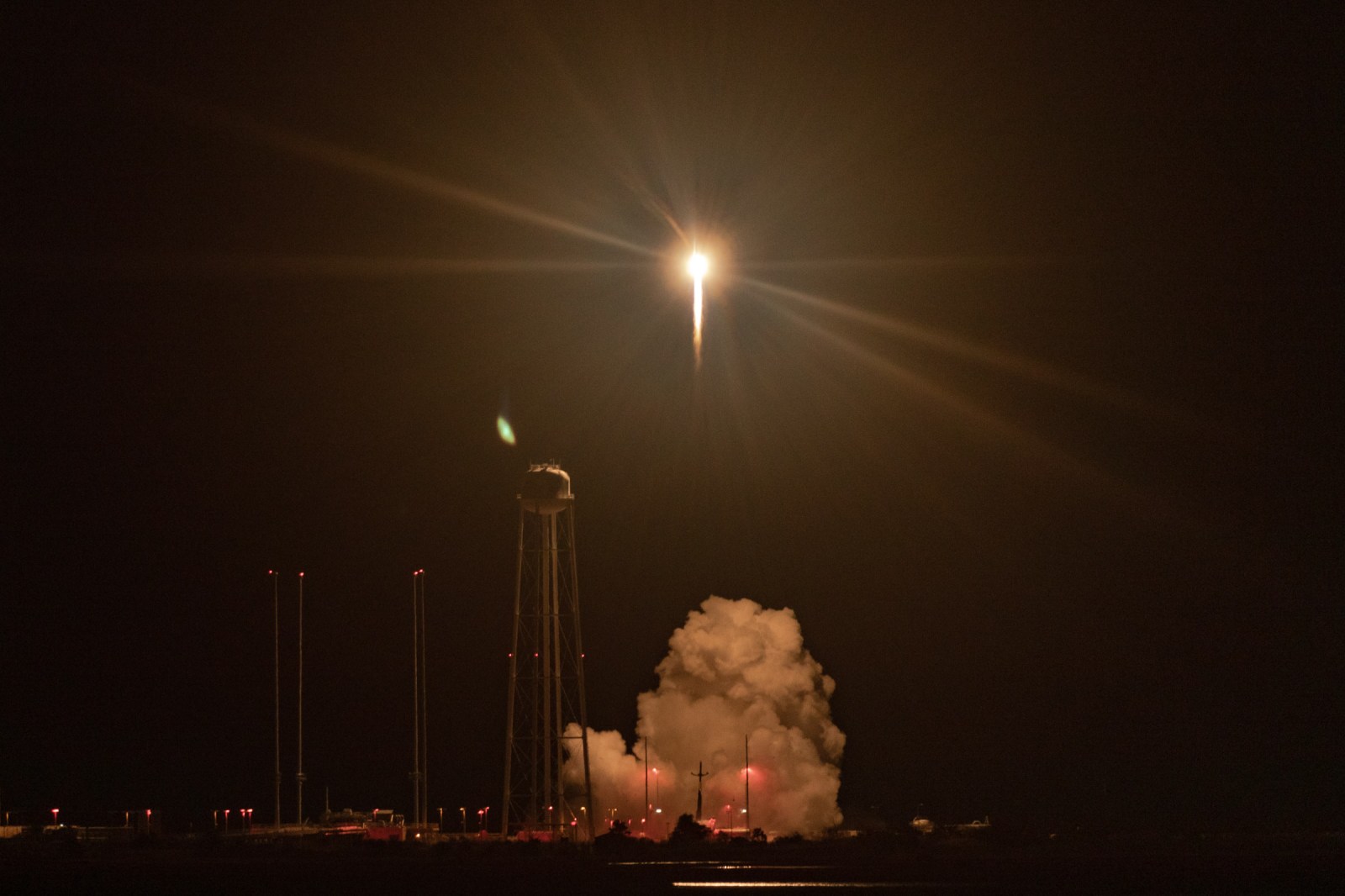
iQPS has assigned QPS-SAR-19, named YAMATSUMI-II, to The Mountain God Rises, an Electron flight scheduled no earlier than November 10. The announced destination is a mid-inclined orbit at 575 kilometres. Rocket Lab lists a single QPS-SAR spacecraft and has not published an exact launch time. [2] [3]
Rocket Lab describes the mission as its eleventh Electron launch for iQPS. The satellite operator’s current expansion plan calls for 24 spacecraft by the end of May 2028, followed by further deployments through 2030. Its aim is to shorten the intervals between observations of the same region. [3] [2]
A recent addition to the fleet has already returned images. QPS-SAR-18, SUSANOO-II, launched on August 20. iQPS published its first images on September 11, drawn from observations made on September 7–9. The company has not announced an equivalent first-image timetable for YAMATSUMI-II. [4]
The report identified six locations, from Sevilla to Halifax, and supplied weather conditions and resolution along two image axes. One observation showed Shirahama, Japan, in rain, with reported ground-plane resolution of 0.46 by 0.49 metres. The rainy acquisition is a concrete example of radar observation under conditions that can obstruct visible-light cameras. [4]
iQPS offers Stripmap mode for wider coverage and Spotlight mode for a more concentrated observation. Its product table gives a 14-by-7-kilometre scene for Stripmap and a 7-by-7-kilometre scene for Spotlight. The stated figures are analysed for a 525-kilometre orbit, a 30-degree off-nadir angle and 600 MHz bandwidth. [5]
YAMATSUMI-II’s announced target altitude is 575 kilometres. Its observing geometry will therefore differ from the conditions behind that table. The published product figures describe a particular configuration; imagery from the new spacecraft will show its achieved performance. [5] [2]
The constellation’s intended advantage is more frequent access to places that need monitoring. iQPS’s long-term target is an average interval of ten minutes for observations of regions around the world. That remains a service goal for the larger network. YAMATSUMI-II adds one planned spacecraft to it; its own first radar images will follow launch and checkout. [2]
公表された仕様と、この機体の飛行歴。
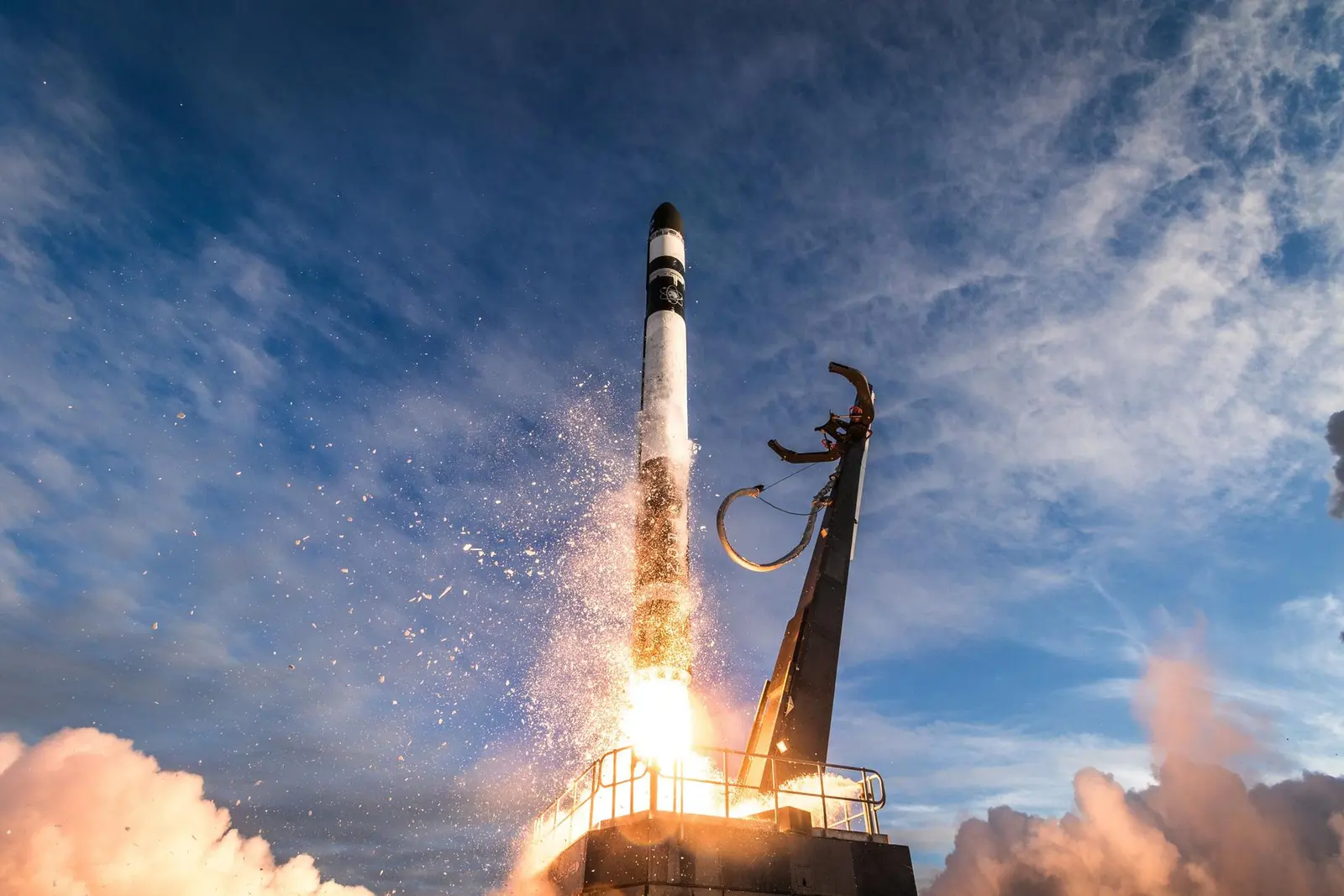
機体の説明・英語
Electron is a two-stage orbital expendable launch vehicle (with an optional third stage) developed by the American aerospace company Rocket Lab. Electron is a small-lift launch vehicle designed to launch small satellites and cubesats to sun-synchronous orbit and low earth orbit. The Electron is the first orbital class rocket to use electric-pump-fed engines, powered by the 9 Rutherford engines on the first stage. It is also used as a suborbital testbed (called HASTE) for hypersonics research.
記録では、一つの時刻が公表されています。 発表元に掲載された時刻の記録です。
Rocket Lab Launch Complex 1, Mahia Peninsula, New Zealand
Explore the launch pad, then pull back to see the shape of the destination orbit.
Understand this orbit
NASA geography with illustrative lighting. No live tracking or simulated ascent. Orbit motion is accelerated and representative. NASA Blue Marble source.
発表元の更新:
Android テスト版参加グループを開く クローズドテスト版1.6.0(4)では、サインイン、プレミアム、通知を利用できません。まずGoogleグループに参加し、同じGoogleアカウントでGoogle Playのテストに登録 ↗してください。