


When to go outside
January 3–4: Quadrantids
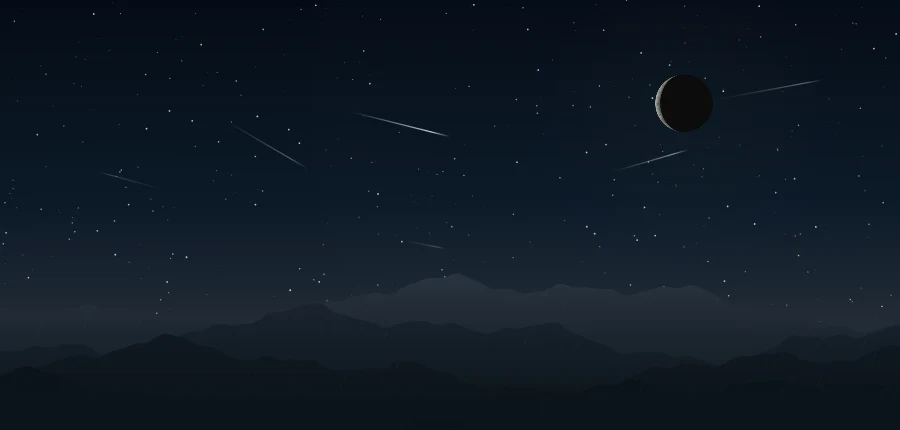
This is the strongest of the year’s major showers with favorable moonlight. The catch is timing: the main peak is usually only a few hours wide, and the IMO notes that even its precise-looking forecast can be off by a few hours. From northern latitudes, watch when the radiant is above the horizon and the forecast peak is closest to your local hours of darkness. If those don’t overlap, the dark hours before dawn around January 4 are still worth a try, with lower rates. New Moon is January 7.
April 22–23: Lyrids
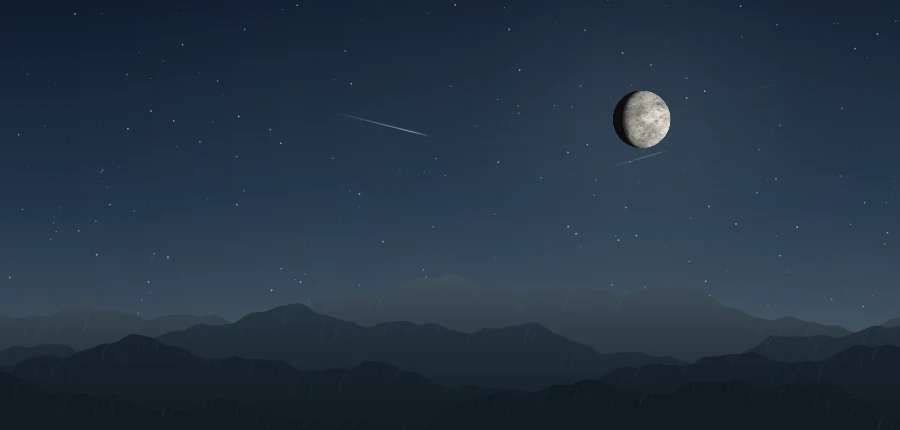
The Lyrids favor northern observers and improve as their radiant climbs late at night. This year a bright waning gibbous Moon is in the sky during those same hours. Full Moon falls on April 20, so don’t expect the usual dark-sky display. If you’re already out, look away from the Moon and give the brighter meteors a chance.
Early May: Eta Aquariids
Set an alarm rather than staying up late. May 5–6 is a useful starting point, but try any clear predawn window in the days near May 6. The radiant in Aquarius rises late, so the shower has a short window before twilight. It’s better placed in the Southern Hemisphere and at low northern latitudes. New Moon falls on May 6 at 10:58 UTC, so moonlight isn’t the obstacle this year.
Late July: Southern Delta Aquariids
Try after midnight on July 30–31 or July 31–August 1 local time. This shower holds near its best for about two days, so choose the clearer night rather than chasing a particular hour. The radiant gets higher from southern locations; at mid-northern latitudes, expect fewer. The Moon is a waning crescent ahead of the August 2 new Moon.
August 12–13: Perseids
Start by looking up moonset and dawn for your location. The Moon is waxing gibbous, so the useful gap between moonset and twilight can be short. At mid-northern latitudes, try the latter part of the night of August 12–13 local time, or another clear night nearby if the peak falls in daylight for you. The IMO lists 08:00–10:00 UTC on August 13 as the reference maximum, but past returns have peaked across a wider span. A high ideal rate doesn’t make it a moon-free year.
October 21–22: Orionids
Try after local midnight around October 22, from either hemisphere. The Moon reaches last quarter at 17:29 UTC that day. That puts moonlight into the second half of the night, just when the Orionid radiant is getting higher. Bright meteors are still possible. The Orionids and May’s Eta Aquariids come from debris left by Halley’s Comet.
November 17–18: Leonids
Look after midnight around November 18, when Leo is up. A waning gibbous Moon will hide fainter meteors. The IMO lists other possible bursts of activity between November 17 and 20, including a potential old dust-trail encounter on November 20. Those are less certain than the regular peak; don’t plan on a meteor storm.
December 14–15: Geminids
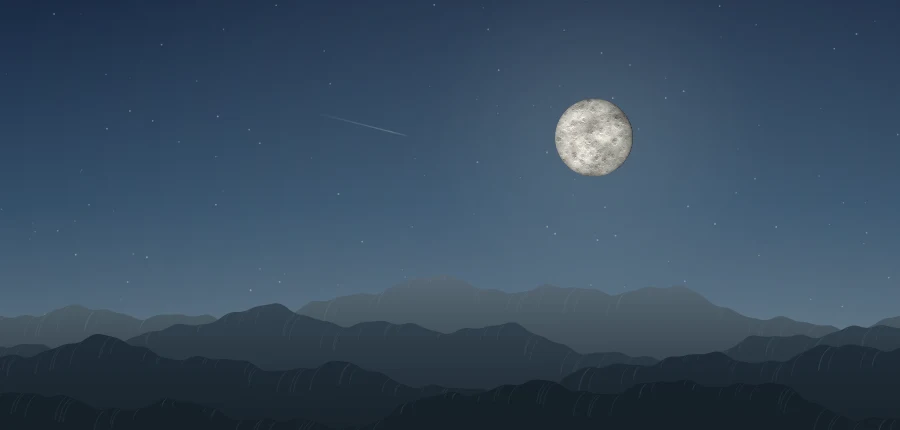
The Geminids have the highest ideal rate in this selection, but that’s not the view 2027 is likely to deliver. The Moon reaches full phase at 16:09 UTC on December 13 and remains nearly full at maximum. If you go out near December 14, use a wall or tree to block direct glare without losing too much sky. That can help your eyes, but it won’t darken the whole sky.
December 22–23: Ursids
If you missed the Geminids, the Ursids offer a quieter night with less moonlight. Watch from northern latitudes, where the radiant near the Little Dipper is highest toward morning. Check your local moonrise and twilight times before heading out. The peak is fairly narrow, and the IMO doesn’t predict a special burst this year.
How to read a meteor shower forecast
A peak is not an appointment. Convert the UTC forecast to your local time before choosing a night. If the peak falls in daylight or before the shower’s radiant rises, pick the nearest clear, dark hours with the radiant up. The radiant is the point the meteors seem to come from.
ZHR is a yardstick, not a head count. Zenithal hourly rate is the number an observer would see in an hour under a clear, dark sky with the radiant directly overhead. Real counts fall when the radiant is low, when clouds or light pollution hide part of the sky, or when moonlight washes out faint streaks. Even rates under good conditions can vary from one year to the next.
Go wide, not close. Leave the telescope inside. Find an open spot away from lights, put the phone away, and give your eyes 20–30 minutes to adjust. Look across a broad patch of sky rather than at the radiant itself. NASA’s meteor shower observing guide has more tips.