
Added launch.
Update ↗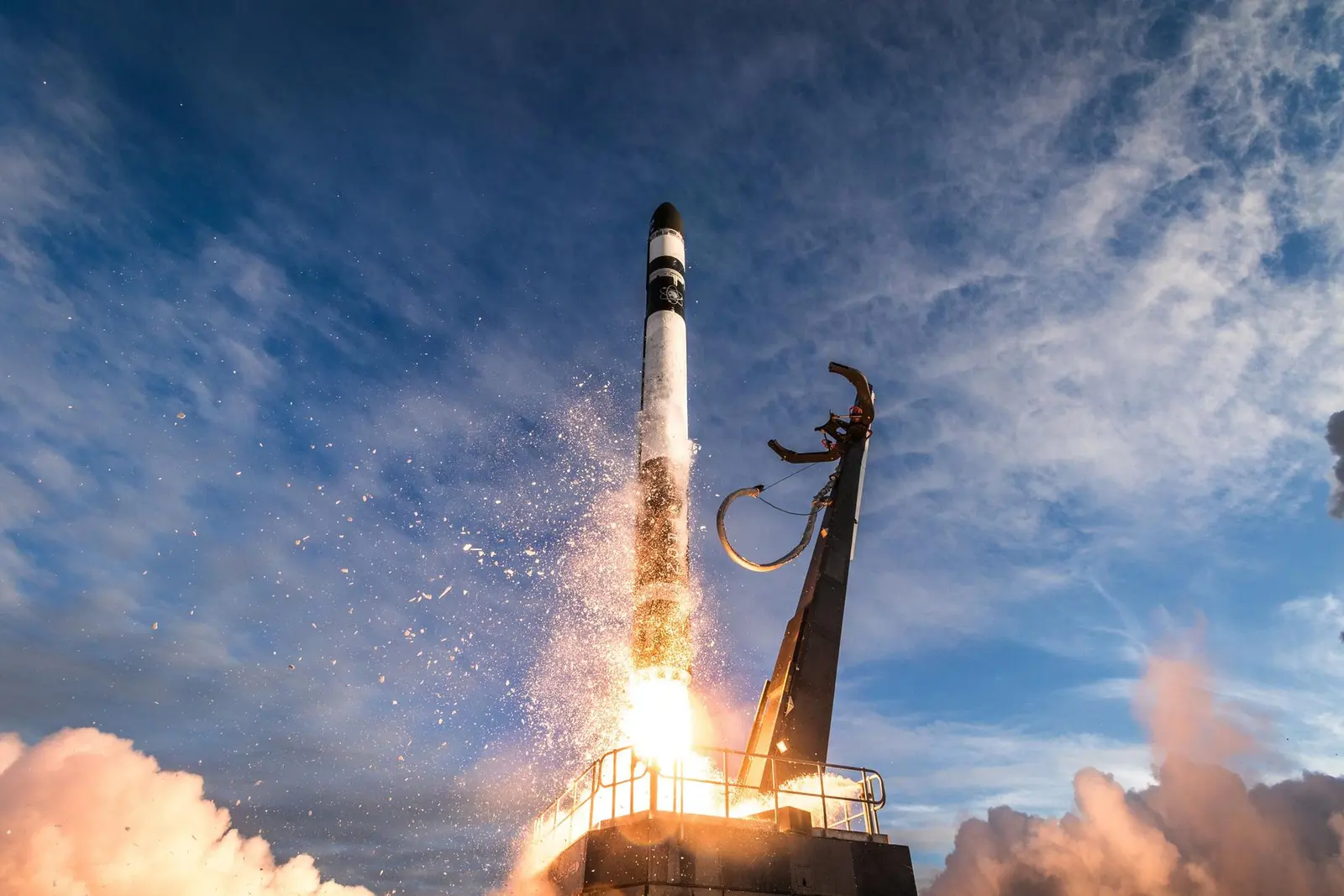
Rocket Lab日程未定
PolSIR-2
Electron
ミッションの目的概要は英語
The PoISIR (Polarized Submillimeter Ice-cloud Radiometer) mission will help provide a better understanding of ice clouds that form at high altitudes throughout tropical and subtropical regions. Consisting of two small satellites, both of PoISIR’s 16U CubeSats have a scientific instrument designed to measure a specific spectrum of electromagnetic radiation, which will determine how the amount of ice in tropical clouds rises and falls during the day, as well as how the ice changes connect to larger storms. The instruments also will help determine how ice clouds affect sunlight and heat radiation throughout the day. The pair of CubeSats will fly in orbits separated by several hours to observe the pattern of cloud ice content changes over a day. This information will help researchers make more accurate weather predictions.
2027年6月・日付未定
保存したミッションはマイページで確認できます。 リマインダーや予定変更の通知を受け取るには、iPhoneアプリでこのミッションをフォローしてください。
公表されている予定
2027年6月。日付と時刻は未定です。
発表元の更新:
発表元を確認:Launch Library ↗
ミッションの更新
発表元からのお知らせ
このページを表示している間、予定の変更を確認します。
このタブを開いて表示している間だけ、通知を受け取れます。
目標時刻まで
日時未定
打ち上げ予定は変更される場合があります。
発射場所Rocket Lab Launch Complex 1, Mahia Peninsula, New Zealand
ミッション
概要は英語The PoISIR (Polarized Submillimeter Ice-cloud Radiometer) mission will help provide a better understanding of ice clouds that form at high altitudes throughout tropical and subtropical regions. Consisting of two small satellites, both of PoISIR’s 16U CubeSats have a scientific instrument designed to measure a specific spectrum of electromagnetic radiation, which will determine how the amount of ice in tropical clouds rises and falls during the day, as well as how the ice changes connect to larger storms. The instruments also will help determine how ice clouds affect sunlight and heat radiation throughout the day. The pair of CubeSats will fly in orbits separated by several hours to observe the pattern of cloud ice content changes over a day. This information will help researchers make more accurate weather predictions.
- 打ち上げ機
- Electron
- ミッションの種類
- Earth Science
- 投入先の軌道
- Low Earth Orbit
- Launch pad
- Unknown Pad
- 運用機関
- Rocket Lab
機体の構成
公表された仕様と、この機体の飛行歴。
打ち上げ機
Electron
機体の説明・英語
Electron is a two-stage orbital expendable launch vehicle (with an optional third stage) developed by the American aerospace company Rocket Lab. Electron is a small-lift launch vehicle designed to launch small satellites and cubesats to sun-synchronous orbit and low earth orbit. The Electron is the first orbital class rocket to use electric-pump-fed engines, powered by the 9 Rutherford engines on the first stage. It is also used as a suborbital testbed (called HASTE) for hypersonics research.
- 高さ
- 18 m
- 直径
- 1.2 m
- 段数
- 3
- 記録された打ち上げ数
- 100
- 初飛行
- 2017-05-25
打ち上げ可能時間帯
詳しい打ち上げ可能時間帯は、まだ公表されていません。
地球儀で見る発射場
Rocket Lab Launch Complex 1, Mahia Peninsula, New Zealand
Explore the launch pad, then pull back to see the shape of the destination orbit.
Understand this orbit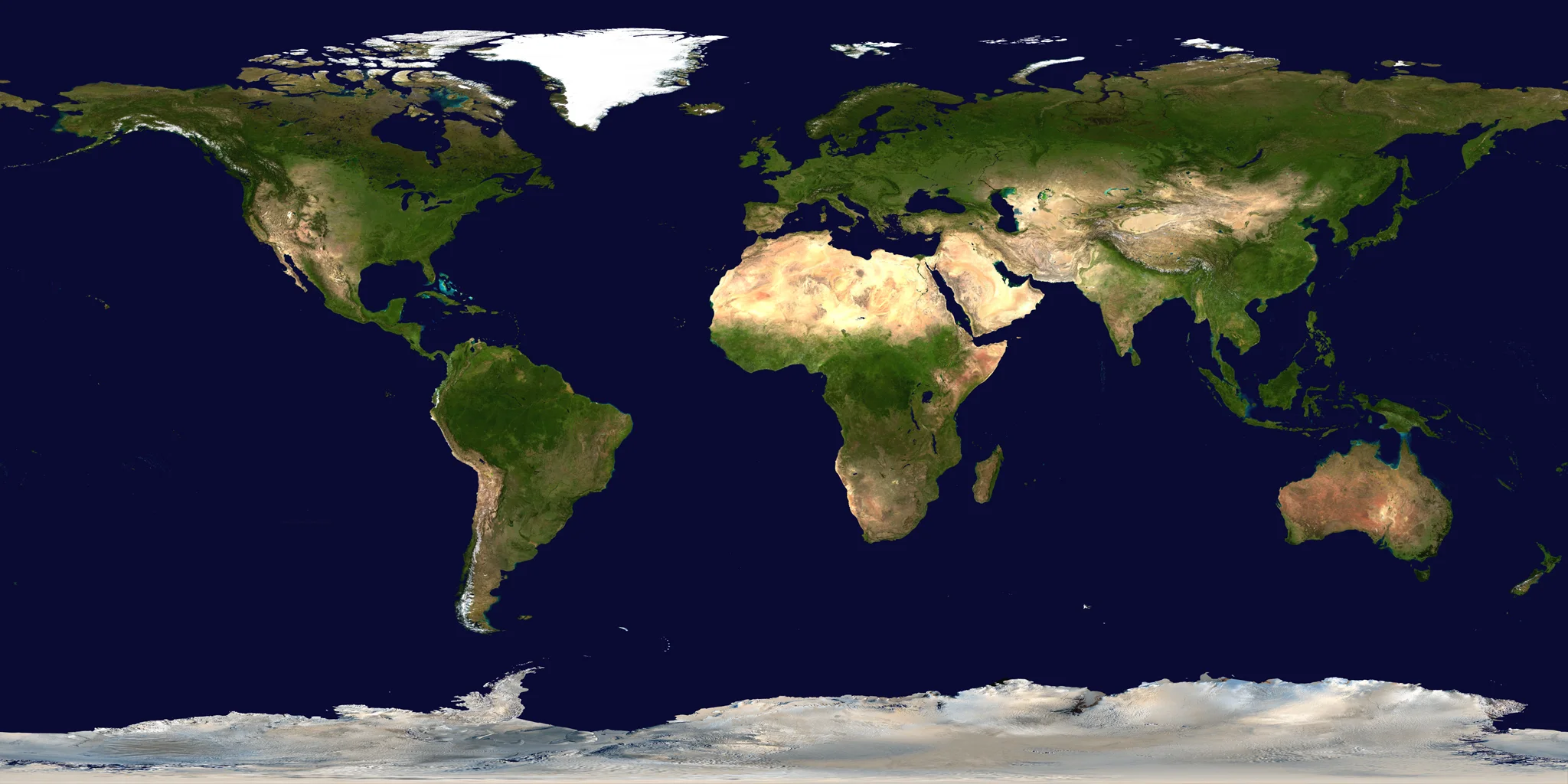
発射場所Unknown Pad
この表示について
NASA geography with illustrative lighting. No live tracking or simulated ascent. Orbit motion is accelerated and representative. NASA Blue Marble source.
現地で見る
見学前に確認すること
Check the current launch notice and safety zones. The launch site itself is not open to the public.
延期に備えて日程に余裕を持ち、当日も予定時刻、現地の天気、道路の規制を確認してください。
Rocket Lab launch safety & viewing ↗出発前の確認
- 予定日時と打ち上げ可能時間帯を確認する。
- 公式の見学場所と、予約の要否を確認する。
- 許可された見学場所を利用する。発射台へ向かわない。
- 現地で見られない場合に備えて、配信のリンクを控えておく。
中継・出典
ミッションの中継
配信リンクは、まだ公開されていません。
関連する資料
Launch Library Android テスト版参加グループを開く クローズドテスト版1.6.0(4)では、サインイン、プレミアム、通知を利用できません。まずGoogleグループに参加し、同じGoogleアカウントでGoogle Playのテストに登録 ↗してください。