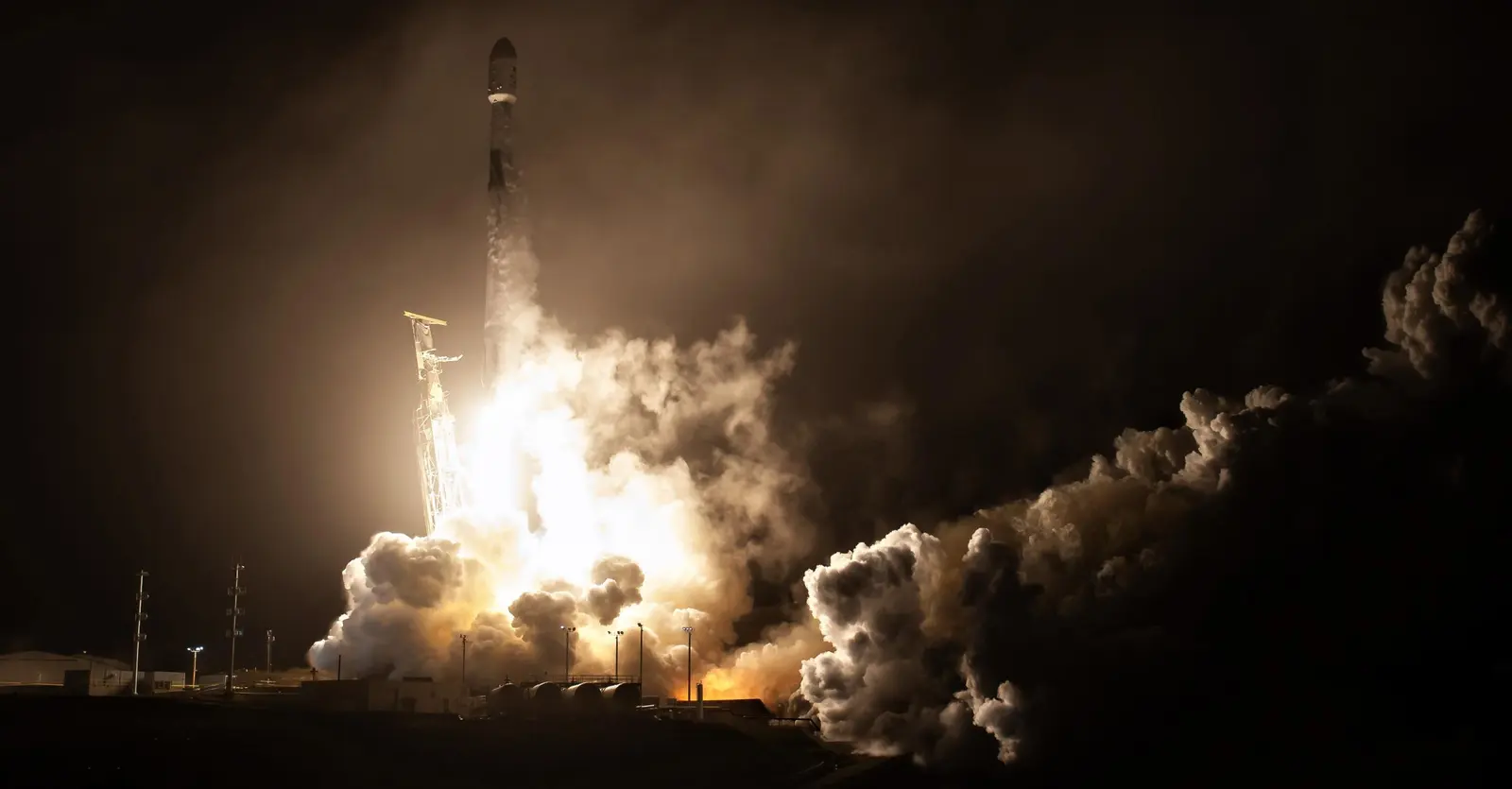
SpaceX is set to kick off a busy week of launch preparations at Kennedy Space Center for the first of five planned Falcon Heavy rocket missions this year, targeting a dusk departure no earlier than Thursday evening from Launch Complex 39A on a flight for the U.S. Space Force.
Plans by Delta Airlines to start offering free inflight Wi-Fi next month increases pressure on other major airlines to follow suit, driving up more demand for satellite capacity.
Payloads: BioNutrients-2: BioNutrients-2 Production Bags was removed from SABL and placed into cold stowage MELFI-3. BioNutrients demonstrates a technology that enables on-demand production of human nutrients during long-duration space missions. The process uses engineered microbes, like yeast, to generate carotenoids from an edible media to supplement potential vitamin losses from food that is stored for …
Hedron's goal is automatic networking in space. Satellite operators would pass packets to a network that moves data almost instantaneously to the ground.
"There is a critical need for rideshare and hosting solutions for small satellites."
Summary supplied by Arstechnica.
NASA
NASA to Provide Live Coverage of SpaceX Cargo Craft Station Departure
Source link unavailable
Read summary
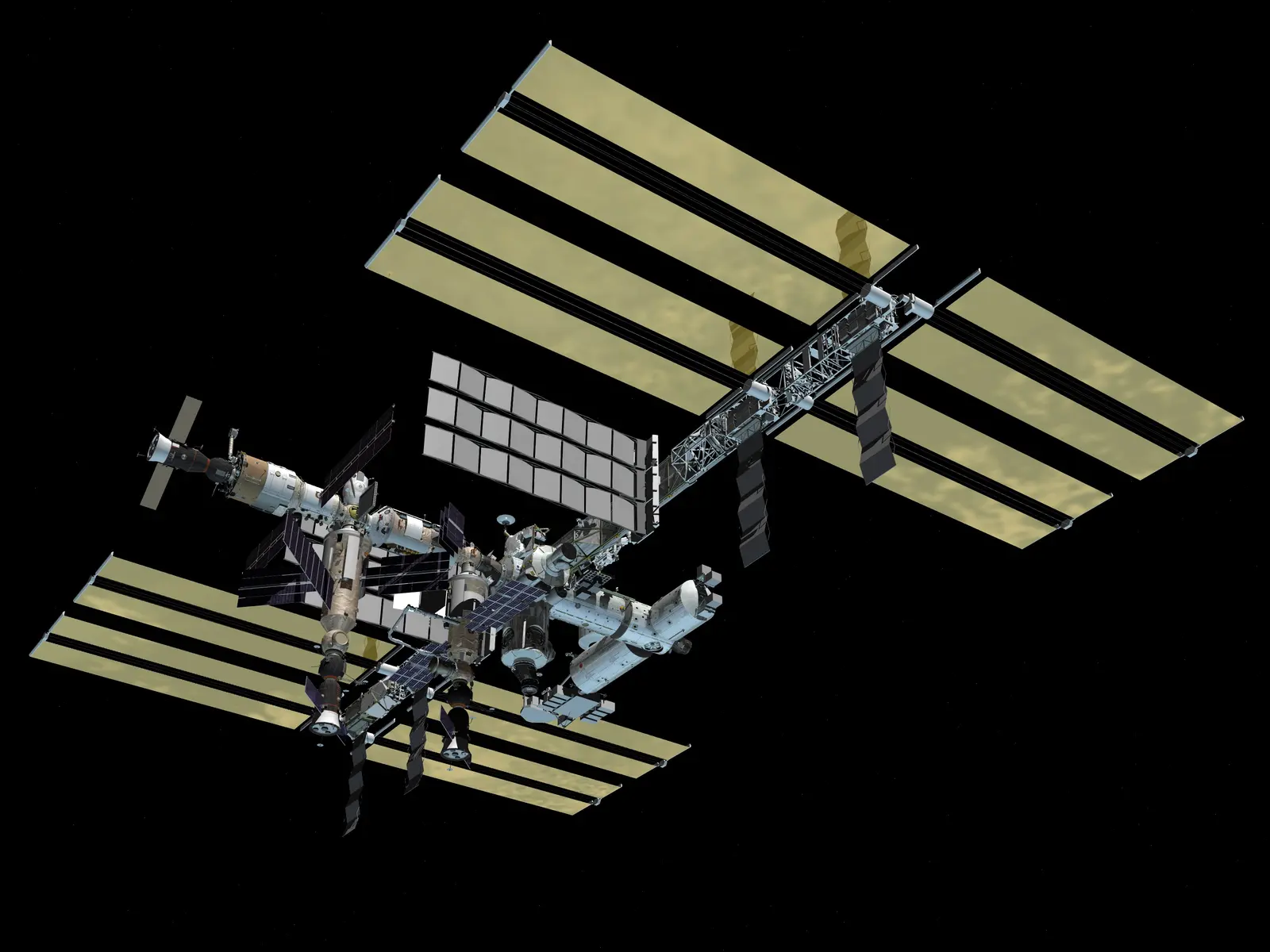
A SpaceX Dragon cargo resupply spacecraft is set to depart the International Space Station on Monday, Jan. 9, returning scientific research samples and hardware to Earth for NASA.
The next piece of SpaceX’s growing Starship infrastructure at Kennedy Space Center arrived at Launch Complex 39A on Friday. A carriage apparatus for the Starship pad’s mechanized chopstick arm system rolled to the complex for installation on the launch pad tower.
NASA will allow three aging Earth science missions to participate in an upcoming senior review of extended missions even as the agency warns of budget pressures on its overall portfolio of missions.
An independent review warned of potential cost overruns on a future major NASA Earth science mission, prompting NASA to consider removing some instruments from it.
Five senators are asking the White House to add at least $300 million in the next budget proposal for NASA and the National Science Foundation (NSF) to support priorities from the astrophysics decadal survey.
General Atomics Electromagnetic Systems won a contract from Advanced Space to build a satellite the Air Force Research Laboratory plans to launch to deep space in 2025.
With help from NASA’s Nuclear Spectroscopic Telescopic Array (NuSTAR) X-ray telescope, a group of researchers recently bore unusually close witness to the formation and evolution of an unexpected corona around a supermassive black hole as it destroyed a star that had passed too close to it.
Fresh off the 1.4-million-mile Artemis 1 test flight around around the moon, NASA’s Orion spacecraft arrived Dec. 30 back at Kennedy Space Center in Florida, where technicians will offload propellants and payloads, and begin removing internal hardware destined to fly back to the moon with astronauts on the next Orion crew capsule in 2024.
Payloads: BioNutrients-2: BioNutrients-2 Production Bags were hydrated and inspected. BioNutrients demonstrates a technology that enables on-demand production of human nutrients during long-duration space missions. The process uses engineered microbes, like yeast, to generate carotenoids from an edible media to supplement potential vitamin losses from food that is stored for very long periods. Specially designed storage/growth …
Canada’s NorthStar Earth and Space said Jan. 5 it has raised $35 million ahead of plans to deploy its first three satellites this year for tracking objects in orbit.
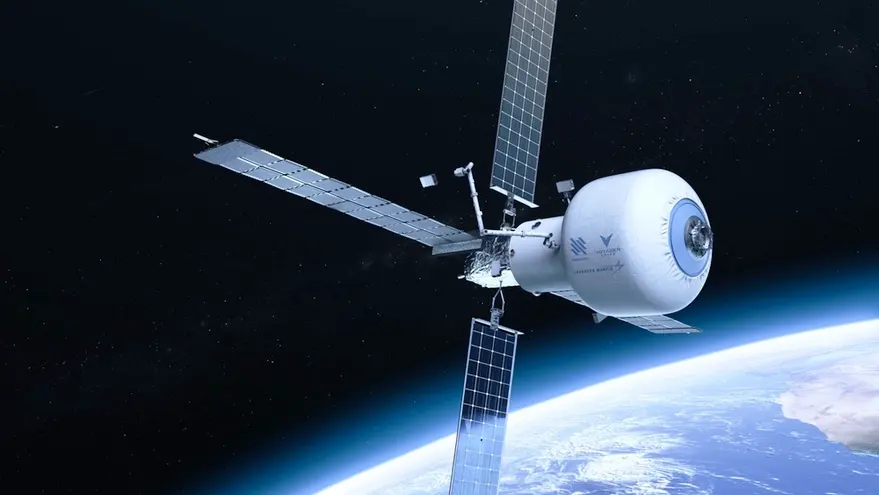
Airbus Defence and Space is joining a commercial space station project led by Voyager Space, a move that could potentially make it easier for European governments to use the station after the retirement of the International Space Station.
Payloads: BioNutrients-2: BioNutrients-2 Production Bags were hydrated and inspected. BioNutrients demonstrates a technology that enables on-demand production of human nutrients during long-duration space missions. The process uses engineered microbes, like yeast, to generate carotenoids from an edible media to supplement potential vitamin losses from food that is stored for very long periods. Specially-designed storage/growth packets …
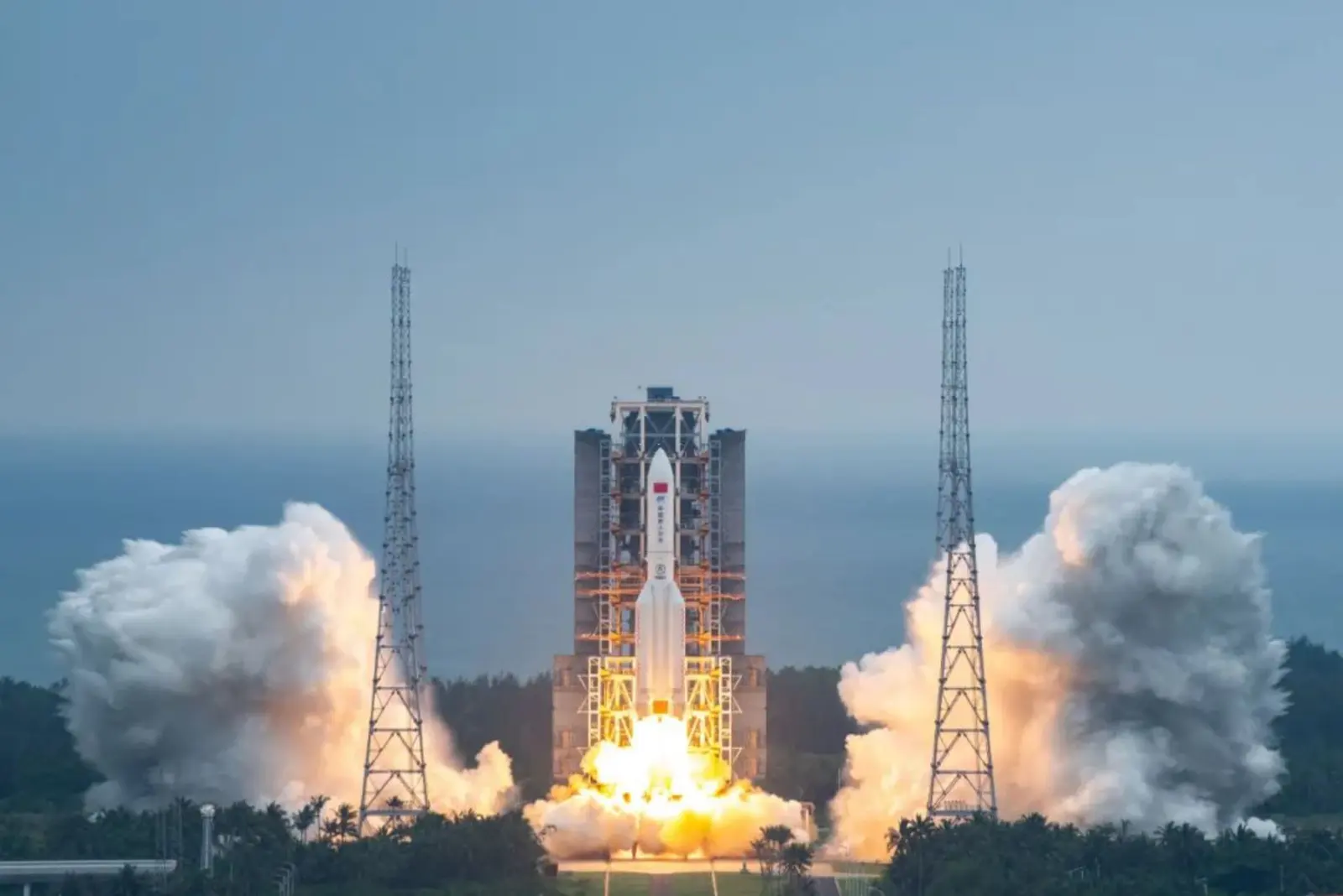
China is aiming to expand the use of its coastal Wenchang spaceport to both allow a greater overall launch rate and establish new facilities needed for crewed lunar missions.
SpaceX is reportedly planning to launch its first Starlink mission of 2023 from California’s Vandenberg Space Force Base. Next Spaceflight reports that...
SpaceX is targeting no earlier than January 12th for the fifth launch of Falcon Heavy, the largest and most powerful commercial rocket...
Summary supplied by Teslarati.
NASA
Apollo Astronaut Walter Cunningham Dies at 90
Source link unavailable
Read summary
Former astronaut Walter Cunningham, who flew into space on Apollo 7, the first flight with crew in NASA’s Apollo Program, died early Tuesday morning in Houston. He was 90 years old.
SpaceX’s first launch of the year hauled 114 small satellites into polar orbit for operators in 23 countries. Liftoff occurred at 9:56 a.m. EST (1456 GMT) Tuesday. The first stage of the Falcon 9 rocket returned to Cape Canaveral for landing about eight-and-a-half minutes later.
Summary supplied by Spaceflight Now.
NASA
NASA Awards Space and Earth Sciences Data Analysis-V Contract
Source link unavailable
Read summary
NASA has awarded the Space and Earth Sciences Data Analysis-V (SESDA-V) contract to ADNET Systems, Inc. of Bethesda, Maryland, to provide Earth and Space Science research and development at the agency’s Goddard Space Flight Center in Greenbelt, Maryland.
Payloads: BioNutrients-2: BioNutrients-2 Production Bags were hydrated, agitated, and incubated. BioNutrients demonstrates a technology that enables on-demand production of human nutrients during long-duration space missions. The process uses engineered microbes, like yeast, to generate carotenoids from an edible media to supplement potential vitamin losses from food that is stored for very long periods. Specially designed …
Despite a small funding increase for 2023, NASA’s planetary science programs still face “significant stress” financially that contributed to the delay of one mission and could push back the start of others.
SpaceX began another busy year with the launch of the Transporter-6 rideshare mission from Space Launch Complex 40 (SLC-40) at Cape Canaveral Space Force Station (CCSFS). The mission lifted off at 9:56 AM EST (14:56 UTC) on Tuesday, Jan. 3, 2023. Falcon 9’s first stage returned to land at Landing Zone-1 at CCSFS approximately eight and a half minutes after launch.
The 114 small satellites set for launch Tuesday on SpaceX’s first mission of the year include 36 spacecraft for Planet’s commercial remote sensing fleet, a space-based solar power experiment, and space tugs to piggyback payloads into different orbits.
The U.S. Space Force is preparing for as many as 87 launches from Florida’s Space Coast in 2023, including dozens more SpaceX missions and the expected debuts of United Launch Alliance’s Vulcan and Relativity’s Terran 1 rockets.
As Satellogic prepares to launch its latest imaging satellites, the company has slashed revenue projections, resulting in layoffs and delays in construction of a new factory.
SpaceX has shattered the record for launches in a calendar year by a single rocket type while making large strides toward getting the successor vehicle off the ground, despite a few struggles with Falcon 9 launch delays and Starship testing mishaps.
SpaceX launched its 61st and final mission of 2022 Thursday night from California, placing an Israeli Earth-imaging satellite into orbit and tying a 1980 record for the most successful flights by a rocket family in a single year.
With launch numbers 63 and 64 just before the end of this year, China finishes its most successful spaceflight year yet. Another Gaofen-11 launched from Taiyuan on a Chang Zheng 4B on Dec. 27 at 07:37 UTC, before the year was closed with the Shiyan 10-02 payload aboard a Chang Zheng 3B on Dec. 29 at 04:43 UTC, launching from the very busy Xichang Satellite Launch Center.
Payloads: Causal Analysis of Cardiorespiratory Coupling on the ISS (CARDIOBREATH): The crew donned the Bio-Monitor Garment and Headband. The crew then connected the equipment to both the Data Unit and the Bio-Monitor App for a 1.5 hr data collection during a CEVIS exercise session. Astronauts experience changes in their cardiovascular, respiratory, and musculoskeletal systems during …