
All payloads deployed, launch successful.
Update ↗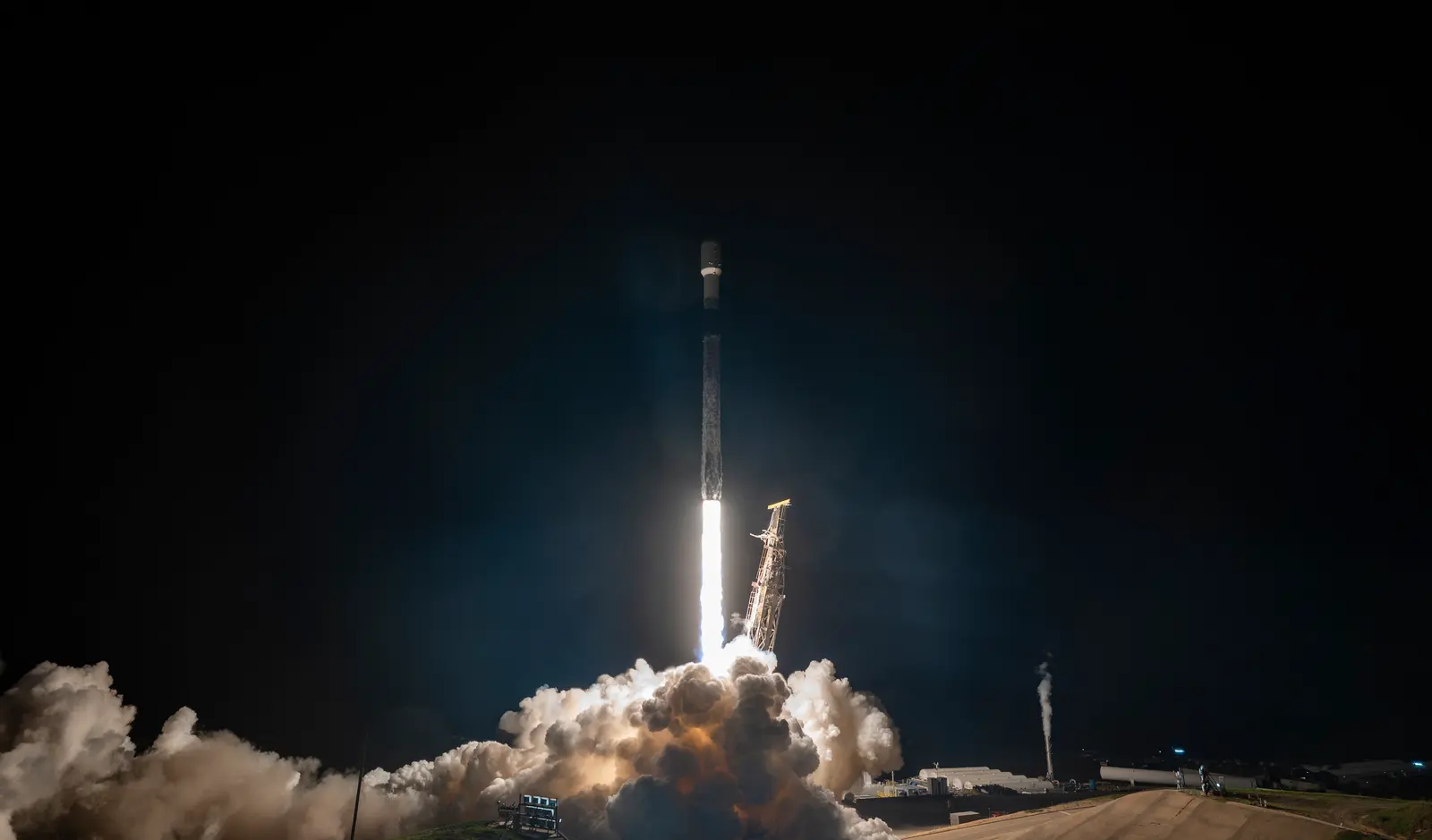
SpaceXLaunch Successful
Pandora / Twilight rideshare mission
Falcon 9 Block 5
Historical mission record
This page records Falcon 9 Block 5 | Pandora / Twilight rideshare mission and its reported outcome: Launch Successful. The date above is a historical record.
Source record updated . This is a source update, not a confirmed launch time.
Check the source: SpaceX ↗ · Launch Library ↗ · Flight Club ↗
The latest on this mission
What changed?
Mission status
Launch Successful
Status reported by the mission data provider.
LAUNCH SITEVandenberg SFB, CA, USA
Mission
The Pandora small satellite was selected in 2021 as an inaugural mission in NASA’s Astrophysics Pioneers Program. It includes a 0.45-meter telescope that will improve our understanding of exoplanet atmospheres by disentangling exoplanet signals from their host stars, as well as studying host star variability with long-duration observations of 20 unique planets through visible-light photometry and near-infrared spectroscopy. Also launching on this launch are 39 other ride-share payloads under the "Falcon 9 Twilight mission" manifested by Exolaunch, including satellites from Spire Global and Kepler Communications.
- Launch vehicle
- Falcon 9 Block 5
- Mission type
- Astrophysics
- Destination orbit
- Sun-Synchronous Orbit
- Launch pad
- Space Launch Complex 4E
- Provider
- SpaceX
- Recovery
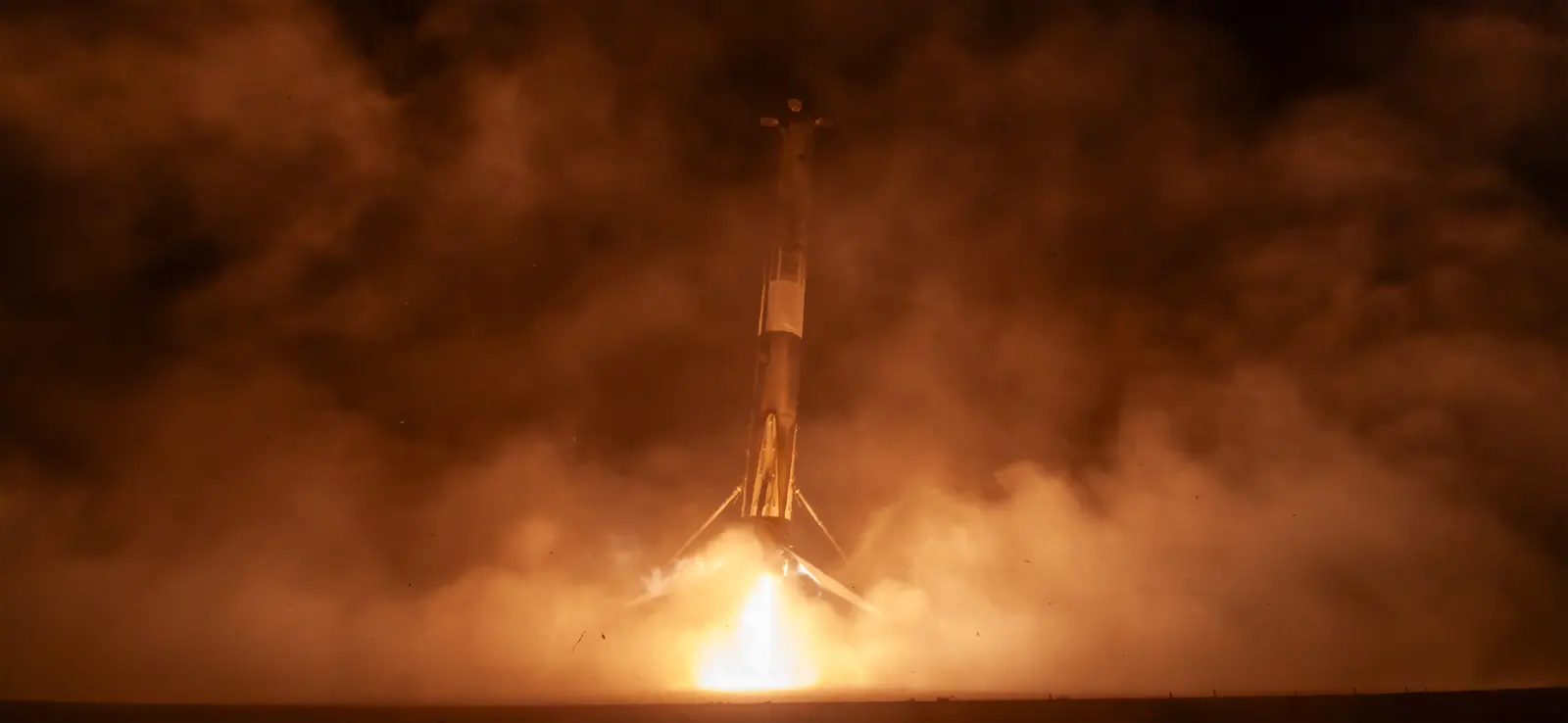
- Return to Launch Site, The Falcon 9 first stage B1097 has landed on Landing Zone 4 after its 5th flight. +1
The vehicle
Published configuration and flight history.
Launch vehicle
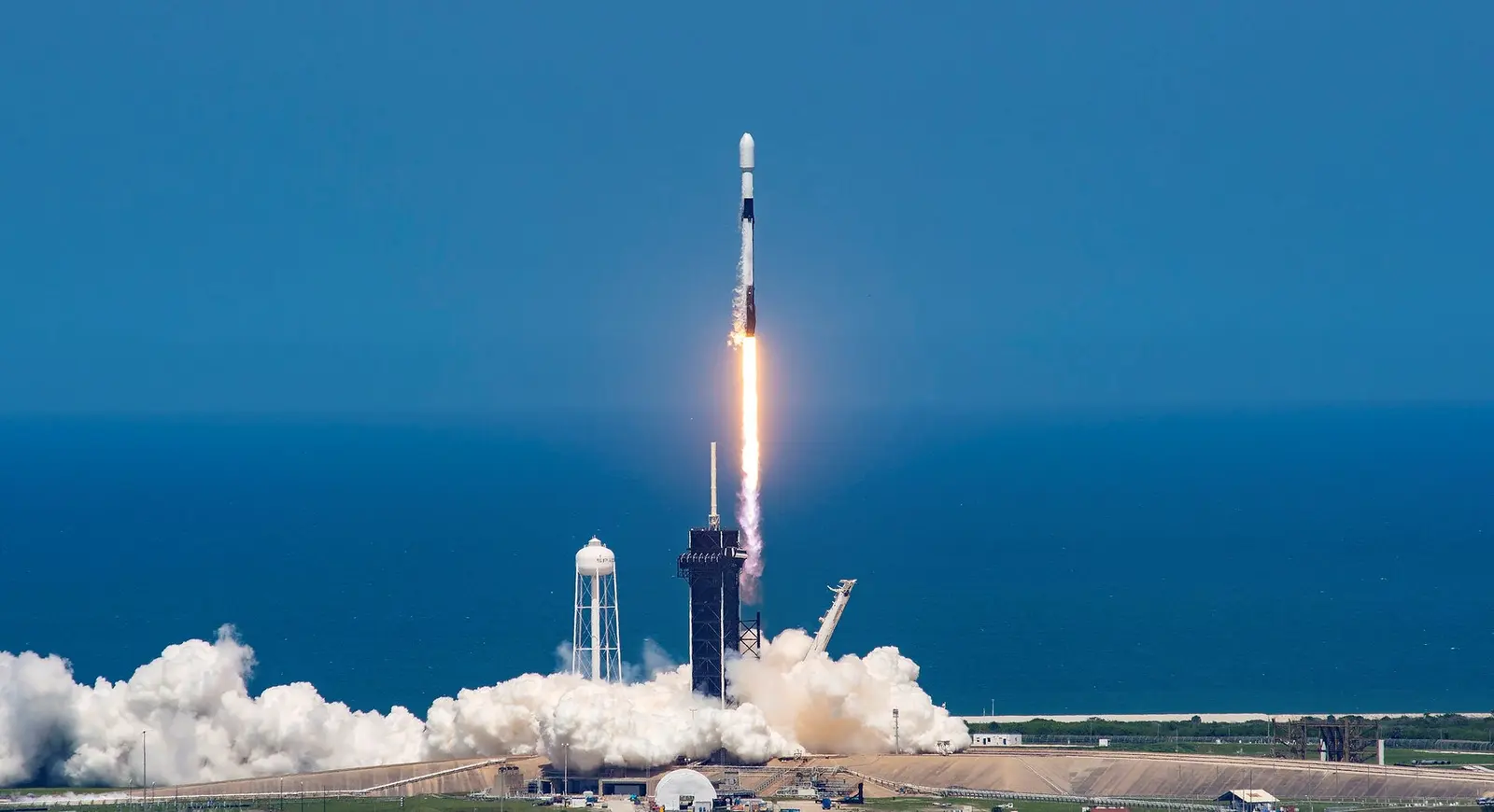
Falcon 9 Block 5
Falcon 9 is a two-stage rocket designed and manufactured by SpaceX for the reliable and safe transport of satellites and the Dragon spacecraft into orbit. The Block 5 variant is the fifth major interval aimed at improving upon the ability for rapid reusability.
- Height
- 70 m
- Diameter
- 3.65 m
- Stages
- 2
- Recorded launches
- 537
- First flight
- 2018-05-11
Recorded timing
This is a mission record, not an upcoming calendar appointment.
57 minute windowPublished target
WINDOW OPENS
WINDOW CLOSES
Target ·
The target marker shows its position within the published window. The schedule may change before launch.
Flight timeline
Planned sequence, not live telemetry. Times are relative to the launch target.
- T+00:01:12
Max-Q
- T+00:02:15
MECO
- T+00:02:18
Stage 2 Separation
- T+00:02:22
Stage 1 Flip
- T+00:02:26
SES-1
- T+00:02:32
Booster Boostback Burn Startup
Show the full sequence (23 events)
- T+00:02:56
Fairing Separation
- T+00:03:26
Booster Boostback Burn Shutdown
- T+00:06:08
Entry Burn Startup
- T+00:06:19
Entry Burn Shutdown
- T+00:07:16
Stage 1 Landing Burn
- T+00:07:34
Stage 1 Landing
- T+00:08:09
SECO-1
- T+00:56:55
SES-2
- T+00:56:56
SECO-2
- T+01:01:33
Payload Deployment Sequence Start
- T+01:08:22
Payload Deployment Sequence End
- T+01:43:04
SES-3
- T+01:43:05
SECO-3
- T+02:14:51
SES-4
- T+02:14:52
SECO-4
- T+02:19:56
Payload Deployment Sequence Start
- T+02:32:59
Payload Deployment Sequence End
Launch site & orbit
Vandenberg SFB, CA, USA
The mission in perspective
Launch site & orbit
Explore the launch pad, then pull back to see the shape of the destination orbit.
Understand this orbit
Coverage & sources
Links supplied by the mission data provider.
Coverage and times may change.
Explore on iPhone
Browse mission details and discover upcoming launches in Spacian.
Open mission in Spacian ↗