Saved Download on the App Store
← Back to launches
Delta 7326-9.5 | Genesis
United States Air ForceLaunch Successful

Genesis

Delta II 7326-9.5

Open watch mode ↗

Historical mission record

This page records Delta 7326-9.5 | Genesis and its reported outcome: Launch Successful. The date above is a historical record.

Source record updated . This is a source update, not a confirmed launch time.

Check the source: Launch Library ↗

How to read launch targets and status

Mission status
Launch Successful

Status reported by the mission data provider.

LAUNCH SITECape Canaveral SFS, FL, USA

Mission

Launch delayed from February 10 and July 30. The Genesis probe flew to the Earth-Sun L1 Lagrangian point and spend two years collecting samples of the solar wind. The collected samples were to be physically returned to Earth in a sample return capsule (air-snatch recovery was planned over Utah) and analysed in ground-based laboratories. On September 8, 2004, the Genesis space probe became the first spacecraft to return from beyond lunar orbit to the Earth's surface. The Genesis Sample Return Capsule separated from the spacecraft on September 8, 66,000 km above the Earth. The capsule successfully re-entered the atmosphere over Oregon at 11 km/s, but a wiring error resulted in the drogue parachute release mortar failing to fire at 33 km altitude. The capsule crashed to earth at 90 m/s in the Dugway Proving Ground at 40 07 40 N 113 30 29 W. Although the vehicle was smashed, some of the samples could be retrieved.

Launch vehicle
Delta II 7326-9.5
Mission type
Planetary Science
Destination orbit
Heliocentric L1
Launch pad
Space Launch Complex 17A
Provider
United States Air Force
Programs
Discovery Program

The vehicle

Published configuration and flight history.

Launch vehicle

Delta II 7326-9.5

Delta II was an expendable launch system, originally designed and built by McDonnell Douglas. Delta II was part of the Delta rocket family and entered service in 1989. Delta II vehicles included the Delta 6000, and the two later Delta 7000 variants ("Light" and "Heavy"). The rocket flew its final mission ICESat-2 on 15 September 2018, earning the launch vehicle a streak of 100 successful missions in a row, with the last failure being GPS IIR-1 in 1997.

Height
38.4 m
Diameter
2.44 m
Stages
4
Recorded launches
3
First flight
1998-10-24

Recorded timing

This is a mission record, not an upcoming calendar appointment.

Instantaneous windowPublished target
SCHEDULED MOMENT

A single scheduled moment. The schedule may change before launch.

Launch site & orbit

Cape Canaveral SFS, FL, USA

The mission in perspective

Launch site

DestinationHeliocentric L1

Explore the launch pad on Earth using its published coordinates.

Explore Earth’s orbits
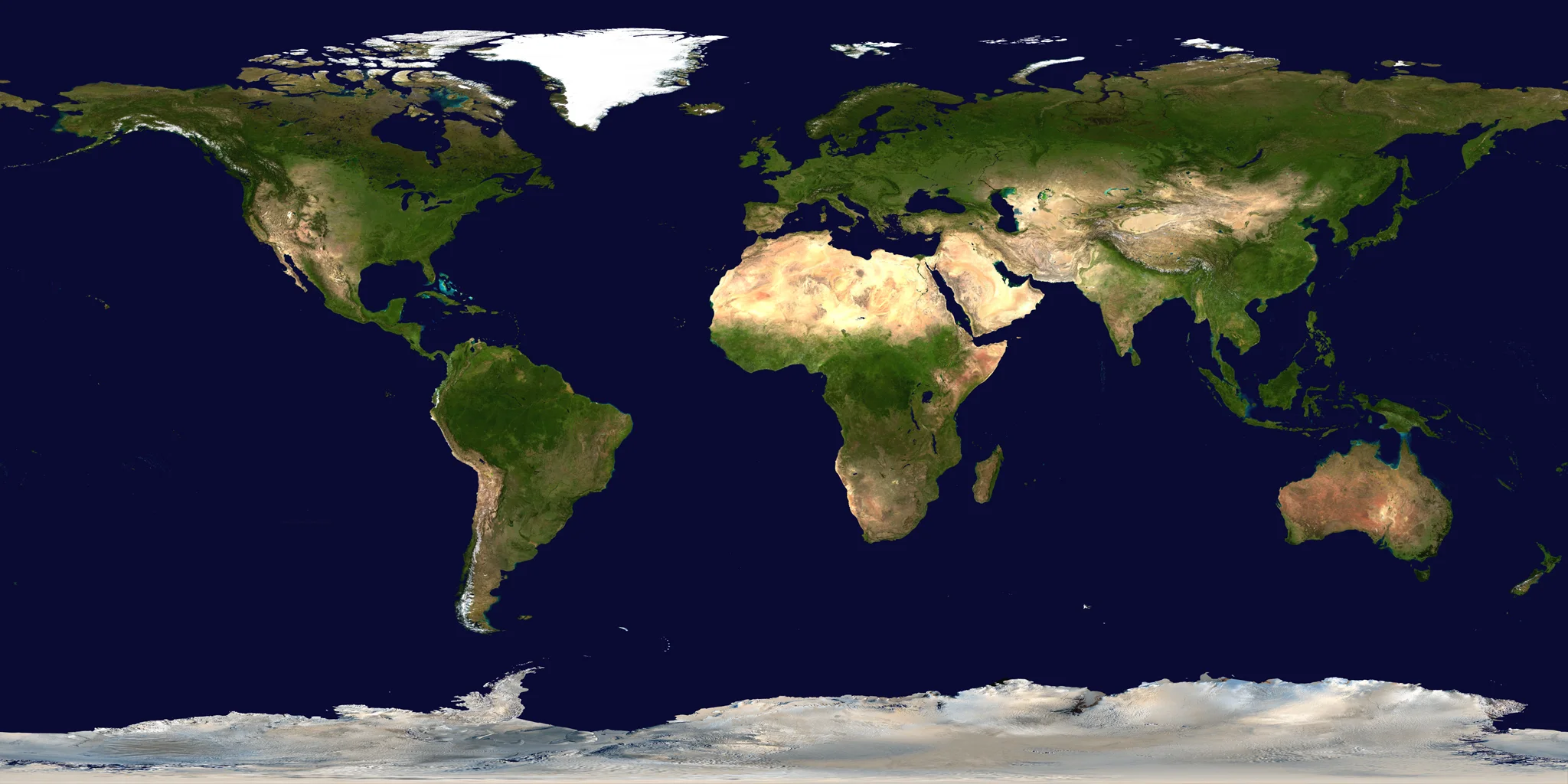
NASA Blue Marble map of Earth's continents and oceans
Geographic view · illustrative lightingNo live tracking or simulated ascent. NASA Blue Marble.

Coverage & sources

Links supplied by the mission data provider.
Coverage and times may change.

Mission coverage

No viewing link has been published yet.

Further reading

Launch Library ↗

Explore on iPhone

Browse mission details and discover upcoming launches in Spacian.

Open mission in Spacian ↗
Download on the App Store