
Launch success with satellite in contact.
Update ↗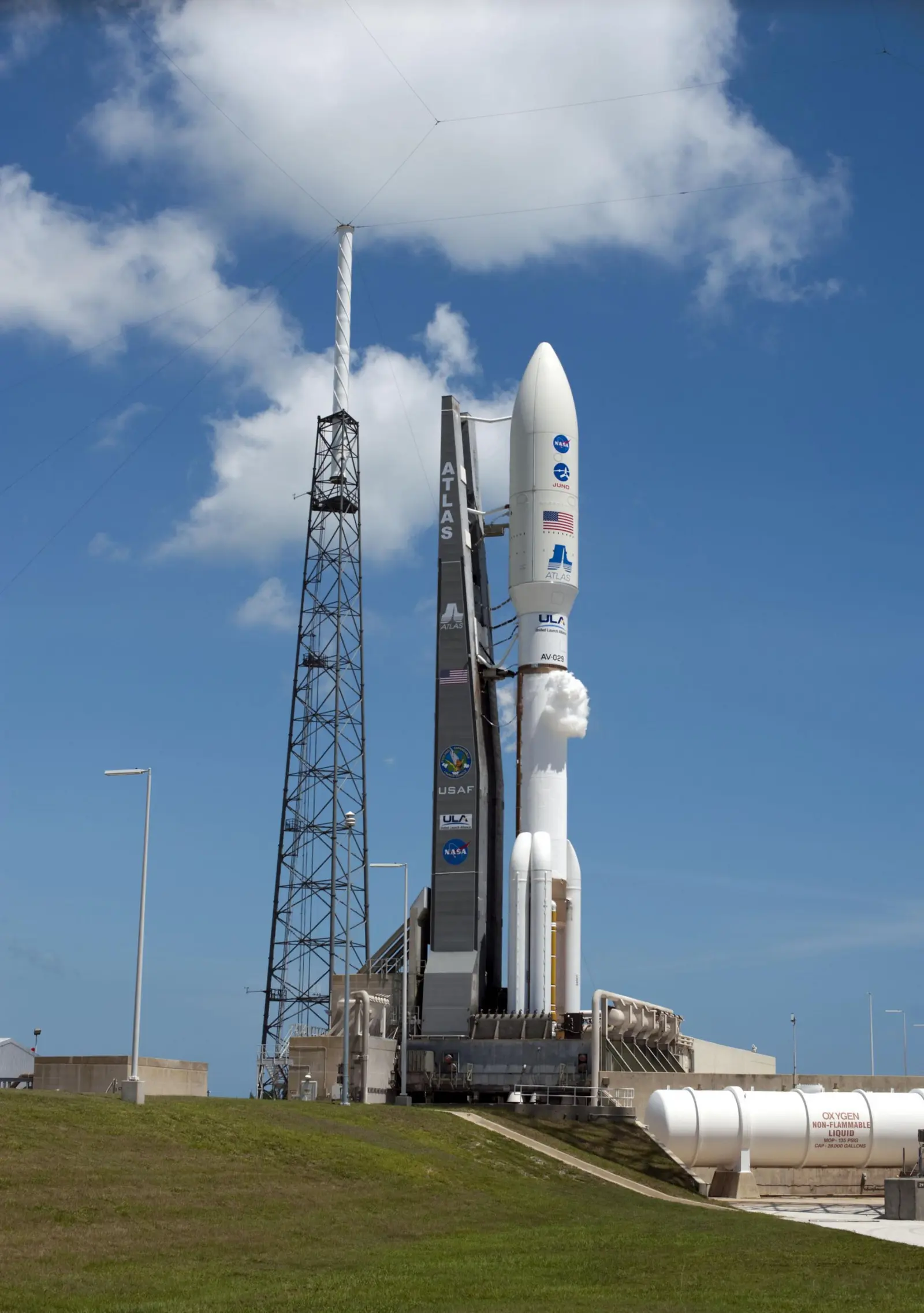
United Launch AllianceLaunch Successful
ViaSat-3 F2 (ViaSat-3 EMEA)
Atlas V 551
Historical mission record
This page records Atlas V 551 | ViaSat-3 F2 (ViaSat-3 EMEA) and its reported outcome: Launch Successful. The date above is a historical record.
Source record updated . This is a source update, not a confirmed launch time.
Check the source: Atlas V ViaSat-3 F2 ↗ · Launch Library ↗ · Flight Club ↗
Mission status
Launch Successful
Status reported by the mission data provider.
LAUNCH SITECape Canaveral SFS, FL, USA
Mission
The ViaSat-3 is a series of three Ka-band satellites is expected to provide vastly superior capabilities in terms of service speed and flexibility for a satellite platform. Each ViaSat-3 class satellite is expected to deliver more than 1-Terabit per second of network capacity, and to leverage high levels of flexibility to dynamically direct capacity to where customers are located.
- Launch vehicle
- Atlas V 551
- Mission type
- Communications
- Destination orbit
- Geostationary Transfer Orbit
- Launch pad
- Space Launch Complex 41
- Provider
- United Launch Alliance
The vehicle
Published configuration and flight history.
Launch vehicle
Atlas V 551
Atlas V is an expendable launch system in the Atlas rocket family. It was formerly operated by Lockheed Martin and is now operated by United Launch Alliance (ULA), a joint venture with Boeing. Each Atlas V rocket uses a Russian-built RD-180 engine burning kerosene and liquid oxygen to power its first stage and an American-built RL10 engine burning liquid hydrogen and liquid oxygen to power its Centaur upper stage. The RD-180 engines are provided by RD Amross, while Aerojet Rocketdyne provides both the RL10 engines and the strap-on boosters used in some configurations. The standard payload fairing sizes are 4 or 5 meters in diameter and of various lengths. Fairings sizes as large as 7.2 m in diameter and up to 32.3 m in length have been considered. The rocket is assembled in Decatur, Alabama and Harlingen, Texas.
- Height
- 59.7 m
- Diameter
- 3.8 m
- Stages
- 2
- Recorded launches
- 19
- First flight
- 2006-01-19
Recorded timing
This is a mission record, not an upcoming calendar appointment.
44 minute windowPublished target
WINDOW OPENS
WINDOW CLOSES
Target ·
The target marker shows its position within the published window. The schedule may change before launch.
Flight timeline
Planned sequence, not live telemetry. Times are relative to the launch target.
- T−00:00:02
Ignition
- T+00:00:01
Liftoff
- T+00:00:54
Max-Q
- T+00:01:46
SRB Separation
- T+00:03:14
Fairing Separation
- T+00:04:23
MECO
Show the full sequence (14 events)
- T+00:04:29
Stage 2 Separation
- T+00:04:39
SES-1
- T+00:11:35
SECO-1
- T+00:21:34
SES-2
- T+00:26:55
SECO-2
- T+03:26:00
SES-3
- T+03:29:08
SECO-3
- T+03:32:23
Payload Separation
Launch site & orbit
Cape Canaveral SFS, FL, USA
The mission in perspective
Launch site & orbit
Explore the launch pad, then pull back to see the shape of the destination orbit.
Understand this orbit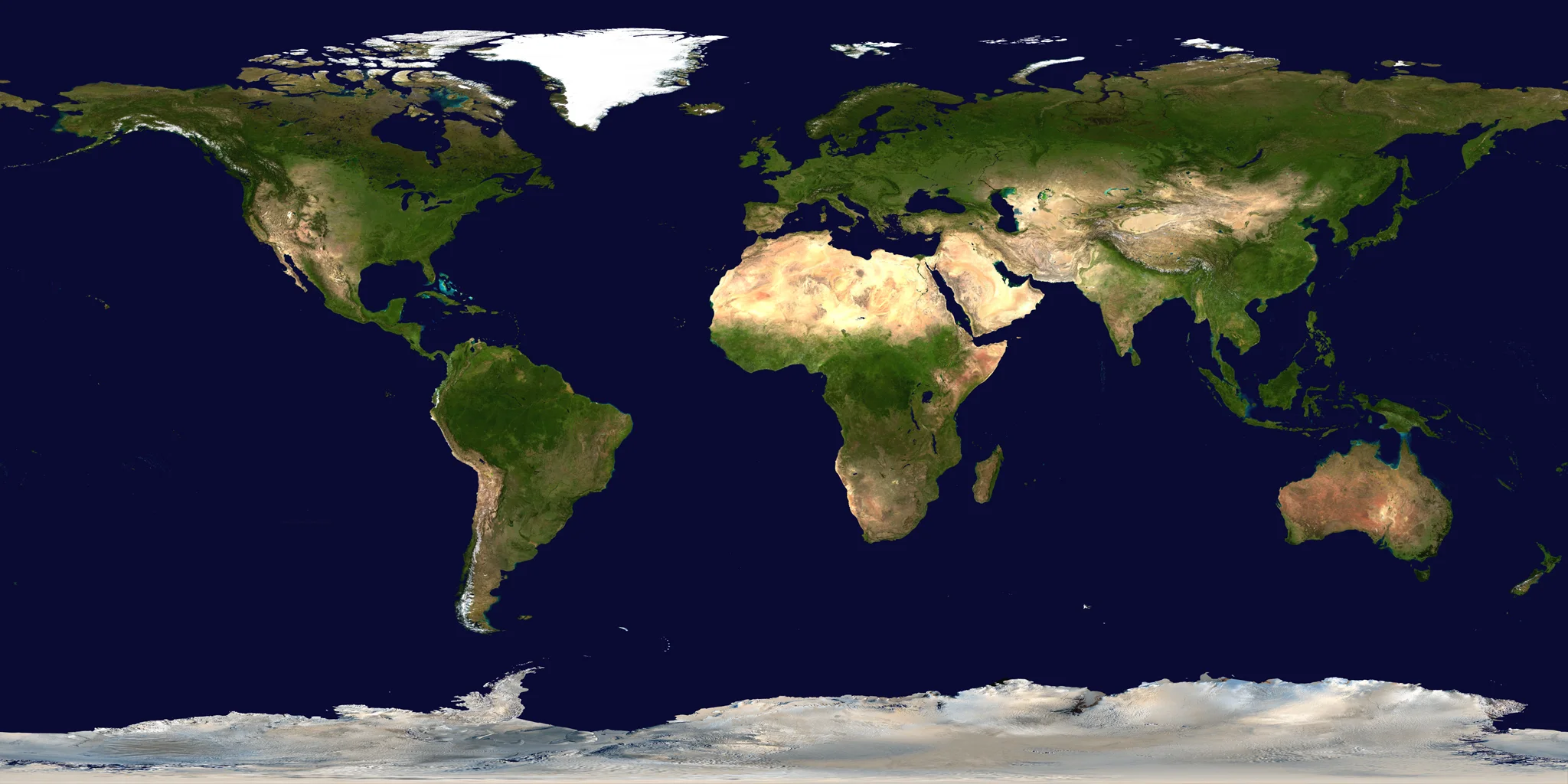
Coverage & sources
Links supplied by the mission data provider.
Coverage and times may change.
Explore on iPhone
Browse mission details and discover upcoming launches in Spacian.
Open mission in Spacian ↗