Launch target updated
Previous target
Current target
Recorded by Spacian . Mission source ↗
 Saved 0

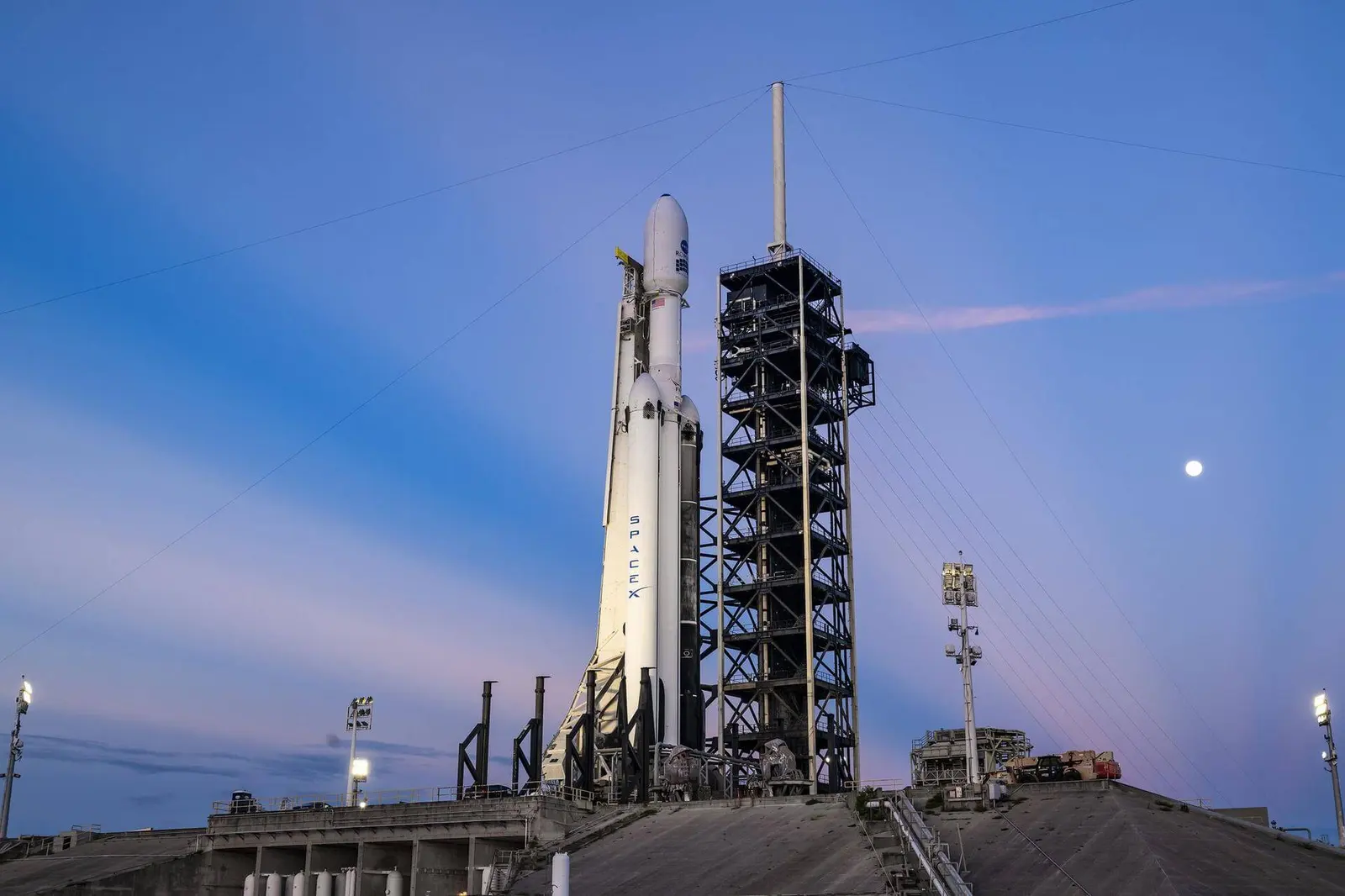
Falcon Heavy
This page records Falcon Heavy | Nancy Grace Roman Space Telescope and its reported outcome: Launch Successful. The date above is a historical record.
Source record updated . This is a source update, not a confirmed launch time.
Check the source: SpaceX ↗ · Launch Library ↗ · Flight Club ↗
Recorded by Spacian . Mission source ↗
Status reported by the mission data provider.
The Nancy Grace Roman Space Telescope is a NASA infrared space telescope with a 2.4 m (7.9 ft) wide field of view primary mirror and two scientific instruments. The Wide-Field Instrument (WFI) is a 300.8-megapixel multi-band visible and near-infrared camera, providing a sharpness of images comparable to that achieved by the Hubble Space Telescope over a 0.28 square degree field of view, 100 times larger than imaging cameras on the Hubble. The Coronagraphic Instrument (CGI) is a high-contrast, small field of view camera and spectrometer covering visible and near-infrared wavelengths using novel starlight-suppression technology. Roman objectives include a search for extra-solar planets using gravitational microlensing, and probing the expansion history of the Universe and the growth of cosmic structure, with the goal of measuring the effects of dark energy, the consistency of general relativity, and the curvature of spacetime.
Published configuration and flight history.
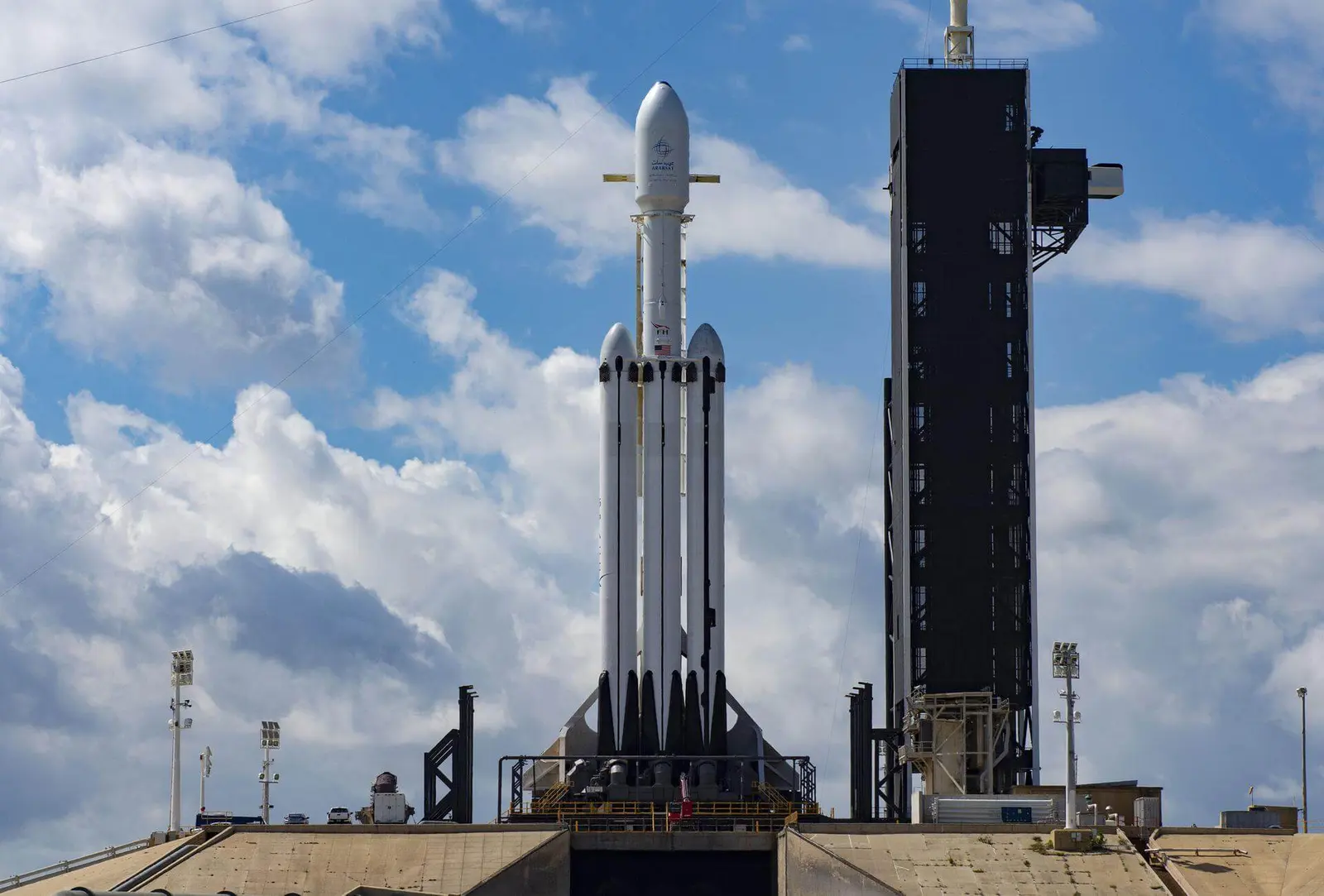
The Falcon Heavy is a variant of the Falcon 9 full thrust launch vehicle and consists of a standard Falcon 9 rocket core, with two additional boosters derived from the Falcon 9 first stage.
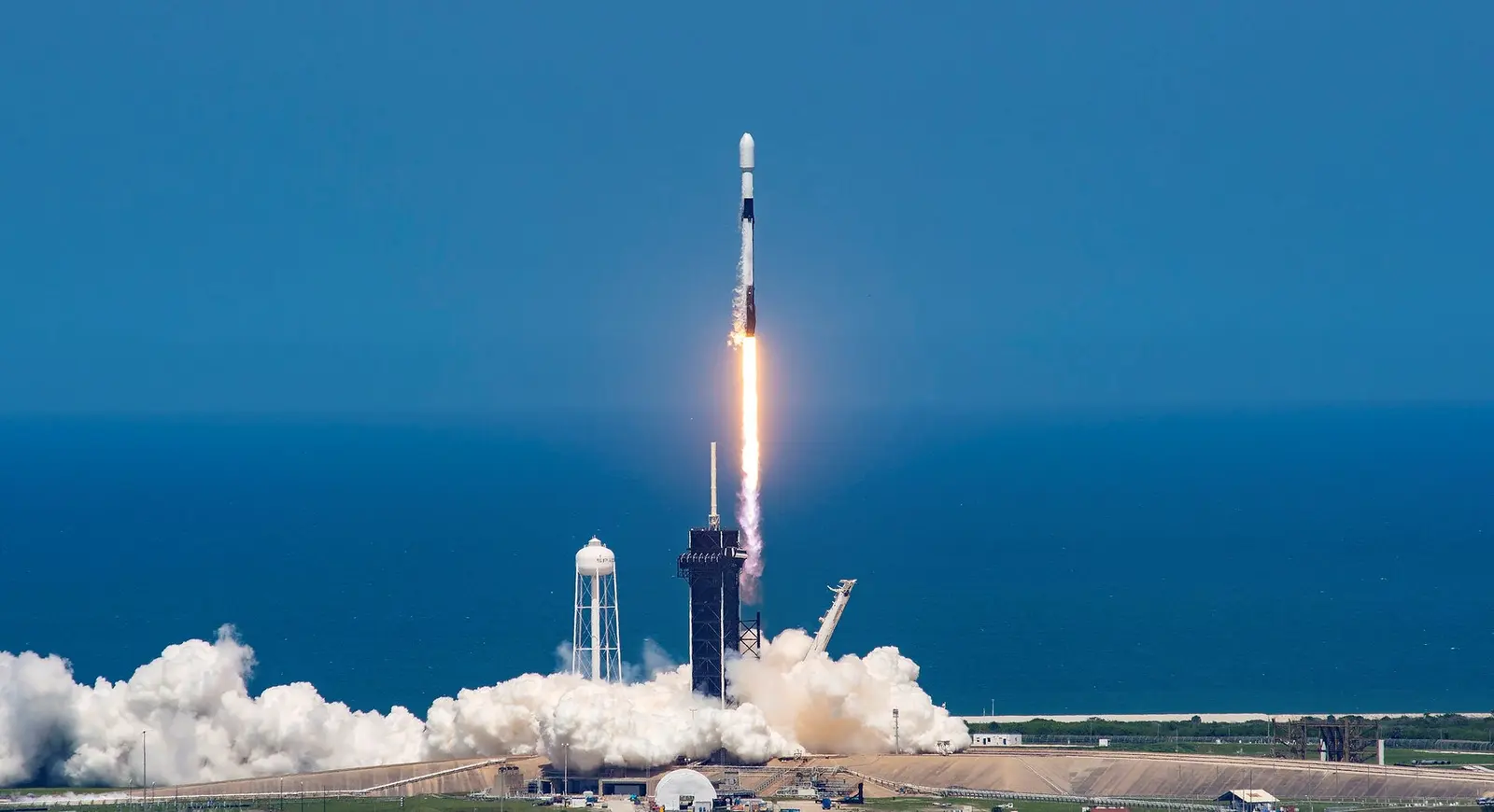
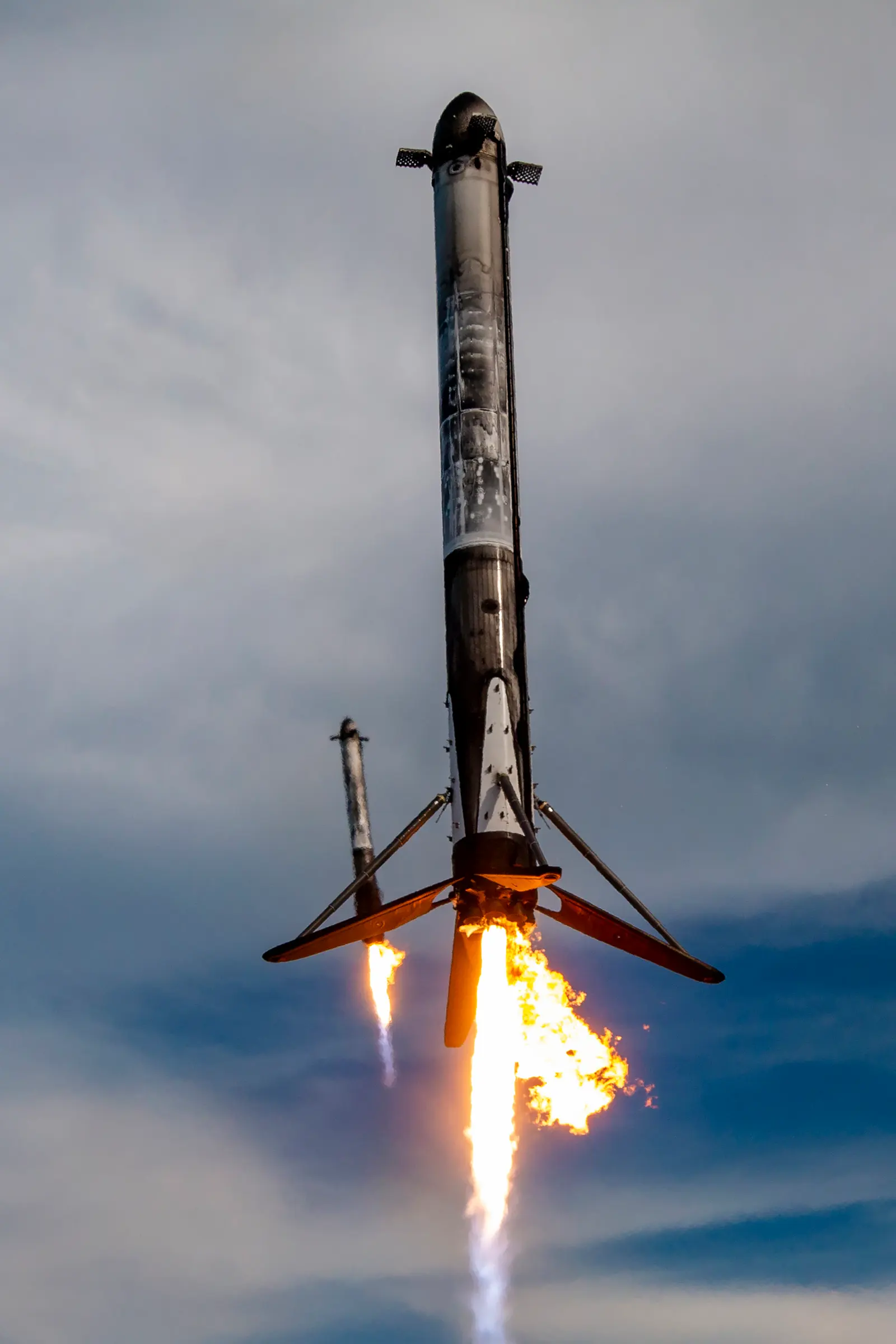
This is a mission record, not an upcoming calendar appointment.
Target ·
The target marker shows its position within the published window. The schedule may change before launch.
Cumulus Cloud Rule, Surface Electric Fields Rule
Planned sequence, not live telemetry. Times are relative to the launch target.
Kennedy Space Center, FL, USA
Explore the launch pad on Earth using its published coordinates.
Explore Earth’s orbits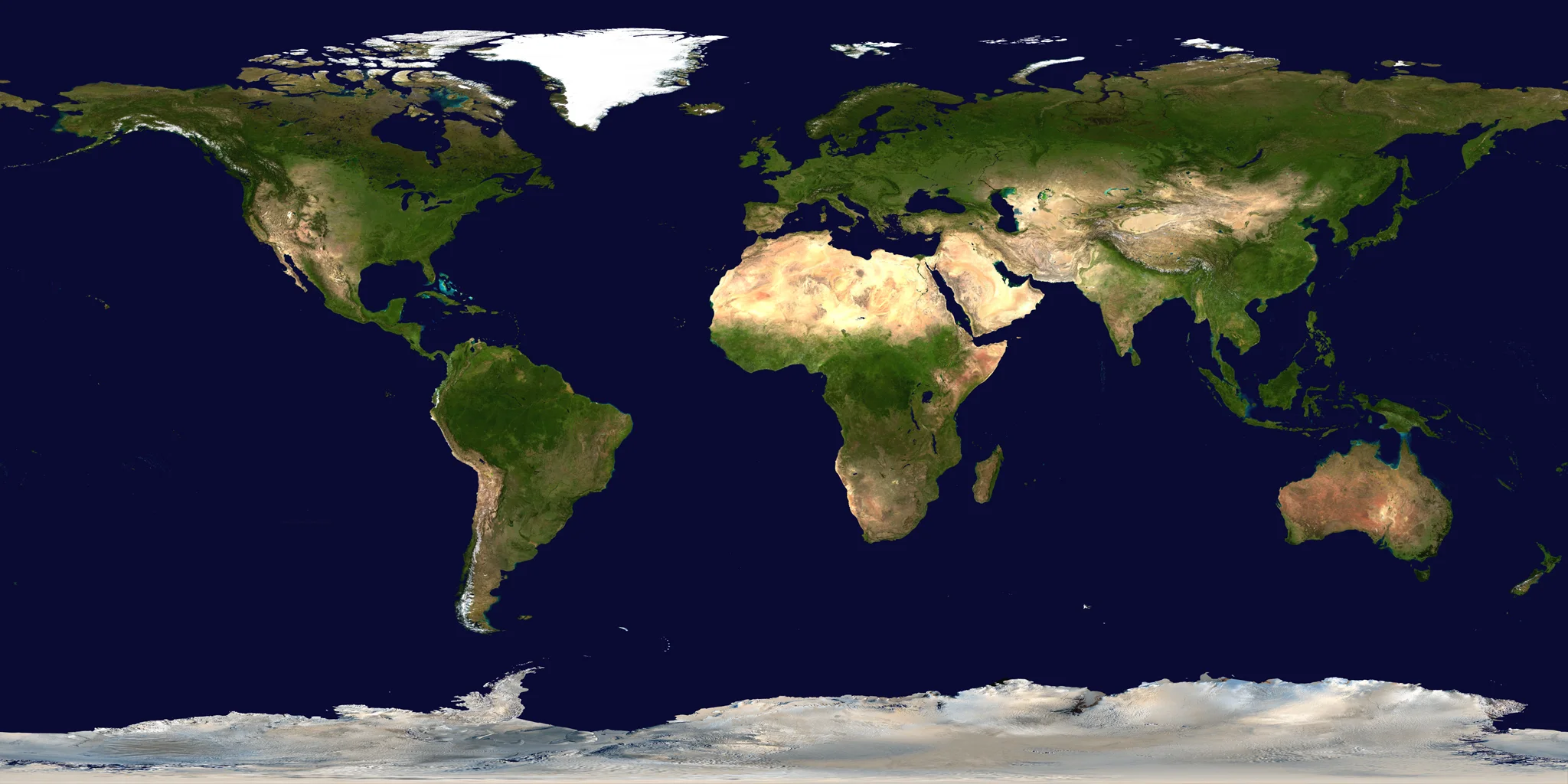
Links supplied by the mission data provider.
Coverage and times may change.
Browse mission details and discover upcoming launches in Spacian.
Open mission in Spacian ↗