
Launch success.
Update ↗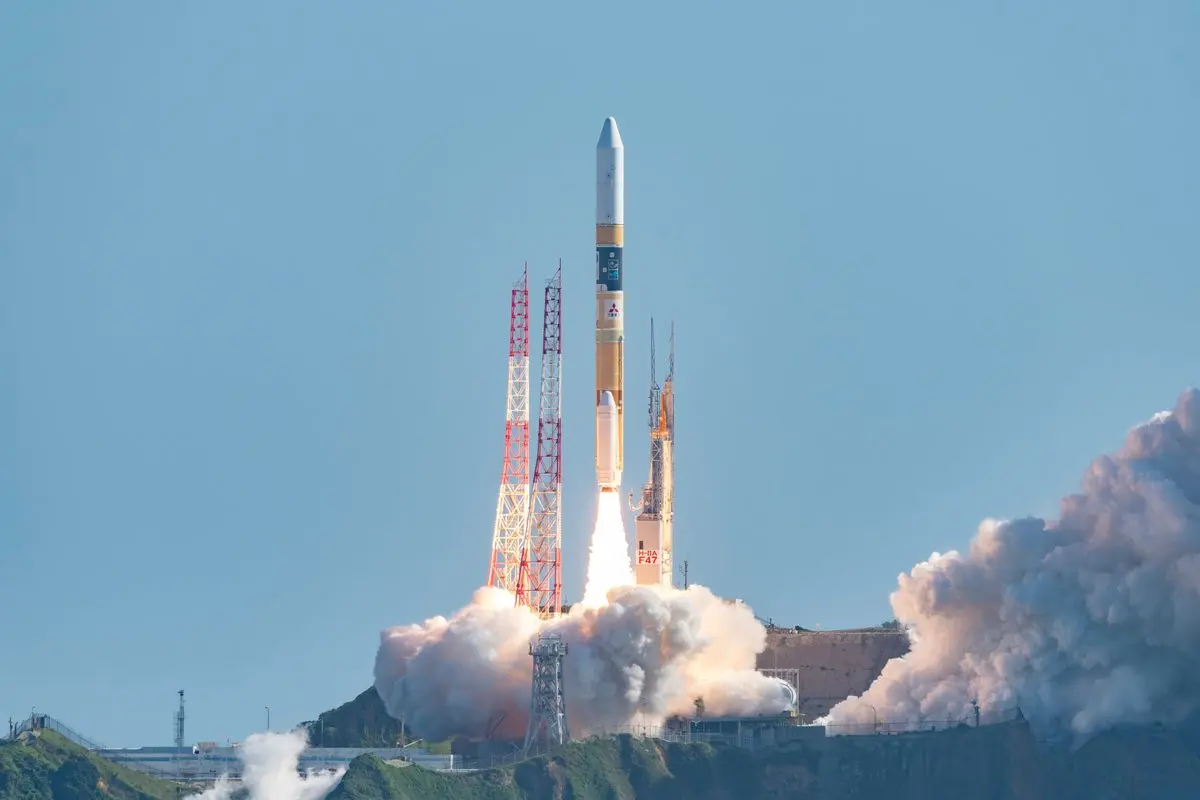
Mitsubishi Heavy IndustriesLaunch Successful
QZS-1R
H-IIA 202
Historical mission record
This page records H-IIA 202 | QZS-1R and its reported outcome: Launch Successful. The date above is a historical record.
Source record updated . This is a source update, not a confirmed launch time.
Check the source: Japan prepared to launch H-IIA with QZS-1R satellite ↗ · Launch Library ↗
The latest on this mission
What changed?
Mission status
Launch Successful
Status reported by the mission data provider.
LAUNCH SITETanegashima Space Center, Japan
Mission
The Quasi-Zenith Satellite System (QZSS) is a three-satellite regional time transfer system and the satellite-based augmentation system for the GPS that would be receivable within Japan. The primary purpose of QZSS is to increase the availability of GPS in Japan's numerous urban canyons, where only satellites at very high elevation can be seen. A secondary function is performance enhancement, increasing the accuracy and reliability of GPS derived navigation solutions. QZS-1R is a replacement satellite for QZS-1 which was launched in 2010.
- Launch vehicle
- H-IIA 202
- Mission type
- Navigation
- Destination orbit
- Geosynchronous Transfer Orbit
- Launch pad
- Yoshinobu Launch Complex LP-1
- Provider
- Mitsubishi Heavy Industries
The vehicle
Published configuration and flight history.
Launch vehicle
H-IIA 202
H-IIA (H2A) is an active expendable launch system operated by Mitsubishi Heavy Industries (MHI) for the Japan Aerospace Exploration Agency. The liquid-fueled H-IIA rockets have been used to launch satellites into geostationary orbit, to launch a lunar orbiting spacecraft, and to launch Akatsuki, which studied the planet Venus. Launches occur at the Tanegashima Space Center.
- Height
- 53 m
- Diameter
- 4 m
- Stages
- 2
- Recorded launches
- 35
- First flight
- 2001-08-29
Recorded timing
This is a mission record, not an upcoming calendar appointment.
15 minute windowPublished target
WINDOW OPENS
WINDOW CLOSES
Target ·
The target marker shows its position within the published window. The schedule may change before launch.
Launch site & orbit
Tanegashima Space Center, Japan
The mission in perspective
Launch site & orbit
Explore the launch pad, then pull back to see the shape of the destination orbit.
Understand this orbit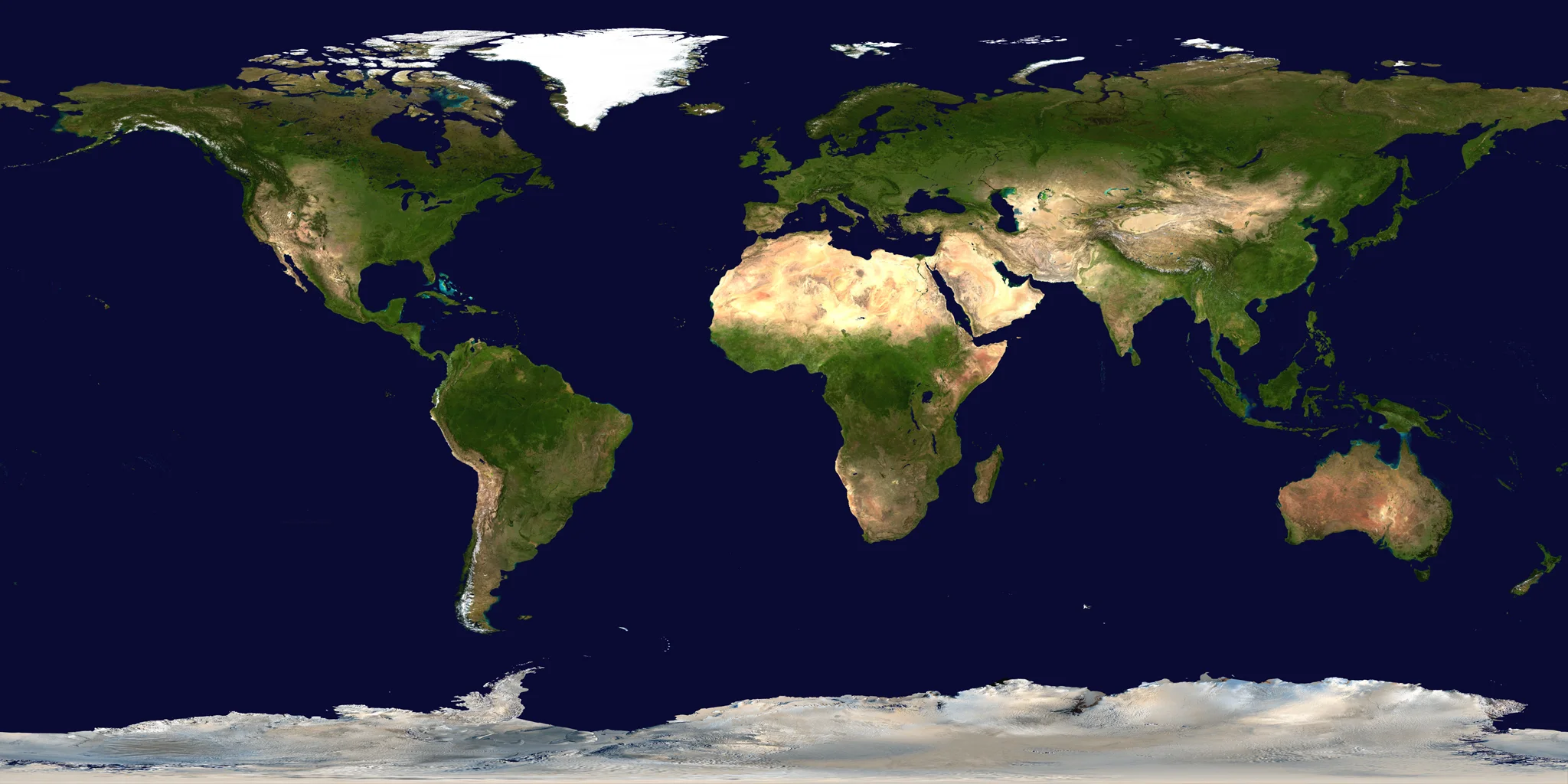
Coverage & sources
Links supplied by the mission data provider.
Coverage and times may change.
Explore on iPhone
Browse mission details and discover upcoming launches in Spacian.
Open mission in Spacian ↗