
Launch success.
Update ↗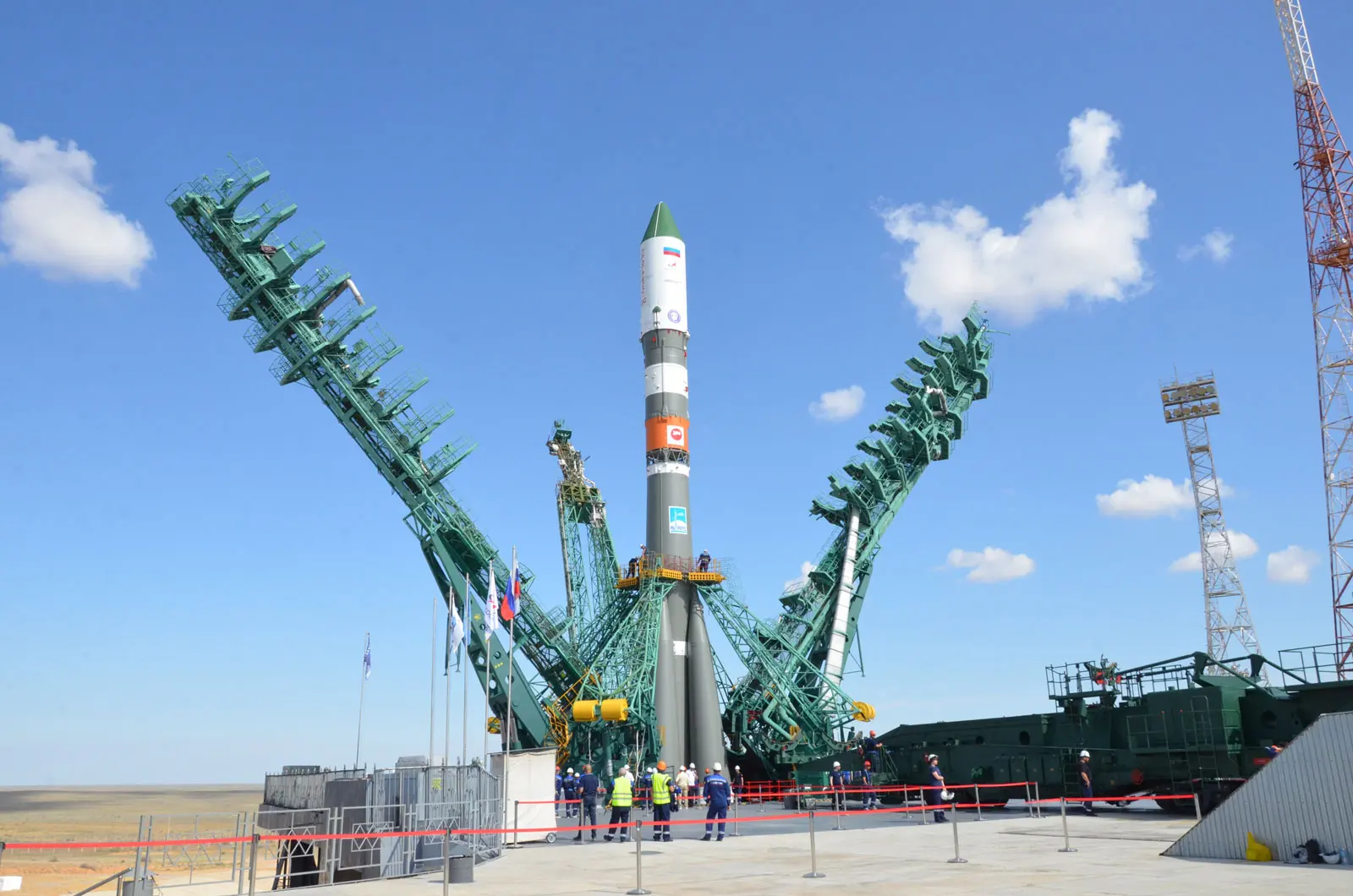
Russian Federal Space Agency (ROSCOSMOS)Launch Successful
Obzor-R No.1
Soyuz 2.1a
Historical mission record
This page records Soyuz 2.1a | Obzor-R No.1 and its reported outcome: Launch Successful. The date above is a historical record.
Source record updated . This is a source update, not a confirmed launch time.
Check the source: Launch Library ↗
Mission status
Launch Successful
Status reported by the mission data provider.
LAUNCH SITEPlesetsk Cosmodrome, Russian Federation
Mission
Note: Assignment of payloads to this launch is uncertain. The Russian Obzor-R satellite is a planned X-band radar earth observation satellite designed by TsSKB-Progress. In 2012, the development of the Arkon-2M radar satellite was stopped and instead the development of the Obzor-R was initiated. The satellite features the BRLK X-band Synthetic Aperture Radar as the imaging instrument with a ground resolution of 500 m.
- Launch vehicle
- Soyuz 2.1a
- Mission type
- Earth Science
- Destination orbit
- Sun-Synchronous Orbit
- Launch pad
- 43/4 (43R)
- Provider
- Russian Federal Space Agency (ROSCOSMOS)
The vehicle
Published configuration and flight history.
Launch vehicle
Soyuz 2.1a
The Soyuz 2.1A converted the flight control system from analog to digital, which allowed launch from fixed platforms. It also allowed big fairings and payloads. It is currently used for crewed Soyuz and Progress flights to the ISS.
- Height
- 46.3 m
- Diameter
- 2.95 m
- Stages
- 3
- Recorded launches
- 55
- First flight
- 2004-11-04
Recorded timing
This is a mission record, not an upcoming calendar appointment.
1h windowPublished target
WINDOW OPENS
WINDOW CLOSES
Target ·
The target marker shows its position within the published window. The schedule may change before launch.
Launch site & orbit
Plesetsk Cosmodrome, Russian Federation
The mission in perspective
Launch site & orbit
Explore the launch pad, then pull back to see the shape of the destination orbit.
Understand this orbit
Coverage & sources
Links supplied by the mission data provider.
Coverage and times may change.
Mission coverage
Russian Federal Space Agency (ROSCOSMOS) Obzor-R No.1 ↗Further reading
Launch Library ↗Explore on iPhone
Browse mission details and discover upcoming launches in Spacian.
Open mission in Spacian ↗