← Back to launches
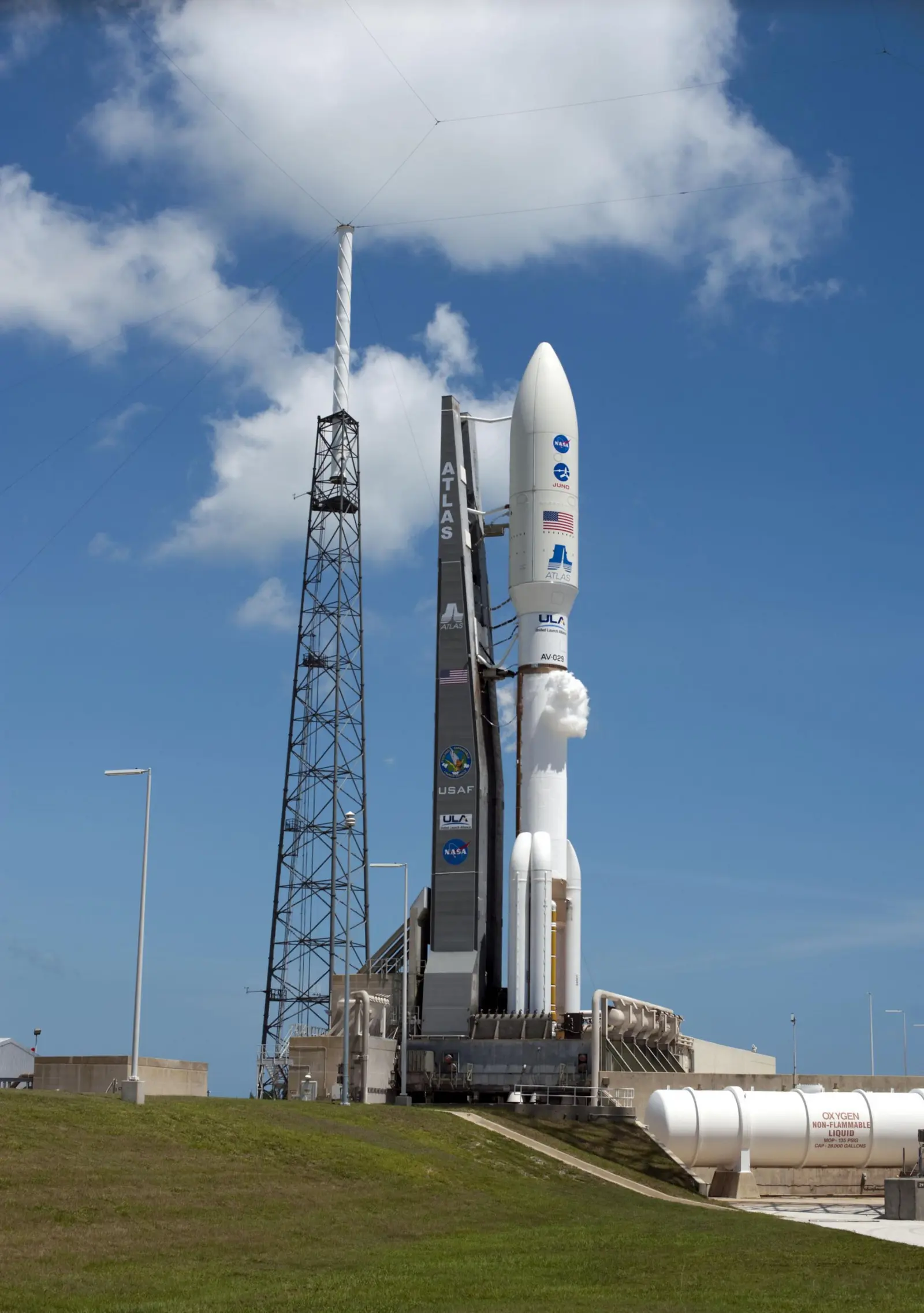
Atlas V 551 | New Horizons
United Launch AllianceLaunch Successful

New Horizons

Atlas V 551

Open watch mode ↗

Historical mission record

This page records Atlas V 551 | New Horizons and its reported outcome: Launch Successful. The date above is a historical record.

Source record updated . This is a source update, not a confirmed launch time.

Check the source: Launch Library ↗

How to read launch targets and status

Mission status
Launch Successful

Status reported by the mission data provider.

LAUNCH SITECape Canaveral SFS, FL, USA

Mission

New Horizons is an interplanetary space probe that was launched as a part of NASA's New Frontiers program. Engineered by the Johns Hopkins University Applied Physics Laboratory (APL) and the Southwest Research Institute (SwRI), with a team led by S. Alan Stern, the spacecraft was launched in 2006 with the primary mission to perform a flyby study of the Pluto system in 2015, and a secondary mission to fly by and study one or more other Kuiper belt objects (KBOs) in the decade to follow. It is the fifth artificial object to achieve the escape velocity needed to leave the Solar System.

Launch vehicle
Atlas V 551
Mission type
Robotic Exploration
Destination orbit
Solar Escape Trajectory
Launch pad
Space Launch Complex 41
Provider
United Launch Alliance

The vehicle

Published configuration and flight history.

Atlas V 551
Launch vehicle

Atlas V 551

Atlas V is an expendable launch system in the Atlas rocket family. It was formerly operated by Lockheed Martin and is now operated by United Launch Alliance (ULA), a joint venture with Boeing. Each Atlas V rocket uses a Russian-built RD-180 engine burning kerosene and liquid oxygen to power its first stage and an American-built RL10 engine burning liquid hydrogen and liquid oxygen to power its Centaur upper stage. The RD-180 engines are provided by RD Amross, while Aerojet Rocketdyne provides both the RL10 engines and the strap-on boosters used in some configurations. The standard payload fairing sizes are 4 or 5 meters in diameter and of various lengths. Fairings sizes as large as 7.2 m in diameter and up to 32.3 m in length have been considered. The rocket is assembled in Decatur, Alabama and Harlingen, Texas.

Height
59.7 m
Diameter
3.8 m
Stages
2
Recorded launches
19
First flight
2006-01-19

Recorded timing

This is a mission record, not an upcoming calendar appointment.

Instantaneous windowPublished target
SCHEDULED MOMENT

A single scheduled moment. The schedule may change before launch.

Launch site & orbit

Cape Canaveral SFS, FL, USA

The mission in perspective

Launch site

DestinationSolar Escape Trajectory

Explore the launch pad on Earth using its published coordinates.

Explore Earth’s orbits
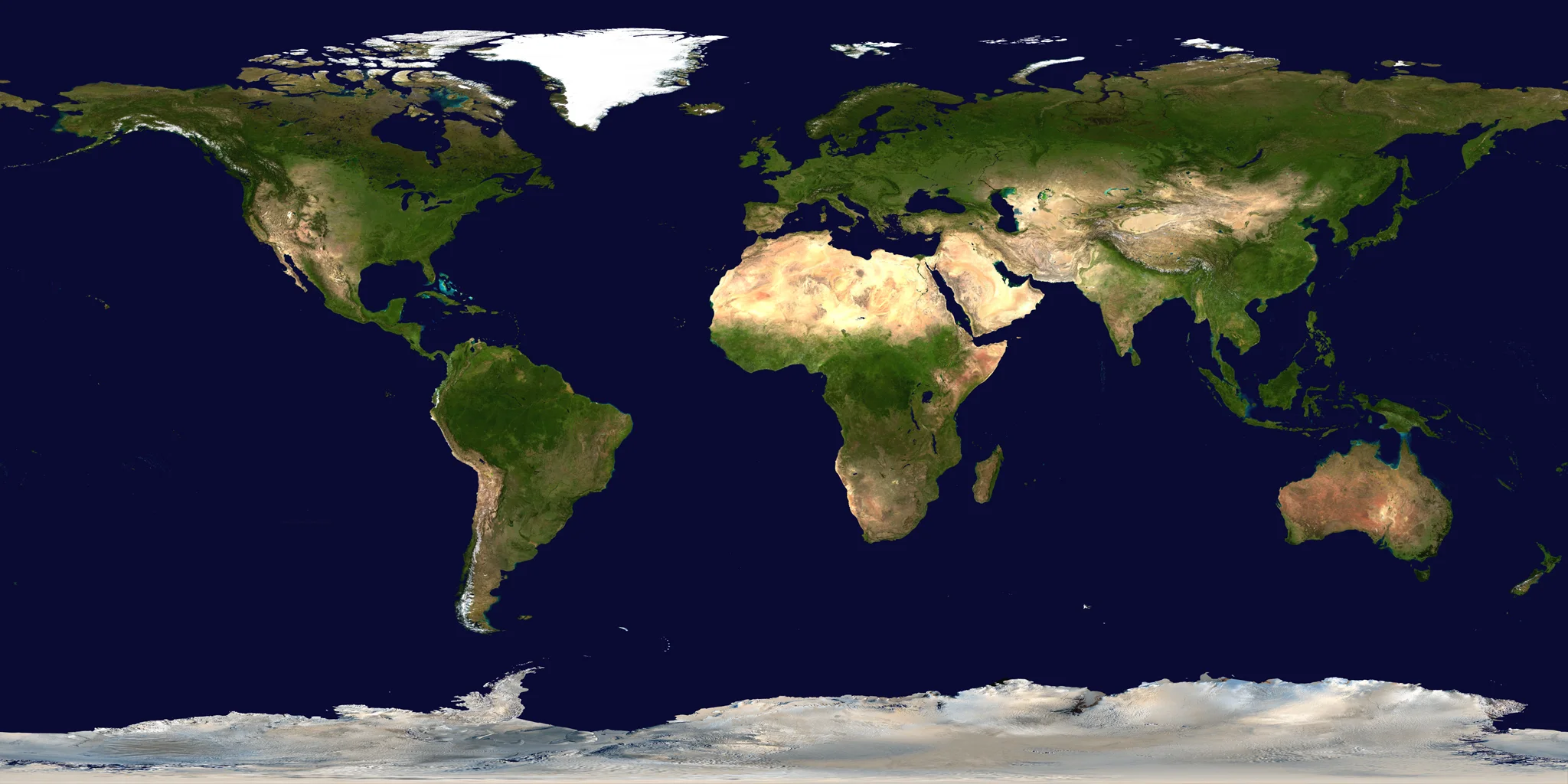
NASA Blue Marble map of Earth's continents and oceans
Geographic view · illustrative lightingNo live tracking or simulated ascent. NASA Blue Marble.

Coverage & sources

Links supplied by the mission data provider.
Coverage and times may change.

Mission coverage

No viewing link has been published yet.

Further reading

Launch Library ↗

Explore on iPhone

Browse mission details and discover upcoming launches in Spacian.

Open mission in Spacian ↗
Download on the App Store