Saved Download on the App Store
← Back to launches
Saturn IB | Apollo-Soyuz Test Project
National Aeronautics and Space AdministrationLaunch Successful

Apollo-Soyuz Test Project

Saturn IB

Historical mission record

This page records Saturn IB | Apollo-Soyuz Test Project and its reported outcome: Launch Successful. The date above is a historical record.

Source record updated . This is a source update, not a confirmed launch time.

Check the source: Launch Library ↗

How to read launch targets and status

Mission status
Launch Successful

Status reported by the mission data provider.

LAUNCH SITEKennedy Space Center, FL, USA

Mission

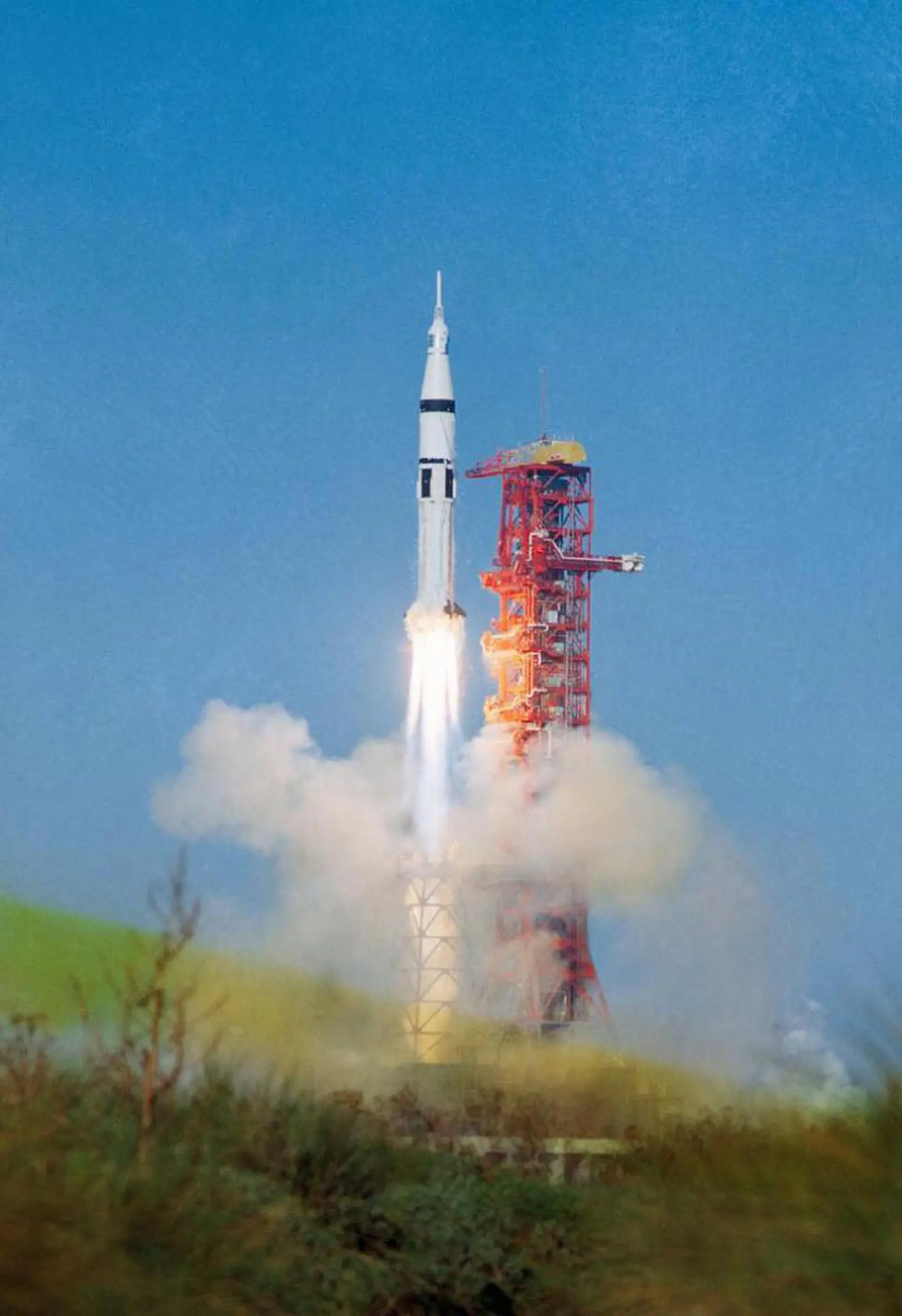
The Apollo-Soyuz Test Project was the first joint US-Soviet space flight and the last crewed US space mission until the Space Shuttle program. The US side of mission began on July 15, 1975, 19:50:00 UTC, launching Commander Thomas P. Stafford, Command Module Pilot Vance D. Brand and Docking Module Pilot Donald K. Slayton into orbit. Two days later, they docked with the Soyuz 19 spacecraft. American and Soviet crews visited each other's spacecrafts, performed docking and redocking maneuvers, conducted joint scientific experiments, exchanged flags and gifts. Crews spent more than 44 hours together, and after final parting of the ships on July 19, Apollo crew spent nine more days in orbit, conducting Earth observation experiments. The Apollo crew returned to Earth on July 24, 1975, 21:18:0 UTC with a splashdown in the Pacific Ocean.

Launch vehicle
Saturn IB
Mission type
Human Exploration
Destination orbit
Low Earth Orbit
Spacecraft
Apollo CSM-111
Destination
Low Earth Orbit
Launch pad
Launch Complex 39B
Provider
National Aeronautics and Space Administration

The vehicle

Published configuration and flight history.

Saturn IB
Launch vehicle

Saturn IB

The Saturn IB (pronounced "one B", also known as the Uprated Saturn I) was an American launch vehicle commissioned by the National Aeronautics and Space Administration (NASA) for the Apollo program. It replaced the S-IV second stage of the Saturn I with the much more powerful S-IVB, able to launch a partially fueled Apollo Command/Service Module (CSM) or a fully fueled Lunar Module (LM) into low Earth orbit for early flight tests before the larger Saturn V needed for lunar flight was ready.

Height
43.2 m
Diameter
6.61 m
Stages
2
Recorded launches
10
First flight
1966-02-26

Recorded timing

This is a mission record, not an upcoming calendar appointment.

Instantaneous windowPublished target
SCHEDULED MOMENT

A single scheduled moment. The schedule may change before launch.

Launch site & orbit

Kennedy Space Center, FL, USA

The mission in perspective

Launch site & orbit

Explore the launch pad, then pull back to see the shape of the destination orbit.

Understand this orbit
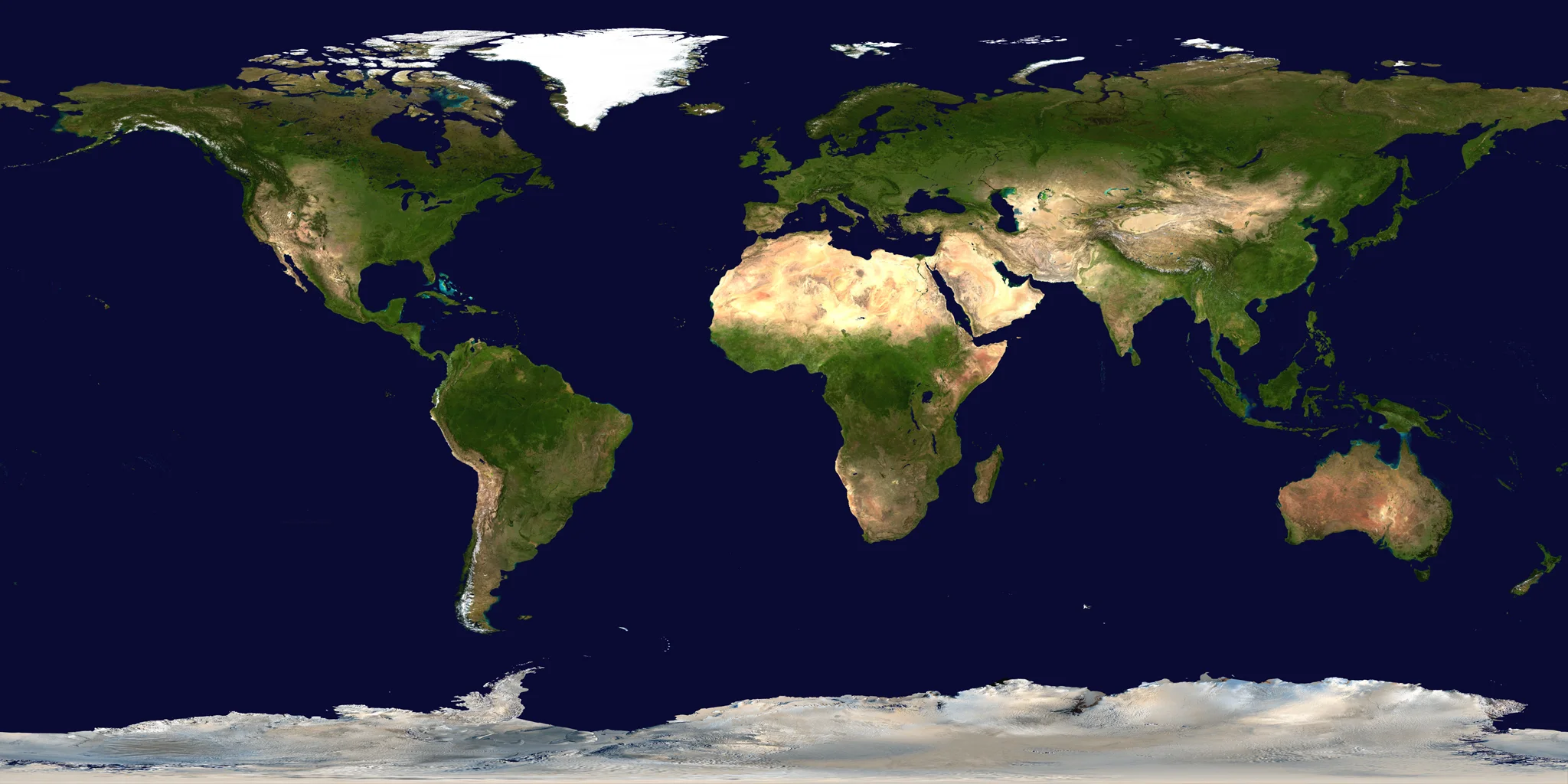
NASA Blue Marble map of Earth's continents and oceans
Representative orbit · accelerated illustrationNo live tracking or simulated ascent. NASA Blue Marble.

Coverage & sources

Links supplied by the mission data provider.
Coverage and times may change.

Explore on iPhone

Browse mission details and discover upcoming launches in Spacian.

Open mission in Spacian ↗
Download on the App Store