
Launch success.
Update ↗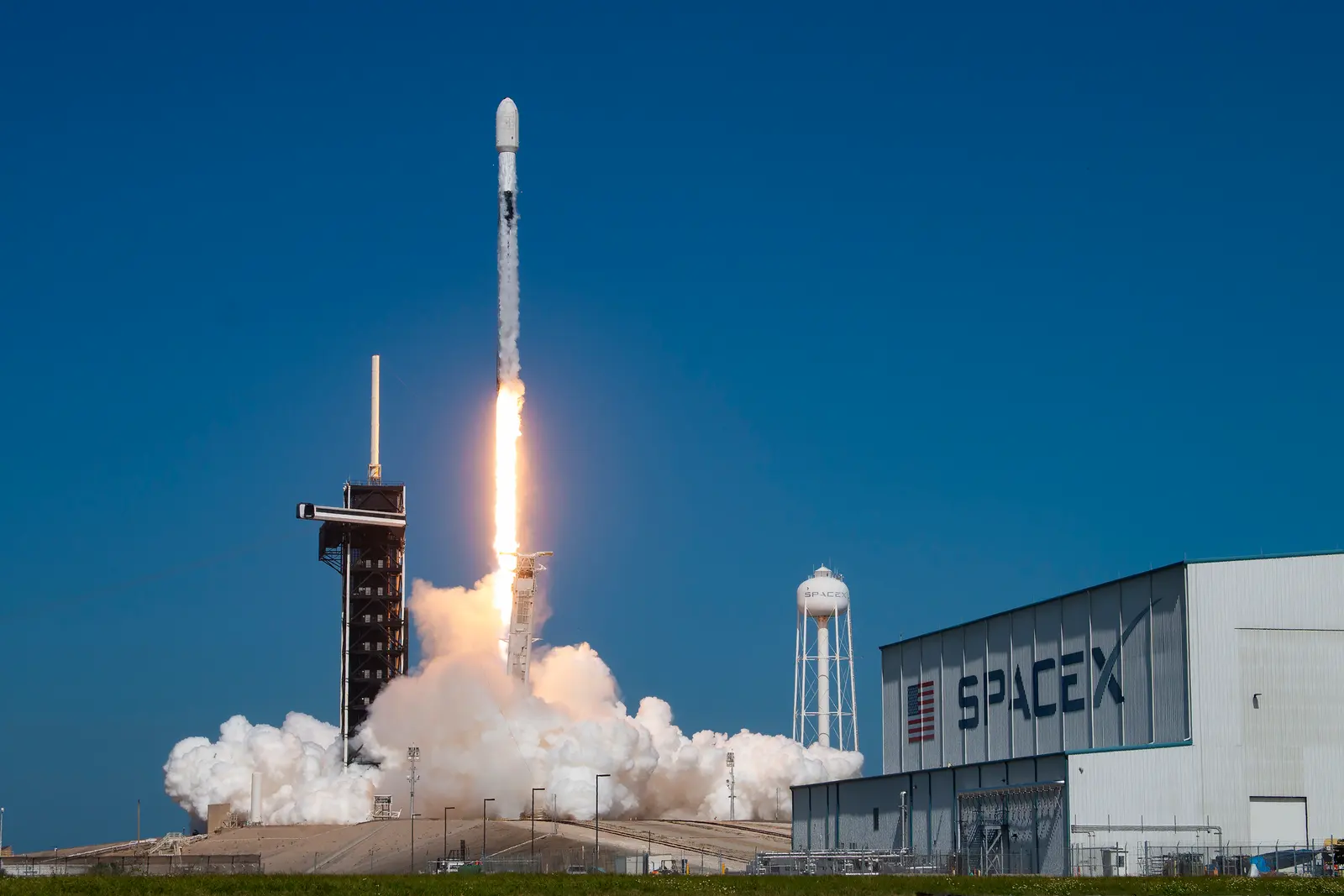
Historical mission record
This page records Falcon 9 Block 5 | Koreasat 6A and its reported outcome: Launch Successful. The date above is a historical record.
Source record updated . This is a source update, not a confirmed launch time.
Check the source: SpaceX ↗ · Launch Library ↗ · Flight Club ↗
Mission status
Launch Successful
Status reported by the mission data provider.
LAUNCH SITEKennedy Space Center, FL, USA
Mission
The Koreasat 6A spacecraft, built by Thales Alenia Space, will have 20 transponders for fixed satellite services and six for TV broadcasting to replace the Koreasat 6 launched in 2010. Koreasat 6A will be based on the manufacturer’s Spacebus 4000B2 platform and is expected to weigh about 3.5 metric tons at launch. It will be designed to operate for at least 15 years.
- Launch vehicle
- Falcon 9 Block 5
- Mission type
- Communications
- Destination orbit
- Geostationary Transfer Orbit
- Launch pad
- Launch Complex 39A
- Provider
- SpaceX
- Recovery
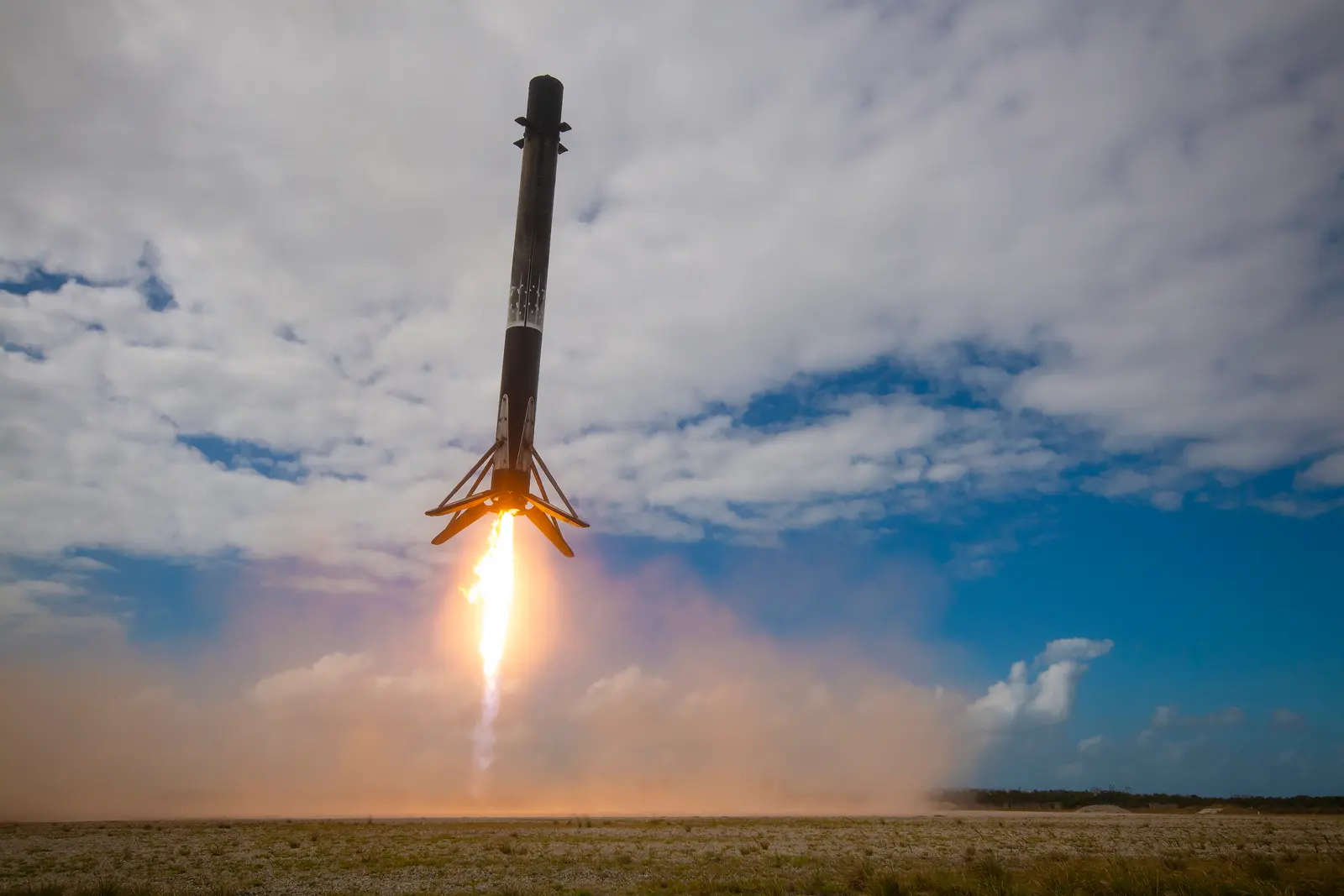
- Return to Launch Site, The Falcon 9 first stage B1067 has landed back at the launch site after its 23rd flight. +1
The vehicle
Published configuration and flight history.
Launch vehicle
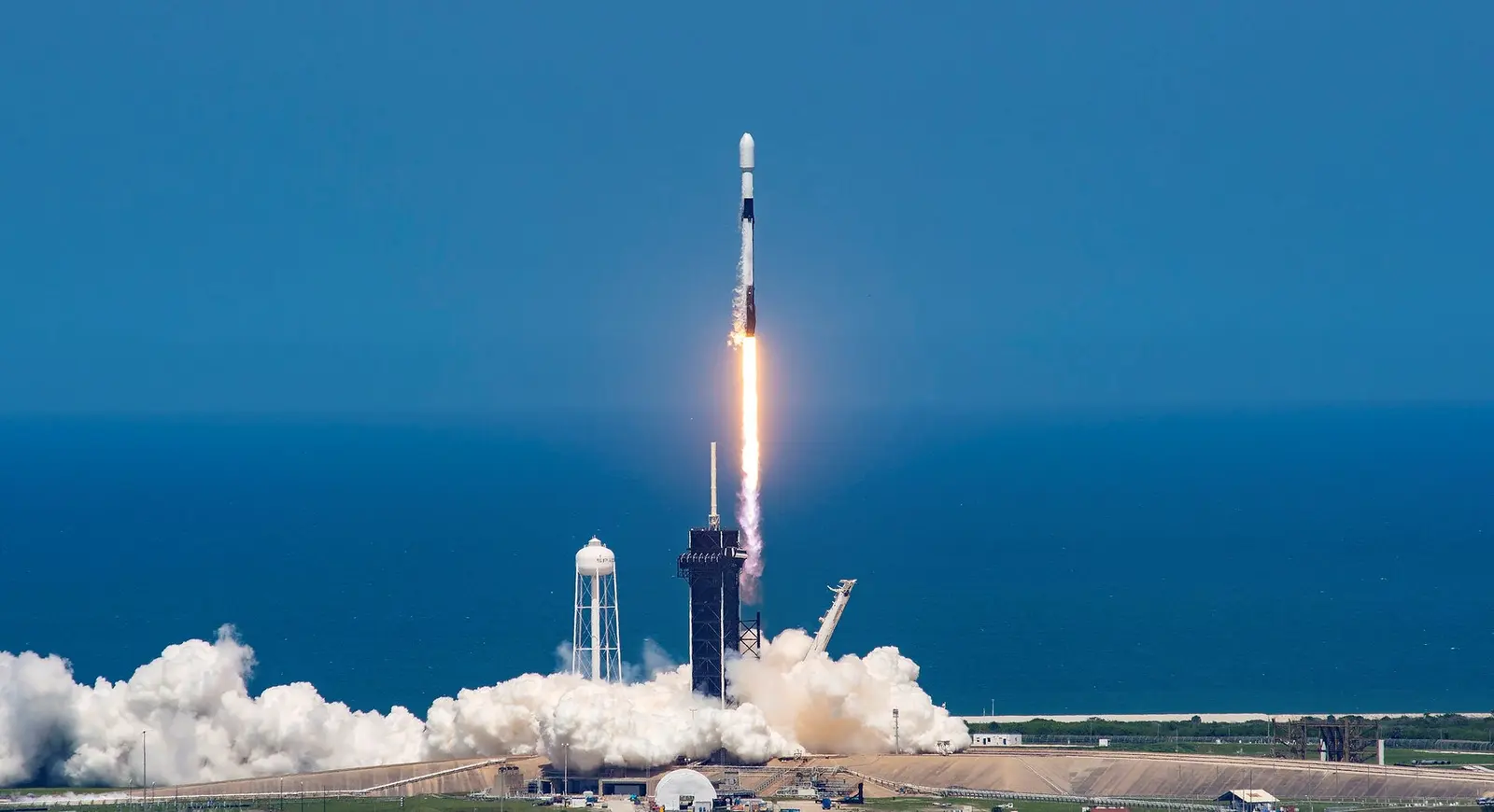
Falcon 9 Block 5
Falcon 9 is a two-stage rocket designed and manufactured by SpaceX for the reliable and safe transport of satellites and the Dragon spacecraft into orbit. The Block 5 variant is the fifth major interval aimed at improving upon the ability for rapid reusability.
- Height
- 70 m
- Diameter
- 3.65 m
- Stages
- 2
- Recorded launches
- 537
- First flight
- 2018-05-11
Recorded timing
This is a mission record, not an upcoming calendar appointment.
4h windowPublished target
WINDOW OPENS
WINDOW CLOSES
Target ·
The target marker shows its position within the published window. The schedule may change before launch.
Weather concerns
Cumulus Cloud Rule
Flight timeline
Planned sequence, not live telemetry. Times are relative to the launch target.
- T−00:38:00
GO for Prop Load
- T−00:35:00
Stage 1 LOX Load
- T−00:35:00
Prop Load
- T−00:16:00
Stage 2 LOX Load
- T−00:07:00
Engine Chill
- T−00:01:00
Startup
Show the full sequence (24 events)
- T−00:01:00
Tank Press
- T−00:00:45
GO for Launch
- T−00:00:03
Ignition
- T+00:00:00
Liftoff
- T+00:01:09
Max-Q
- T+00:02:17
MECO
- T+00:02:21
Stage 2 Separation
- T+00:02:25
Stage 1 Flip
- T+00:02:28
SES-1
- T+00:02:34
Booster Boostback Burn Startup
- T+00:03:08
Fairing Separation
- T+00:03:29
Booster Boostback Burn Shutdown
- T+00:06:28
Entry Burn Startup
- T+00:06:51
Entry Burn Shutdown
- T+00:07:41
Stage 1 Landing Burn
- T+00:08:03
SECO-1
- T+00:08:04
Stage 1 Landing
- T+00:34:35
Payload Separation
Launch site & orbit
Kennedy Space Center, FL, USA
The mission in perspective
Launch site & orbit
Explore the launch pad, then pull back to see the shape of the destination orbit.
Understand this orbit
Coverage & sources
Links supplied by the mission data provider.
Coverage and times may change.
Explore on iPhone
Browse mission details and discover upcoming launches in Spacian.
Open mission in Spacian ↗