
Launch delayed pending mission review, new time TBD.
Update ↗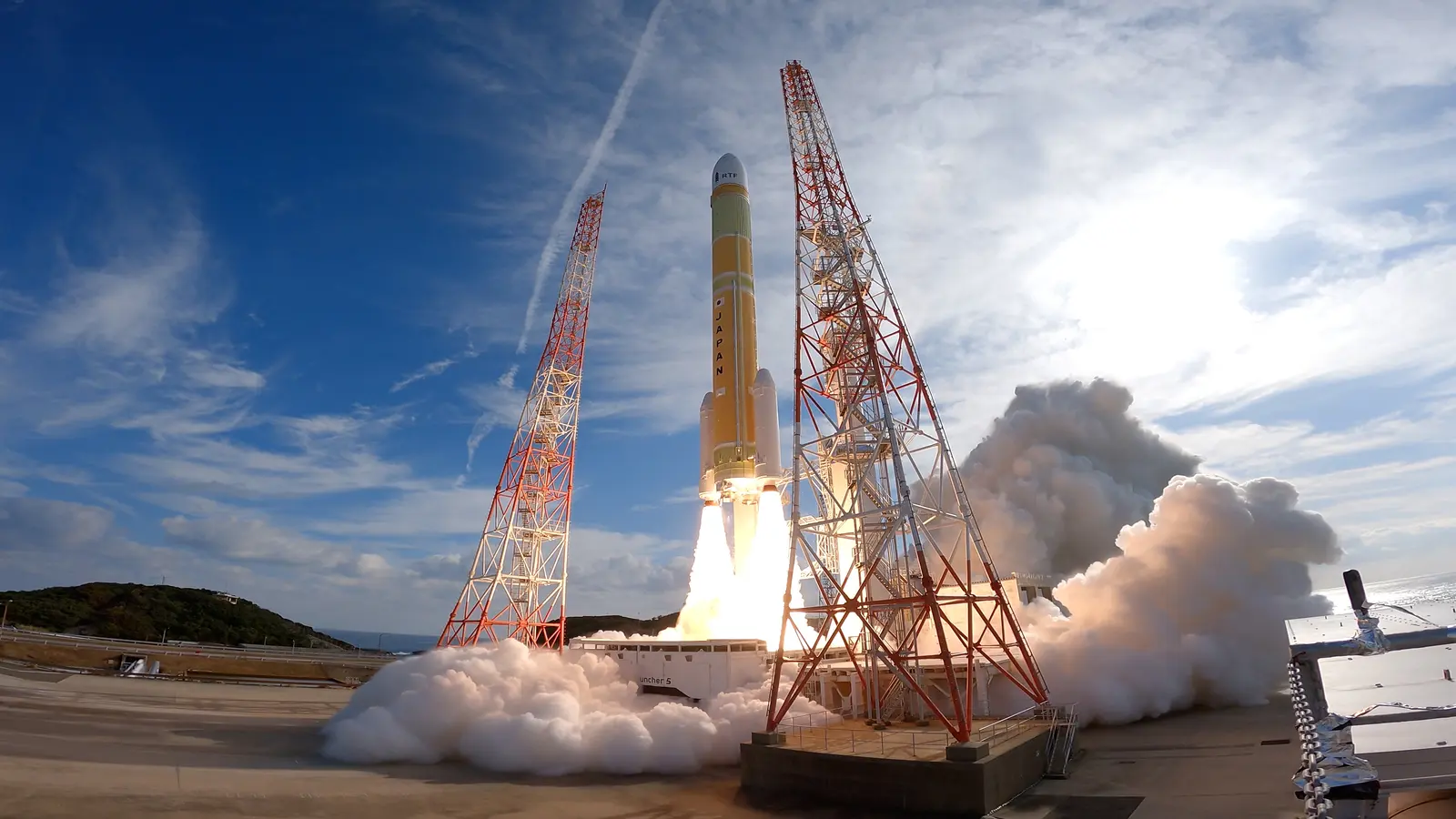
Mitsubishi Heavy IndustriesTo Be Determined
ETS-9
H3-22
Date to be confirmed
Has a launch date been confirmed?
A confirmed launch date has not been published in this record. Placeholder dates are not launch appointments.
Source record updated . This is a source update, not a confirmed launch time.
Check the source: Launch Library ↗
The latest on this mission
What changed?
NET late 2025.
Update ↗Checks for schedule changes while this page is visible.
Time to target
Target pending
Target time, not a confirmed liftoff.
LAUNCH SITETanegashima Space Center, Japan
Mission
The Engineering Test Satellite 9 (ETS-9) is a JAXA project aimed to develop an advanced satellite bus, or common model, for various high-throughput satellites (HTS) for communications. The new satellite bus by Mitsubishi Electric will focus specifically on advanced communication needs: - Up to 25kW of power to support HTS communications - Light mass, all-electric bus system achieved with 6kW high-power Hall thrusters (Japan-made). - High-power Hall thrusters significantly shorten delivery of orbiting satellite compared to other manufacturer’s 4.5kW-class electric-propulsion bus systems - The first Japanese geostationary satellite equipped with GPS receivers (Japan-made) for laborsaving autonomous orbital transfer and orbital maneuvering.
- Launch vehicle
- H3-22
- Mission type
- Communications
- Destination orbit
- Geostationary Transfer Orbit
- Launch pad
- Yoshinobu Launch Complex LP-2
- Provider
- Mitsubishi Heavy Industries
The vehicle
Published configuration and flight history.
Launch vehicle
H3-22
The H3 Launch Vehicle is a Japanese expendable launch system. Each H3 booster configuration has a two-digit and a letter designation that indicates the features of that configuration. The first digit represents the number of LE-9 engines on the main stage, either "2" or "3". The second digit indicates the number of SRB-3 solid rocket boosters attached to the base of the rocket, and can be "0", "2" or "4". All layouts of solid boosters are symmetrical. The letter in the end shows the length of the payload fairing, either short "S" or long "L". For example, an H3-24L has two engines, four solid rocket boosters, and a long fairing, whereas an H3-30S has three engines, no solid rocket boosters, and a short fairing.
- Height
- 63 m
- Diameter
- 5.27 m
- Stages
- 2
- Recorded launches
- 6
- First flight
- 2023-03-07
Launch window
A calendar entry will be available when a date is confirmed.
A precise launch window has not been published.
Launch site & orbit
Tanegashima Space Center, Japan
The mission in perspective
Launch site & orbit
Explore the launch pad, then pull back to see the shape of the destination orbit.
Understand this orbit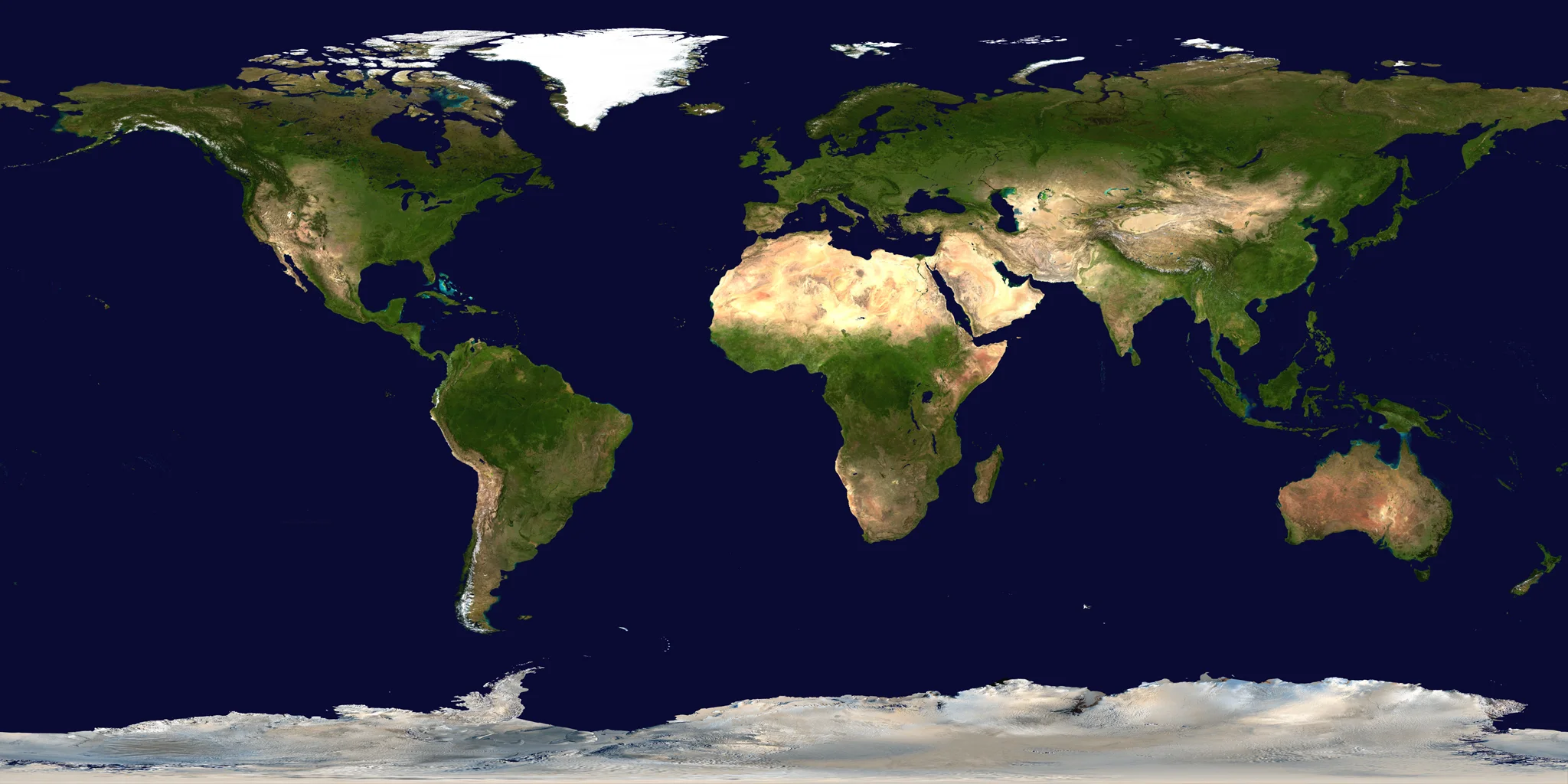
Coverage & sources
Links supplied by the mission data provider.
Coverage and times may change.
Mission coverage
No viewing link has been published yet.
Further reading
Launch Library ↗Follow on iPhone
Get reminders and schedule-change alerts. One active mission free.
Open mission in Spacian ↗