
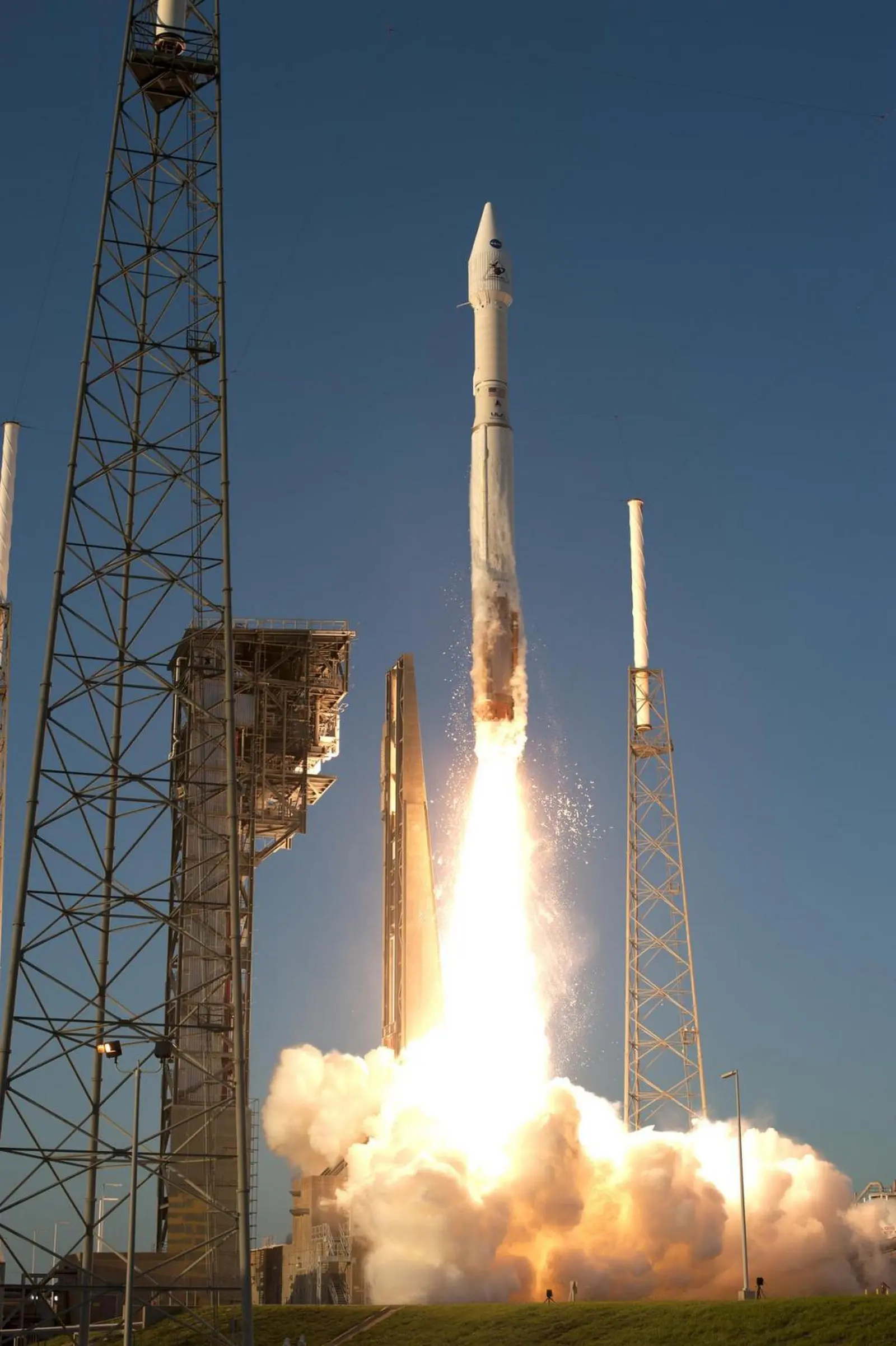
Atlas V 411
Atlas V with 4m fairing, 1 SRB, 1 Centaur upper stage engine.
- Height
- 58.3 m
- Diameter
- 3.8 m
- Stages
- 2
- Recorded launches
- 6
- First flight
- 2006-04-20
Saved 0

Atlas V 411
This page records Atlas V 411 | Solar Orbiter and its reported outcome: Launch Successful. The date above is a historical record.
Source record updated . This is a source update, not a confirmed launch time.
Check the source: Solar Orbiter ↗ · Launch Library ↗
Status reported by the mission data provider.
Solar Orbiter is a joint ESA/NASA mission dedicated to solar and heliospheric physics. It will be used to examine how the Sun creates and controls the heliosphere, the vast bubble of charged particles blown by the solar wind into the interstellar medium. The spacecraft will combine in situ and remote sensing observations to gain new information about the solar wind, the heliospheric magnetic field, solar energetic particles, transient interplanetary disturbances and the Sun's magnetic field. Instruments include: * Solar Wind Analyser (SWA) * Energetic Particle Detector (EPD) * Magnetometer (MAG) * Radio and Plasma Wave analyser (RPW) * Polarimetric and Helioseismic Imager (PHI) * Extreme Ultraviolet Imager (EUI) * Spectral Imaging of the Coronal Environment (SPICE) * Spectrometer Telescope for Imaging X-rays (STIX) * Coronagraph (Metis) While mission is not intended to get as close to the Sun as Parker Solar Probe, it's designed to coordinate observations and has different set of instruments. Main mission starts after one and only Earth flyby in November 2021, and lasts until Dec 2026 when it enters extended phase. During the mission, Solar Orbiter will get through numerous Venus gravity assists, and its trajectory will be highly inclined allowing direct observations of Sun's poles.
Published configuration and flight history.

Atlas V with 4m fairing, 1 SRB, 1 Centaur upper stage engine.
This is a mission record, not an upcoming calendar appointment.
Target ·
The target marker shows its position within the published window. The schedule may change before launch.
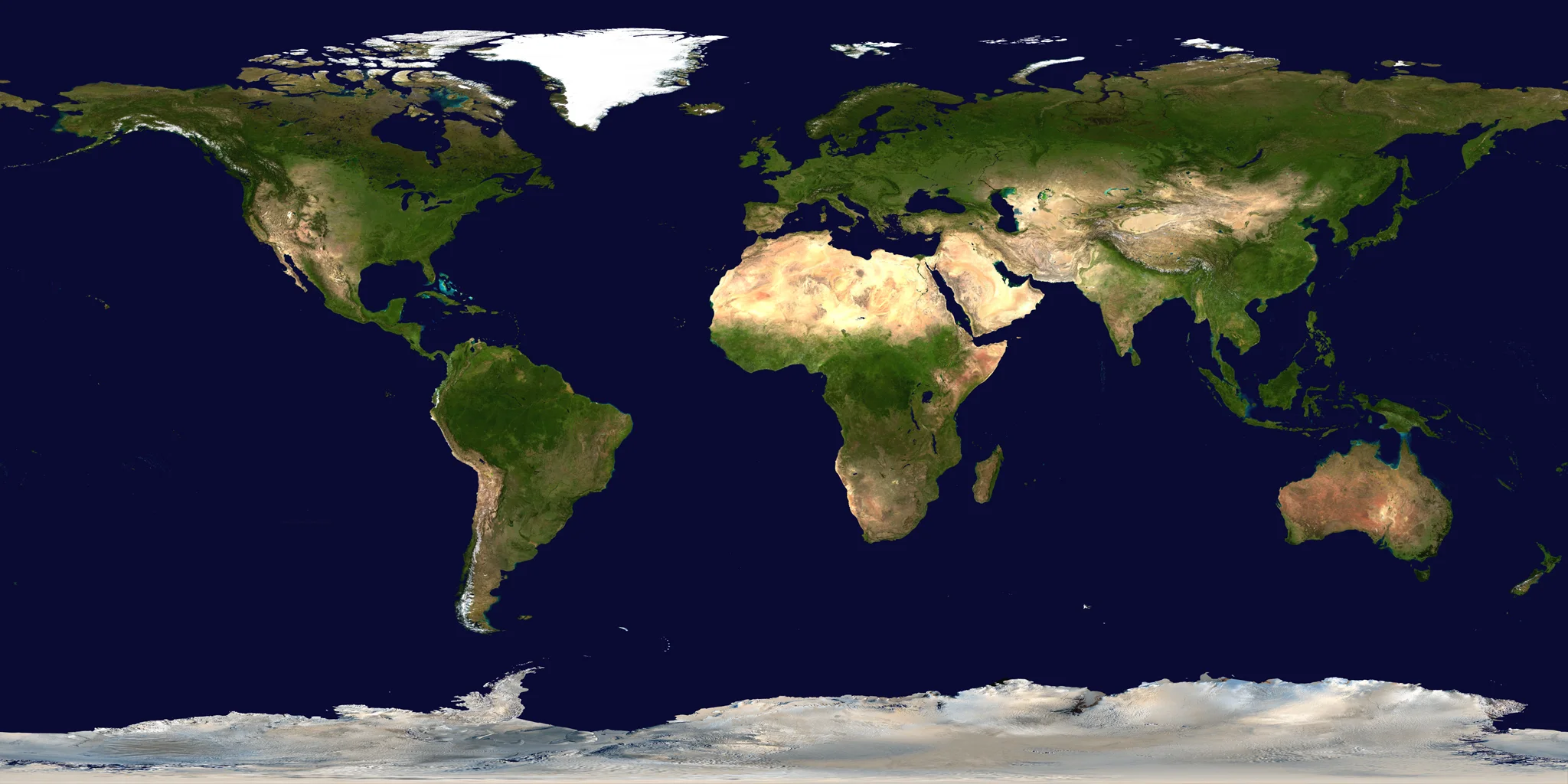
Cape Canaveral SFS, FL, USA
Explore the launch pad on Earth using its published coordinates.
Explore Earth’s orbits
Links supplied by the mission data provider.
Coverage and times may change.
Browse mission details and discover upcoming launches in Spacian.
Open mission in Spacian ↗