← Back to launches
Soyuz-U2 | Soyuz TM-6
Soviet Space ProgramLaunch Successful

Soyuz TM-6

Soyuz-U2

Open watch mode ↗

Historical mission record

This page records Soyuz-U2 | Soyuz TM-6 and its reported outcome: Launch Successful. The date above is a historical record.

Source record updated . This is a source update, not a confirmed launch time.

Check the source: Launch Library ↗

How to read launch targets and status

Mission status
Launch Successful

Status reported by the mission data provider.

LAUNCH SITEBaikonur Cosmodrome, Republic of Kazakhstan

Mission

Soyuz TM-6 was the sixth mission to Mir space station. The mission began on June 7, 1988, 14:03:13 UTC, launching Commander Vladimir Lyakhov, Flight Engineer/Research Doctor Valeri Polyakov and Research Cosmonaut Abdul Mohmand, the first Afghan cosmonaut, into orbit. They docked with Mir two days later, meeting with the long-duration resident crew. During their 7-day stay there, cosmonauts performed Earth observation and other tasks. They returned on a Soyuz TM-5 spacecraft, landing safely back on Earth on September 7, 1988, 00:49:38 UTC.

Launch vehicle
Soyuz-U2
Mission type
Human Exploration
Destination orbit
Low Earth Orbit
Spacecraft
Soyuz TM-6
Destination
Mir
Launch pad
1/5
Provider
Soviet Space Program
Programs
Soyuz, Mir

The vehicle

Published configuration and flight history.

Soyuz-U2
Launch vehicle

Soyuz-U2

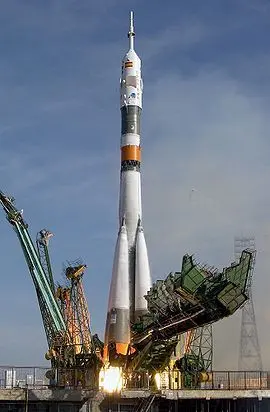
The Soyuz-U2 was a Soviet, later Russian, carrier rocket. It was derived from the Soyuz-U, and a member of the R-7 family of rockets. It featured increased performance compared with the baseline Soyuz-U, due to the use of syntin propellant, as opposed to RP-1 paraffin, used on the Soyuz-U.

Height
34.54 m
Diameter
2.95 m
Stages
2
Recorded launches
71
First flight
1982-12-23

Recorded timing

This is a mission record, not an upcoming calendar appointment.

Instantaneous windowPublished target
SCHEDULED MOMENT

A single scheduled moment. The schedule may change before launch.

Launch site & orbit

Baikonur Cosmodrome, Republic of Kazakhstan

The mission in perspective

Launch site & orbit

Explore the launch pad, then pull back to see the shape of the destination orbit.

Understand this orbit
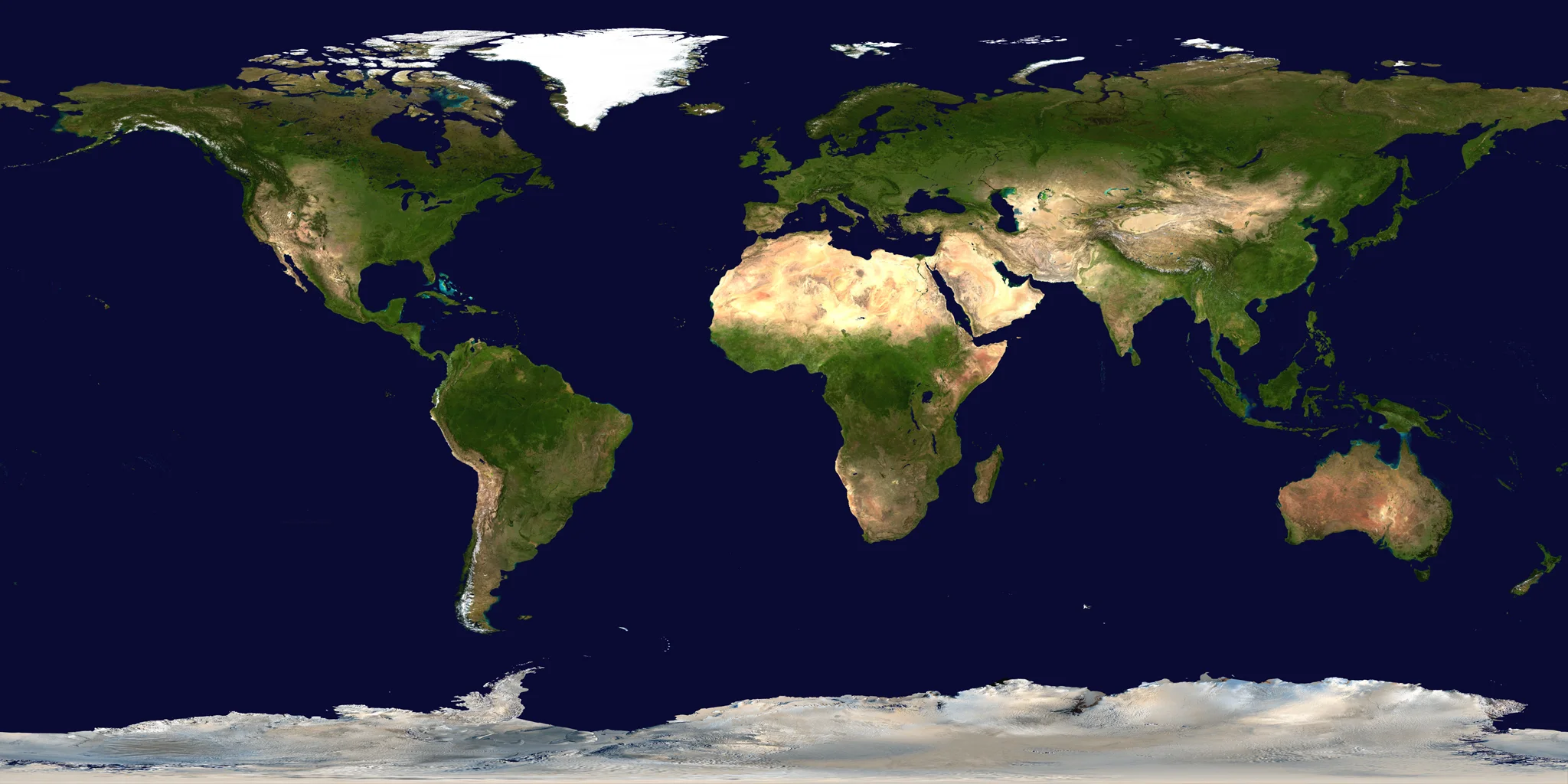
NASA Blue Marble map of Earth's continents and oceans
Representative orbit · accelerated illustrationNo live tracking or simulated ascent. NASA Blue Marble.

Coverage & sources

Links supplied by the mission data provider.
Coverage and times may change.

Mission coverage

No viewing link has been published yet.

Further reading

Launch Library ↗

Explore on iPhone

Browse mission details and discover upcoming launches in Spacian.

Open mission in Spacian ↗
Download on the App Store