← Back to launches
Falcon 1 | FalconSAT-2
SpaceXLaunch Failure

FalconSAT-2

Falcon 1

Historical mission record

This page records Falcon 1 | FalconSAT-2 and its reported outcome: Launch Failure. The date above is a historical record.

Source record updated . This is a source update, not a confirmed launch time.

Check the source: Falcon 1 - Wikipedia ↗ · Launch Library ↗

How to read launch targets and status

Mission status
Launch Failure

Status reported by the mission data provider.

LAUNCH SITERonald Reagan Ballistic Missile Defense Test Site, Kwajalein Atoll, Marshall Islands

Mission

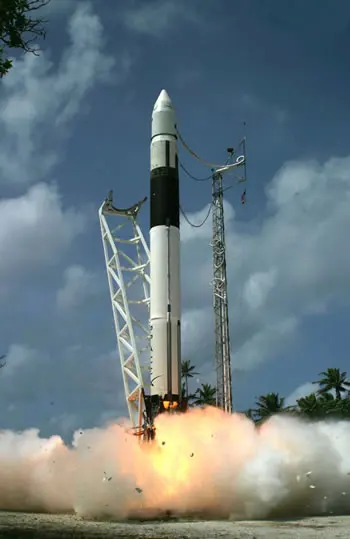
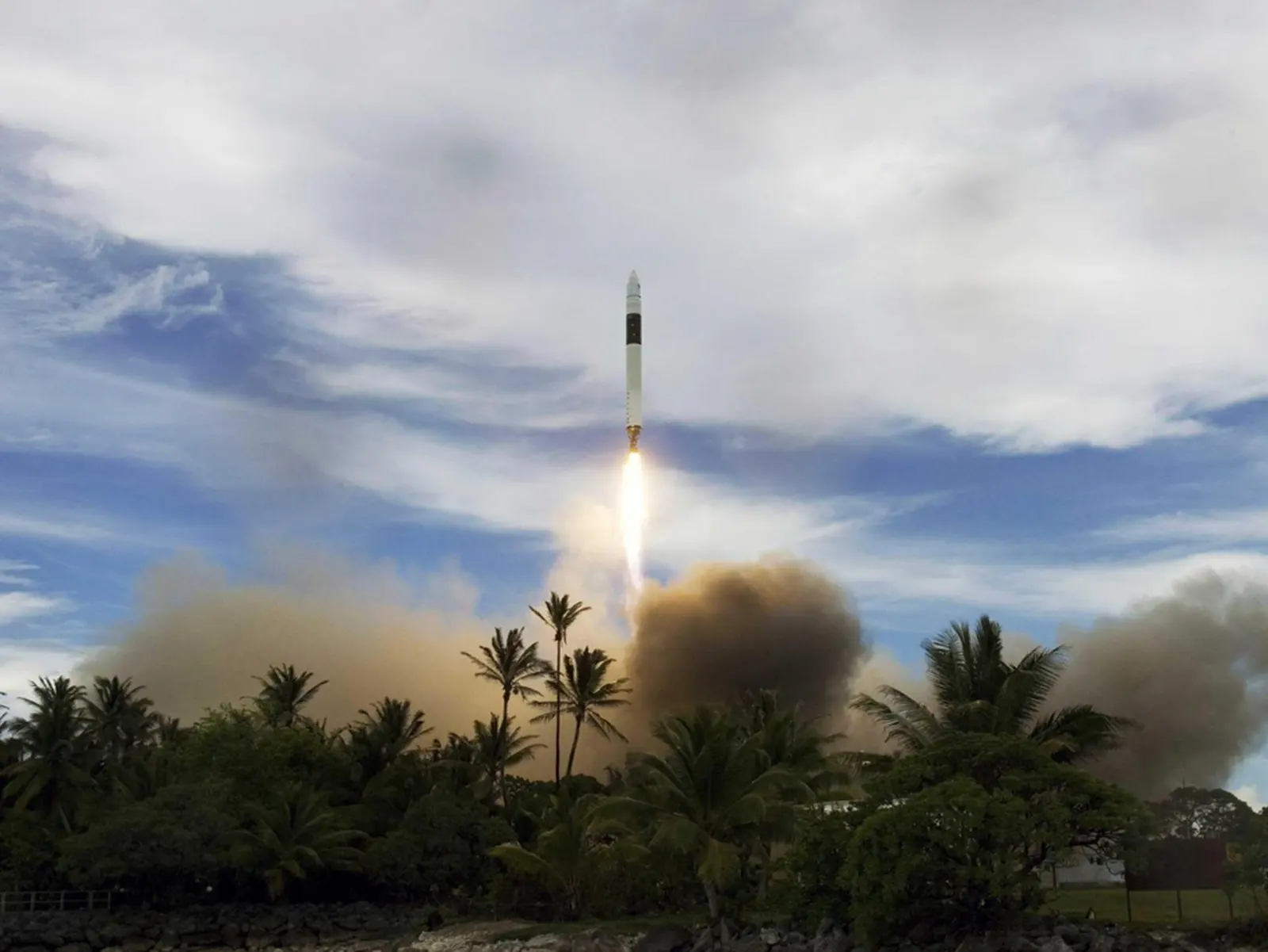
FalconSAT-2 was a satellite built by students of the United States Air Force Academy. It was intended to have been placed into low Earth orbit to study the effects of plasma on communications with spacecraft, however it failed to reach orbit due to a malfunction of its carrier rocket.It landed in a storage shed on Omelek Island, just a few feet from its own shipping container

Launch vehicle
Falcon 1
Mission type
Technology
Destination orbit
Low Earth Orbit
Launch pad
Omelek Island
Provider
SpaceX
Recovery
Parachute Landing, Booster destroyed mid-flight. +1

The vehicle

Published configuration and flight history.

Falcon 1
Launch vehicle

Falcon 1

The Falcon 1 was the first launch vehicle developed and manufactured by SpaceX in 2006. It is an expendable, two stage rocket where each stage is powered by a single LOX/RP1 engine.

Height
22.25 m
Diameter
1.7 m
Stages
2
Recorded launches
5
First flight
2006-03-24
F1 B0001
Core

F1 B0001

Flight 1NewLanding failed
Recovery
Pacific Ocean
Landing method
Parachute Landing

Recorded timing

This is a mission record, not an upcoming calendar appointment.

Instantaneous windowPublished target
SCHEDULED MOMENT

A single scheduled moment. The schedule may change before launch.

Mission update

Engine failure at T+33 seconds

Launch site & orbit

Ronald Reagan Ballistic Missile Defense Test Site, Kwajalein Atoll, Marshall Islands

The mission in perspective

Launch site & orbit

Explore the launch pad, then pull back to see the shape of the destination orbit.

Understand this orbit
NASA Blue Marble map of Earth's continents and oceans
Representative orbit · accelerated illustrationNo live tracking or simulated ascent. NASA Blue Marble.

Coverage & sources

Links supplied by the mission data provider.
Coverage and times may change.

Explore on iPhone

Browse mission details and discover upcoming launches in Spacian.

Open mission in Spacian ↗
Download on the App Store