
Launch success.
Update ↗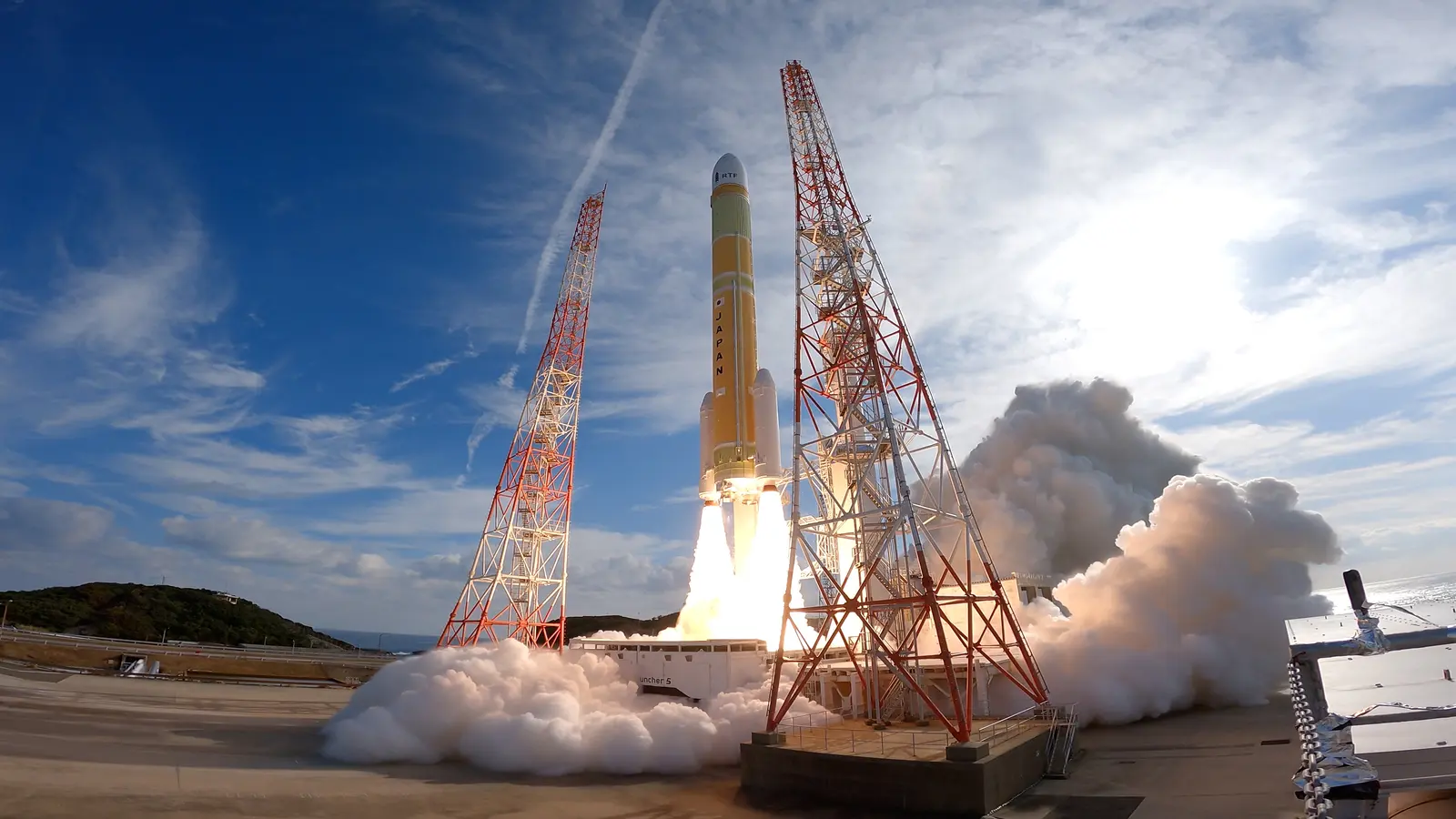
Mitsubishi Heavy IndustriesLaunch Successful
Michibiki 7 (QZS-7)
H3-22
Historical mission record
This page records H3-22 | Michibiki 7 (QZS-7) and its reported outcome: Launch Successful. The date above is a historical record.
Source record updated . This is a source update, not a confirmed launch time.
Check the source: Launch Library ↗
Mission status
Launch Successful
Status reported by the mission data provider.
LAUNCH SITETanegashima Space Center, Japan
Mission
QZSS (Quasi Zenith Satellite System) is a Japanese satellite navigation system operating from inclined, elliptical geosynchronous orbits to achieve optimal high-elevation visibility in urban canyons and mountainous areas. The navigation system objective is to broadcast GPS-interoperable and augmentation signals as well as original Japanese (QZSS) signals from a three-spacecraft constellation. The navigation system objective is to broadcast GPS-interoperable and augmentation signals as well as original Japanese (QZSS) signals from a three-spacecraft constellation in inclined, elliptical geosynchronous orbits.
- Launch vehicle
- H3-22
- Mission type
- Navigation
- Destination orbit
- Geostationary Transfer Orbit
- Launch pad
- Yoshinobu Launch Complex LP-2
- Provider
- Mitsubishi Heavy Industries
The vehicle
Published configuration and flight history.
Launch vehicle
H3-22
The H3 Launch Vehicle is a Japanese expendable launch system. Each H3 booster configuration has a two-digit and a letter designation that indicates the features of that configuration. The first digit represents the number of LE-9 engines on the main stage, either "2" or "3". The second digit indicates the number of SRB-3 solid rocket boosters attached to the base of the rocket, and can be "0", "2" or "4". All layouts of solid boosters are symmetrical. The letter in the end shows the length of the payload fairing, either short "S" or long "L". For example, an H3-24L has two engines, four solid rocket boosters, and a long fairing, whereas an H3-30S has three engines, no solid rocket boosters, and a short fairing.
- Height
- 63 m
- Diameter
- 5.27 m
- Stages
- 2
- Recorded launches
- 7
- First flight
- 2023-03-07
Recorded timing
This is a mission record, not an upcoming calendar appointment.
1h windowPublished target
WINDOW OPENS
WINDOW CLOSES
Target ·
The target marker shows its position within the published window. The schedule may change before launch.
Flight timeline
Planned sequence, not live telemetry. Times are relative to the launch target.
- T+00:00:00
Liftoff
- T+00:01:56
SRB Separation
- T+00:03:44
Fairing Separation
- T+00:04:59
MECO
- T+00:05:07
Stage 2 Separation
- T+00:05:20
SES-1
Show the full sequence (10 events)
- T+00:12:53
SECO-1
- T+00:24:28
SES-2
- T+00:28:50
SECO-2
- T+00:29:10
Payload Separation
Launch site & orbit
Tanegashima Space Center, Japan
The mission in perspective
Launch site & orbit
Explore the launch pad, then pull back to see the shape of the destination orbit.
Understand this orbit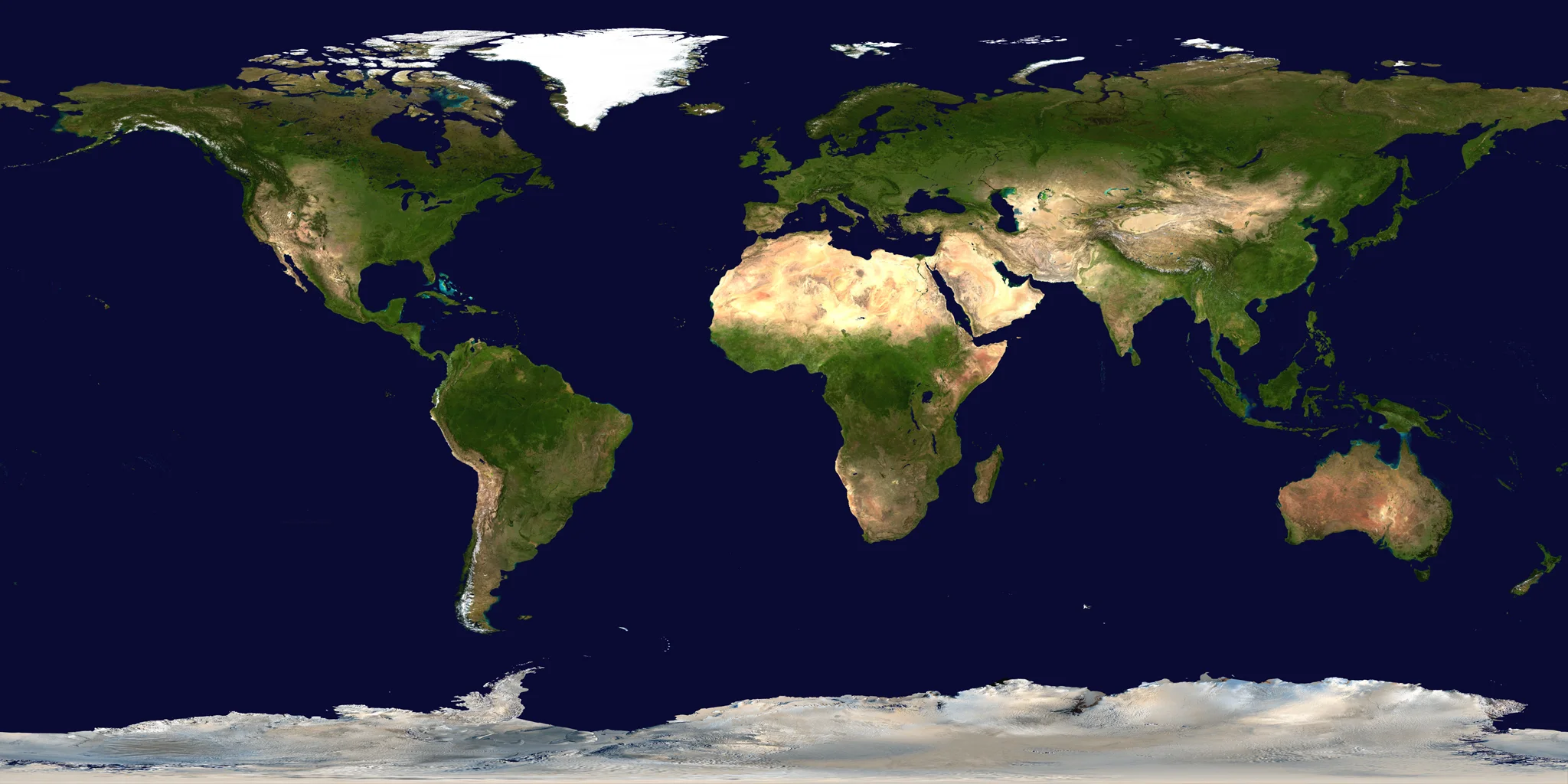
Coverage & sources
Links supplied by the mission data provider.
Coverage and times may change.
Mission coverage
準天頂衛星システム「みちびき7号機」/H3ロケット9号機打上げライブ中継 ↗2026.8.11 3:30~ H3ロケット9号機 「みちびき7号機」打上げ H3 Rocket F9 QZS-7 Launch ↗Further reading
Launch Library ↗Explore on iPhone
Browse mission details and discover upcoming launches in Spacian.
Open mission in Spacian ↗