
Launch success with DART solar panels deployed.
Update ↗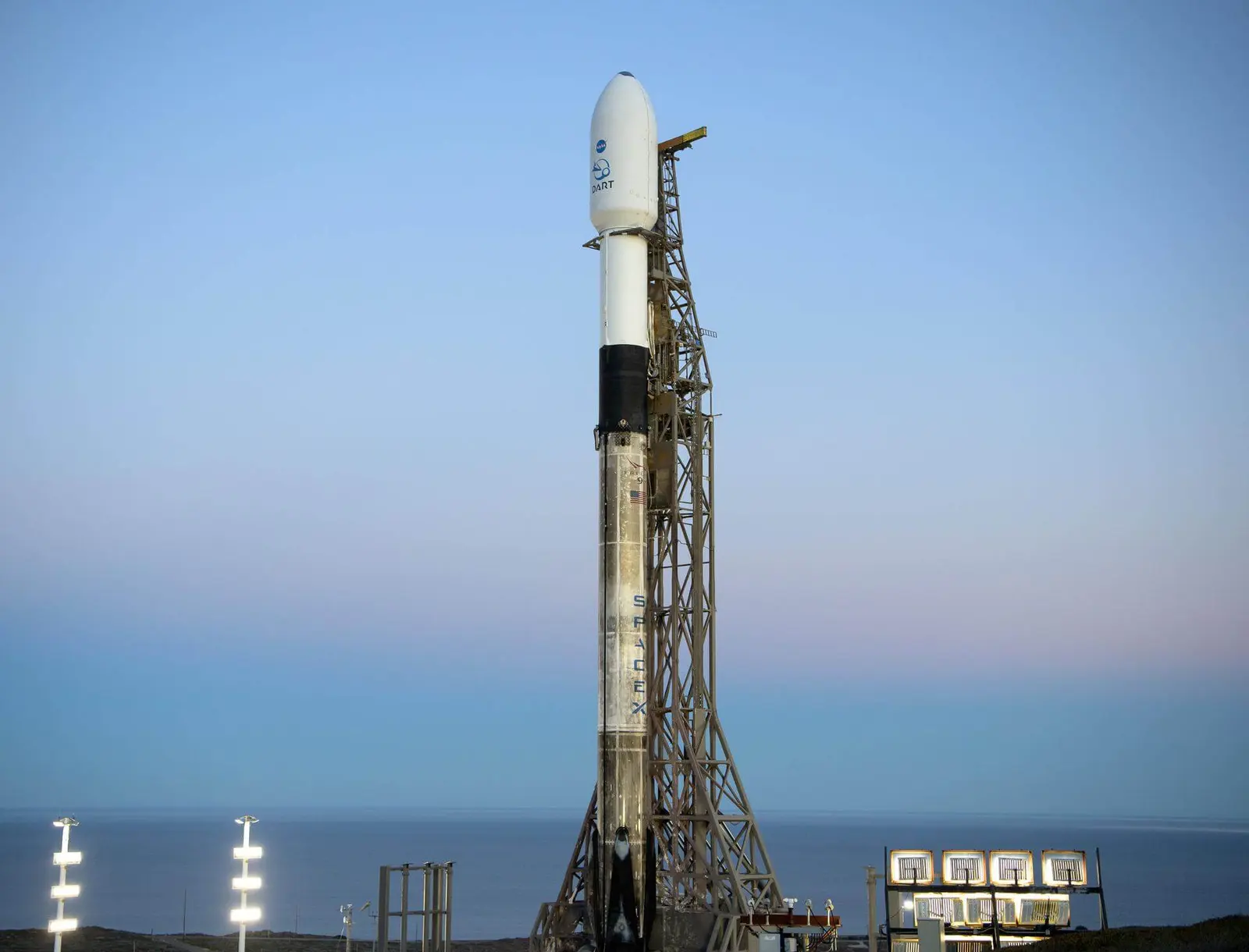
SpaceXLaunch Successful
Double Asteroid Redirection Test (DART)
Falcon 9 Block 5
Historical mission record
This page records Falcon 9 Block 5 | Double Asteroid Redirection Test (DART) and its reported outcome: Launch Successful. The date above is a historical record.
Source record updated . This is a source update, not a confirmed launch time.
Check the source: Source ↗ · Launch Library ↗
The latest on this mission
What changed?
Mission status
Launch Successful
Status reported by the mission data provider.
LAUNCH SITEVandenberg SFB, CA, USA
Mission
Double Asteroid Redirection Test (DART) mission is the first-ever mission to demonstrate the capability to deflect an asteroid by colliding a spacecraft with it at high speed, a technique known as a kinetic impactor. DART is a planetary defense-driven test of one of the technologies for preventing the Earth impact of a hazardous asteroid: the kinetic impactor. DART's primary objective is to demonstrate a kinetic impact on a small asteroid. The binary near-Earth asteroid (65803) Didymos is the target for DART. While Didymos' primary body is approximately 800 meters across, its secondary body has a 150-meter size, which is more typical of the size of asteroids that could pose a more common hazard to Earth. The DART spacecraft will achieve the kinetic impact by deliberately crashing itself into the moonlet at a speed of approximately 6 km/s, with the aid of an onboard camera and sophisticated autonomous navigation software. The collision will change the speed of the moonlet in its orbit around the main body by a fraction of one percent, enough to be measured using telescopes on Earth.
- Launch vehicle
- Falcon 9 Block 5
- Mission type
- Robotic Exploration
- Destination orbit
- Heliocentric N/A
- Launch pad
- Space Launch Complex 4E
- Provider
- SpaceX
- Recovery
- Autonomous Spaceport Drone Ship, B1063 has successfully landed on ASDS OCISLY after its third flight. +1
The vehicle
Published configuration and flight history.
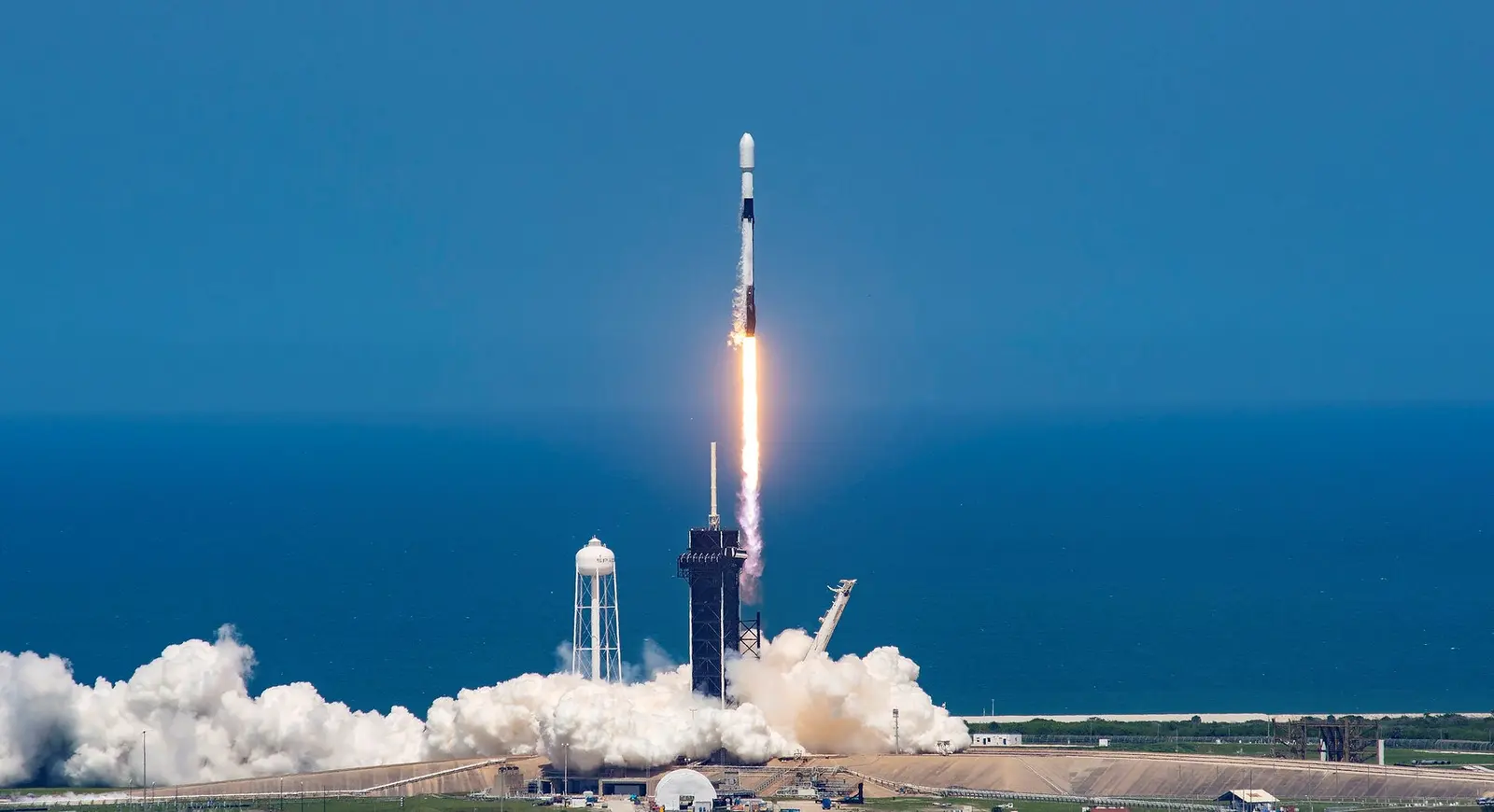
Launch vehicle
Falcon 9 Block 5
Falcon 9 is a two-stage rocket designed and manufactured by SpaceX for the reliable and safe transport of satellites and the Dragon spacecraft into orbit. The Block 5 variant is the fifth major interval aimed at improving upon the ability for rapid reusability.
- Height
- 70 m
- Diameter
- 3.65 m
- Stages
- 2
- Recorded launches
- 537
- First flight
- 2018-05-11

Recorded timing
This is a mission record, not an upcoming calendar appointment.
Instantaneous windowPublished target
SCHEDULED MOMENT
A single scheduled moment. The schedule may change before launch.
Launch site & orbit
Vandenberg SFB, CA, USA
The mission in perspective
Launch site
DestinationHeliocentric N/A
Explore the launch pad on Earth using its published coordinates.
Explore Earth’s orbits
Drag to rotate
Coverage & sources
Links supplied by the mission data provider.
Coverage and times may change.
Explore on iPhone
Browse mission details and discover upcoming launches in Spacian.
Open mission in Spacian ↗