Launch target updated
Previous target
Updated target
Recorded by Spacian . Mission source ↗

 Android BETAJoin beta group Closed guest beta · 1.6.0 (4). Join the group first, then join the test on Google Play ↗ using the same Google account. Account sign-in, Premium and alerts are unavailable in this beta.
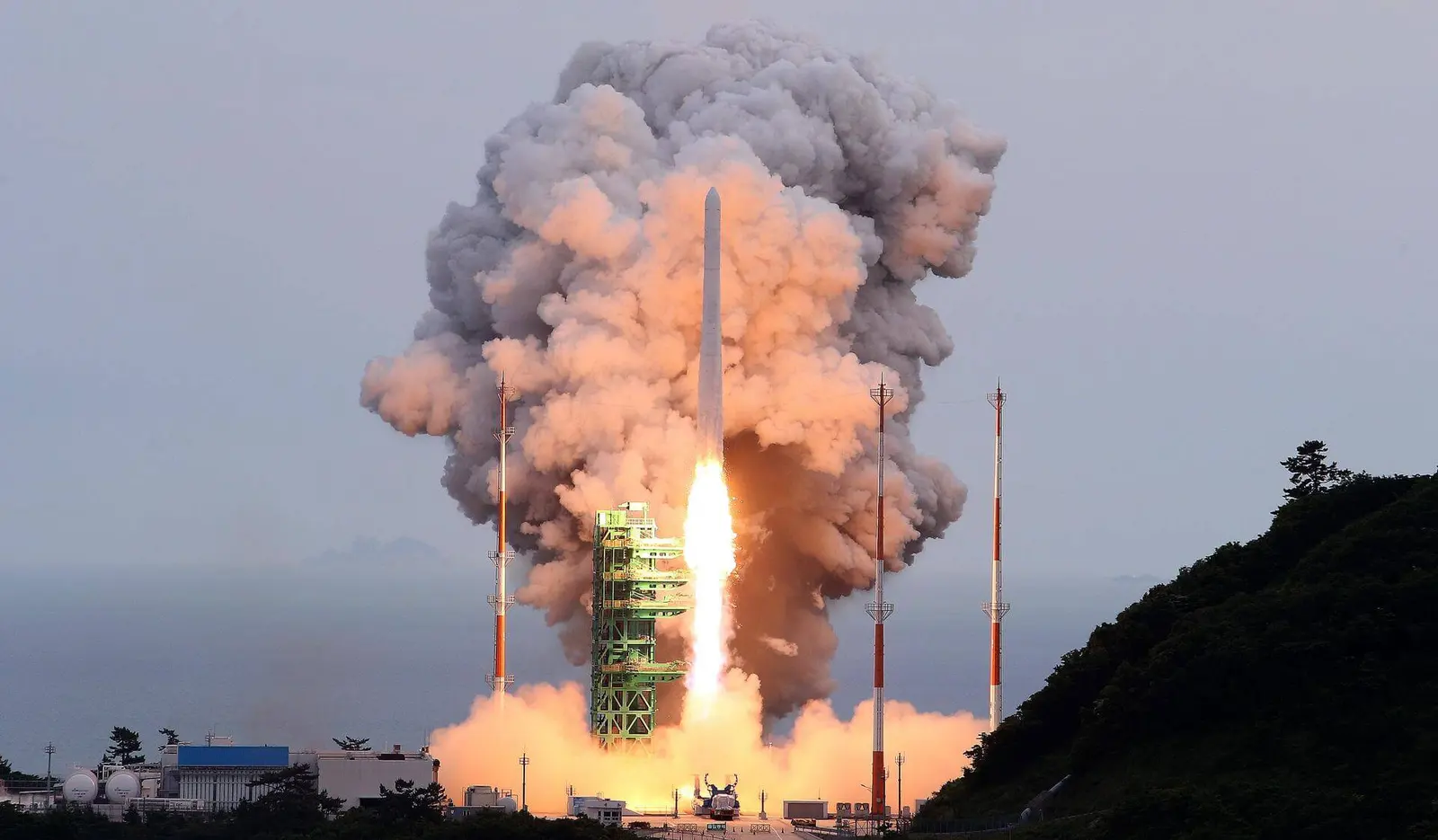
KSLV-2 Nuri
NeonSat-2 to 6 are part of the South Korean government's Earth observation micro-satellite constellation NeonSat (New-space Earth Observation Satellite). The NeonSat constellation is the first satellite system developed by the government using a mass-production approach for precise monitoring of the Korean Peninsula. 10 ride-sharing small satellites from various Korean institutes and organizations will also fly on this launch: * SLEDGE * GBSAT * PERSAT02 * UEL-Y-Sys * SD-1 SAT * E3_TESTER-KARI-2 * DaejonSat-1 * BEE-1012 * JACK-007 * CPSat
Save to find this mission in My space.
Recorded by Spacian . Mission source ↗
Status reported by the mission data provider.
Liftoff reported ·
NeonSat-2 to 6 are part of the South Korean government's Earth observation micro-satellite constellation NeonSat (New-space Earth Observation Satellite). The NeonSat constellation is the first satellite system developed by the government using a mass-production approach for precise monitoring of the Korean Peninsula. 10 ride-sharing small satellites from various Korean institutes and organizations will also fly on this launch: * SLEDGE * GBSAT * PERSAT02 * UEL-Y-Sys * SD-1 SAT * E3_TESTER-KARI-2 * DaejonSat-1 * BEE-1012 * JACK-007 * CPSat
The launch record groups NeonSat-2 through NeonSat-6 with additional rideshare payloads on Nuri. NEONSAT is a Korean Earth-observation program; KARI describes the constellation’s goal as frequent imaging of the Korean Peninsula. A constellation consists of multiple spacecraft working together, so one launch is only part of building the overall observing system.
The page’s status describes the reported launch outcome from Naro Space Center. It does not establish the commissioning status or image availability of each satellite. Use KARI’s program information for the system’s purpose and the Launch Library record for the named flight, while keeping payload deployment and operational service separate.
Context reviewed . Live target and status appear above. Published by Spacian · sources and corrections.
Sources: KARI program overview ↗ · KARI 2024 annual report: NEONSAT ↗ · Launch Library ↗
Published configuration and flight history.
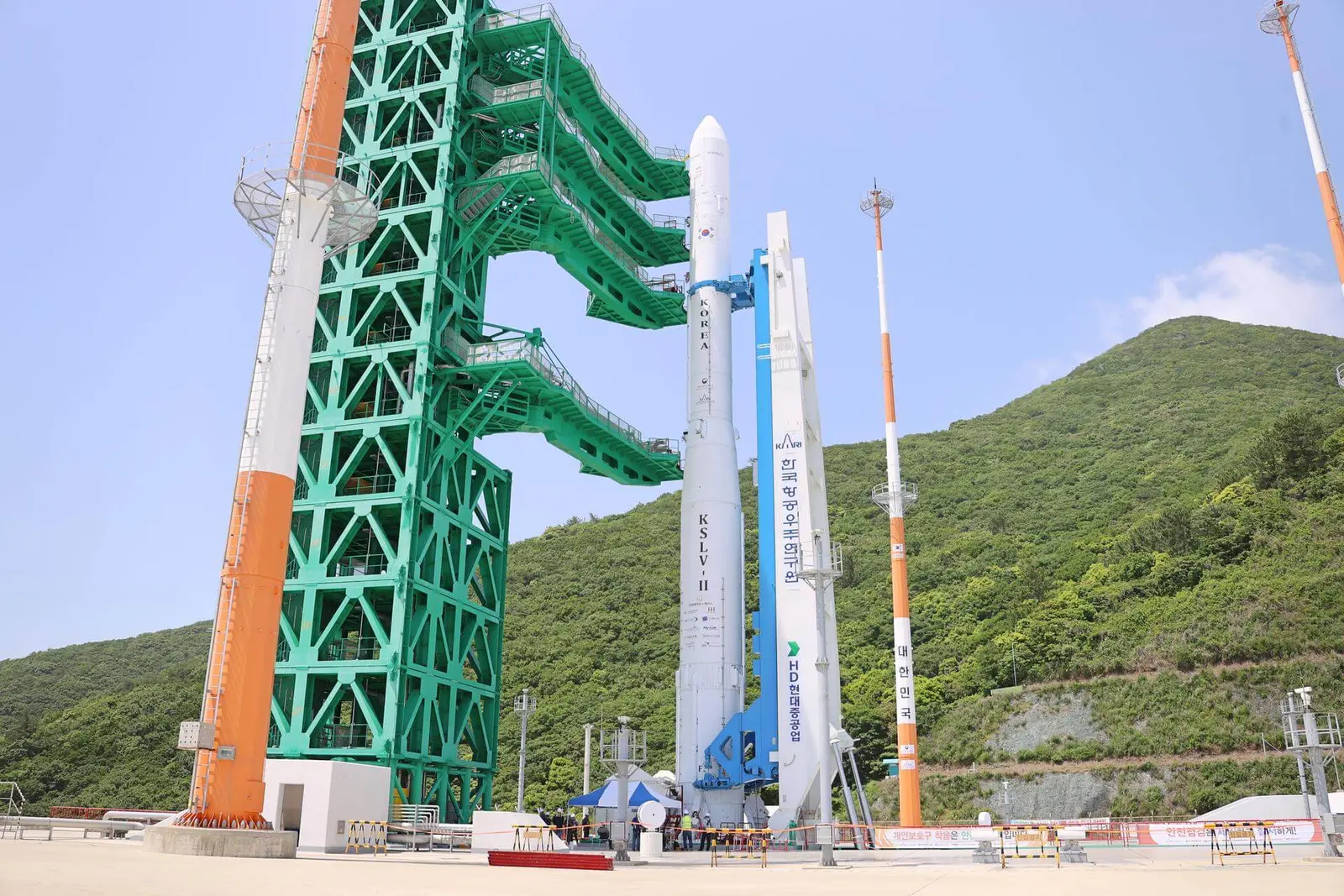
Nuri, also known as KSLV-II, is South Korea's second carrier rocket and the successor to KSLV-1.
Downloads one .ics entry. It keeps the time shown here and won’t update automatically.
Download calendar entry Set up a calendar subscriptionTarget ·
The target marker shows its position within the published window. Recorded timing from the mission source.
Planned sequence, not live telemetry. Times are relative to the launch target.
Naro Space Center, South Korea
Explore the launch pad, then pull back to see the shape of the destination orbit.
Understand this orbit
NASA geography with illustrative lighting. No live tracking or simulated ascent. Orbit motion is accelerated and representative. NASA Blue Marble source.
Source record updated
Browse mission details and discover upcoming launches in Spacian.
Open mission in Spacian ↗Android BETAJoin beta group Closed guest beta · 1.6.0 (4). Join the group first, then join the test on Google Play ↗ using the same Google account. Account sign-in, Premium and alerts are unavailable in this beta.