
Launch success, all satellites have been deployed.
Update ↗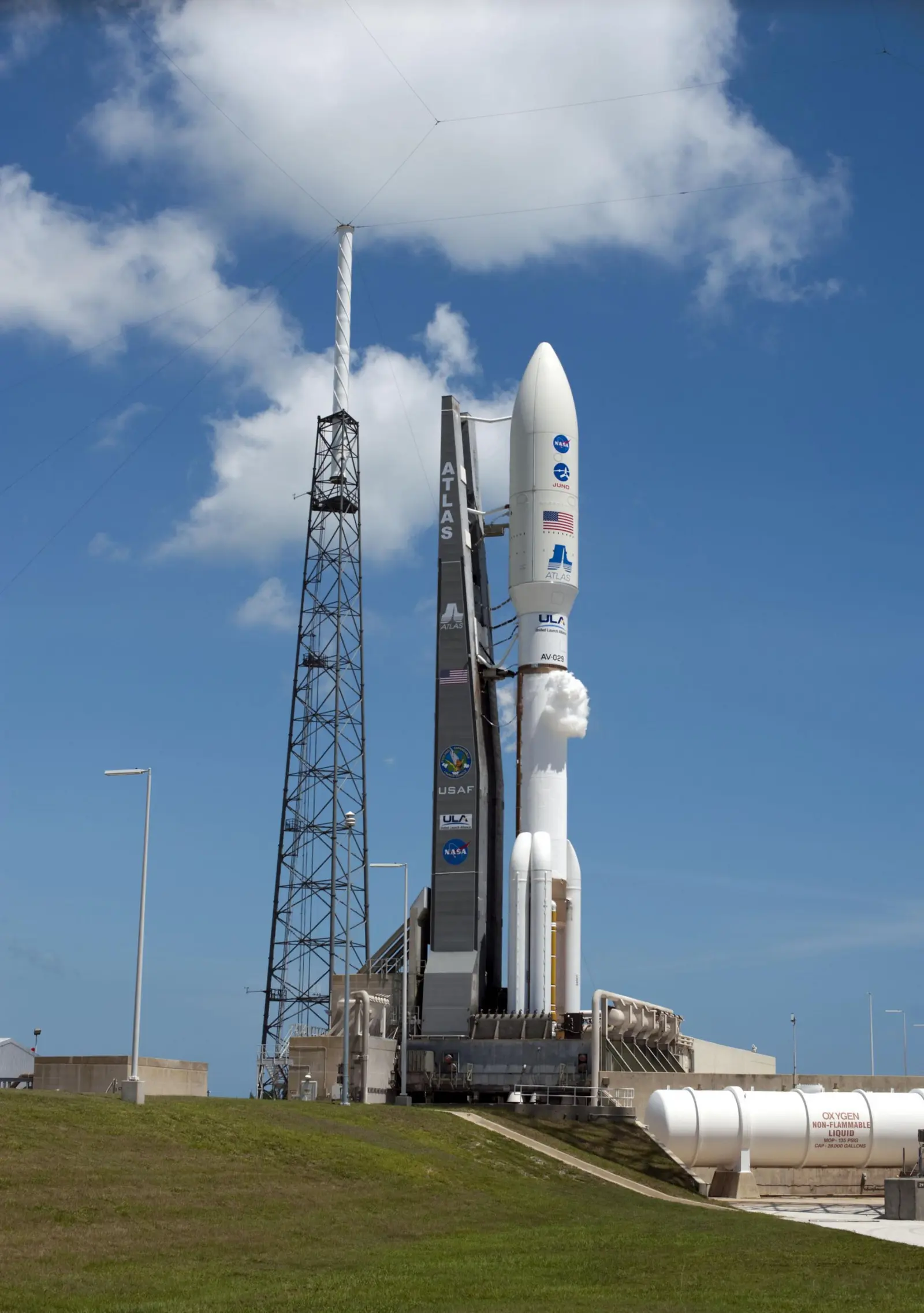
United Launch AllianceLaunch Successful
Amazon Leo (LA-07)
Atlas V 551
Historical mission record
This page records Atlas V 551 | Amazon Leo (LA-07) and its reported outcome: Launch Successful. The date above is a historical record.
Source record updated . This is a source update, not a confirmed launch time.
Check the source: Atlas V Amazon Leo 7 ↗ · Launch Library ↗ · Flight Club ↗
Mission status
Launch Successful
Status reported by the mission data provider.
LAUNCH SITECape Canaveral SFS, FL, USA
Mission
Amazon Leo, formerly known as Project Kuiper, is a mega constellation of satellites in Low Earth Orbit that will offer broadband internet access, this constellation will be managed by Kuiper Systems LLC, a subsidiary of Amazon. This constellation is planned to be composed of 3,276 satellites. The satellites are projected to be placed in 98 orbital planes in three orbital layers, one at 590 km, 610 km and 630 km altitude. 29 satellites are carried on this launch.
- Launch vehicle
- Atlas V 551
- Mission type
- Communications
- Destination orbit
- Low Earth Orbit
- Launch pad
- Space Launch Complex 41
- Provider
- United Launch Alliance
- Programs
- Amazon Leo
The vehicle
Published configuration and flight history.
Launch vehicle
Atlas V 551
Atlas V is an expendable launch system in the Atlas rocket family. It was formerly operated by Lockheed Martin and is now operated by United Launch Alliance (ULA), a joint venture with Boeing. Each Atlas V rocket uses a Russian-built RD-180 engine burning kerosene and liquid oxygen to power its first stage and an American-built RL10 engine burning liquid hydrogen and liquid oxygen to power its Centaur upper stage. The RD-180 engines are provided by RD Amross, while Aerojet Rocketdyne provides both the RL10 engines and the strap-on boosters used in some configurations. The standard payload fairing sizes are 4 or 5 meters in diameter and of various lengths. Fairings sizes as large as 7.2 m in diameter and up to 32.3 m in length have been considered. The rocket is assembled in Decatur, Alabama and Harlingen, Texas.
- Height
- 59.7 m
- Diameter
- 3.8 m
- Stages
- 2
- Recorded launches
- 22
- First flight
- 2006-01-19
Recorded timing
This is a mission record, not an upcoming calendar appointment.
29 minute windowPublished target
WINDOW OPENS
WINDOW CLOSES
Target ·
The target marker shows its position within the published window. The schedule may change before launch.
Weather concerns
Cumulus Cloud Rule, Anvil Cloud Rules, Surface Electric Fields Rule
Flight timeline
Planned sequence, not live telemetry. Times are relative to the launch target.
- T−00:00:2.7
Ignition
- T+00:00:01
Liftoff
- T+00:00:34.9
Supersonic
- T+00:00:52.8
Max-Q
- T+00:01:46.6
Boosters Separation
- T+00:03:5.2
Fairing Separation
Show the full sequence (14 events)
- T+00:04:21.9
BECO
- T+00:04:27.9
Stage 2 Separation
- T+00:04:37.9
SES-1
- T+00:18:21
SECO-1
- T+00:21:10
Payload Deployment Sequence Start
- T+00:37:41
Payload Deployment Sequence End
- T+00:54:52.6
SES-2
- T+00:55:2.3
SECO-2
Launch site & orbit
Cape Canaveral SFS, FL, USA
The mission in perspective
Launch site & orbit
Explore the launch pad, then pull back to see the shape of the destination orbit.
Understand this orbit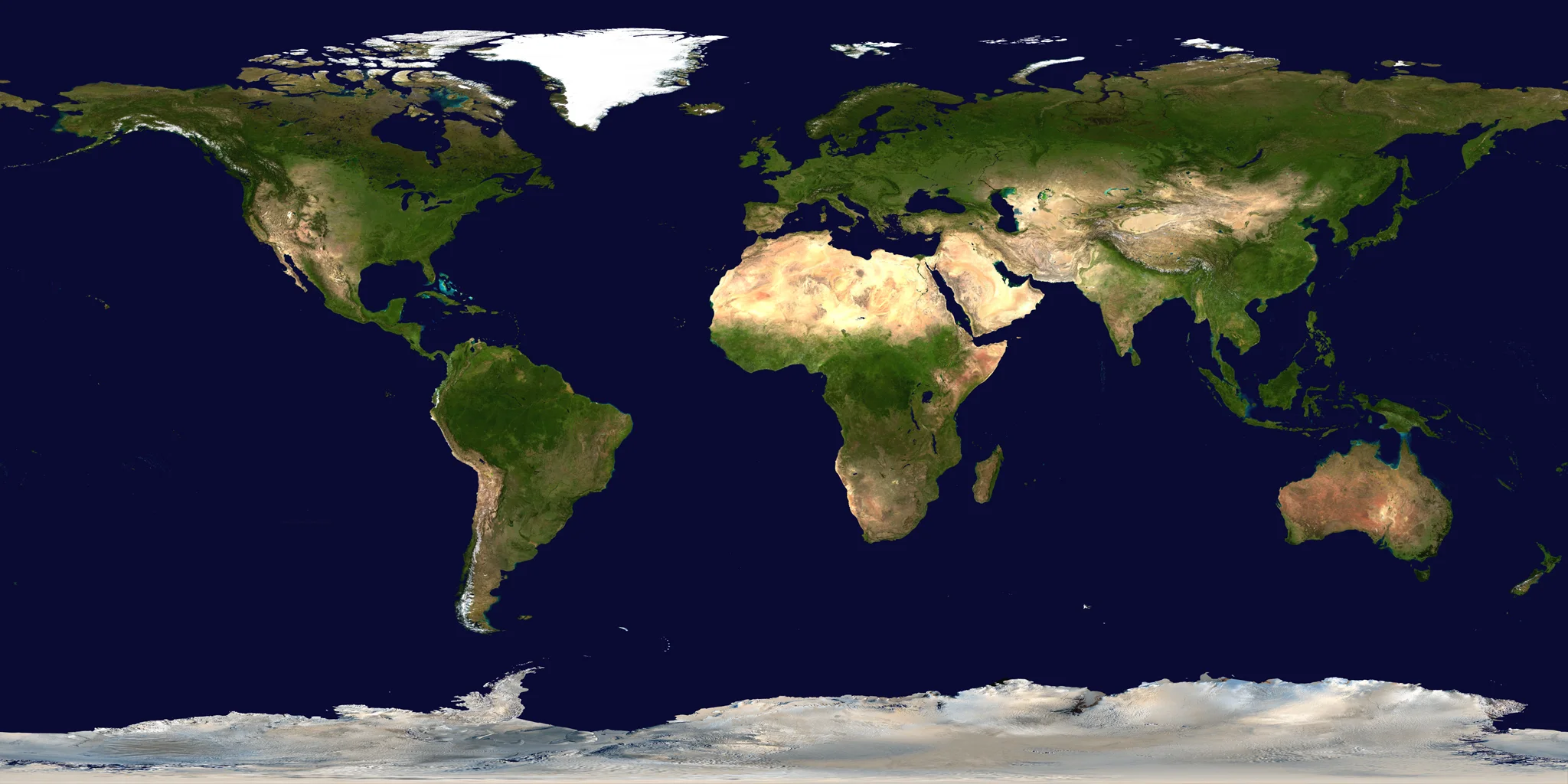
Coverage & sources
Links supplied by the mission data provider.
Coverage and times may change.
Explore on iPhone
Browse mission details and discover upcoming launches in Spacian.
Open mission in Spacian ↗