
Launch service provider and launch vehicle confirmed.
Update ↗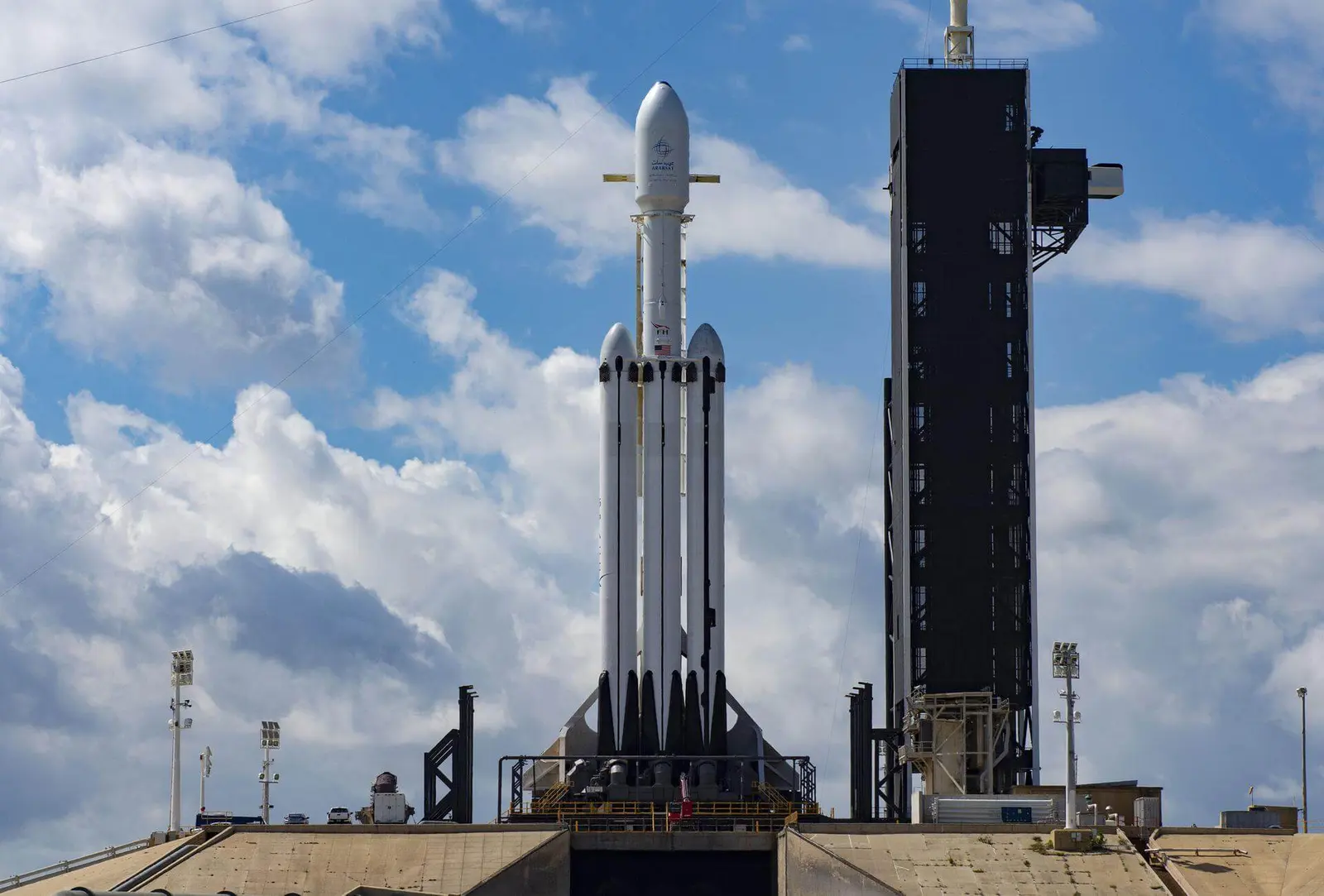
SpaceX日程未定
ExoMars 2028 Rosalind Franklin Rover
Falcon Heavy
ミッションの目的概要は英語
ESA’s Rosalind Franklin rover is planned for a 2028 Falcon Heavy launch. It will investigate Mars with cameras, spectroscopy and subsurface sampling using a drill reaching up to two metres. Earth trials of the Charlie prototype rehearse navigation and science operations; prototype results are not a guarantee of Mars performance.
2028年10月・日付未定
保存したミッションはマイページで確認できます。 リマインダーや予定変更の通知を受け取るには、iPhoneアプリでこのミッションをフォローしてください。
公表されている予定
2028年10月。日付と時刻は未定です。
発表元の更新:
発表元を確認:Launch Library ↗
ミッションの更新
このページを表示している間、予定の変更を確認します。
このタブを開いて表示している間だけ、通知を受け取れます。
目標時刻まで
日時未定
打ち上げ予定は変更される場合があります。
発射場所Kennedy Space Center, FL, USA
関連記事・英語
Charlie’s desert trial rehearsed the decisions Rosalind Franklin will make on Mars
A prototype drove in Spain while scientists planned from Turin. The rehearsal tested rover navigation and the daily choice of where to look, before Rosalind Franklin’s planned 2028 launch.
In this report
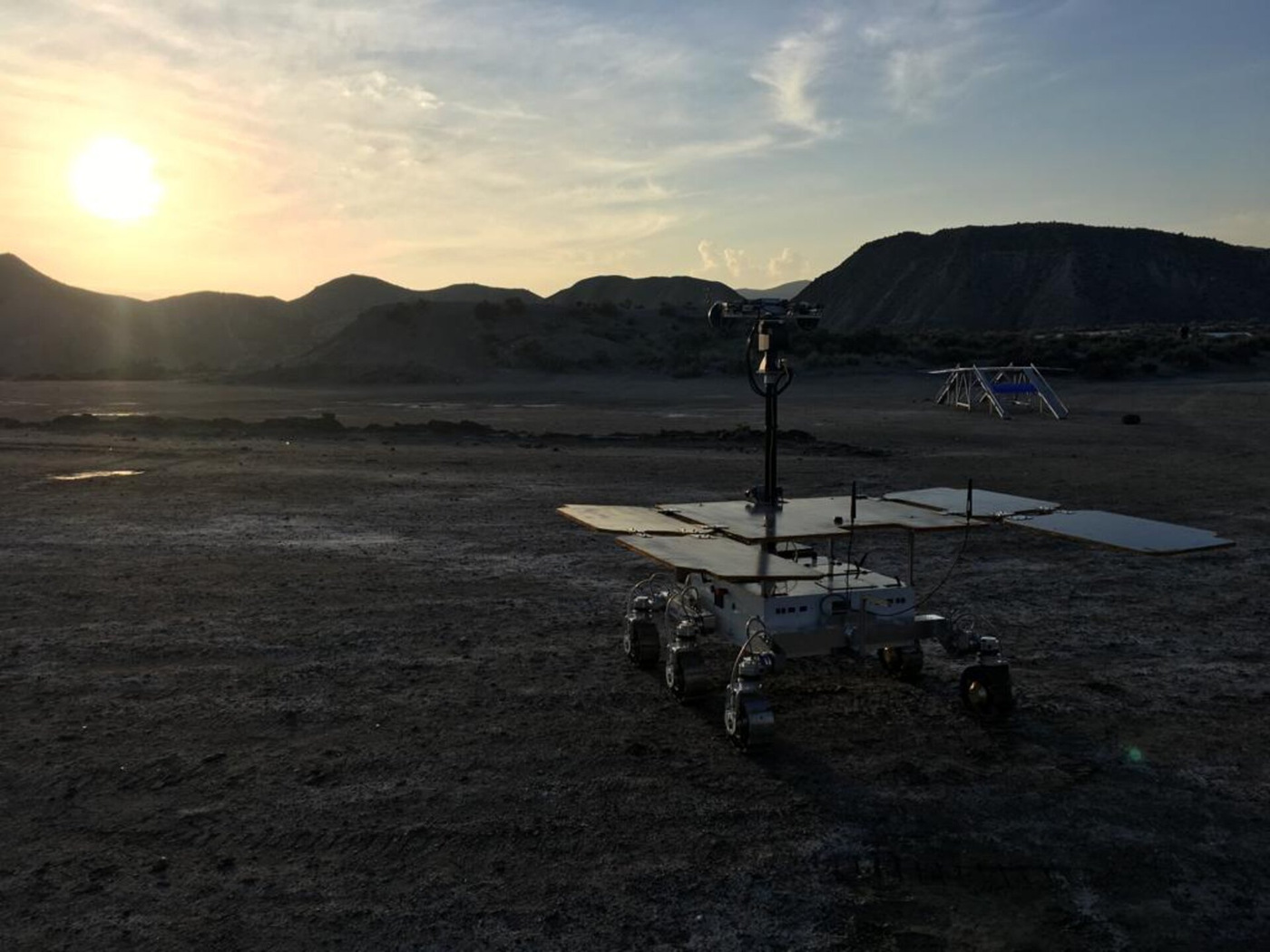
ESA’s Rosalind Franklin rover, planned for a 2028 launch on Falcon Heavy, has a rehearsal partner on Earth. In September 2026, the Airbus-built prototype Charlie explored Spain’s Tabernas desert while a science team worked from Turin. ESA’s October report describes a test of navigation and operations for the future Mars mission—not a rover already driving on Mars. [2] [1]
A route is also a scientific choice
The remote team received images, measurements and location information, then chose targets and the activities to attempt next. Cameras supplied landscape and close-up context; spectral and radar information helped the team decide which sites deserved attention. A safe drive is useful only if it brings the instruments to somewhere worth investigating. Selecting the destination and carrying out the journey are connected jobs, but they are not the same job. [1]
What the trial actually measured
ESA reports 220 metres travelled over eight days of driving. Within that activity, Charlie completed an autonomous segment of more than 60 metres on day six. The agency reports less than one percent navigation error for that segment, without defining the metric in the public account. The autonomous segment must not be presented as the total distance, nor the Earth result as a guaranteed performance level on Mars. ESA separately describes a 20-day overall campaign, which included planning and other work. [1]
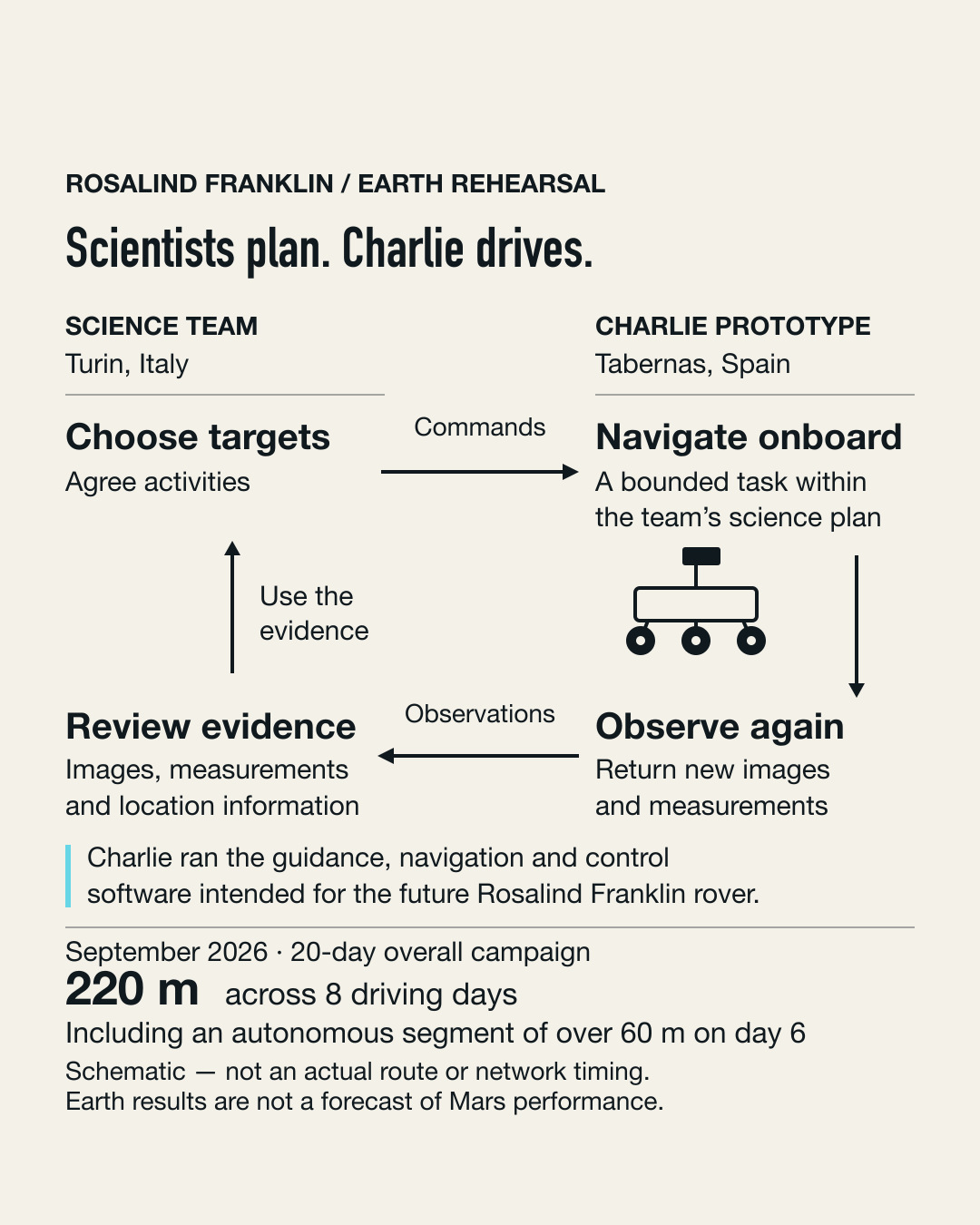
Charlie ran the guidance, navigation and control software intended to help Rosalind Franklin reach targets while avoiding hazards. That is why a prototype can be a useful test without being the flight vehicle. The software has to translate a chosen destination into actions using the information available onboard. An autonomous traverse is a task inside a human-approved investigation; it does not mean the scientists have stopped choosing what to study. [1] [3]
The uncertain slope
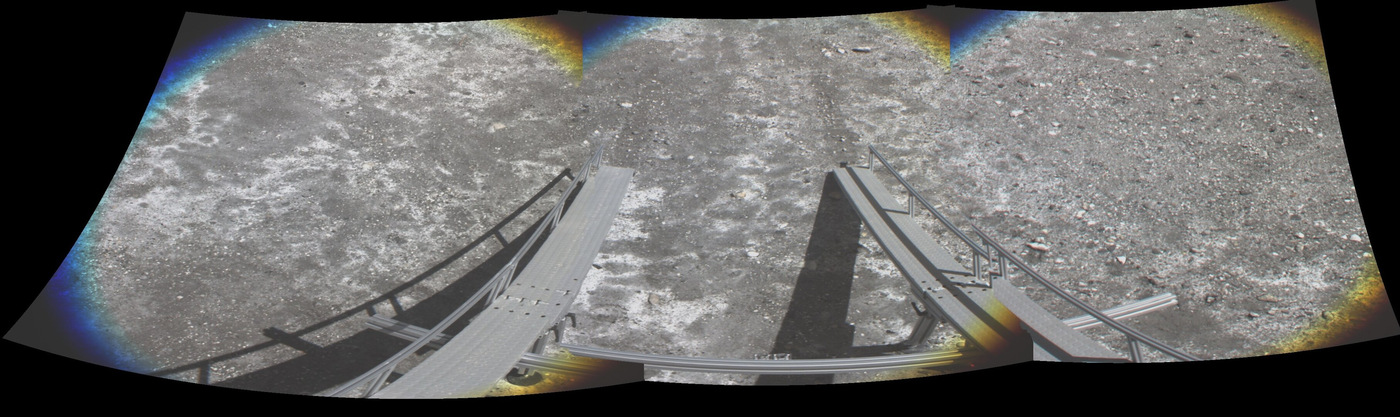
One reported incident concerned a slope whose steepness was difficult to judge remotely. The team initially took a conservative approach. A digital elevation map then showed a gentler incline. The lesson is operational: a picture may leave an important geometric question unanswered, and a different representation can change a route decision. The trial also exposed the team to rain and replanning, so preparation included revising priorities as conditions changed. [1]
From terrain to a sample
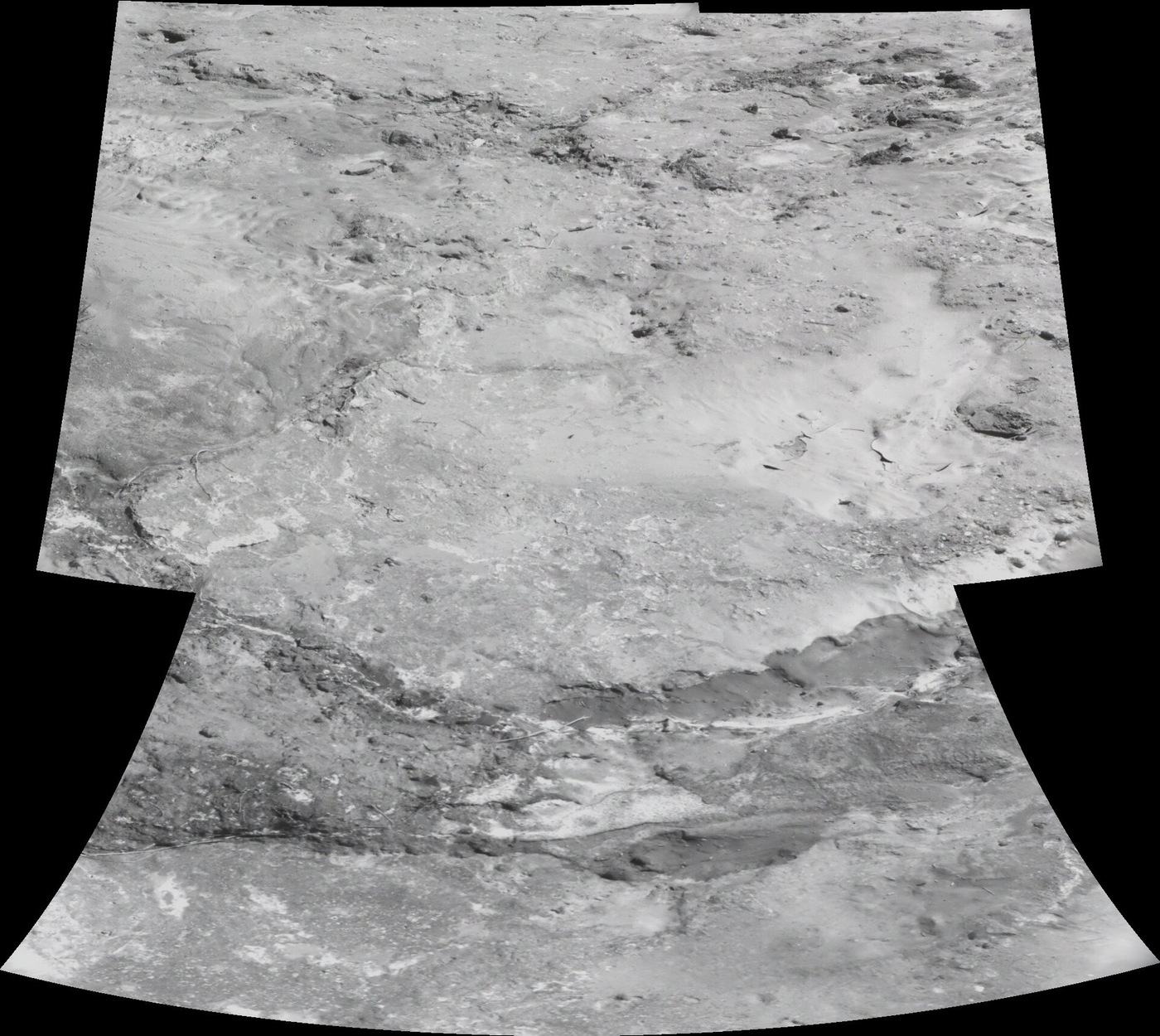
The future mission’s scientific objective is to investigate whether Mars has hosted life. Its instrument suite combines cameras, spectroscopy and subsurface investigation; the planned drill can collect material from as deep as two metres. Reaching a scientifically promising location is therefore a prerequisite, not the final answer. A panorama supplies context, a close-up addresses smaller features, and laboratory analysis asks chemical questions about material brought into the rover. A successful drive demonstrates mobility, not biology. Organic molecules also need interpretation: they can form through biological or non-biological processes. [2] [8]
The September invitation to the field trials described a satellite link between the Spanish site and the Rover Operations Control Centre in Turin. That arranged Earth connection is not evidence that the test reproduced every delay, relay window or environmental condition of Mars. It isolates useful parts of the workflow while leaving other risks for later work. [4]
The next rehearsal is still ahead
ESA says the next field test is planned for summer 2027, with additional complexity involving the Trace Gas Orbiter. That is a future exercise, not an achieved result. The purpose of the present rehearsal is narrower and concrete: make the chain from downlinked evidence to a useful, safe onboard task more dependable before Rosalind Franklin’s mission. Keep the canonical launch record as the destination for current schedule and vehicle information. [1] [2]
Sources and credits (8)
- European rover trains for Mars in the desertwww.esa.int · Checked 2026-11-02
- ExoMars factsheetwww.esa.int · Checked 2026-11-02
- #NextSpace: Mission to Marswww.airbus.com · Checked 2026-11-02
- Mars rover field trials in Spainwww.esa.int · Checked 2026-11-02
- Rover view from landing platformwww.esa.int · Checked 2026-11-02
- Looking at a Mars-like surfacewww.esa.int · Checked 2026-11-02
- ExoFitnesswww.esa.int · Checked 2026-11-02
- NASA’s Curiosity Finds Organic Molecules Never Seen Before on MarsNASA / Jet Propulsion Laboratory · Checked 2026-11-02
ミッションのデータ
- 打ち上げ機
- Falcon Heavy
- ミッションの種類
- Robotic Exploration
- 投入先の軌道
- Heliocentric N/A
- Launch pad
- Launch Complex 39A
- 運用機関
- SpaceX
機体の構成
公表された仕様と、この機体の飛行歴。
打ち上げ機
Falcon Heavy
機体の説明・英語
The Falcon Heavy is a variant of the Falcon 9 full thrust launch vehicle and consists of a standard Falcon 9 rocket core, with two additional boosters derived from the Falcon 9 first stage.
- 高さ
- 70 m
- 直径
- 12.2 m
- 段数
- 3
- 記録された打ち上げ数
- 14
- 初飛行
- 2018-02-06

Core
Unknown FH
Strap-On Booster
Unknown FH
Strap-On Booster
Unknown FH
打ち上げ可能時間帯
詳しい打ち上げ可能時間帯は、まだ公表されていません。
発射場所
Kennedy Space Center, FL, USA
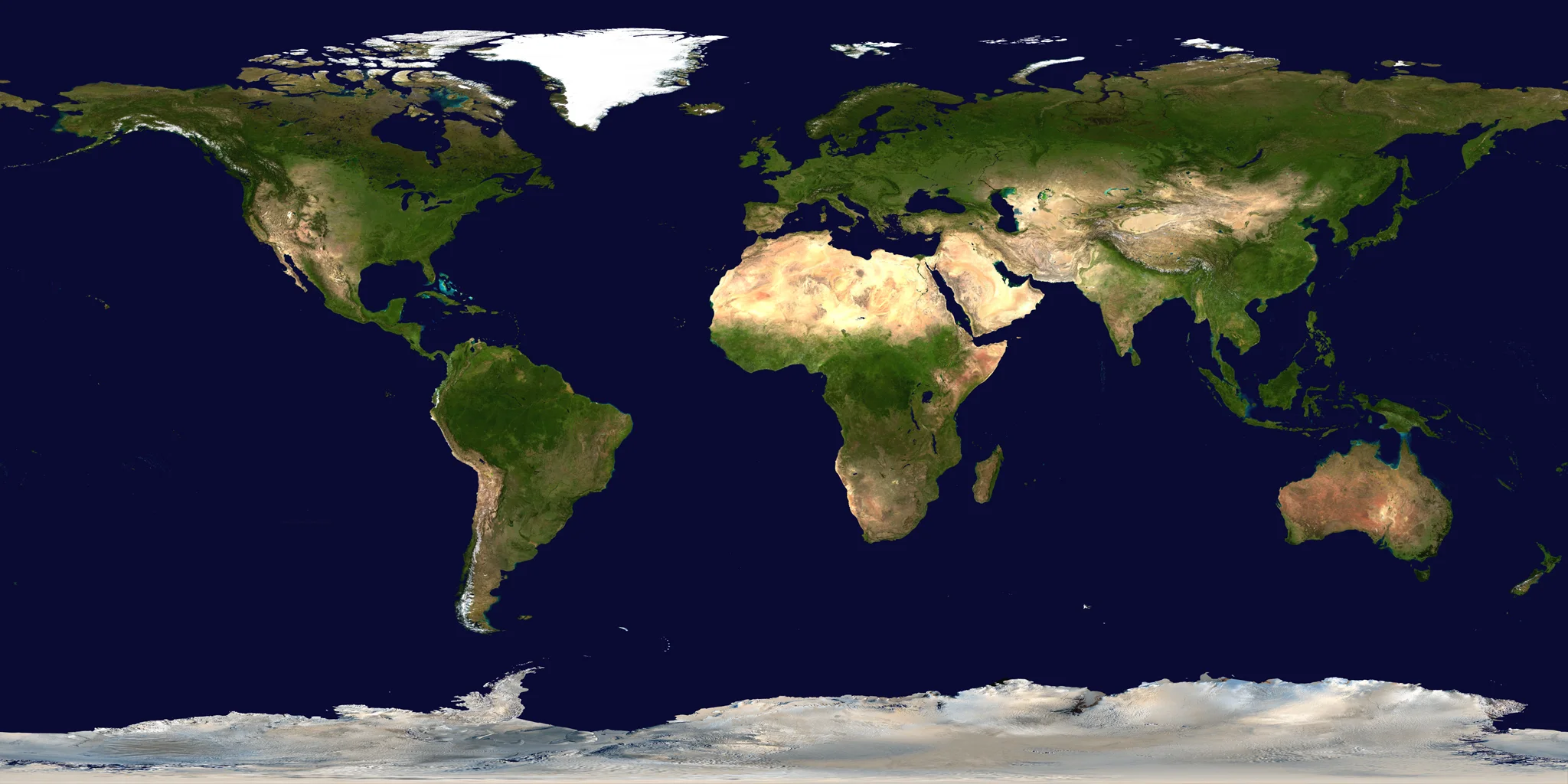
発射場所Launch Complex 39A
Drag to rotate
この表示について
Published destination: Heliocentric N/A.
NASA geography with illustrative lighting. No live tracking or simulated ascent. NASA Blue Marble source.
現地で見る
見学前に確認すること
Check the visitor complex’s viewing options, admission and availability for this specific launch.
延期に備えて日程に余裕を持ち、当日も予定時刻、現地の天気、道路の規制を確認してください。
Kennedy Space Center launch viewing ↗出発前の確認
- 予定日時と打ち上げ可能時間帯を確認する。
- 公式の見学場所と、予約の要否を確認する。
- 許可された見学場所を利用する。発射台へ向かわない。
- 現地で見られない場合に備えて、配信のリンクを控えておく。
中継・出典
ミッションの中継
配信リンクは、まだ公開されていません。
関連する資料
Launch Library Android テスト版参加グループを開く クローズドテスト版1.6.0(4)では、サインイン、プレミアム、通知を利用できません。まずGoogleグループに参加し、同じGoogleアカウントでGoogle Playのテストに登録 ↗してください。