

Inside spaceflight / 10Mars
What would count as evidence of life on Mars?
Rosalind Franklin is being prepared to investigate Mars with a drill and an onboard laboratory. Its planned samples reach below the exposed surface. The purpose is to examine a better-preserved record, then test competing explanations for what that record contains.
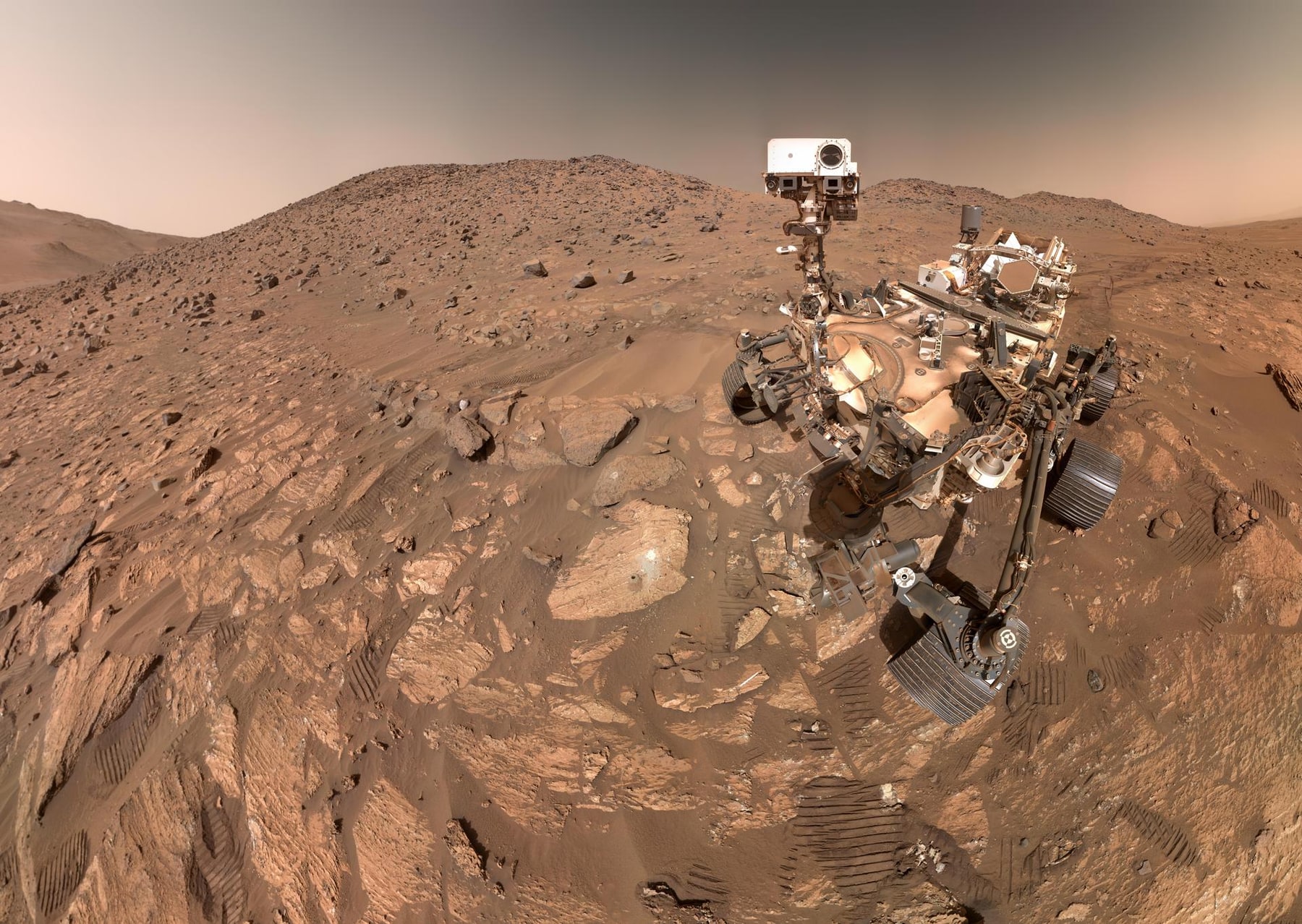
The drill changes which history can be examined
The planned Rosalind Franklin rover can acquire samples from up to two metres below the Martian surface. Its investigation brings together the surrounding geology, subsurface observations and laboratory analysis. The depth is a sampling capability, not a claim that a biological signal waits at exactly two metres. [1]
Material exposed at the surface can be changed by irradiation and chemical processes. Going deeper may offer access to a different preservation history. Researchers still need to understand the rock, the environment in which it formed and the changes it experienced afterward. No universal boundary separates a damaged surface from a perfectly preserved archive. [2]
Why sample below the surface?
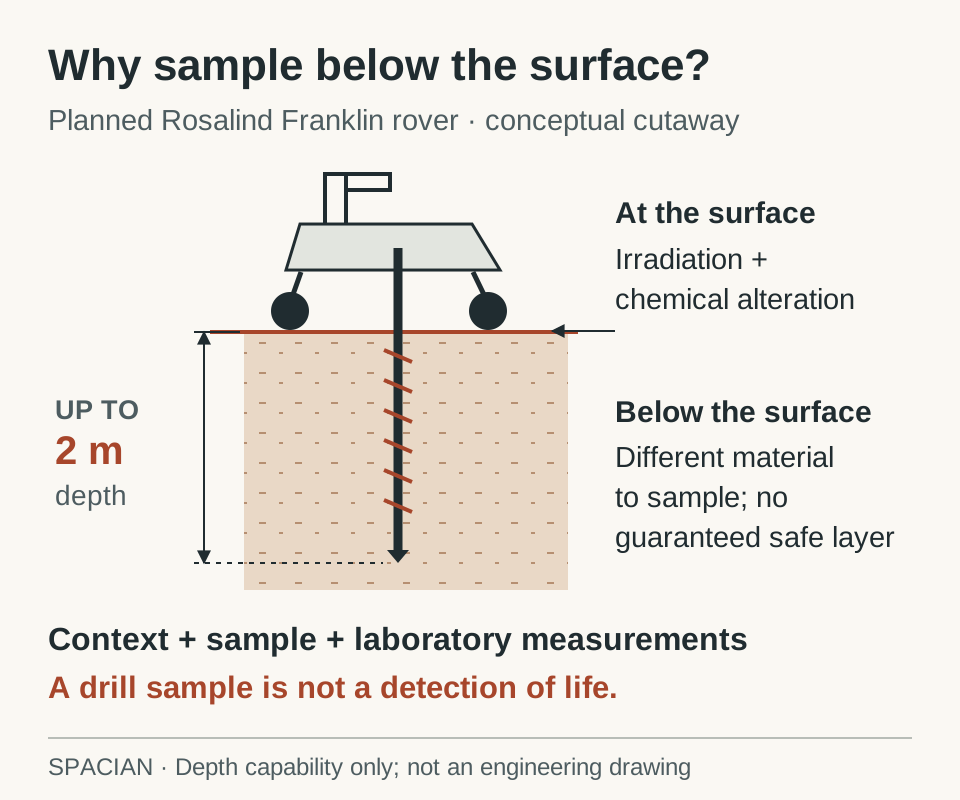
The dimension shows a planned maximum sampling depth. The surface, layers and drill are conceptual, with no inferred radiation curve.
- Surface irradiation and chemical alteration can change ancient organic records. Depth changes which material can be sampled.
- The planned Rosalind Franklin rover can collect samples from up to 2 metres below the surface; this is a capability, not a completed measurement.
- Context, sampling and laboratory measurements are interpreted together. A drill sample is not itself a detection of life.
Original Spacian illustration · [2] [3] Download diagram ↗
A suitable environment is not an inhabited environment
Habitability describes conditions that could support life. An inhabited environment is one in which life actually existed. Geological evidence for water can help establish the first kind of claim without establishing the second. A former river or lake is a place to investigate, not an organism preserved in the landscape. [4]
Organic molecules are also not a verdict. Their carbon-based chemistry makes them scientifically interesting, but biological activity is not their only possible origin. A measurement becomes more informative when it is connected to mineralogy, texture and the history of the sample. Finding several related clues is useful because each can test a different part of an explanation. [5]
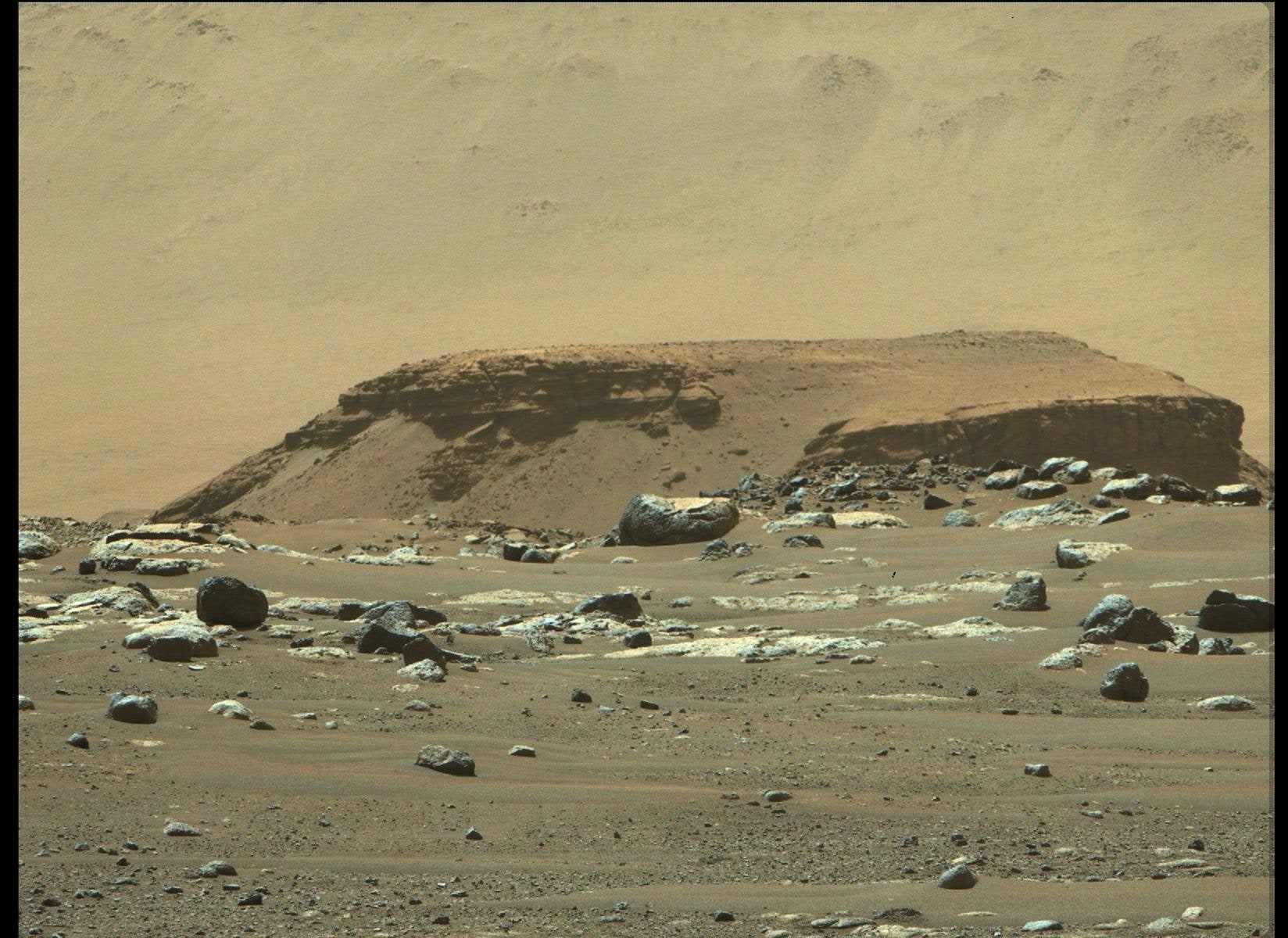
A useful reading habit is to ask what the instrument actually measured before reading what the result might mean. An image, a spectrum and a chemical map are different observations. The interpretation must explain their agreement and their limitations. [2]
What “potential” adds to a reported result
NASA described potential biosignatures in the Sapphire Canyon sample collected by Perseverance from the rock Cheyava Falls. The wording matters. A potential biosignature may have a biological origin, but it requires additional evidence or investigation before a conclusion about life can be reached. [3]
The interesting evidence is a spatial pattern within organic-carbon-bearing mudstone. Small nodules and reaction fronts concentrate iron phosphate and sulfide minerals, interpreted as likely vivianite and greigite. Such chemistry can accompany microbial processes on Earth. The question is whether the Martian pattern requires biology or can arise through nonbiological reactions under the conditions the rock experienced. [6]
The photograph above shows Perseverance near Cheyava Falls. It does not show a microscope image of life. Keeping the visible scene, the laboratory measurement and the scientific interpretation distinct is essential when reading an exciting discovery. [3]
Why a laboratory is a collection of tests
Rosalind Franklin’s Pasteur payload is designed as a coordinated investigation. Observations at progressively smaller scales help select and characterise material before its chemistry is interpreted. A result can become more convincing when independent methods address different weaknesses in the same hypothesis. [2]
Imagine two proposed explanations for a sample. One requires past biological activity; another uses a sequence of nonbiological reactions. A useful new measurement is one for which those explanations predict different outcomes. Repeating a visually striking observation is less informative than testing a consequence that could show one explanation to be wrong. This is the logic of competing explanations, not a description of a life-detection verdict already reached on Mars. [5]
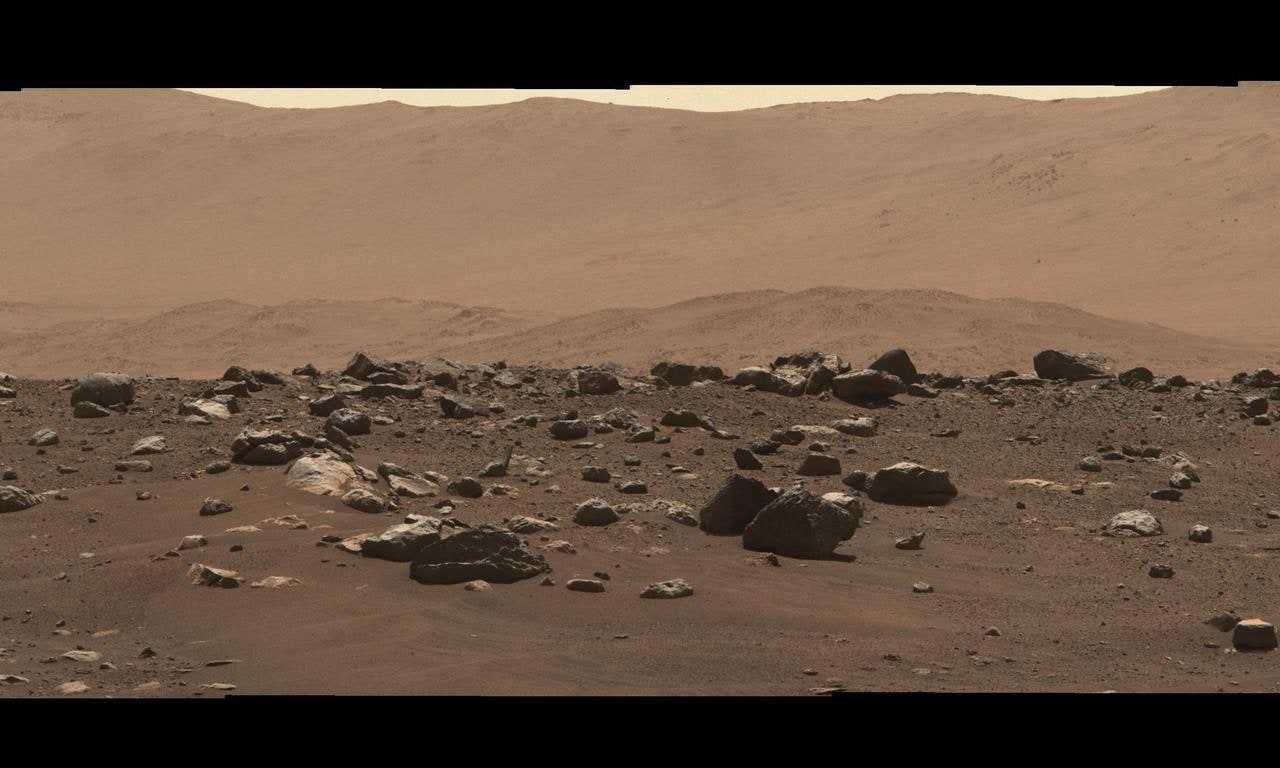
An unresolved result should therefore lead to a sharper question: which additional observation would distinguish the alternatives? A rover’s mass, available instruments, energy and access to suitable samples constrain which of those tests can be performed on the planet. [2]
What to follow as the investigation develops
For the planned mission, the meaningful progression includes hardware readiness, the choice of an appropriate site, the success of sampling and the measurements ultimately returned. Each is a different milestone. A successful launch will establish that a spacecraft left Earth; it will not establish that its scientific question has been answered. [5]
For a scientific result, follow the exact sample, the method, the alternative explanations and the remaining uncertainty. Those details let a discovery become more useful as evidence accumulates. They also give a clear reason to return: to learn what a new observation changes about a question already worth asking. [3]
Read the evidence
Sources & image credits
- ESA · Drilling into Mars, February 2025 ↗
- ESA · Rosalind Franklin mission and its scientific investigation ↗
- NASA/JPL · Potential biosignature in Sapphire Canyon, September 2025 ↗
- NASA · Perseverance science highlights ↗
- NASA Astrobiology · ExoMars Rosalind Franklin ↗
- Nature · Redox-driven mineral and organic associations in Jezero Crater, Mars (2025) ↗
Technical explanation by Spacian, reviewed against the linked sources. Photographs retain their original dates, creators and reuse terms in their captions. Original diagrams explain mechanisms and do not reproduce engineering drawings or flight telemetry. Editorial policy and corrections.
Continue the story
Follow the mechanism
MarsReading an ancient lake
Read a Martian landscape through its channels, sediments and chemistry, then separate evidence of ancient water from a claim that life existed.
Read the explanation Mars
Communicating with a rover
Calculate one-way and round-trip radio delay, then see how command planning, onboard navigation and orbital relays change exploration on Mars.
Read the explanation