

Inside spaceflight / 07How things work
Before the second flame
Amazon Leo LE-04 is preparing to fly on Ariane 6, whose Vinci upper-stage engine can restart in space. Before another flame is useful, the stage must put its propellant, temperature, pressure and direction back into a usable state.
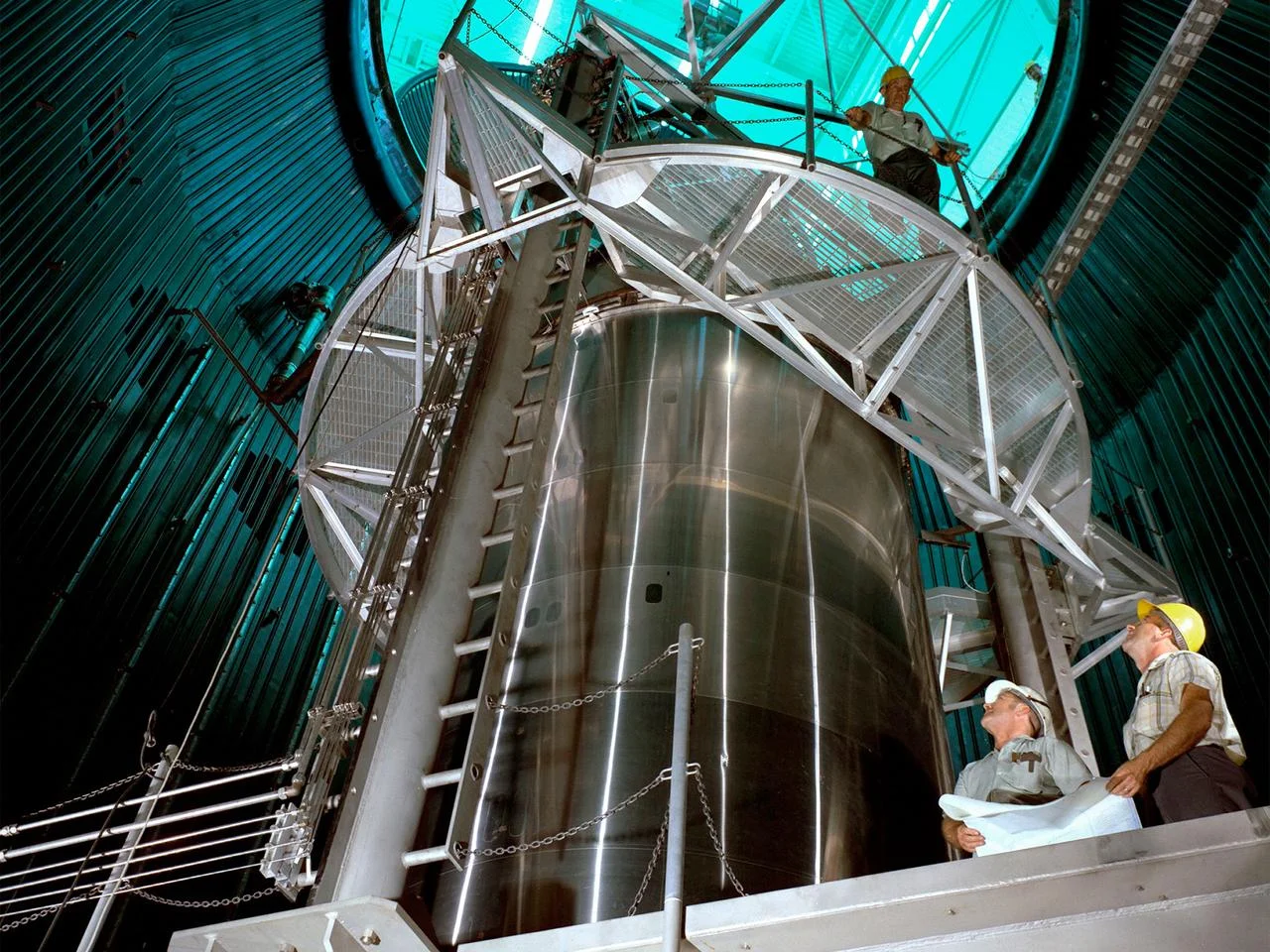
A long flight is not one long burn
Arianespace’s current plan puts Amazon Leo LE-04 on an Ariane 64 no earlier than 23 November 2026, carrying 36 satellites. It gives about two hours and four minutes from liftoff to the last satellite separation. That duration describes the mission, not two hours of continuous engine firing. The detailed burn and coast timetable for this flight is not specified in that announcement. [1]
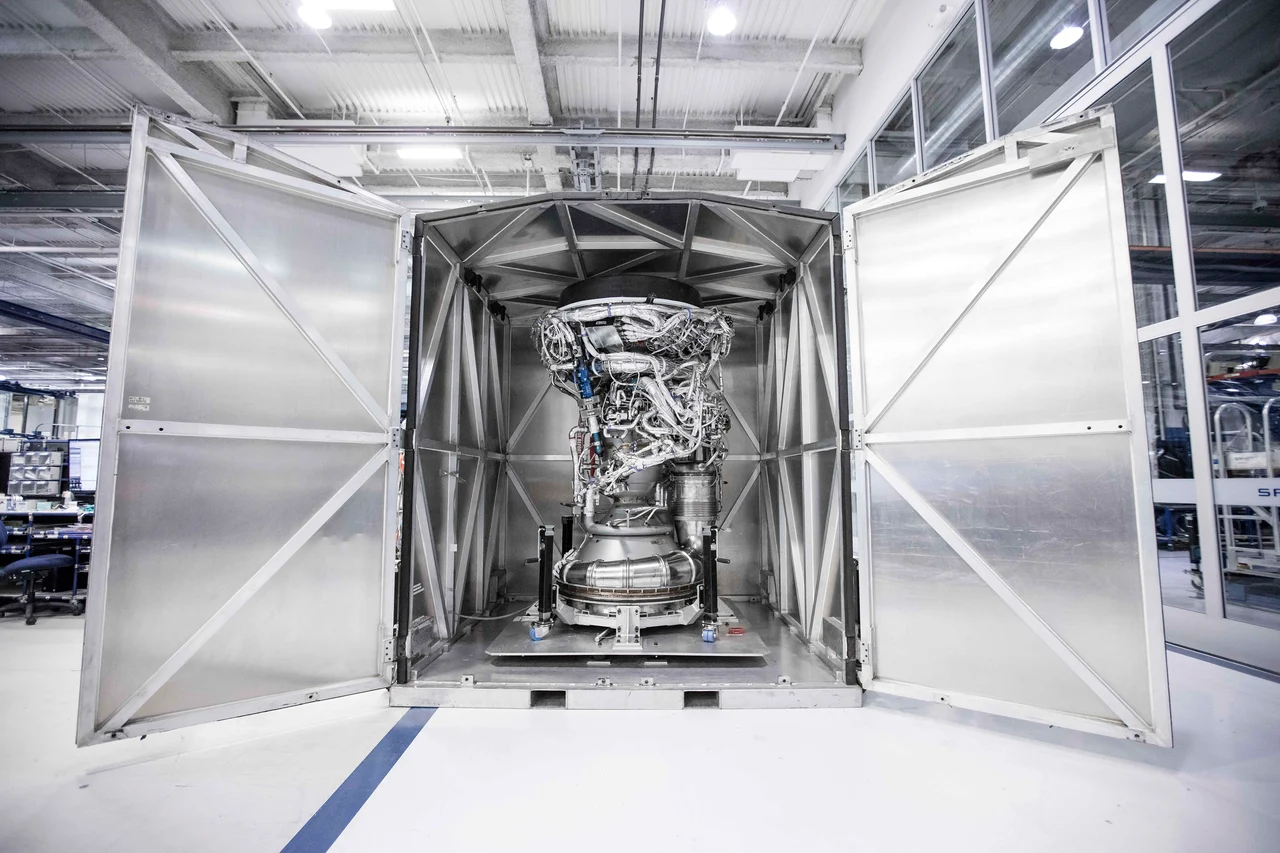
The relevant hardware is Vinci, Ariane 6’s restartable hydrogen-and-oxygen upper-stage engine. An upper stage can change velocity during a burn, shut down, coast to another useful point, then burn again. Restart capability gives a mission designer more choices about where those velocity changes happen. It does not mean every flight uses every available start. [2]
This article follows that engineering problem, rather than predicting LE-04’s unpublished sequence. The historical Centaur stage above is a different vehicle: it shows how engineers tested an entire upper-stage system, not what the Amazon mission’s hardware looks like. [3]
The engine stops. The flight continues.
In orbit, a spacecraft and its contents are falling together. Switching off thrust does not switch off motion, and gravity has not disappeared. A coast lets the vehicle reach a different position before the next planned change of velocity. The engine therefore needs to be ready at the required point in the flight, rather than simply as soon as another start is possible. [4]
That distinction changes the job of the propulsion system. During a main burn, thrust gives the stage and its tank contents a persistent acceleration. During a coast, liquid behavior depends on much smaller forces, the tank geometry and the vehicle’s motion. A tank can still contain plenty of propellant while its outlet is not supplied with the liquid condition the engine requires. [5] [6]
Burn, coast, burn
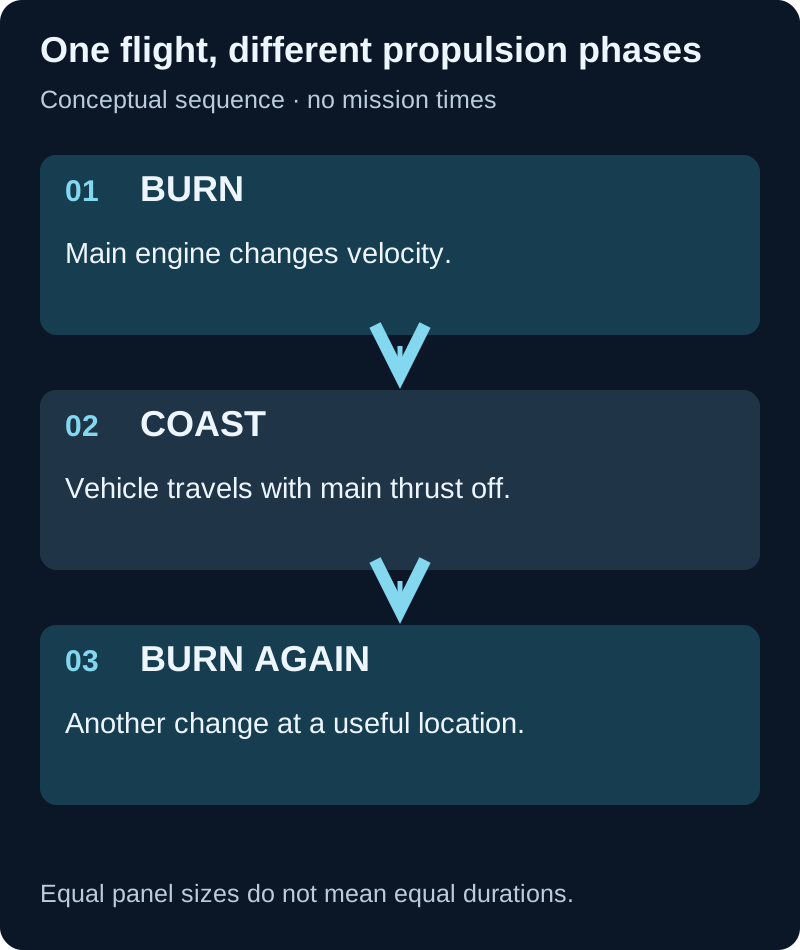
Conceptual sequence, not LE-04 telemetry or a planned mission timeline. The panels have equal visual size; they do not encode equal duration.
- Coasting is continuing flight; it is not a stop.
- The next useful burn is tied to the mission trajectory.
Original Spacian illustration · [4] [2] Download diagram ↗
First, make the outlet a liquid outlet
A pump-fed liquid engine is designed around a particular supply at its inlet. Feeding it an unexpected pocket of vapor changes that supply. Settling provides a small sustained acceleration so liquid gathers toward the appropriate end of the tank. It is a way to establish a useful fluid configuration before asking the main engine to generate much larger thrust. [6] [7]
Settling makes liquid available
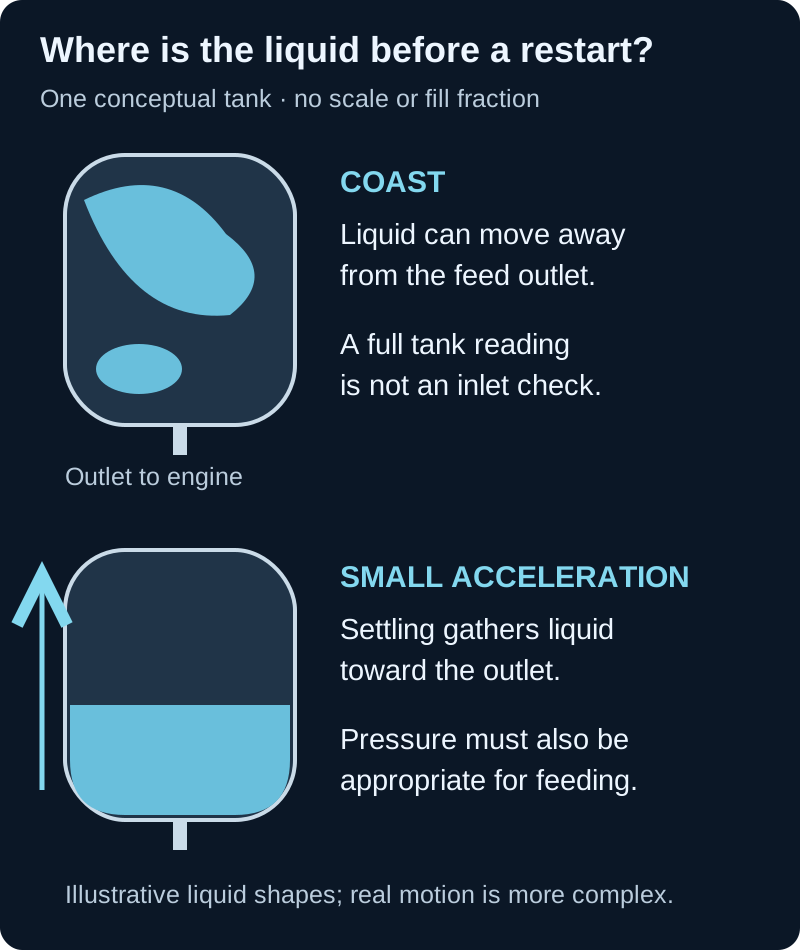
One conceptual tank, not a cutaway of Ariane 6. Actual stages have separate tanks, internal hardware and more complicated fluid motion. No liquid fraction or acceleration magnitude is specified.
- Settling controls liquid position at the outlet.
- Tank pressure and thermal state still need their own preparation.
Original Spacian illustration · [6] [8] Download diagram ↗
Ariane 6’s Auxiliary Power Unit works with Vinci. ArianeGroup describes it as both supporting tank pressurization and providing the acceleration needed for propellant settling in weightlessness. It uses small quantities of the stage’s own liquid hydrogen and oxygen. Settling and pressurization are related preparations, but one describes where the liquid is and the other describes the pressure available to feed it. [8] [6]
Cold propellant needs a cold route
A cryogenic restart also has a thermal problem. Hardware that has warmed during a coast can transfer heat into incoming liquid and create vapor. Chilldown deliberately cools the relevant feed and engine components before the main start. The objective is an acceptable inlet and thermal state, rather than merely seeing a low tank-temperature reading. [5]
Research on Vinci chilldown describes a changing mixture of liquid and vapor as the cold front moves through warm hardware. It also explains why reduced gravity changes the flow pattern. The conditioning phase therefore consumes time and propellant and must be analyzed as a transient process. A neat diagram with a blue pipe cannot establish that the actual pipe is ready. [5]
The historical Centaur test program treated this as a system problem. NASA’s B-2 work examined engine conditioning and the supply of liquid to the pumps under simulated space conditions. The photographed stage was installed in a ground facility in July 1969; it is evidence of the testing approach, not a picture of propellant settling in orbit. [7] [3]
Ignition is one gate in the sequence
Once the stage is pointed correctly and its supply is ready, valves, ignition and engine startup must follow the engine’s qualified sequence. Different engines use different ignition hardware. A restartable Merlin Vacuum, for example, uses an ignition arrangement described in SpaceX’s Falcon User’s Guide; that does not make its start sequence interchangeable with Vinci’s. The shared requirement is controlled startup, not one universal space-engine spark. [9] [2]
A useful historical contrast is Saturn V’s S-IVB upper stage. Its Apollo 12 flight manual describes separate preparations for line conditioning, propellant settling and tank repressurization before the second burn. Auxiliary ullage thrust remains part of the transition until the main engine builds thrust. The timings belong to that Saturn mission and are not instructions for a modern Ariane flight. [10]
Five functions behind another flame
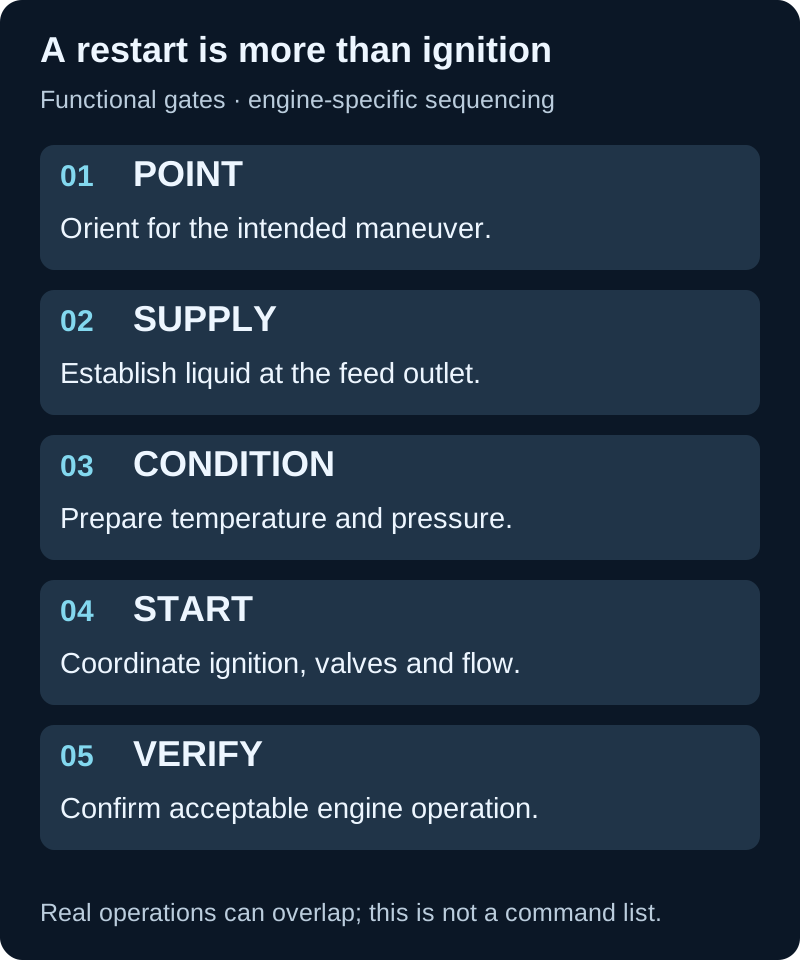
Functional prerequisites shown in a teaching order. Real control sequences overlap some operations and include engine-specific checks, limits and abort logic.
- Liquid position, thermal state and feed pressure are different conditions.
- A qualified control sequence coordinates the engine and supporting stage.
Original Spacian illustration · [10] [5] [11] Download diagram ↗
Restartable does not mean unlimited
An engine and stage are qualified for a defined operating envelope. Available propellant, start-system resources, electrical power, thermal conditions and allowed operating history all constrain a real mission. DLR’s upper-stage program tested more than the combustion chamber: it tested the assembled stage and its supporting systems. A successful single hot fire is useful evidence, but does not by itself qualify every long coast and restart combination. [11] [9]
Test conditions also matter. ESA explicitly noted that the 2022 Lampoldshausen campaign represented flight conditions except for vacuum and microgravity. A ground test can answer demanding questions while still leaving other environments to different tests, analysis and flight evidence. That boundary is part of the evidence, not a reason to treat all testing as equivalent. [12]
Why this is a mechanism diagram, not a countdown
The figures identify what each preparation accomplishes. They do not assign universal waiting times or valve commands. NASA’s documented Saturn sequence and modern Vinci development use different hardware and control strategies. Transfer the questions—liquid supply, thermal state, pressure, ignition and guidance—rather than copying one vehicle’s timing into another. [10] [12]
Read the next burn as a stage-wide event
On a future mission timeline, a second ignition marker compresses a much larger piece of engineering. The stage has spent the coast managing its condition, preparing the feed system and orienting for the next maneuver. The visible flame is the payoff; the preceding work is what makes that flame useful. [11] [8]
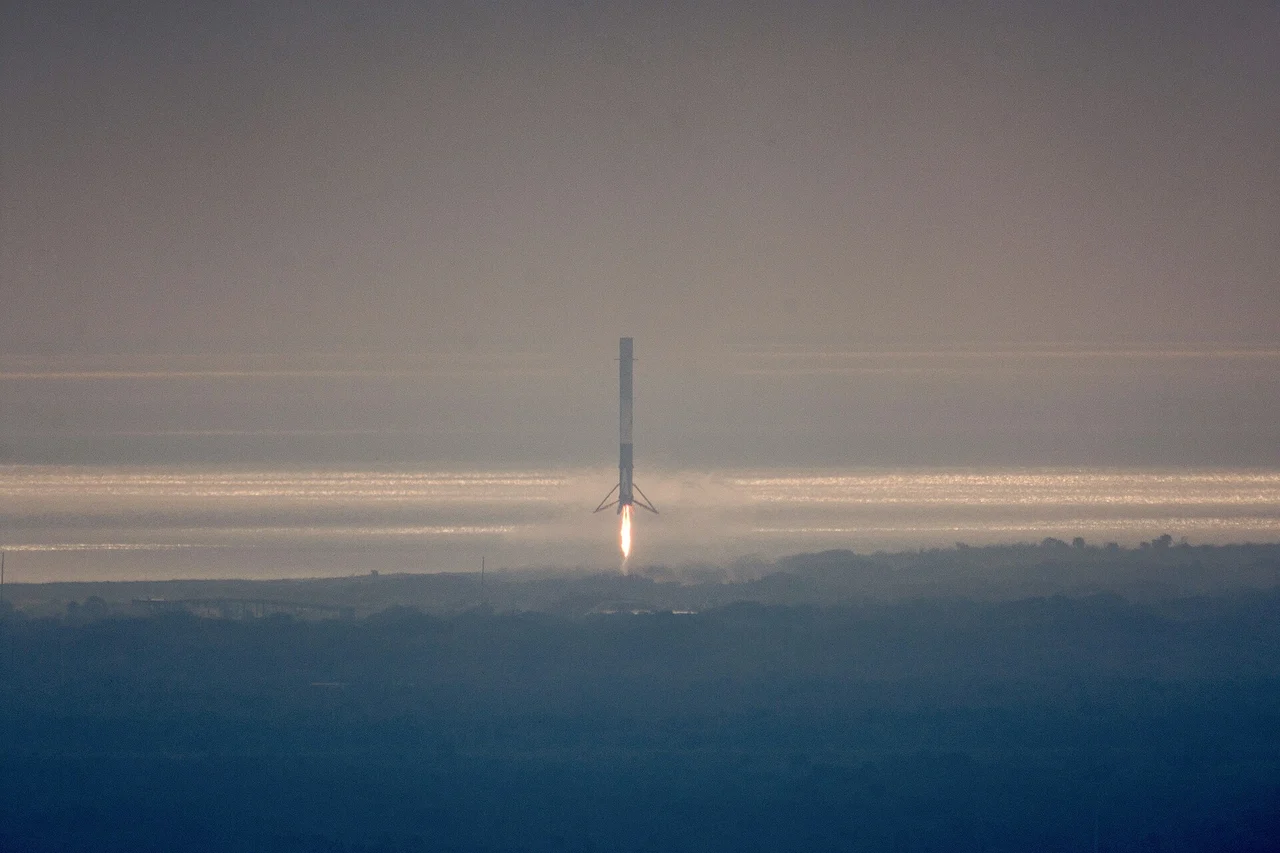
For Amazon Leo LE-04, keep the distinction between the published plan and the vehicle’s capability. The dated announcement establishes the payload, launch target and approximate deployment duration. Vinci’s restart architecture explains a tool available to the mission. The actual burn count, coast intervals and final trajectory must come from that mission’s own released flight plan. Follow the linked launch record below for the current schedule. [1]
Read the evidence
Sources & image credits
- Arianespace · Amazon Leo LE-04, NET 23 November 2026 ↗
- ESA · The engines of Ariane 6, 5 June 2024 ↗
- NASA Glenn · Centaur in B-2, July 1969, GRC-1969-C-02596 ↗
- NASA · Basics of Space Flight: Gravity and mechanics ↗
- Moreau et al. · Cryogenic upper-stage chill-down, EUCASS 2015 ↗
- ArianeGroup · The Ariane 6 APU is ready, 11 May 2021 ↗
- NASA · Taming Liquid Hydrogen, Centaur systems tests ↗
- ArianeGroup · Ariane 6 propulsion and upper stage ↗
- SpaceX · Falcon User’s Guide, May 2025 ↗
- NASA · Apollo 12 Saturn V flight manual, S-IVB restart sequence ↗
- DLR · Complete Ariane 6 upper-stage testing, 5 October 2022 ↗
- ESA · Ariane 6 upper-stage hot-fire tests, 6 October 2022 ↗
Technical explanation by Spacian, reviewed against the linked sources. Photographs retain their original dates, creators and reuse terms in their captions. Original diagrams explain mechanisms and do not reproduce engineering drawings or flight telemetry. Editorial policy and corrections.
Continue the story
Follow the mechanism
 How things work
Fuel before fire.
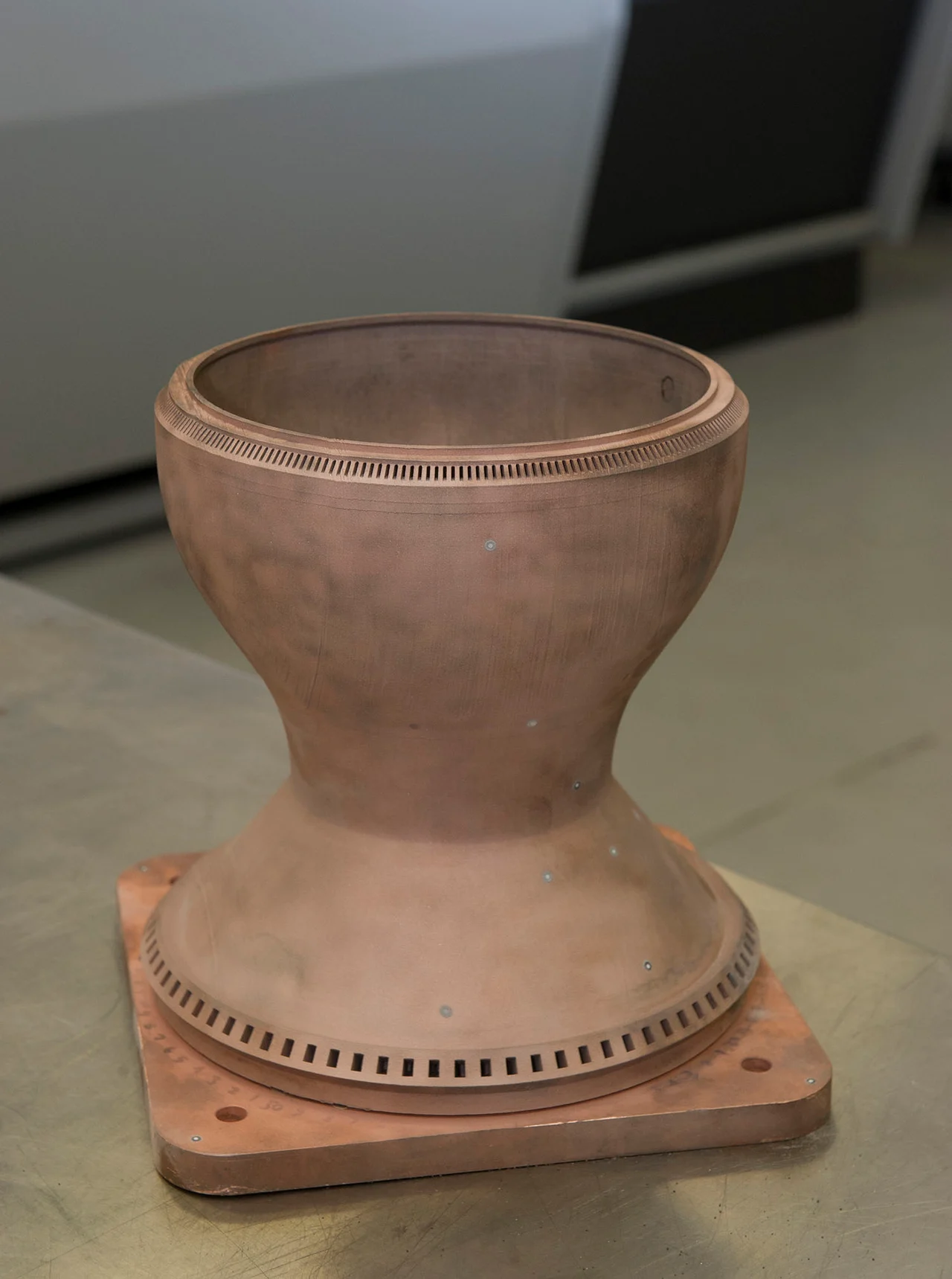
Follow heat through a rocket chamber wall. Real NASA hardware reveals how regenerative cooling works, why channels matter, and when film or ablative protection helps.
Read the explanation Inside the engine
Inside Merlin.
Inside the Merlin engine family: RP-1 and oxygen, the gas-generator cycle, cooling channels, vacuum nozzles and the different jobs engines do on Falcon 9.
Read the explanation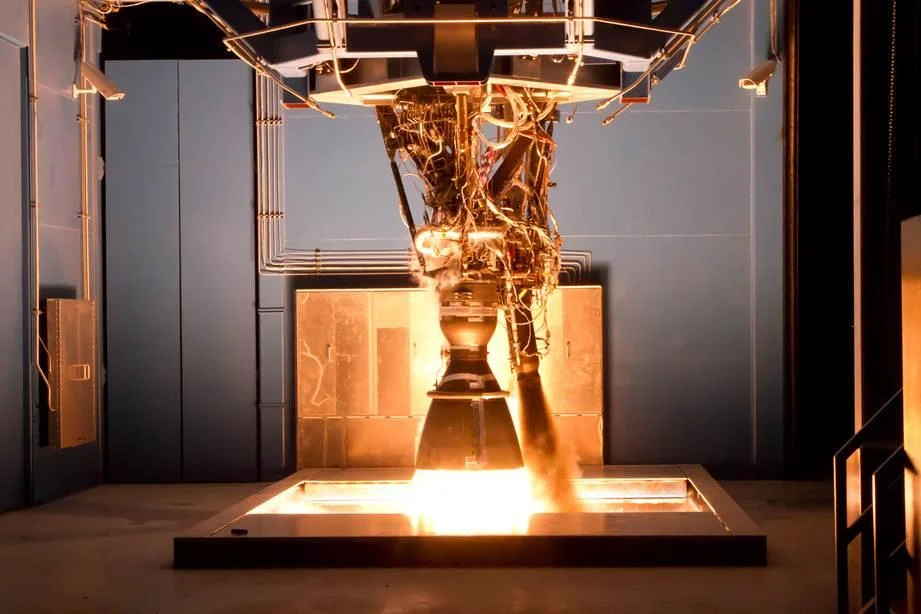 How things work
From liquid to liftoff.
Follow fuel, oxidizer and exhaust through a rocket engine, and discover why it works in empty space, how the nozzle makes thrust and what the pumps do.
Read the explanation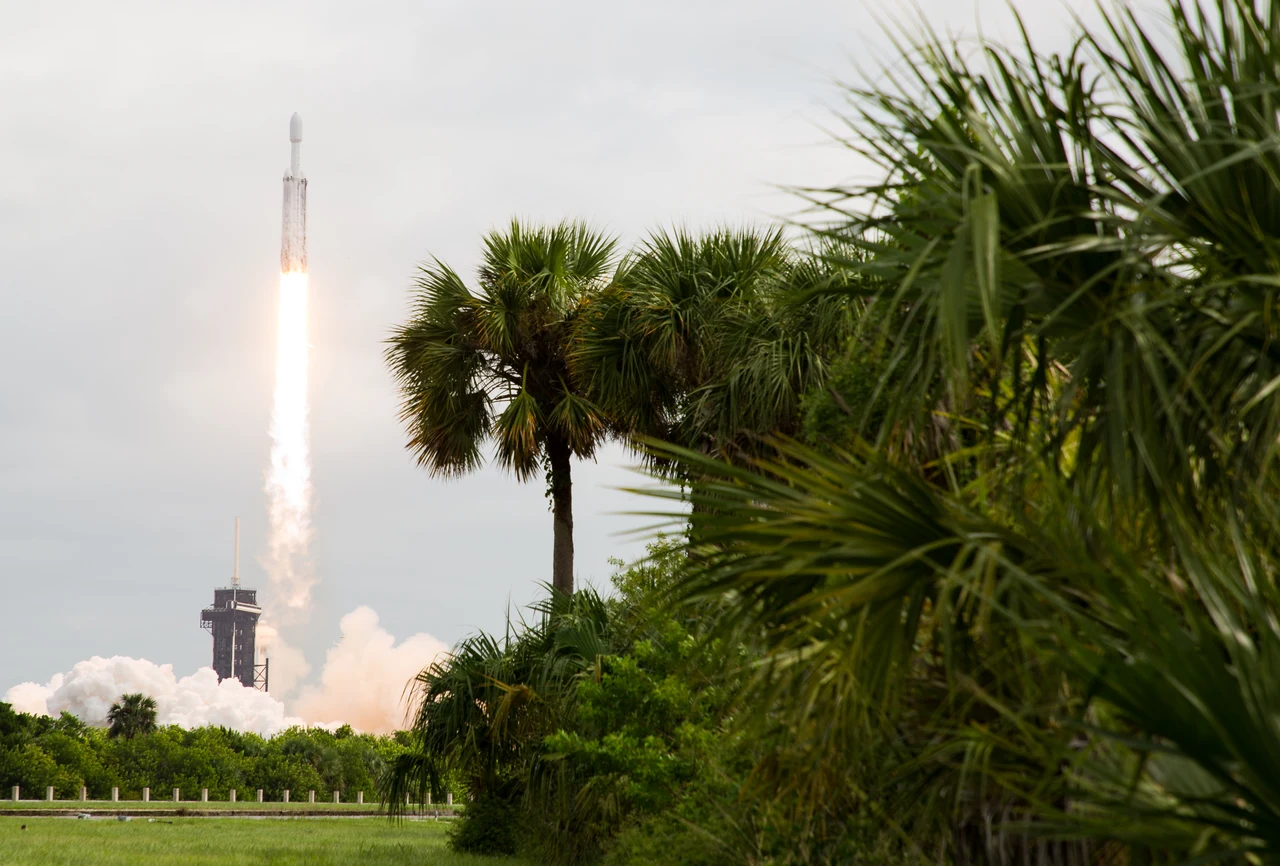 How things work
Leave the empty stage.
Why rockets discard hardware, how an upper stage continues the flight, and why engine cutoff, payload separation and booster recovery are different outcomes.
Read the explanation