
NET November 23.
Update ↗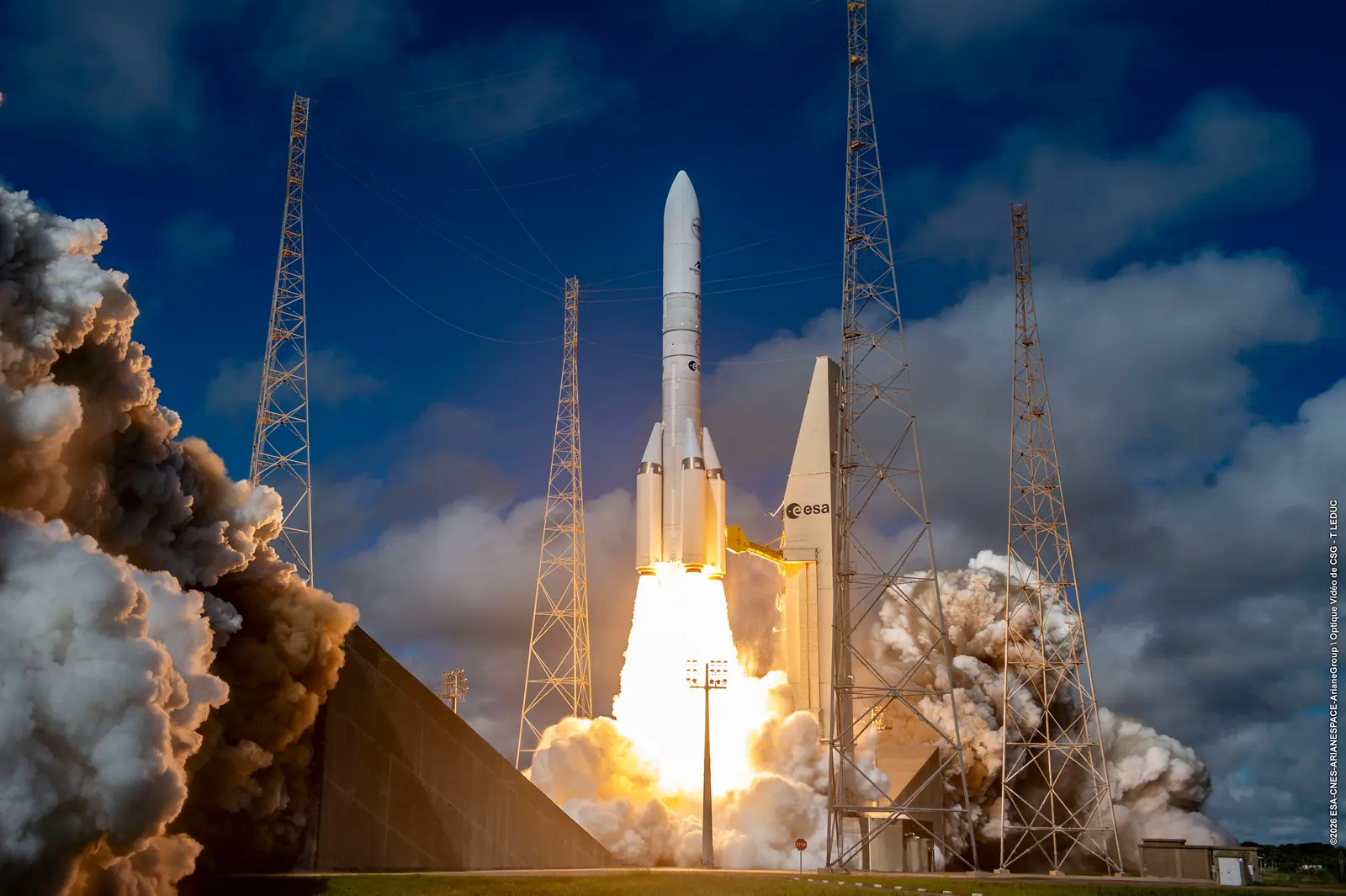
ArianespaceTo Be Determined
Amazon Leo (LE-04)
Ariane 64 Block 2
November 23, 2026 · time pending
Latest published target
November 23, 2026 · time to be confirmed. An exact time has not been published.
Source record updated . This is a source update, not a confirmed launch time.
Check the source: Launch Library ↗
The latest on this mission
What changed?
Checks for schedule changes while this page is visible.
Time to target
Target pending
Target time, not a confirmed liftoff.
LAUNCH SITEGuiana Space Centre, French Guiana
Mission
Amazon Leo, formerly known as Project Kuiper, is a mega constellation of satellites in Low Earth Orbit that will offer broadband internet access, this constellation will be managed by Kuiper Systems LLC, a subsidiary of Amazon. This constellation is planned to be composed of 3,276 satellites. The satellites are projected to be placed in 98 orbital planes in three orbital layers, one at 590 km, 610 km and 630 km altitude. 35-40 satellites will be carried on each Ariane 6 launch.
- Launch vehicle
- Ariane 64 Block 2
- Mission type
- Communications
- Destination orbit
- Low Earth Orbit
- Launch pad
- Ariane Launch Area 4
- Provider
- Arianespace
- Programs
- Amazon Leo
The vehicle
Published configuration and flight history.
Launch vehicle
Ariane 64 Block 2
Ariane 6 variant with four upgraded P160C solid boosters, enabling heavier payloads. Each P160C booster holds 14 additional tons of propellant, compared to the P120C boosters of the Block 1 variant.
- Height
- 63 m
- Diameter
- 5.4 m
- Stages
- 2
- Recorded launches
- 1
- First flight
- 2026-06-17
Launch window
A precise launch window has not been published.
Launch site & orbit
Guiana Space Centre, French Guiana
The mission in perspective
Launch site & orbit
Explore the launch pad, then pull back to see the shape of the destination orbit.
Understand this orbit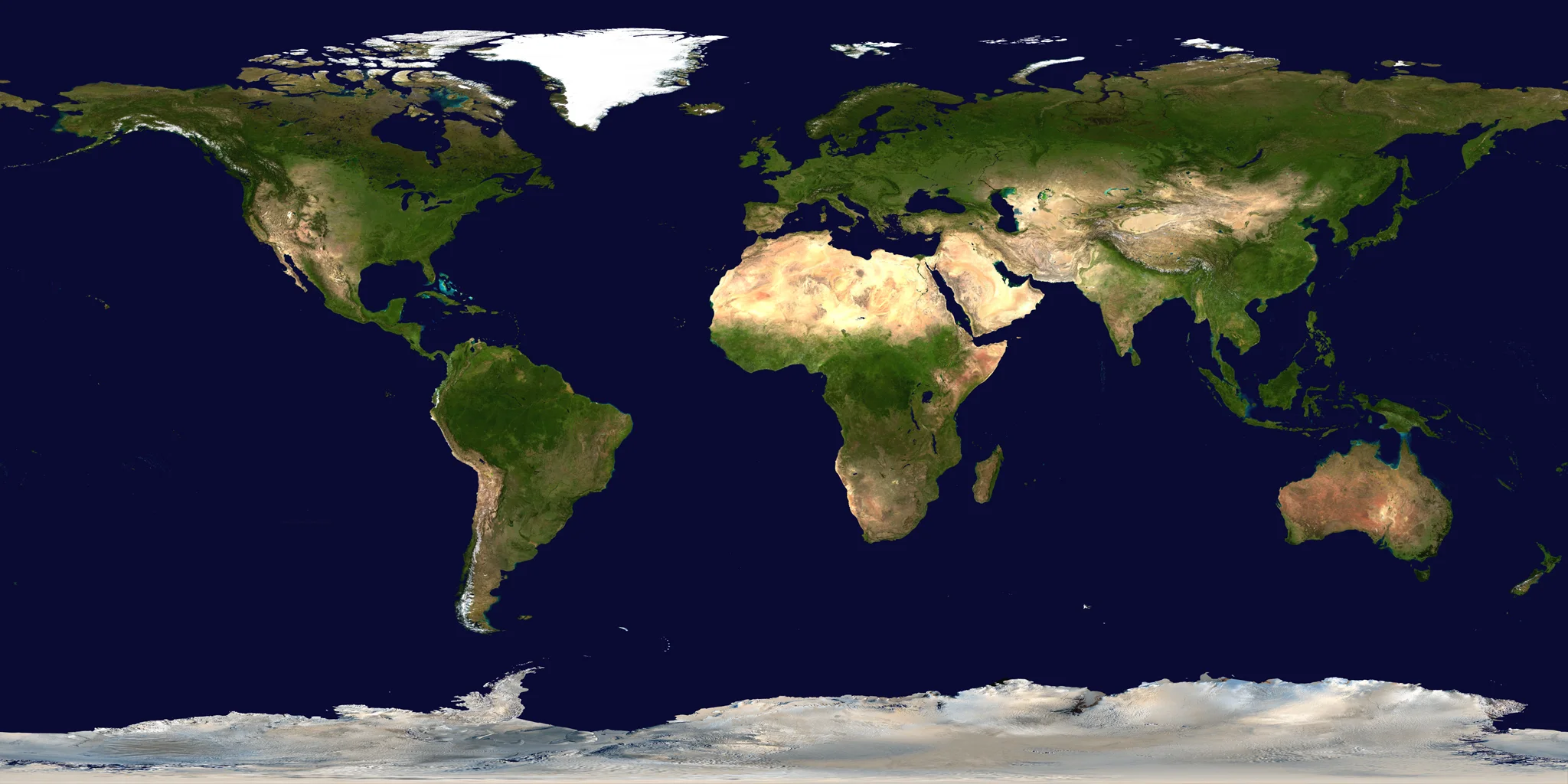
Watch in person
Plan around the launch.
Public viewing access varies by launch site. Check the operator’s official information before travelling.
Leave room for delays. Recheck the launch target, local weather and road closures on the day.
Before you set off
- Confirm the target and launch window.
- Check official viewing access and any booking requirements.
- Use a permitted viewing area. The launch pad is not a visitor destination.
- Keep the mission’s coverage link as a backup.
Coverage & sources
Links supplied by the mission data provider.
Coverage and times may change.
Mission coverage
No viewing link has been published yet.
Further reading
Launch Library ↗Follow on iPhone
Get reminders and schedule-change alerts. One active mission free.
Open mission in Spacian ↗