
Launch successful!
Update ↗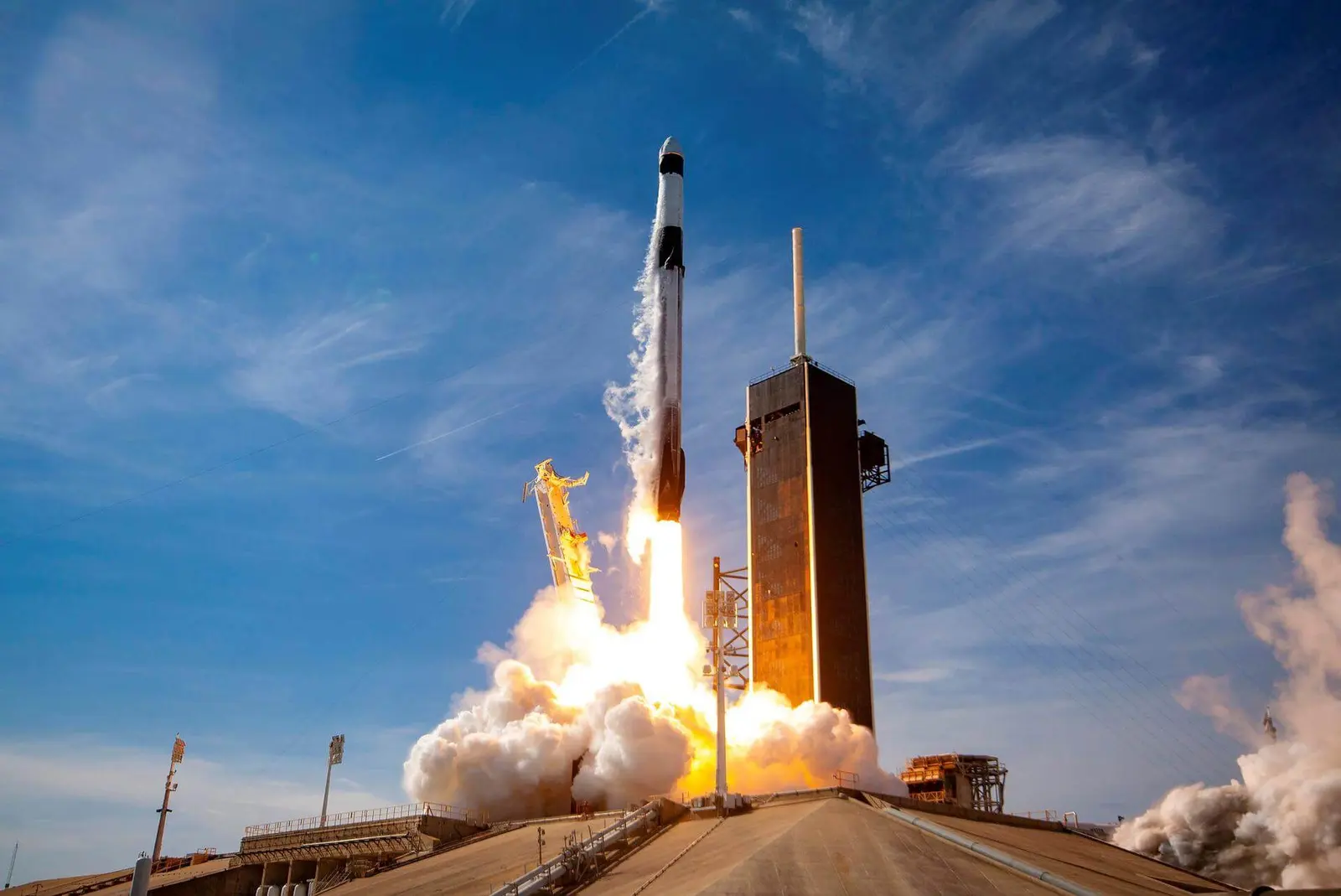
SpaceX打ち上げ成功
Dragon CRS-2 SpX-35
Falcon 9 Block 5
ミッションの目的概要は英語
CRS-35 is SpaceX’s 35th commercial resupply mission to the International Space Station. Dragon docked at Harmony’s space-facing port on October 15, 2026, delivering more than 6,300 pounds of cargo. The shipment included the final pair of roll-out solar arrays for the station’s power upgrade and research involving retina manufacturing, heart tissue and brain inflammation.
保存したミッションはマイページで確認できます。
関連記事・英語
CRS-35 delivers final solar arrays and research cargo to the ISS
The October 15 delivery includes two solar arrays and experiments in retina manufacturing, heart tissue and brain inflammation.
In this report
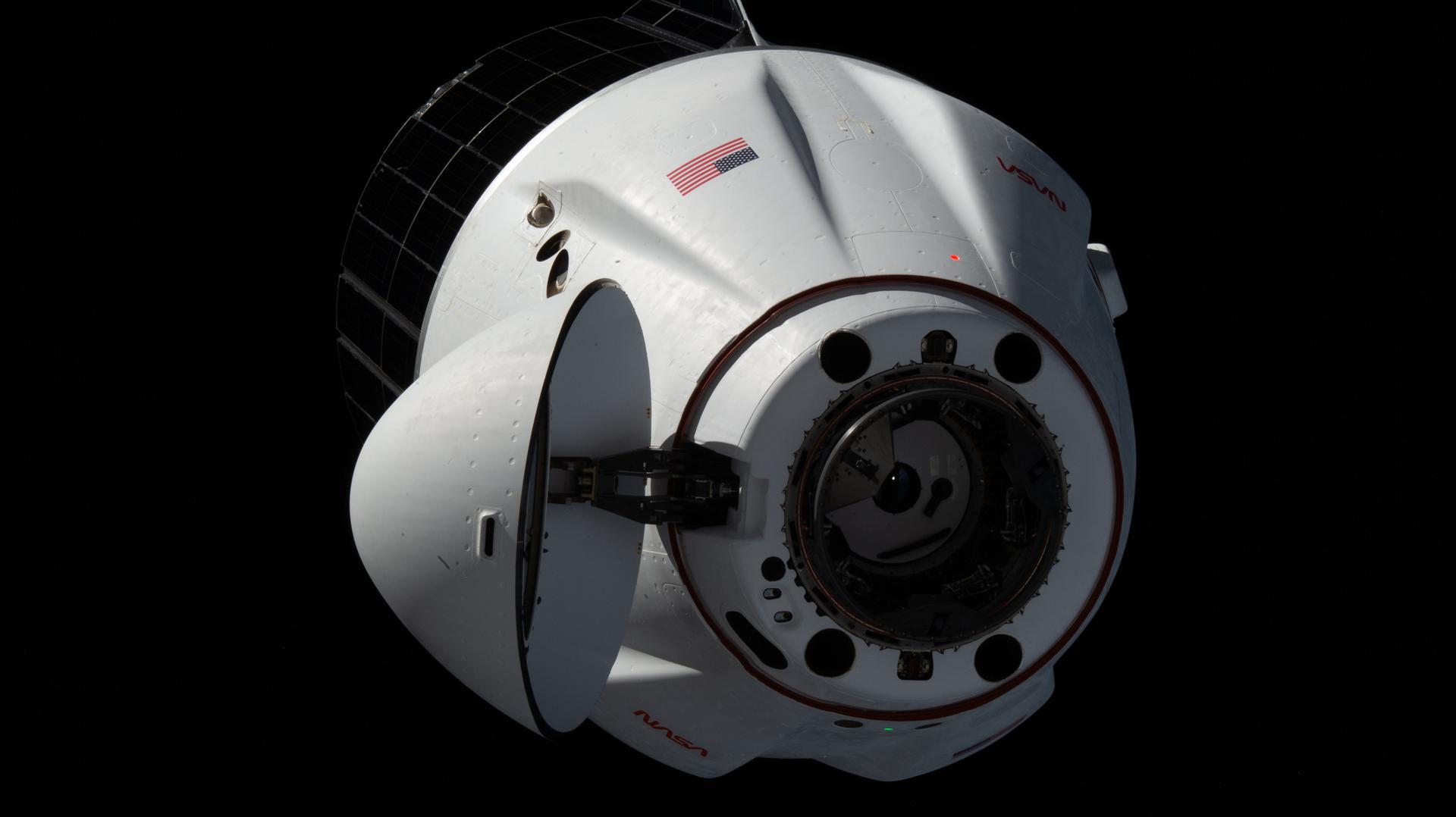
Docking and unloading
Dragon docked at Harmony’s space-facing port at 14:27 UTC on October 15, carrying more than 6,300 pounds of cargo. NASA reported that the shipment included the final pair of roll-out solar arrays for the station’s power upgrade. [6]
After Anil Menon completed pressure and leak checks and opened the hatch, Jessica Watkins, Luke Delaney and Joshua Kutryk joined him to unload Dragon. By October 16, the crew was transferring research samples from the spacecraft’s portable freezers and incubators into station equipment. [7]
Delivery record
SpaceX lists this as the Dragon capsule’s fourth mission, after CRS-26, CRS-29 and CRS-33, and the Falcon 9 booster’s eighth flight. [9]
Four experiments aboard Dragon
LambdaVision-1 tests a process for building artificial retinas one thin layer at a time. NASA says reduced settling in microgravity could make the layers more uniform and stable. [2]
The material combines bacteriorhodopsin, a light-sensitive protein, with a polymer binder. NASA’s TechPort project description identifies layer orientation and consistency as important to its performance. [8]
Stellar Spheroids studies the growth and function of three-dimensional heart-tissue models in microgravity. MINDS uses brain organoids to investigate inflammation linked to neurodegenerative disease. Both are research models for studying disease and potential treatments. [5]
ELF-Unconventional Glass 2 examines glass made with nontraditional ingredients. Researchers will observe the molten material in orbit and analyze the solid samples after they return to Earth. [2]
Two more solar arrays
The arrays traveled in Dragon’s unpressurized trunk. Six earlier roll-out arrays were installed between 2021 and 2023; a reassessment of the station’s power needs led NASA to order this additional pair. Installation will require work outside the station. [3]
Hardware returning to Earth
Dragon also carried an empty protective clamshell for the failed Canadarm2 joint replaced during a June 30 spacewalk. NASA’s return manifest lists that joint for analysis and refurbishment, along with a spacesuit and components from the station’s urine- and water-processing systems. The published plan calls for a mid-November return to the Pacific. [2]
Sources and credits (9)
- Canonical Spacian mission recordSpacian / Launch Library · Checked 2026-10-23
- NASA’s SpaceX 35th Commercial Resupply Mission OverviewNASA · Checked 2026-10-23
- Power Up: Roll Out Solar Arrays Boost Space Station Power SupplyNASA · Checked 2026-10-23
- Dragon approaches the station on October 15, 2026NASA · Checked 2026-10-23
- NASA reports the CRS-35 launchNASA · Checked 2026-10-23
- Dragon docks with science, supplies and roll-out solar arraysNASA · Checked 2026-10-23
- Crew begins unloading Dragon and activating experimentsNASA · Checked 2026-10-23
- On-Orbit Solution Recycling Methods for Artificial Retina ManufacturingNASA TechPort · Checked 2026-10-23
- SpaceX CRS-35 mission hardwareSpaceX · Checked 2026-10-23
ミッションのデータ
- 打ち上げ機
- Falcon 9 Block 5
- ミッションの種類
- Resupply
- 投入先の軌道
- Low Earth Orbit
- 宇宙機
- Cargo Dragon C211
- 目的地
- ISS
- Launch pad
- Space Launch Complex 40
- 運用機関
- SpaceX
- プログラム
- Commercial Resupply Services, International Space Station
- Recovery
- Return to Launch Site, Landing Zone 40 +1
機体の構成
公表された仕様と、この機体の飛行歴。
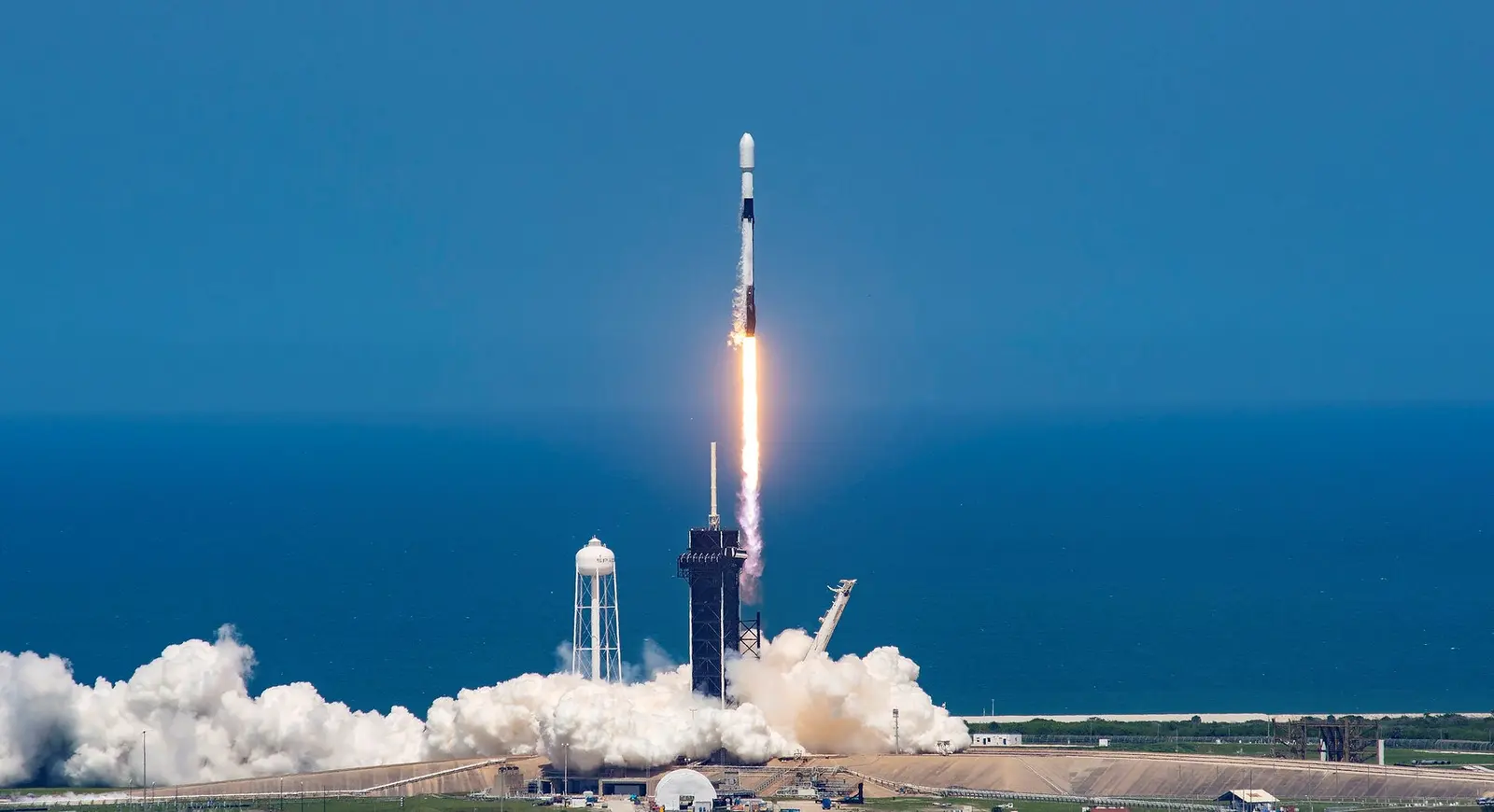
打ち上げ機
Falcon 9 Block 5
機体の説明・英語
Falcon 9 is a two-stage rocket designed and manufactured by SpaceX for the reliable and safe transport of satellites and the Dragon spacecraft into orbit. The Block 5 variant is the fifth major interval aimed at improving upon the ability for rapid reusability.
- 高さ
- 70 m
- 直径
- 3.65 m
- 段数
- 2
- 記録された打ち上げ数
- 646
- 初飛行
- 2018-05-11
記録された日時
打ち上げ時刻は一点記録された日時
記録された時刻
記録では、一つの時刻が公表されています。 発表元に掲載された時刻の記録です。
気象条件について
Cumulus Cloud Rule
飛行の進行予定
計画上の進行順序です。時刻は打ち上げの目標時刻を基準とし、実際の飛行データは示していません。
- T−00:38:00
GO for Prop Load
- T−00:35:00
Prop Load
- T−00:35:00
Stage 1 LOX Load
- T−00:16:00
Stage 2 LOX Load
- T−00:07:00
Engine Chill
- T−00:05:00
Dragon Internal Power
全25項目の飛行計画を見る
- T−00:01:00
Startup
- T−00:01:00
Tank Press
- T−00:00:45
GO for Launch
- T−00:00:03
Ignition
- T+00:00:00
Liftoff
- T+00:01:08
Max-Q
- T+00:02:15
MECO
- T+00:02:18
Stage 2 Separation
- T+00:02:22
Stage 1 Flip
- T+00:02:26
SES-1
- T+00:02:31
Booster Boostback Burn Startup
- T+00:03:25
Booster Boostback Burn Shutdown
- T+00:05:58
Entry Burn Startup
- T+00:06:06
Entry Burn Shutdown
- T+00:07:04
Stage 1 Landing Burn
- T+00:07:21
Stage 1 Landing
- T+00:08:30
SECO-1
- T+00:09:18
Dragon Separation
- T+00:10:33
Dragon Nosecode Open
地球儀で見る発射場
Cape Canaveral SFS, FL, USA
Explore the launch pad, then pull back to see the shape of the destination orbit.
Understand this orbit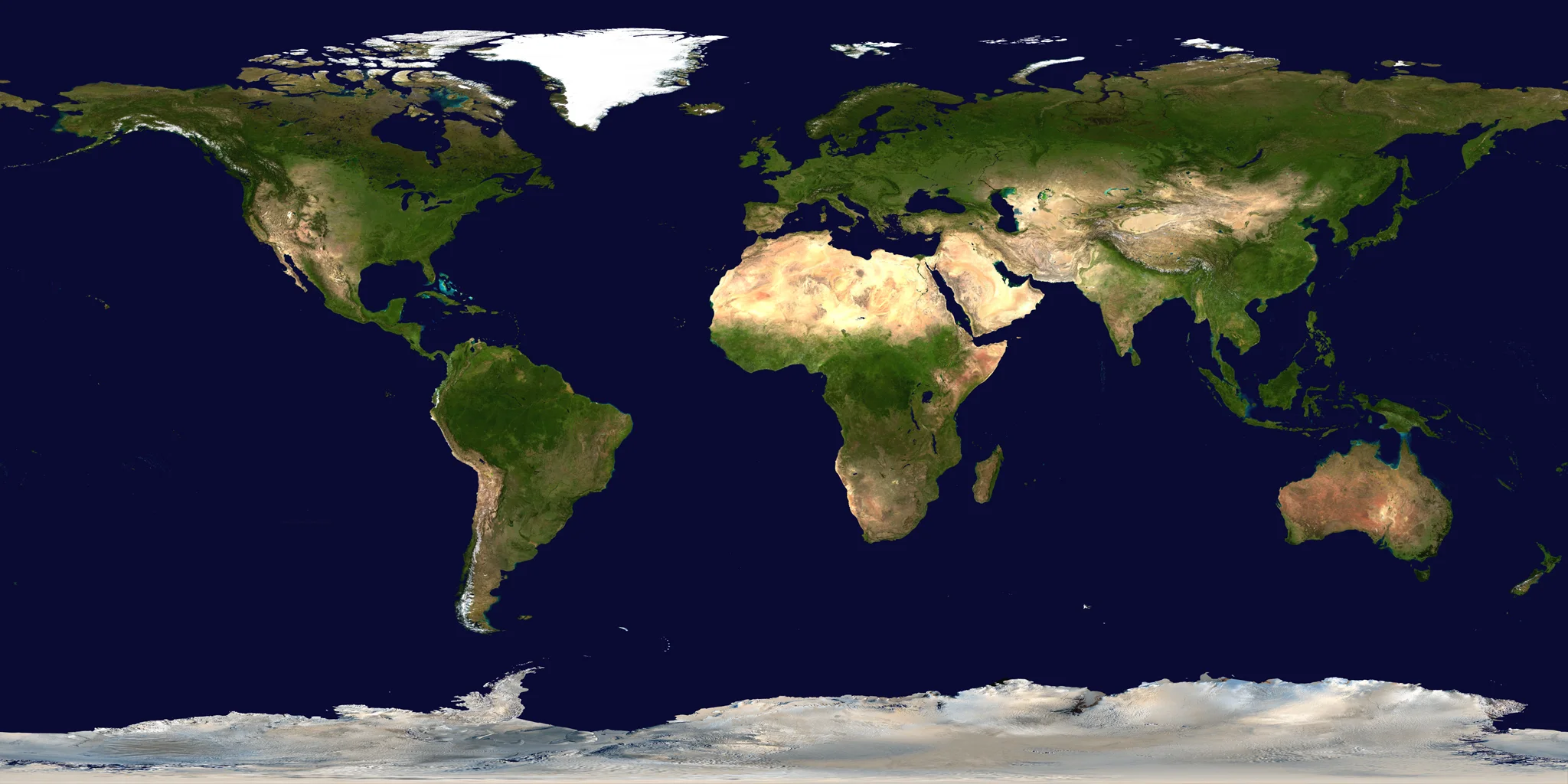
発射場所Space Launch Complex 40
この表示について
NASA geography with illustrative lighting. No live tracking or simulated ascent. Orbit motion is accelerated and representative. NASA Blue Marble source.
中継・出典
発表元の更新:
 Android テスト版参加グループを開く クローズドテスト版1.6.0(4)では、サインイン、プレミアム、通知を利用できません。まずGoogleグループに参加し、同じGoogleアカウントでGoogle Playのテストに登録 ↗してください。