記録日時
- Mission status
- Launch Successful
変更前の情報
- Mission status
- Launch in Flight

 Android テスト版参加グループを開く クローズドテスト版1.6.0(4)では、サインイン、プレミアム、通知を利用できません。まずGoogleグループに参加し、同じGoogleアカウントでGoogle Playのテストに登録 ↗してください。
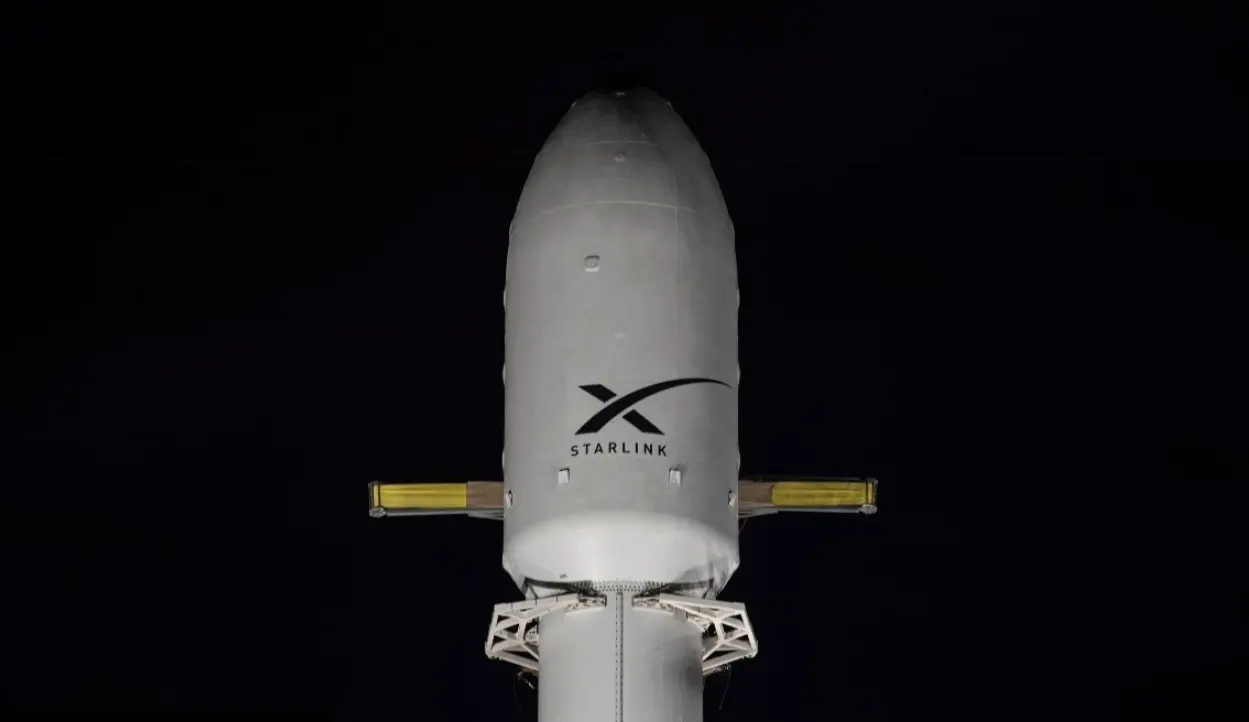
Falcon 9 Block 5
Starlink Group 15-16 is a planned delivery of 27 satellites to SpaceX’s broadband constellation in low Earth orbit. Satellite deployment is scheduled more than an hour after liftoff, following a second upper-stage burn. Falcon 9’s first stage is assigned a separate recovery attempt in the Pacific, about eight minutes after launch.
保存したミッションはマイページで確認できます。
発表元の情報が変わった時点の記録です。延期の理由を示すものではありません。
記録を始める前の変更は掲載していません。
関連記事・英語
SpaceX plans 27 satellites from Vandenberg. B1082 is assigned another ocean recovery, while deployment is scheduled more than an hour after liftoff.
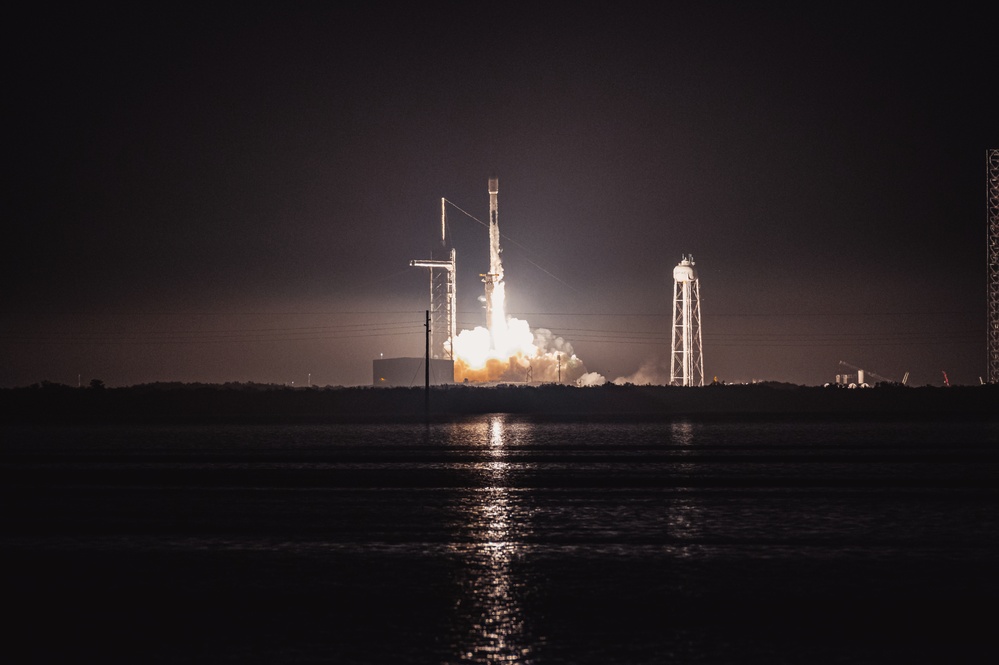
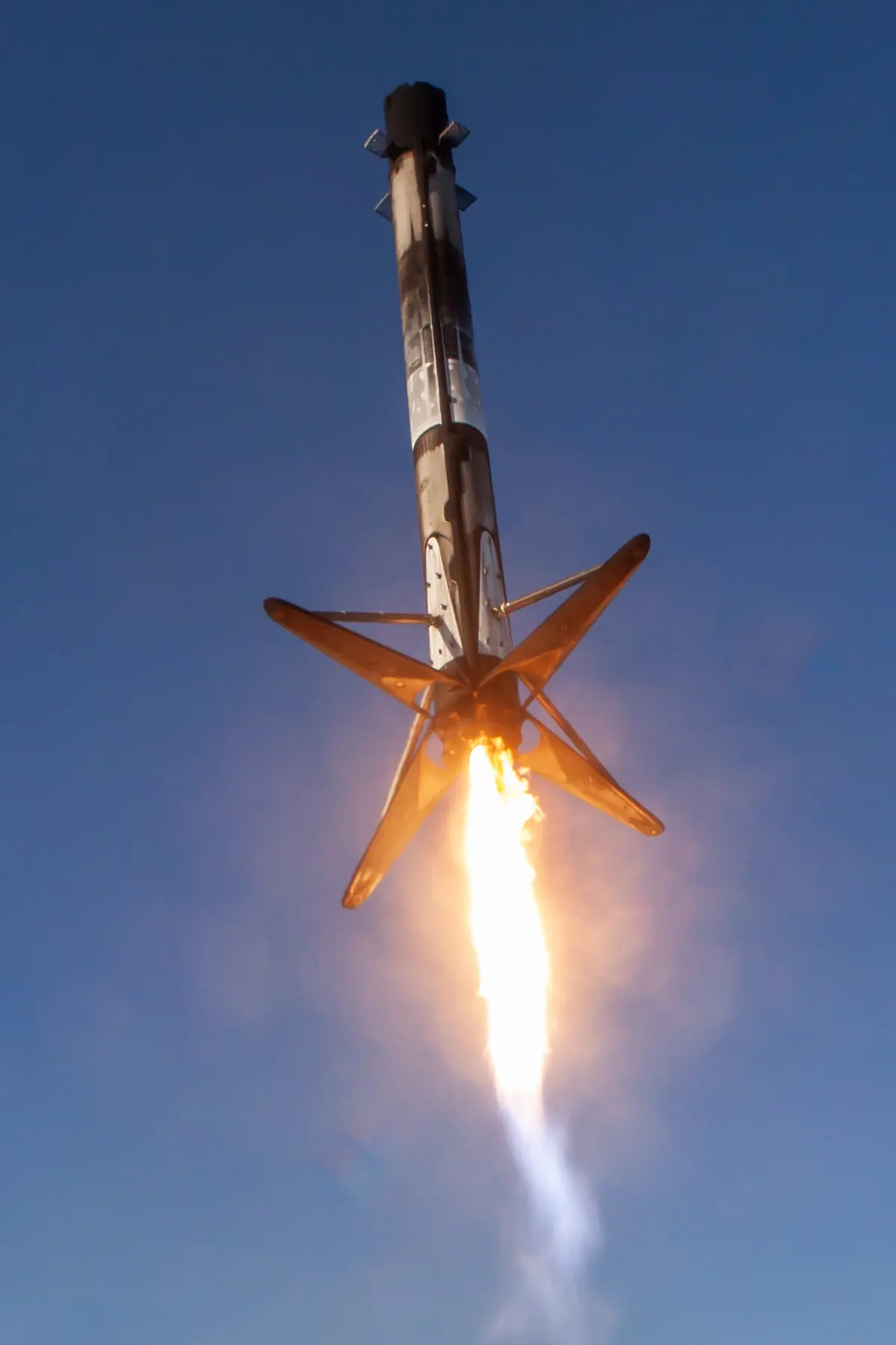
SpaceX plans to launch 27 Starlink satellites from Vandenberg’s SLC-4E on a Falcon 9 first stage making its 26th flight. The mission’s recovery target is the droneship Of Course I Still Love You in the Pacific. Its planned landing comes at T+8 minutes 23 seconds; satellite deployment is listed at T+1 hour 1 minute 53 seconds. The two events are separated by almost 54 minutes. [4]
Spacian’s complete launch record identifies that first stage as B1082 and links its previous flight to Transporter-18 on October 1. The current assignment therefore brings a booster used for a dedicated rideshare back to a Starlink mission. Its serial number is useful evidence: it connects this flight to a particular vehicle’s history, beyond the Falcon 9 name on the launch card. [5]
SpaceX’s approximate sequence includes an initial upper-stage shutdown at T+8:39 and a second, two-second engine firing beginning at T+53:01. Deployment follows about nine minutes later. The recovery broadcast can therefore show a booster already on deck while the satellites are still attached to the upper stage. [4]
Starlink’s technology description gives the spacecraft electric propulsion for changing orbit, maneuvering and eventual disposal. It also describes optical links between satellites. Together, those systems allow a deployed spacecraft to move within and communicate through a much larger network. The launch creates the opportunity to join that network; it does not by itself measure new service capacity. [2]
The distinction matters for a batch of 27. A payload count is a precise statement about the launch manifest. It cannot be multiplied by a general satellite specification to produce a reliable forecast of customer speeds: the reviewed flight material does not establish this batch’s exact hardware revision, final operating shell or incremental delivered capacity. Those fields remain unfilled in Spacian’s enrichment. [4] [2]
At the October 24 review, the production record’s target was October 27 at 04:45 UTC, with a window ending at 08:45 UTC. The same record preserves earlier October 25 and 26 targets. Those changes are schedule history, not evidence of the cause of a delay. The current countdown remains attached to the same mission ID, so a revised time does not create a different flight. [5]
SpaceX lists webcast coverage beginning about ten minutes before launch. The specific result to look for after ascent is its deployment confirmation; booster recovery answers a separate question about the first stage’s return. Both outcomes will need their own evidence after the attempt. [4]
公表された仕様と、この機体の飛行歴。
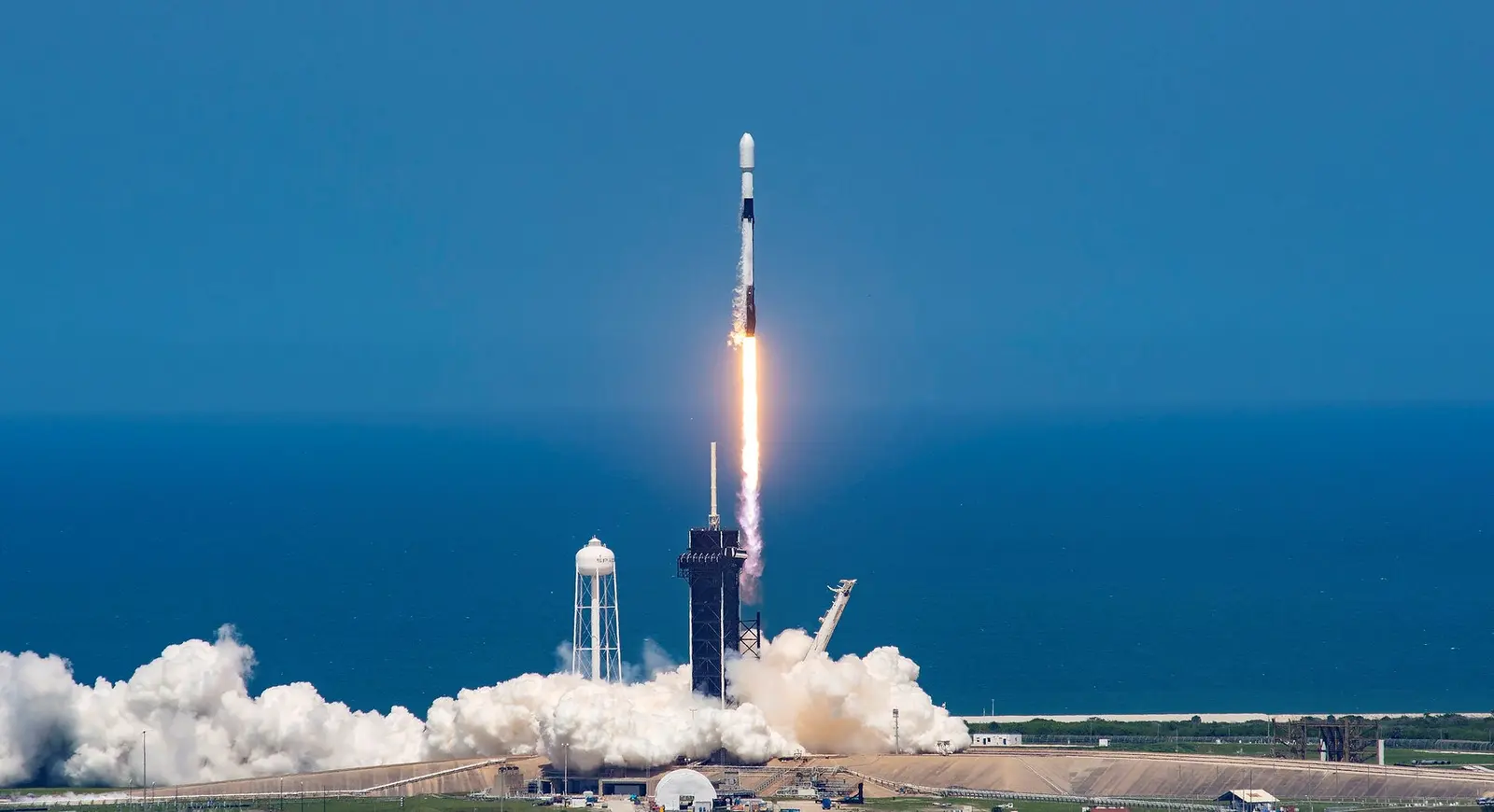
機体の説明・英語
Falcon 9 is a two-stage rocket designed and manufactured by SpaceX for the reliable and safe transport of satellites and the Dragon spacecraft into orbit. The Block 5 variant is the fifth major interval aimed at improving upon the ability for rapid reusability.
目標 ·
目印は、公表された時間帯の中で予定時刻がどこにあるかを示します。 発表元に掲載された時刻の記録です。
計画上の進行順序です。時刻は打ち上げの目標時刻を基準とし、実際の飛行データは示していません。
Vandenberg SFB, CA, USA
Explore the launch pad, then pull back to see the shape of the destination orbit.
Understand this orbit
NASA geography with illustrative lighting. No live tracking or simulated ascent. Orbit motion is accelerated and representative. NASA Blue Marble source.
発表元の更新:
Android テスト版参加グループを開く クローズドテスト版1.6.0(4)では、サインイン、プレミアム、通知を利用できません。まずGoogleグループに参加し、同じGoogleアカウントでGoogle Playのテストに登録 ↗してください。