
Launch failure confirmed
Update ↗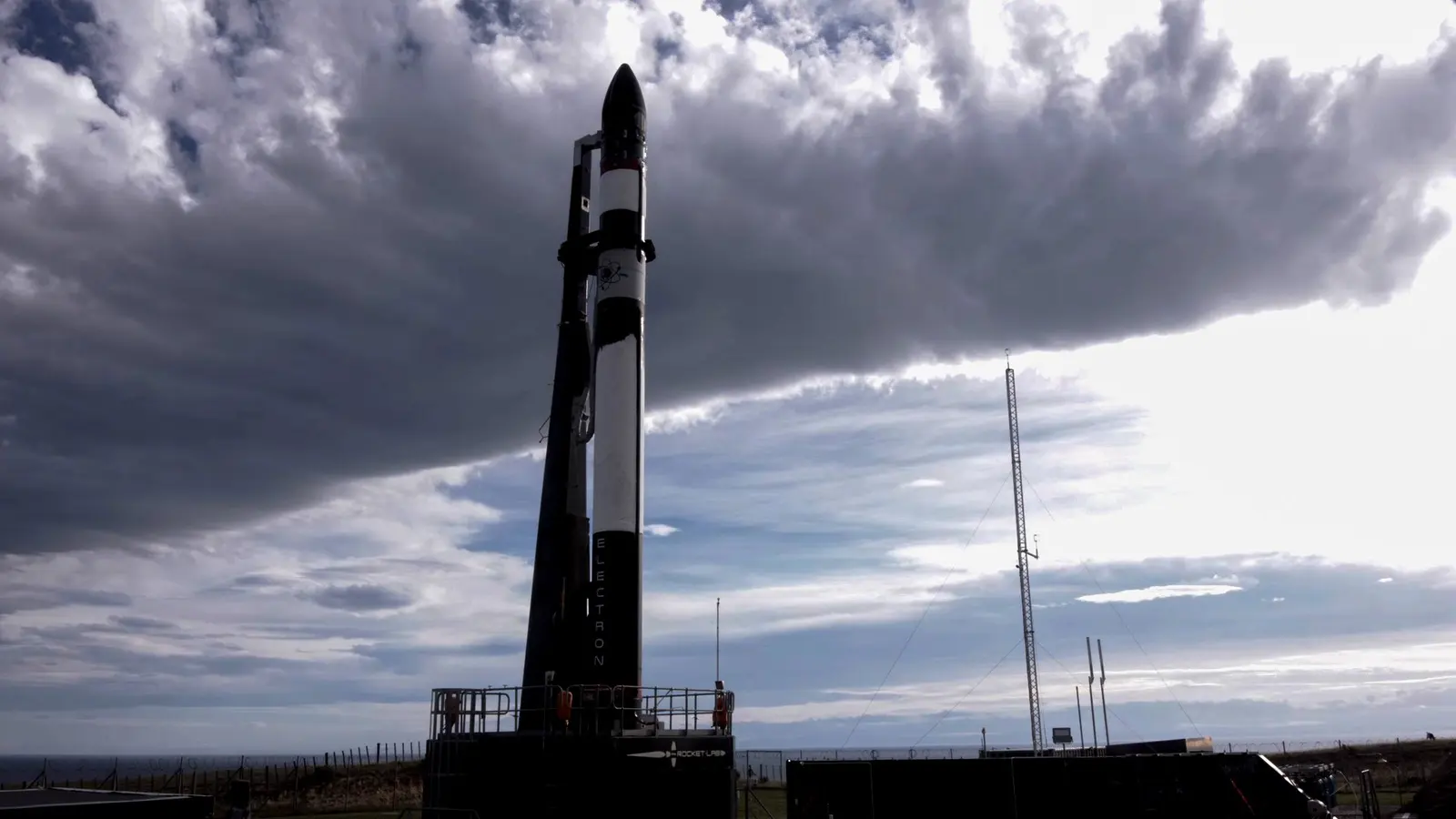
Rocket LabLaunch Failure
Running Out of Toes (BlackSky 8-9)
Electron
Historical mission record
This page records Electron | Running Out of Toes (BlackSky 8-9) and its reported outcome: Launch Failure. The date above is a historical record.
Source record updated . This is a source update, not a confirmed launch time.
Check the source: Running Out Of Toes ↗ · Source ↗ · Launch Library ↗
The latest on this mission
What changed?
Mission status
Launch Failure
Status reported by the mission data provider.
LAUNCH SITERocket Lab Launch Complex 1, Mahia Peninsula, New Zealand
Mission
This was the 20th launch of Electron rocket. It carried two Earth imaging microsatellites for BlackSky's constellation which were lost due to a launcher failure after second stage ignition.
- Launch vehicle
- Electron
- Mission type
- Earth Science
- Destination orbit
- Low Earth Orbit
- Launch pad
- Rocket Lab Launch Complex 1A
- Provider
- Rocket Lab
- Recovery
- Parachute Landing, The Electron first stage successfully performed a soft splashdown in the Pacific Ocean using parachutes. +1
The vehicle
Published configuration and flight history.
Launch vehicle
Electron
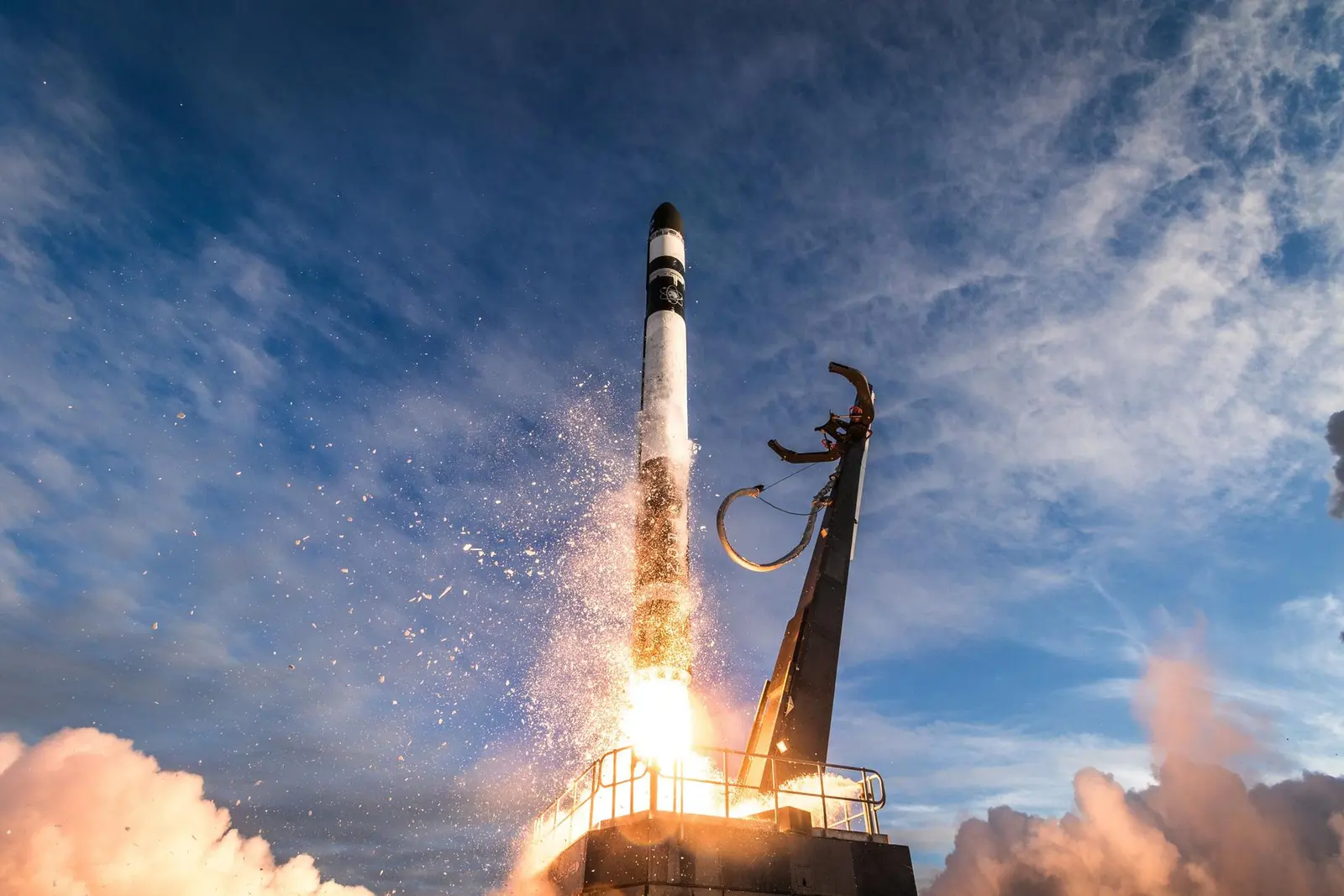
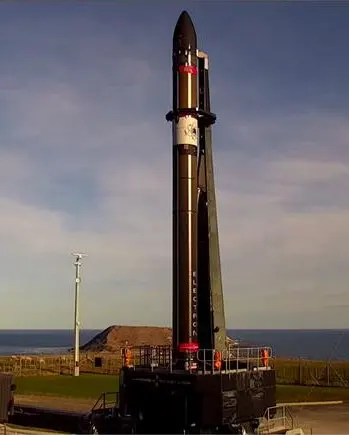
Electron is a two-stage orbital expendable launch vehicle (with an optional third stage) developed by the American aerospace company Rocket Lab. Electron is a small-lift launch vehicle designed to launch small satellites and cubesats to sun-synchronous orbit and low earth orbit. The Electron is the first orbital class rocket to use electric-pump-fed engines, powered by the 9 Rutherford engines on the first stage. It is also used as a suborbital testbed (called HASTE) for hypersonics research.
- Height
- 18 m
- Diameter
- 1.2 m
- Stages
- 3
- Recorded launches
- 80
- First flight
- 2017-05-25
Core
20
Flight 1NewLanding successful
- Recovery
- South Pacific
- Landing method
- Parachute Landing
Recorded timing
This is a mission record, not an upcoming calendar appointment.
2h 5m windowPublished target
WINDOW OPENS
WINDOW CLOSES
Target ·
The target marker shows its position within the published window. The schedule may change before launch.
Mission update
Unspecified issue shortly after stage two ignition
Launch site & orbit
Rocket Lab Launch Complex 1, Mahia Peninsula, New Zealand
The mission in perspective
Launch site & orbit
Explore the launch pad, then pull back to see the shape of the destination orbit.
Understand this orbit
Coverage & sources
Links supplied by the mission data provider.
Coverage and times may change.
Explore on iPhone
Browse mission details and discover upcoming launches in Spacian.
Open mission in Spacian ↗