
Updated launcher variant.
Update ↗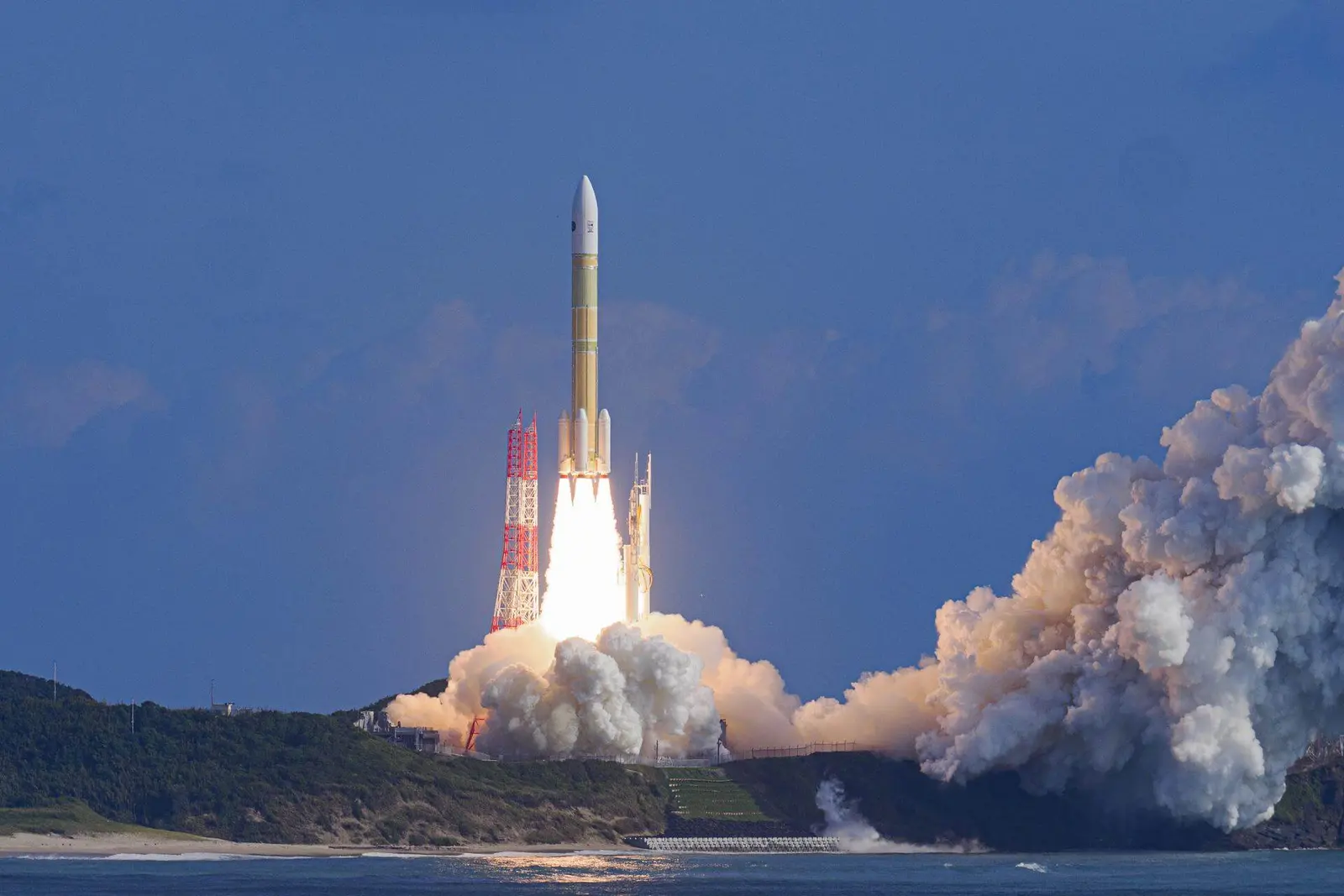
Mitsubishi Heavy IndustriesTo Be Determined
DESTINY+ & RAMSES
H3-24
April 20, 2028 · time pending
Latest published target
April 20, 2028 · time to be confirmed. An exact time has not been published.
Source record updated . This is a source update, not a confirmed launch time.
Check the source: Launch Library ↗
The latest on this mission
What changed?
Checks for schedule changes while this page is visible.
Time to target
Target pending
Target time, not a confirmed liftoff.
LAUNCH SITETanegashima Space Center, Japan
Mission
DESTINY+ (Demonstration and Experiment of Space Technology for INterplanetary voYage with Phaethon fLyby and dUst Science) is a planned asteroid exploration mission to 3200 Phaethon, the parent body of the Geminids meteor shower. It will demonstrate further improvements of low cost solar electric propulsion in deep space and innovative light-weight solar array panel technology. The spacecraft will carry 3 science instruments: * DESTINY Dust Analyzer (DDA) * Telescopic Camera for Phaethon (TCAP) * Multiband Camera for Phaethon (MCAP) RAMSES (Rapid Apophis Mission for Space Safety) is a European-Japanese planetary defense mission to near-Earth asteroid 99942 Apophis, led by the European Space Agency (ESA). The spacecraft will arrive around Apophis in February 2029, before the asteroid’s very close fly-by to Earth on 13 April 2029. It will conduct measurements of the asteroid's properties before and during the Earth flyby to study its response to the close encounter with the planet. The spacecraft will leverage much of the technology developed for the Hera mission. At the asteroid, RAMSES will deploy two smaller CubeSats, one carrying a dust analyser, a low-frequency radar, the other will attempt to land on Apophis and provide high-resolution images from the surface.
- Launch vehicle
- H3-24
- Mission type
- Planetary Science
- Destination orbit
- Asteroid
- Launch pad
- Yoshinobu Launch Complex LP-2
- Provider
- Mitsubishi Heavy Industries
The vehicle
Published configuration and flight history.
Launch vehicle
H3-24
The H3 Launch Vehicle is an expendable launch system in development in Japan. Each H3 booster configuration has a two-digit and a letter designation that indicates the features of that configuration. The first digit represents the number of LE-9 engines on the main stage, either "2" or "3". The second digit indicates the number of SRB-3 solid rocket boosters attached to the base of the rocket, and can be "0", "2" or "4". All layouts of solid boosters are symmetrical. The letter in the end shows the length of the payload fairing, either short "S" or long "L". For example, an H3-24L has two engines, four solid rocket boosters, and a long fairing, whereas an H3-30S has three engines, no solid rocket boosters, and a short fairing.
- Height
- 63 m
- Diameter
- 5.27 m
- Stages
- 2
- Recorded launches
- 1
- First flight
- 2025-10-26
Launch window
A precise launch window has not been published.
Launch site & orbit
Tanegashima Space Center, Japan
The mission in perspective
Launch site
DestinationAsteroid
Explore the launch pad on Earth using its published coordinates.
Explore Earth’s orbits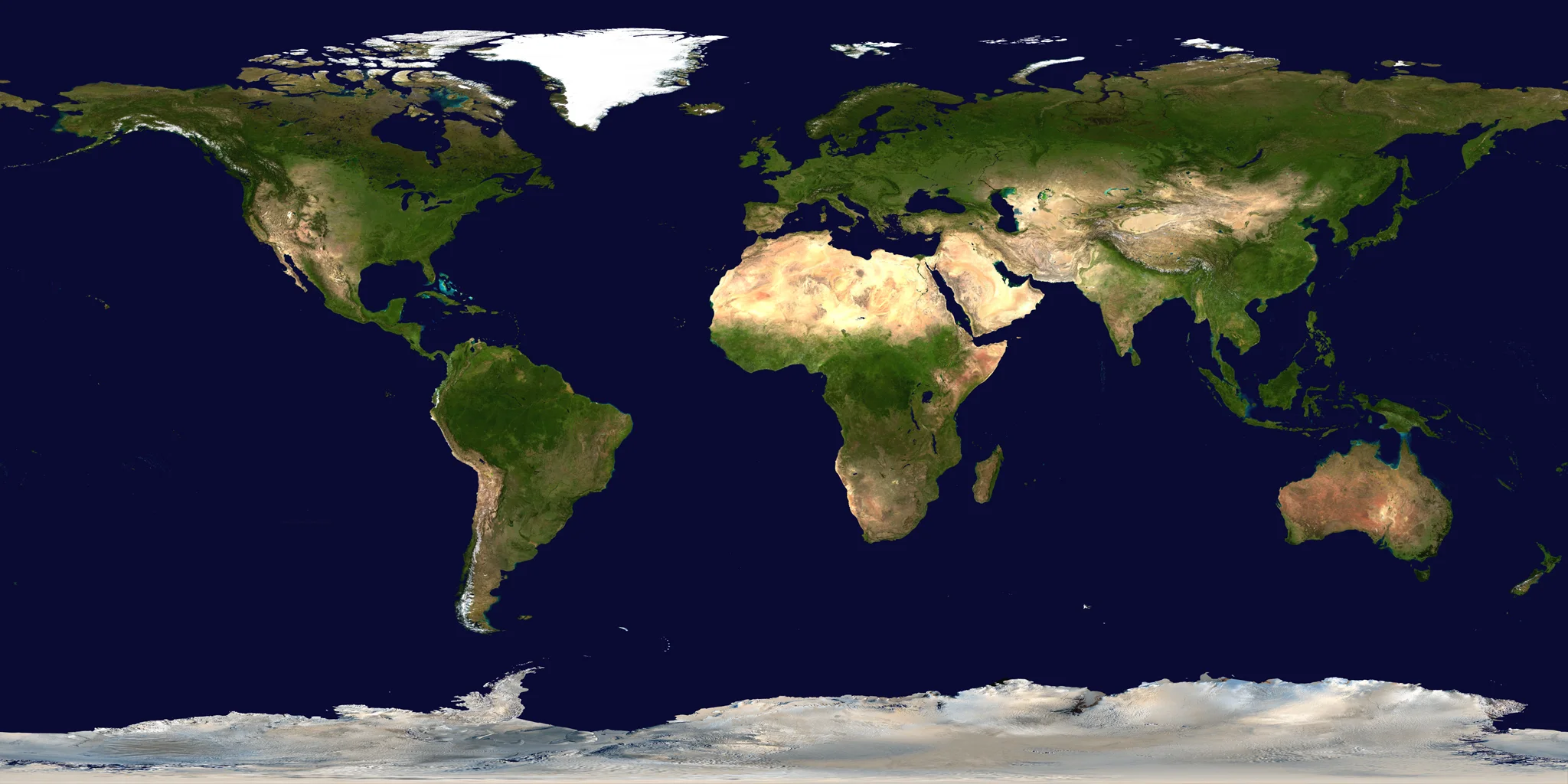
Drag to rotate
Watch in person
Plan around the launch.
Public viewing access varies by launch site. Check the operator’s official information before travelling.
Leave room for delays. Recheck the launch target, local weather and road closures on the day.
Before you set off
- Confirm the target and launch window.
- Check official viewing access and any booking requirements.
- Use a permitted viewing area. The launch pad is not a visitor destination.
- Keep the mission’s coverage link as a backup.
Coverage & sources
Links supplied by the mission data provider.
Coverage and times may change.
Mission coverage
No viewing link has been published yet.
Further reading
Launch Library ↗Follow on iPhone
Get reminders and schedule-change alerts. One active mission free.
Open mission in Spacian ↗