
Satellite confirmed in operation.
Update ↗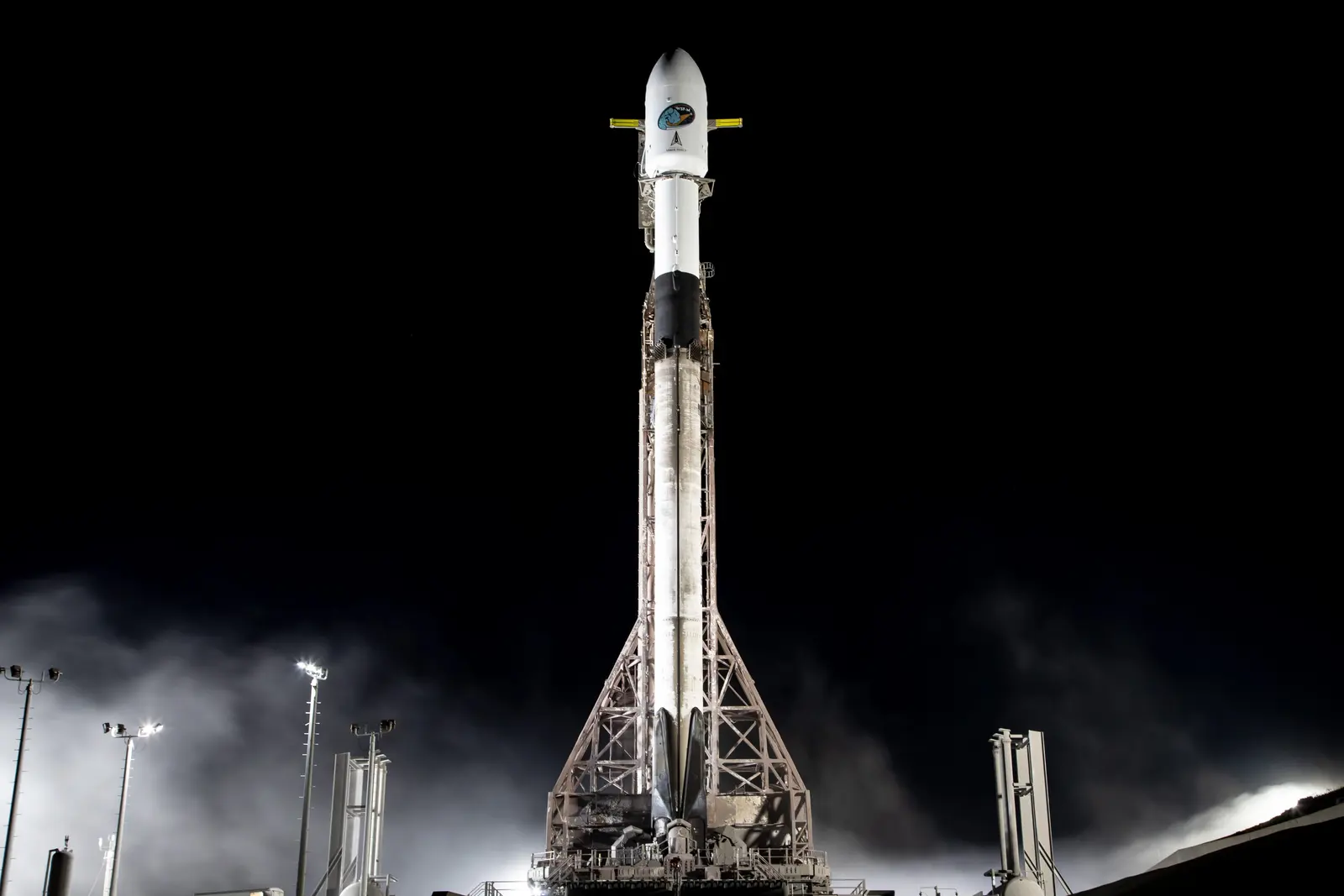
Historical mission record
This page records Falcon 9 Block 5 | USSF-62 and its reported outcome: Launch Successful. The date above is a historical record.
Source record updated . This is a source update, not a confirmed launch time.
Check the source: SpaceX ↗ · Launch Library ↗ · Flight Club ↗
Mission status
Launch Successful
Status reported by the mission data provider.
LAUNCH SITEVandenberg SFB, CA, USA
Mission
First Weather System Follow-on (WSF) satellite. WSF-M (Weather System Follow-on - Microwave) is the next-generation operational environmental satellite system for the Department of Defense (DoD), to replace the microwave wavelength weather forecasting capabilities of the DMSP satellites. Ball Aerospace has been selected in late November 2017 to be the prime contractor for 2 Low Earth Orbit (LEO) weather satellites with a passive microwave imaging radiometer instrument and hosted Government furnished energetic charged particle (ECP) sensor space weather payload developed by the Air Force Research Laboratory. The radiometer leverages the Ball-built Global Precipitation Measurement (GPM) Microwave Imager (GMI) instrument. This mission will improve weather forecasting over maritime regions by taking global measurements of the atmosphere and ocean surface.
- Launch vehicle
- Falcon 9 Block 5
- Mission type
- Earth Science
- Destination orbit
- Polar Orbit
- Launch pad
- Space Launch Complex 4E
- Provider
- SpaceX
- Recovery
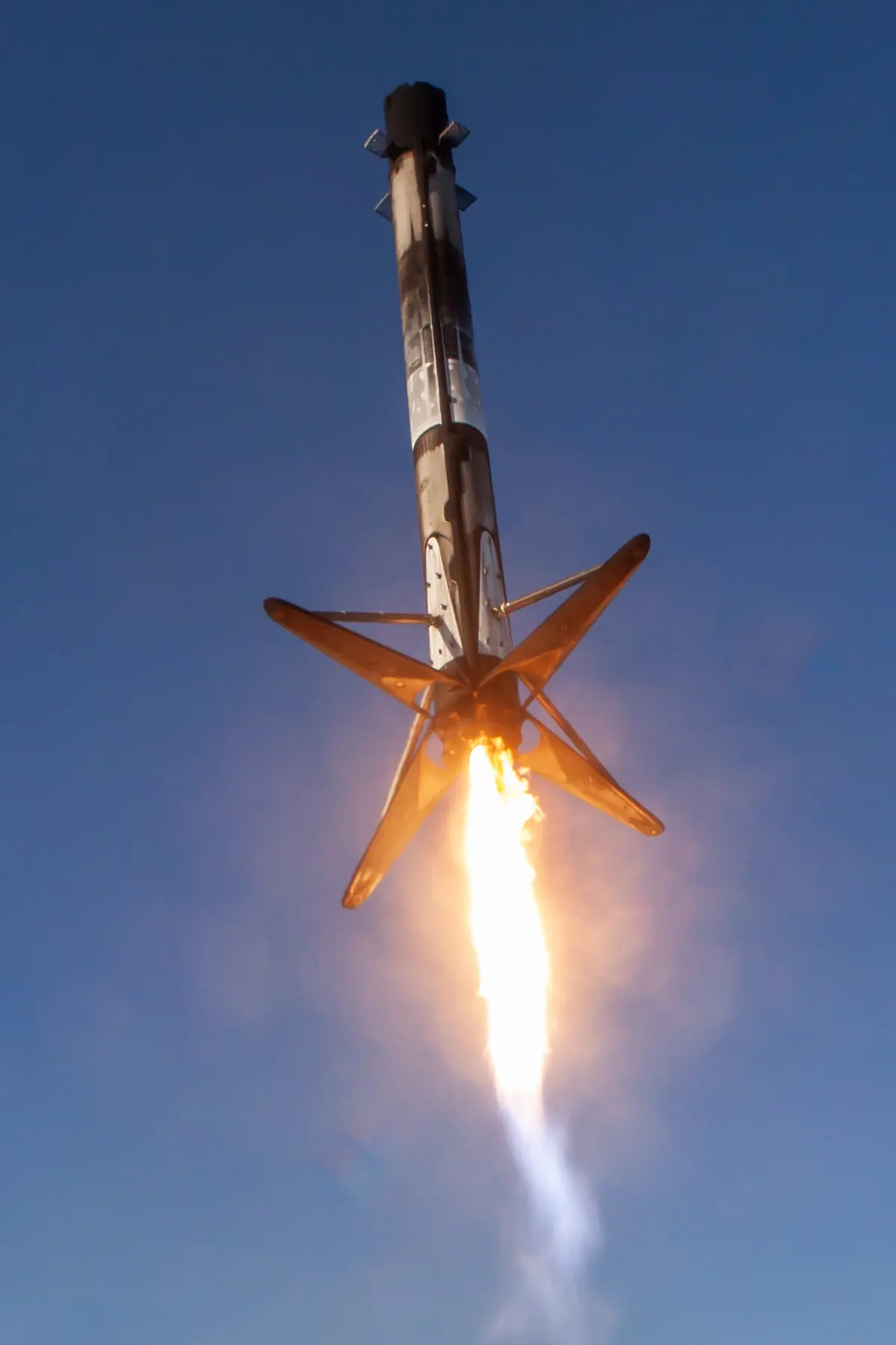
- Return to Launch Site, The Falcon 9 first stage B1082 landed back at the launch site after its 3rd flight. +1
The vehicle
Published configuration and flight history.
Launch vehicle
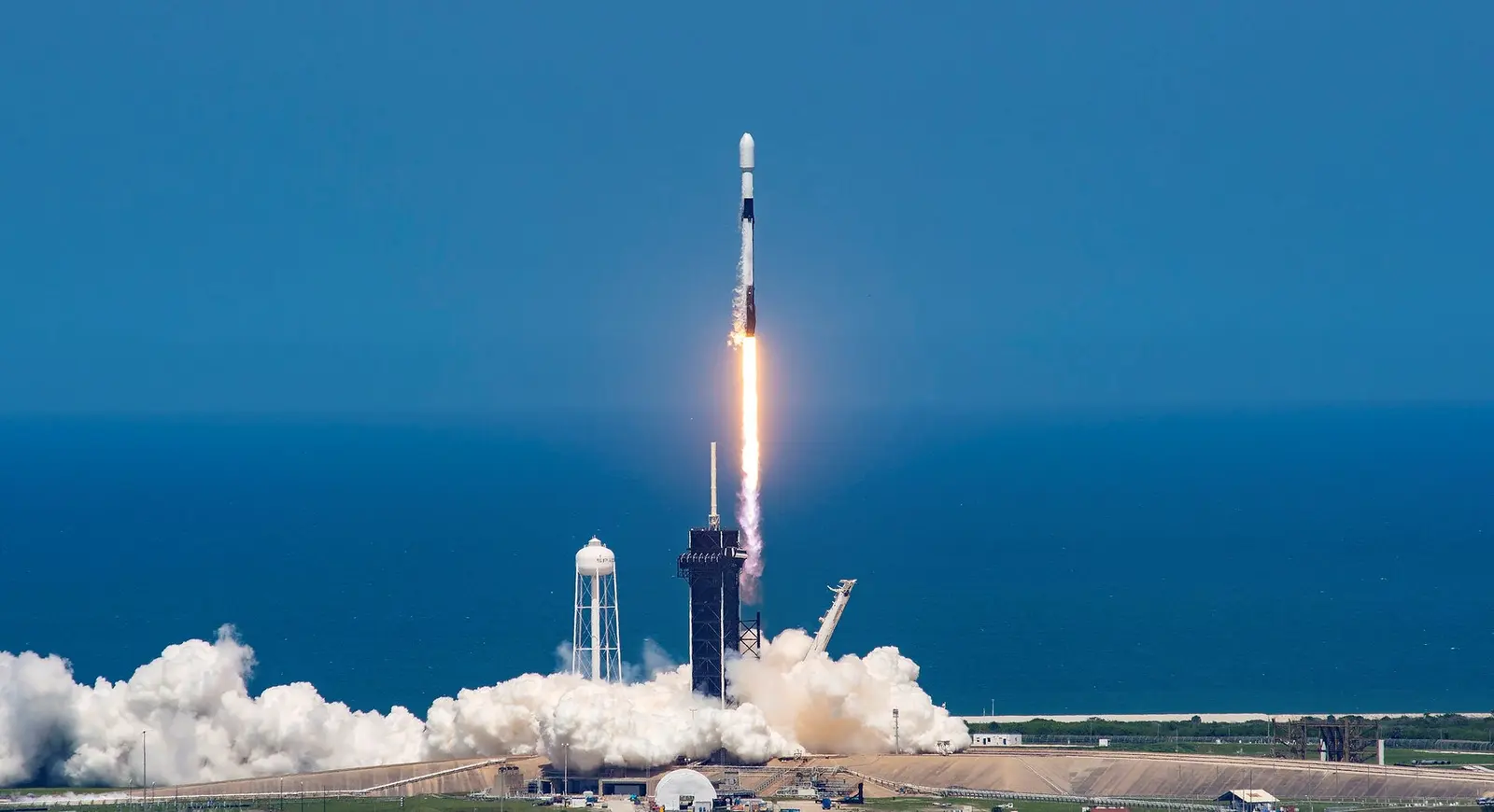
Falcon 9 Block 5
Falcon 9 is a two-stage rocket designed and manufactured by SpaceX for the reliable and safe transport of satellites and the Dragon spacecraft into orbit. The Block 5 variant is the fifth major interval aimed at improving upon the ability for rapid reusability.
- Height
- 70 m
- Diameter
- 3.65 m
- Stages
- 2
- Recorded launches
- 537
- First flight
- 2018-05-11
Recorded timing
This is a mission record, not an upcoming calendar appointment.
10 minute windowPublished target
WINDOW OPENS
WINDOW CLOSES
Target ·
The target marker shows its position within the published window. The schedule may change before launch.
Flight timeline
Planned sequence, not live telemetry. Times are relative to the launch target.
- T−00:38:00
GO for Prop Load
- T−00:35:00
Prop Load
- T−00:35:00
Stage 1 LOX Load
- T−00:16:00
Stage 2 LOX Load
- T−00:07:00
Engine Chill
- T−00:01:00
Tank Press
Show the full sequence (25 events)
- T−00:01:00
Startup
- T−00:00:45
GO for Launch
- T−00:00:03
Ignition
- T+00:00:00
Liftoff
- T+00:01:12
Max-Q
- T+00:02:19
MECO
- T+00:02:23
Stage 2 Separation
- T+00:02:30
SES-1
- T+00:02:36
Booster Boostback Burn Startup
- T+00:03:01
Fairing Separation
- T+00:03:30
Booster Boostback Burn Shutdown
- T+00:06:07
Entry Burn Startup
- T+00:06:25
Entry Burn Shutdown
- T+00:07:24
Stage 1 Landing Burn
- T+00:07:52
Stage 1 Landing
- T+00:08:27
SECO-1
- T+00:49:51
SES-2
- T+00:49:56
SECO-2
- T+00:54:57
Payload Separation
Launch site & orbit
Vandenberg SFB, CA, USA
The mission in perspective
Launch site & orbit
Explore the launch pad, then pull back to see the shape of the destination orbit.
Understand this orbit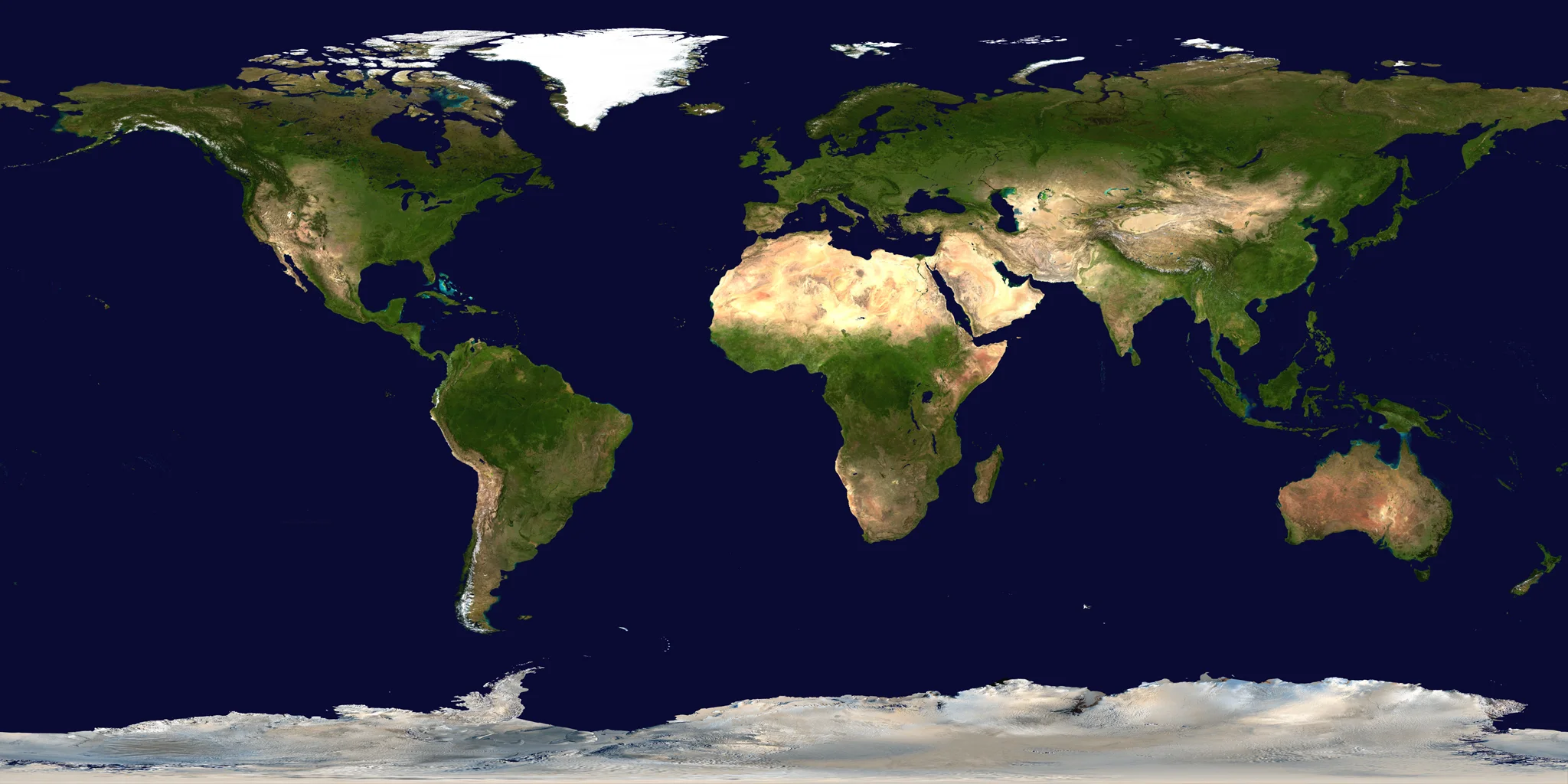
Coverage & sources
Links supplied by the mission data provider.
Coverage and times may change.
Explore on iPhone
Browse mission details and discover upcoming launches in Spacian.
Open mission in Spacian ↗