
Added launch.
Update ↗
Latest published target
July 5, 2028 · time to be confirmed. An exact time has not been published.
Source record updated . This is a source update, not a confirmed launch time.
Check the source: Dragonfly ↗ · Launch Library ↗
The latest on this mission
What changed?
Checks for schedule changes while this page is visible.
Time to target
Target pending
Target time, not a confirmed liftoff.
LAUNCH SITEKennedy Space Center, FL, USA
Mission
Dragonfly is NASA's 4th New Frontiers program mission that will send a robotic rotorcraft to fly within the atmosphere of Saturn's moon Titan to sample materials and determine surface composition in different geologic settings, advancing humanity's search for the building blocks of life. The craft is a large quadcopter with double rotors with mass of about 875 kg, featuring rotors of 1.35 m in diameter. It can fly through several kilometers within an hour and will perform 1 flight per Titan day (~16 Earth days). During the planned 3.3-year mission, Dragonfly is expected to cover distance up to several hundred km. Dragonfly will use a Multi-Mission Radioisotope Thermoelectric Generator (MMRTG) to power its instruments. The planned science instrument suite is: * DragonCam: Camera Suite * DrACO: Drill for Acquisition of Complex Organics * DraMS: Mass Spectrometer * DraGNS: Gamma-ray and Neutron Spectrometer * DraGMet: Geophysics and Meteorology
- Launch vehicle
- Falcon Heavy
- Mission type
- Planetary Science
- Destination orbit
- Heliocentric N/A
- Launch pad
- Launch Complex 39A
- Provider
- SpaceX
The vehicle
Published configuration and flight history.
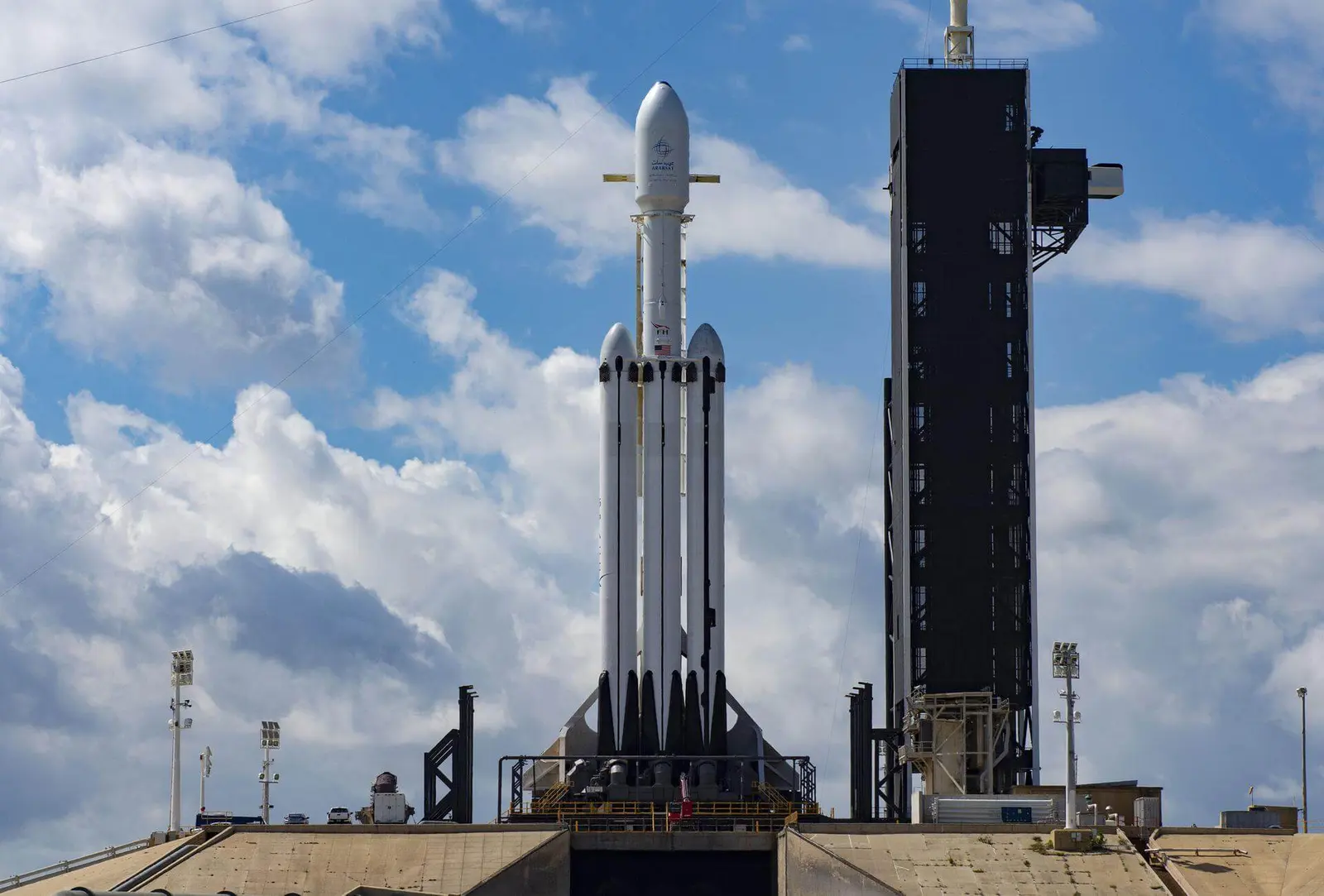
Launch vehicle
Falcon Heavy
The Falcon Heavy is a variant of the Falcon 9 full thrust launch vehicle and consists of a standard Falcon 9 rocket core, with two additional boosters derived from the Falcon 9 first stage.
- Height
- 70 m
- Diameter
- 12.2 m
- Stages
- 3
- Recorded launches
- 11
- First flight
- 2018-02-06

Strap-On Booster
Unknown FH
Core
Unknown FH
Strap-On Booster
Unknown FH
Launch window
A precise launch window has not been published.
Launch site & orbit
Kennedy Space Center, FL, USA
The mission in perspective
Launch site
DestinationHeliocentric N/A
Explore the launch pad on Earth using its published coordinates.
Explore Earth’s orbits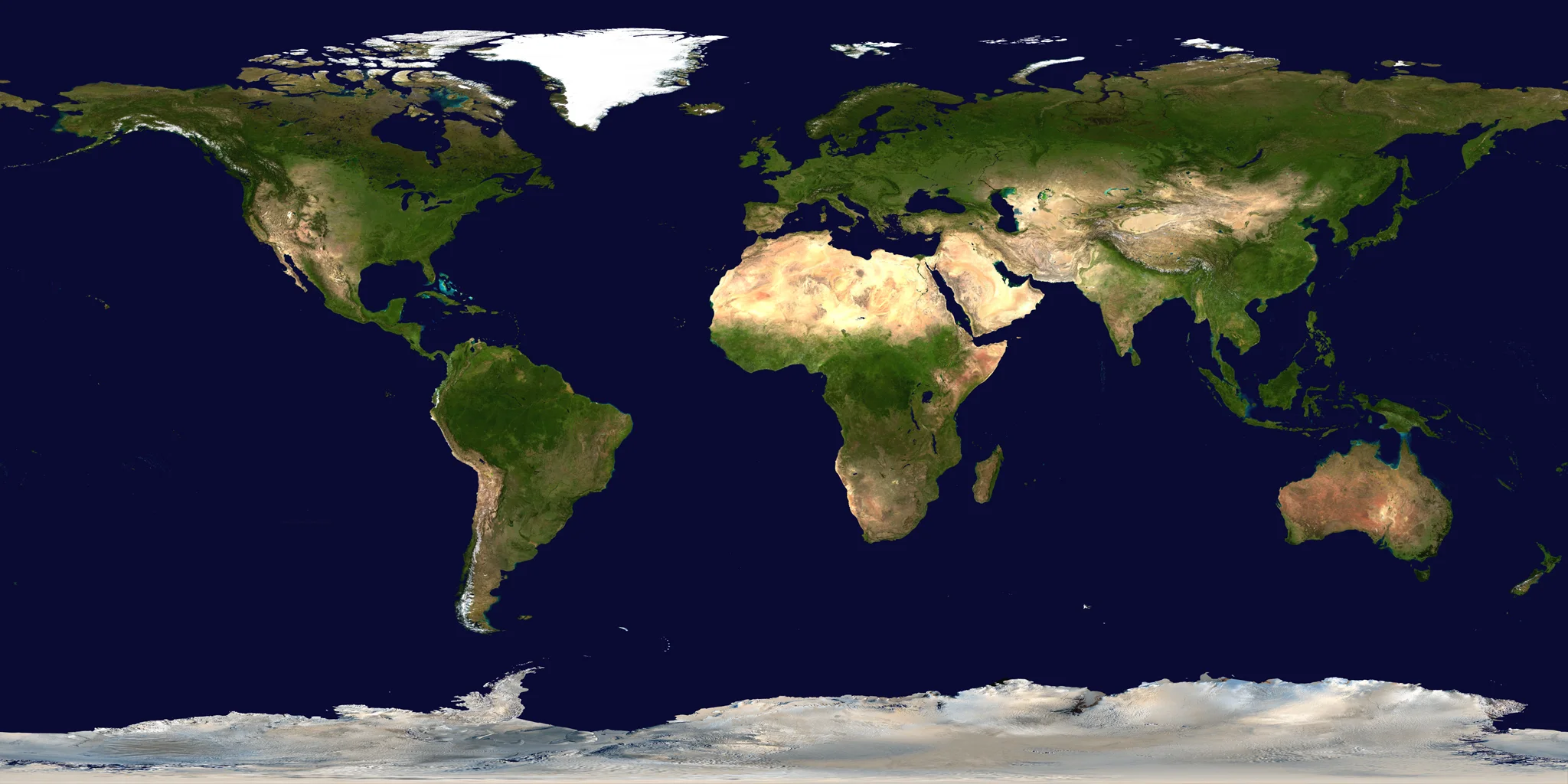
Drag to rotate
Watch in person
Plan around the launch.
Check the visitor complex’s viewing options, admission and availability for this specific launch.
Leave room for delays. Recheck the launch target, local weather and road closures on the day.
Kennedy Space Center launch viewing ↗Before you set off
- Confirm the target and launch window.
- Check official viewing access and any booking requirements.
- Use a permitted viewing area. The launch pad is not a visitor destination.
- Keep the mission’s coverage link as a backup.
Coverage & sources
Links supplied by the mission data provider.
Coverage and times may change.
Mission coverage
No viewing link has been published yet.
Follow on iPhone
Get reminders and schedule-change alerts. One active mission free.
Open mission in Spacian ↗