記録日時
- Launch target
- December 2026 · date to be confirmed
変更前の情報
- Launch target
- November 2026 · date to be confirmed

 Android テスト版参加グループを開く クローズドテスト版1.6.0(4)では、サインイン、プレミアム、通知を利用できません。まずGoogleグループに参加し、同じGoogleアカウントでGoogle Playのテストに登録 ↗してください。
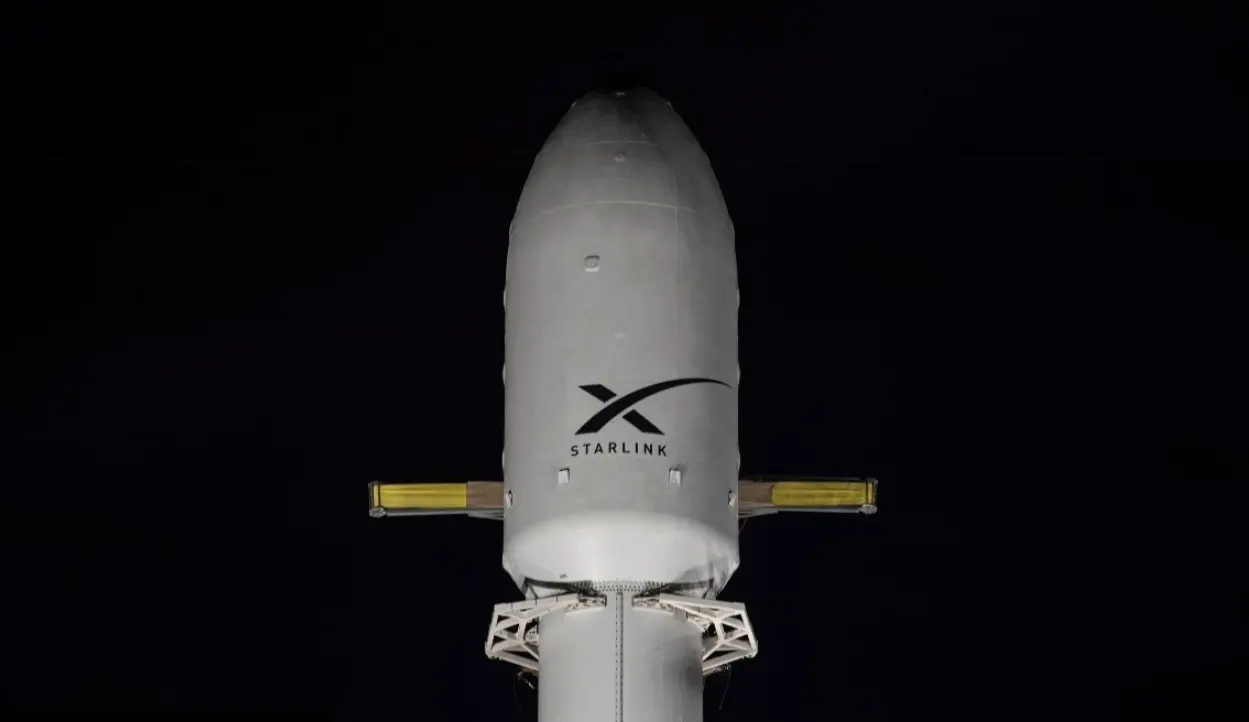
Falcon 9 Block 5
Starlink Group 15-21 is a planned deployment of 27 broadband satellites to low Earth orbit. Its assigned Falcon 9 booster, B1103, is scheduled for a seventh flight after carrying intelligence, military communications and earlier Starlink payloads. Its most recent flight delivered 21 Northrop Grumman satellites for the Space Development Agency’s Tranche 1 transport network on October 10, 2026. For Group 15-21, SpaceX plans a Pacific recovery on Of Course I Still Love You and satellite deployment about an hour after liftoff.
保存したミッションはマイページで確認できます。 リマインダーや予定変更の通知を受け取るには、iPhoneアプリでこのミッションをフォローしてください。
2026年12月。日付と時刻は未定です。
発表元の更新:
発表元の情報が変わった時点の記録です。延期の理由を示すものではありません。
記録を始める前の変更は掲載していません。
このページを表示している間、予定の変更を確認します。
打ち上げ予定は変更される場合があります。
関連記事・英語
B1103’s next payload is 27 Starlink satellites. Its previous flight delivered Northrop Grumman spacecraft for a separate military communications network.
The Falcon 9 booster assigned to Starlink Group 15-21 last carried a payload with a different customer and purpose. On October 10, it launched 21 Northrop Grumman satellites for the Space Development Agency. Its next assignment is a batch of 27 satellites for SpaceX’s own broadband network. [1] [2] [3]
B1103 has completed six flights. SpaceX lists NROL-179, SDA-T1TL-E, SDA-T1TL-A and three Starlink missions in the assigned booster’s history. Group 15-21 is scheduled to be its seventh launch. [1] [2]
SDA says the October 10 launch delivered the fourth orbital plane of its Tranche 1 transport constellation, bringing the number of Tranche 1 satellites in orbit to 84. These spacecraft relay military data beyond the reach of a direct ground link. Optical and Ka-band links are part of the planned network; the agency expects its initial operational capability in 2027. Delivery to orbit and a network ready for operations are distinct milestones in that account. [3]
Another flight in B1103’s history, NROL-179, served the National Reconnaissance Office’s growing constellation of smaller satellites. The agency describes that architecture as a way to increase capability and resilience. B1103 has carried both reconnaissance and communications payloads for government customers before returning to SpaceX’s commercial network. [4] [2]
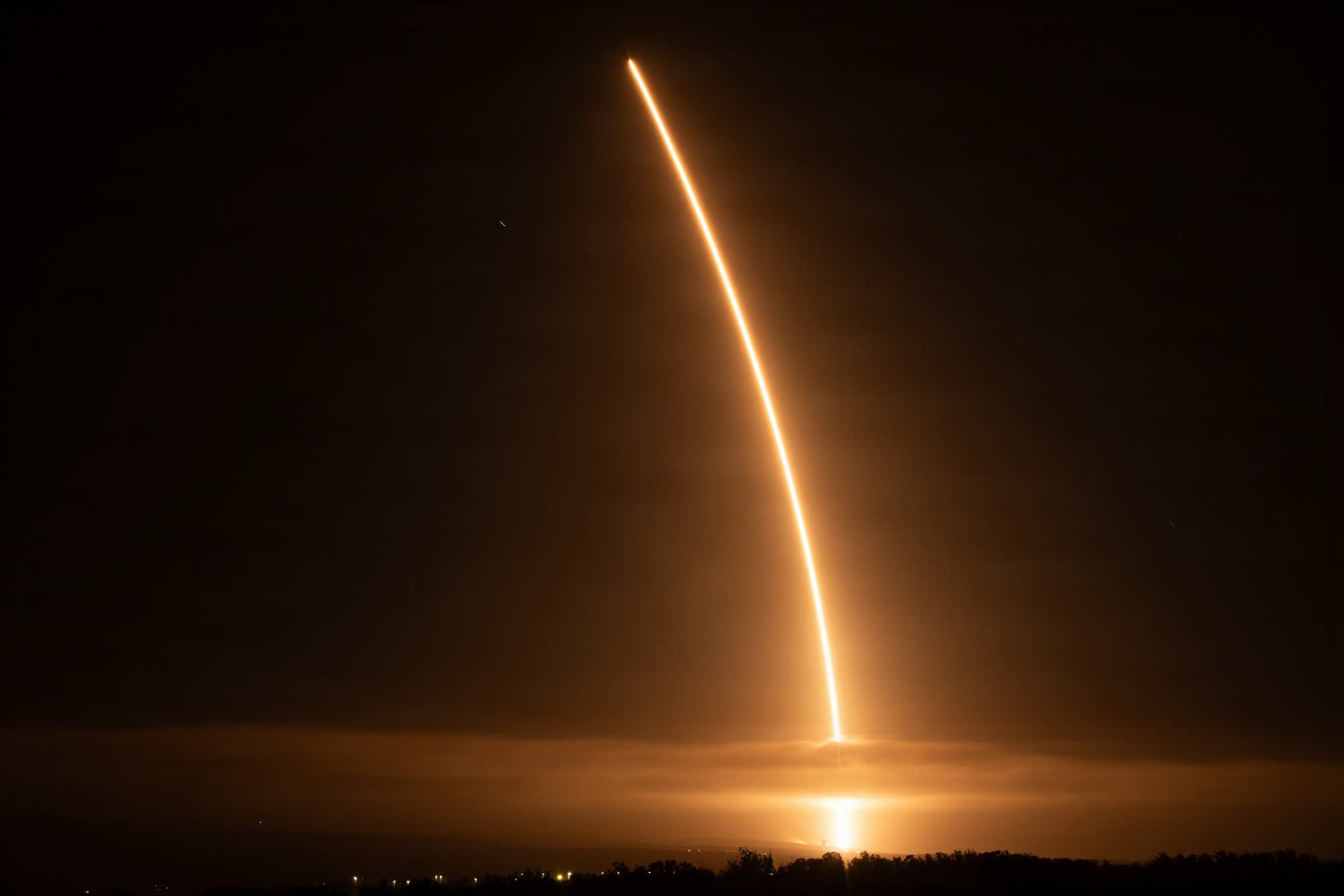
For Group 15-21, SpaceX plans to launch from Vandenberg’s Space Launch Complex 4 East and recover the stage on Of Course I Still Love You in the Pacific. Its published sequence places satellite release at about one hour, one minute and 55 seconds after liftoff. The operator lists November 5 on the mission page; these remain plans for an upcoming flight. [2]
公表された仕様と、この機体の飛行歴。
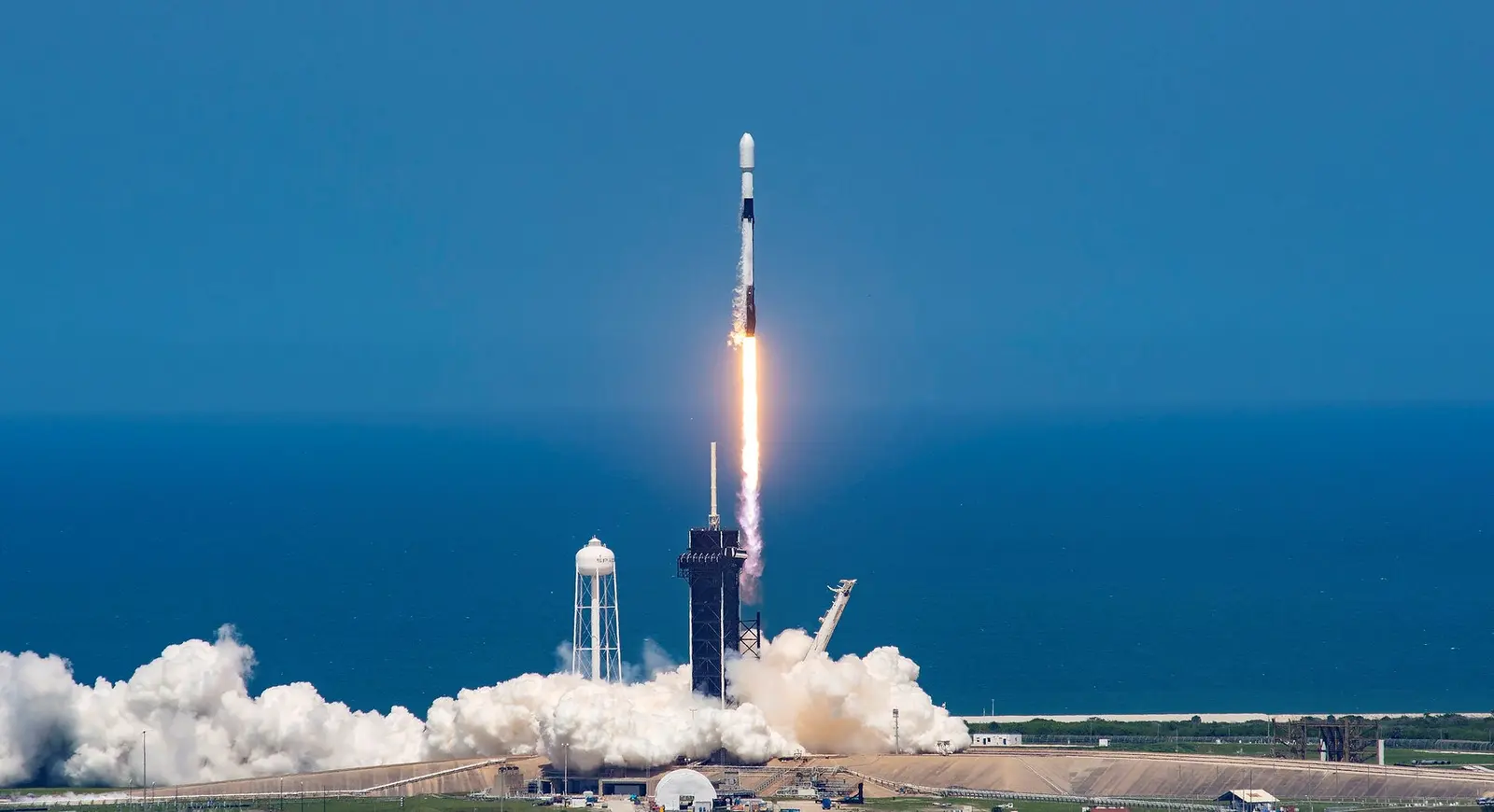
機体の説明・英語
Falcon 9 is a two-stage rocket designed and manufactured by SpaceX for the reliable and safe transport of satellites and the Dragon spacecraft into orbit. The Block 5 variant is the fifth major interval aimed at improving upon the ability for rapid reusability.

詳しい打ち上げ可能時間帯は、まだ公表されていません。
計画上の進行順序です。時刻は打ち上げの目標時刻を基準とし、実際の飛行データは示していません。
Vandenberg SFB, CA, USA
Explore the launch pad, then pull back to see the shape of the destination orbit.
Understand this orbit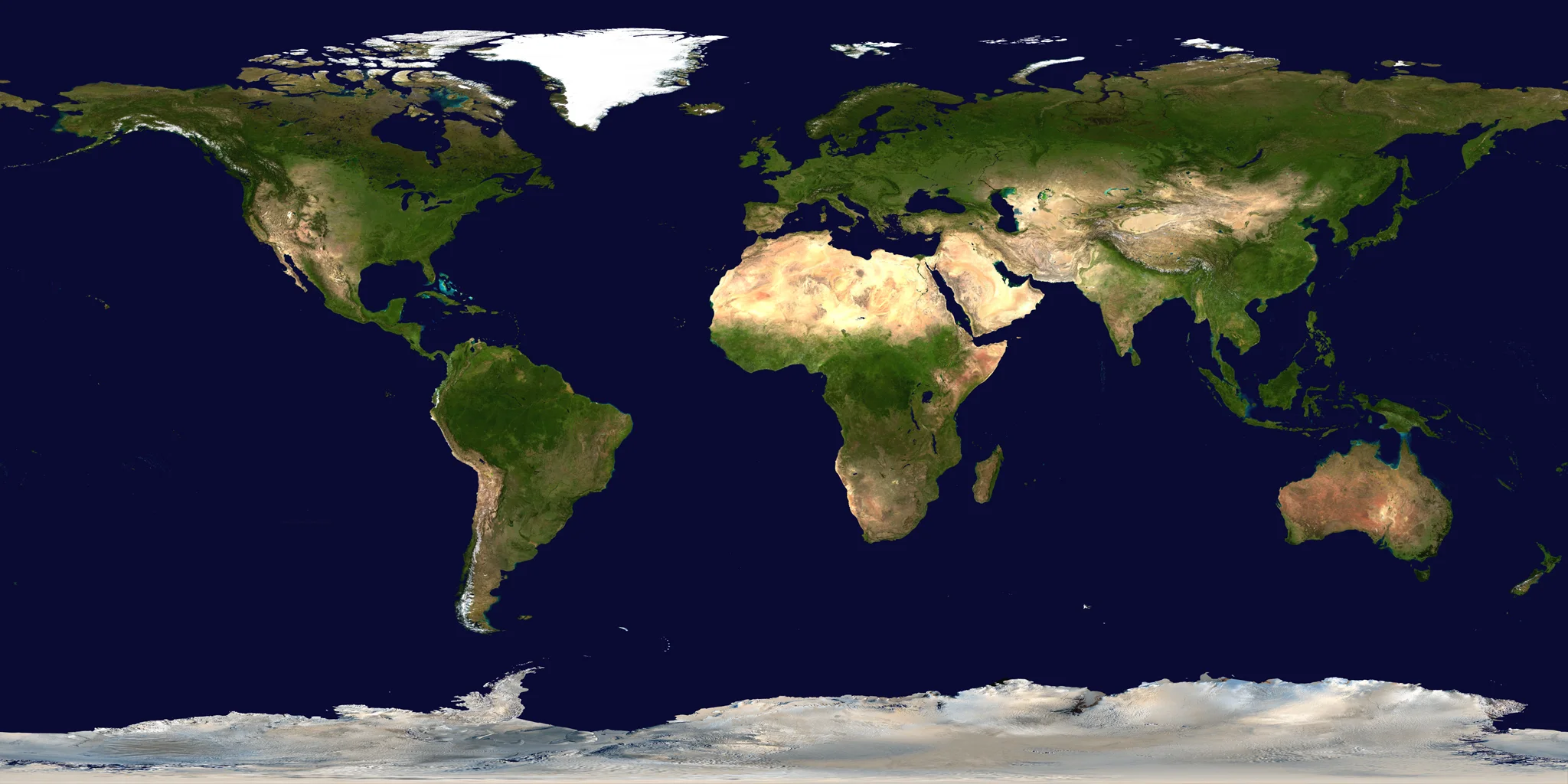
NASA geography with illustrative lighting. No live tracking or simulated ascent. Orbit motion is accelerated and representative. NASA Blue Marble source.
Check the base’s current launch notices and access restrictions before travelling.
延期に備えて日程に余裕を持ち、当日も予定時刻、現地の天気、道路の規制を確認してください。
Vandenberg launch announcements ↗Android テスト版参加グループを開く クローズドテスト版1.6.0(4)では、サインイン、プレミアム、通知を利用できません。まずGoogleグループに参加し、同じGoogleアカウントでGoogle Playのテストに登録 ↗してください。