
NET January 29.
Update ↗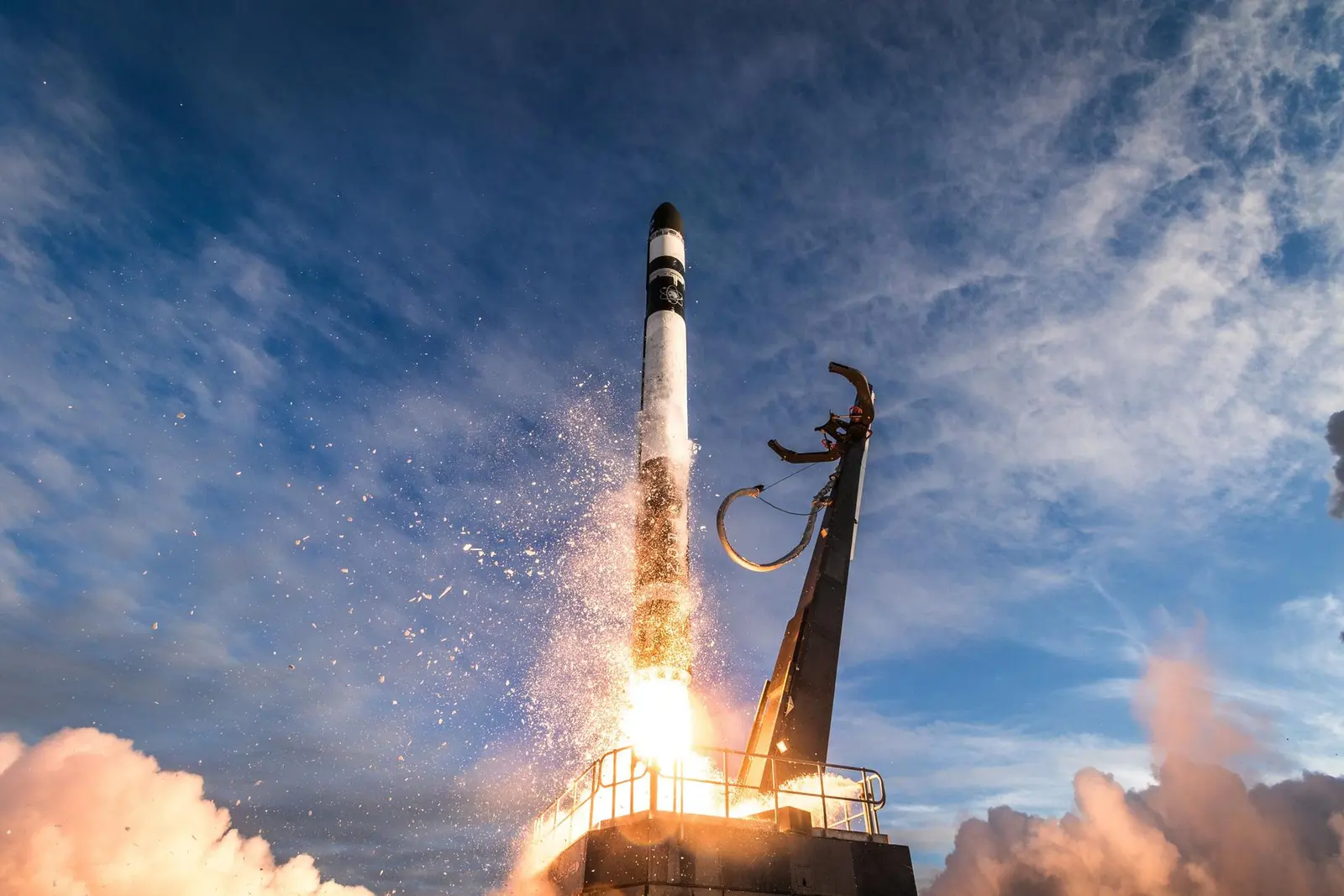
Latest published target
January 29, 2027 · time to be confirmed. An exact time has not been published.
Source record updated . This is a source update, not a confirmed launch time.
Check the source: Launch Library ↗
Checks for schedule changes while this page is visible.
Time to target
Target pending
Target time, not a confirmed liftoff.
LAUNCH SITERocket Lab Launch Complex 1, Mahia Peninsula, New Zealand
Mission
Aspera houses an ultraviolet telescope and will examine hot gas in the intergalactic medium, thought to be contributing to the birth of stars and planets. Aspera will be the first NASA astrophysics mission to gather and map these ultraviolet light signatures, potentially unlocking a deeper understanding of the origins of stars, planets, and life in the universe.
- Launch vehicle
- Electron
- Mission type
- Astrophysics
- Destination orbit
- Low Earth Orbit
- Launch pad
- Unknown Pad
- Provider
- Rocket Lab
The vehicle
Published configuration and flight history.
Launch vehicle
Electron
Electron is a two-stage orbital expendable launch vehicle (with an optional third stage) developed by the American aerospace company Rocket Lab. Electron is a small-lift launch vehicle designed to launch small satellites and cubesats to sun-synchronous orbit and low earth orbit. The Electron is the first orbital class rocket to use electric-pump-fed engines, powered by the 9 Rutherford engines on the first stage. It is also used as a suborbital testbed (called HASTE) for hypersonics research.
- Height
- 18 m
- Diameter
- 1.2 m
- Stages
- 3
- Recorded launches
- 92
- First flight
- 2017-05-25
Launch window
A precise launch window has not been published.
Launch site & orbit
Rocket Lab Launch Complex 1, Mahia Peninsula, New Zealand
The mission in perspective
Launch site & orbit
Explore the launch pad, then pull back to see the shape of the destination orbit.
Understand this orbit
Watch in person
Plan around the launch.
Check the current launch notice and safety zones. The launch site itself is not open to the public.
Leave room for delays. Recheck the launch target, local weather and road closures on the day.
Rocket Lab launch safety & viewing ↗Before you set off
- Confirm the target and launch window.
- Check official viewing access and any booking requirements.
- Use a permitted viewing area. The launch pad is not a visitor destination.
- Keep the mission’s coverage link as a backup.
Coverage & sources
Links supplied by the mission data provider.
Coverage and times may change.
Mission coverage
No viewing link has been published yet.
Further reading
Launch Library ↗Follow on iPhone
Get reminders and schedule-change alerts. One active mission free.
Open mission in Spacian ↗