
NET Q1 2027.
Update ↗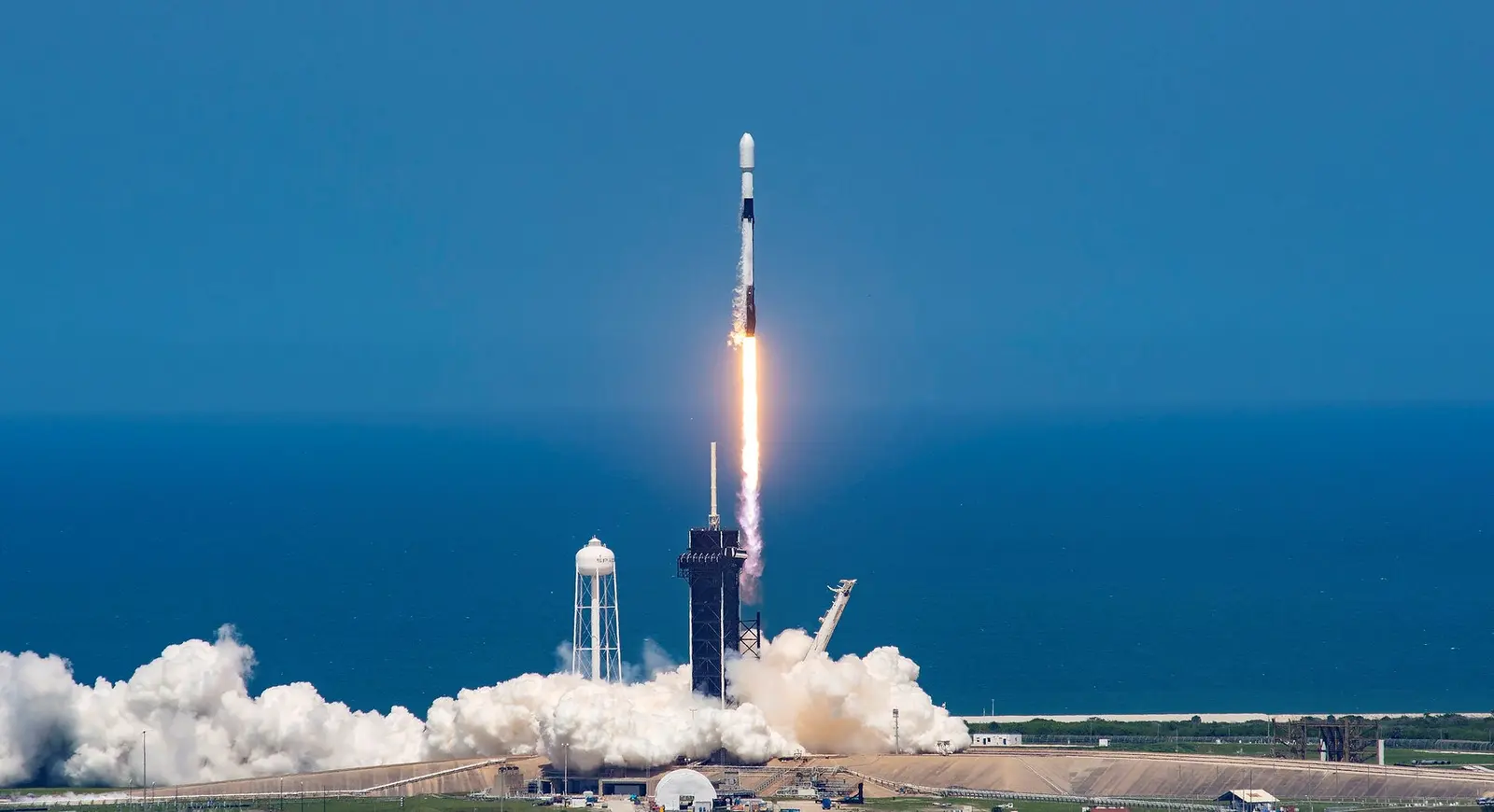
SpaceX日程未定
Nova-C IM-3
Falcon 9 Block 5
ミッションの目的概要は英語
This is the third mission to the Moon for Intuitive Machines with its Nova-C lunar lander. It is to deliver 130 kg of payloads to the lunar surface. This mission also includes a rideshare possibility due to available excess capacity on the launch vehicle.
日時未定
保存したミッションはマイページで確認できます。 リマインダーや予定変更の通知を受け取るには、iPhoneアプリでこのミッションをフォローしてください。
日程は、まだ決まっていません
この記録では、確定した日付が公表されていません。
発表元の更新:
発表元を確認:Launch Library ↗
このページを表示している間、予定の変更を確認します。
このタブを開いて表示している間だけ、通知を受け取れます。
目標時刻まで
日時未定
打ち上げ予定は変更される場合があります。
発射場所Cape Canaveral SFS, FL, USA
関連記事・英語
IM-3 will test what keeps a lunar swirl bright
NASA’s Lunar Vertex investigation will compare magnetic fields, charged particles and lunar soil at Reiner Gamma. NASA’s event listing places IM-3 in early 2027.
In this report
IM-3, Intuitive Machines’ upcoming lunar landing mission, will carry NASA’s Lunar Vertex investigation to Reiner Gamma. The target is a bright swirl spread across darker lunar soil. NASA currently lists the flight for early 2027. The investigation will test the connection between that visible pattern, local magnetism and the charged particles arriving from the Sun. [1] [2]
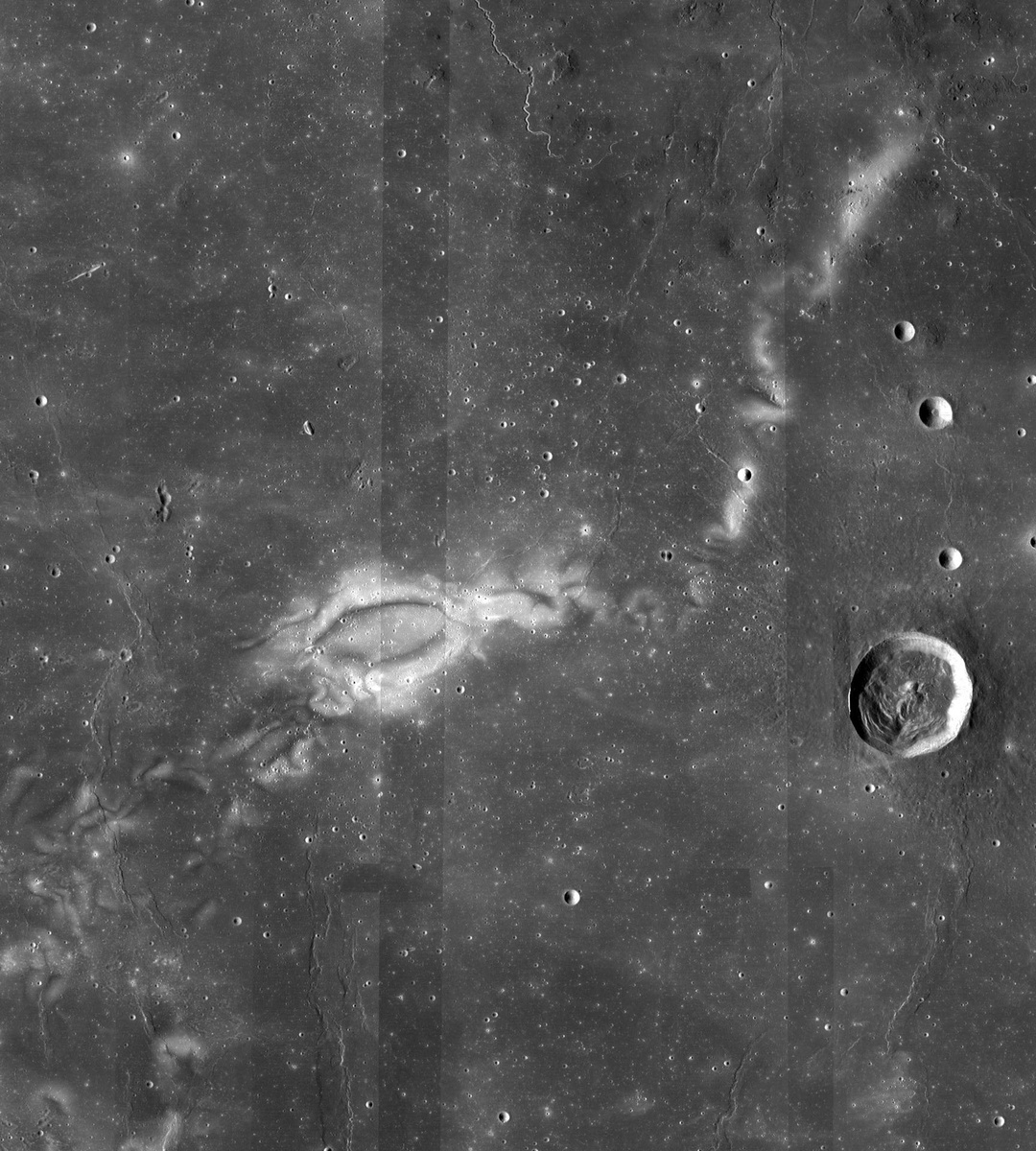
A pattern that an orbital photograph cannot finish explaining
In an orbital image, Reiner Gamma stands out through its reflectance: pale, curling bands cross the surrounding dark plain. The picture shows the pattern, but brightness alone does not reveal how the ground acquired or kept that appearance. [3] [4]
The Moon has no present global magnetic field like Earth’s. It does have patches of magnetized crust. Reiner Gamma is associated with one of these magnetic anomalies, and orbiting spacecraft have detected small magnetic environments above strong anomalies. That makes it a place to study how a local field changes the Moon’s interaction with the solar wind. [2]
A possible shield against space weathering
The solar wind carries charged particles. Their interaction with exposed lunar material contributes to space weathering, which can darken soil. In the shielding explanation, local magnetic and electric fields alter the particles’ paths and the energy reaching different parts of the ground. Areas receiving less bombardment can remain brighter than their surroundings. [4]
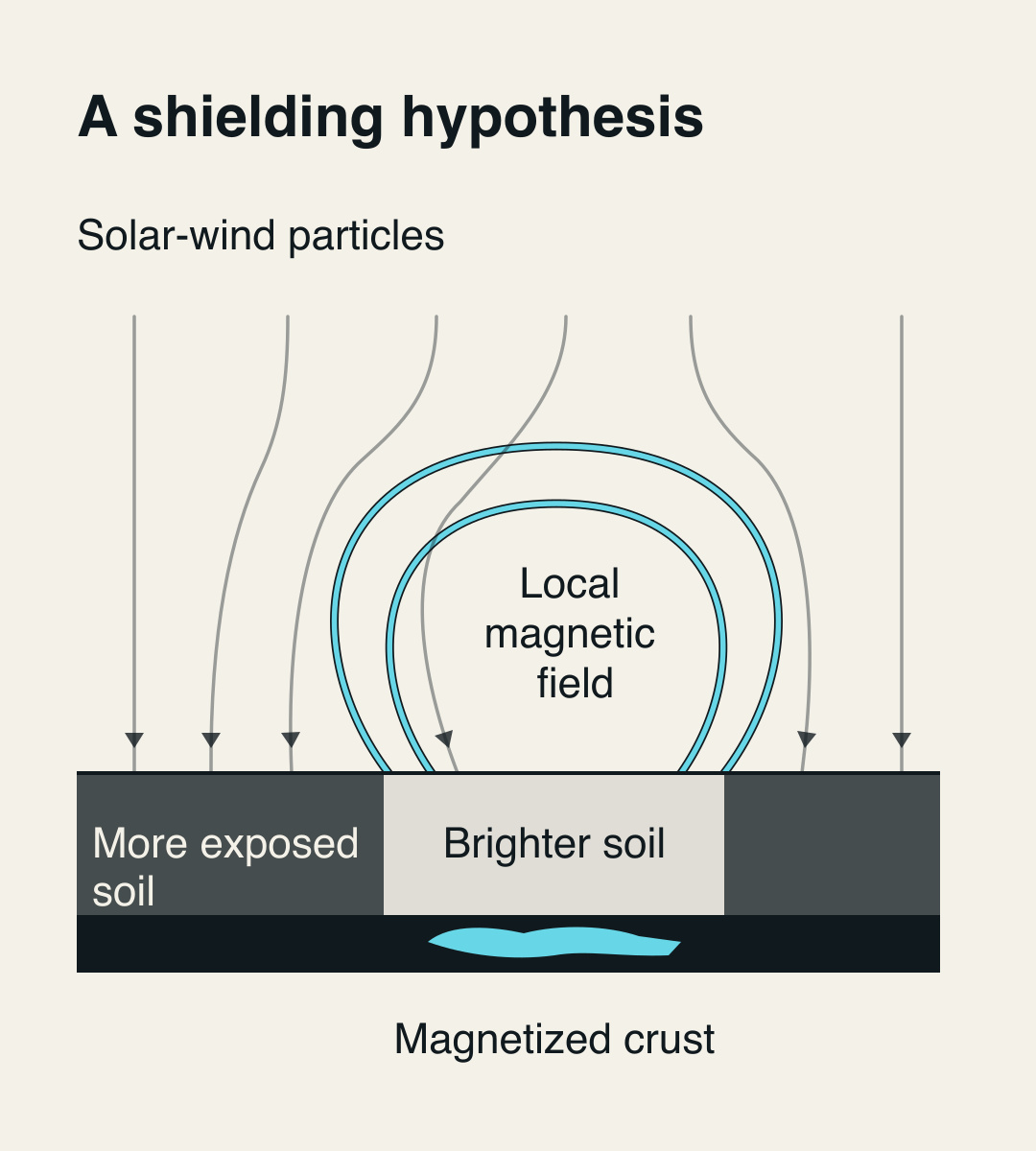
Computer simulations have reproduced aspects of the Reiner Gamma pattern by following ions and electrons around a crustal magnetic anomaly. That supports the mechanism, but it does not replace measurements near the surface. Magnetic anomalies do not all have the same visible swirls; the geometry of the fields and their interaction with the incoming particles matter. [4]
Measure the field, the particles and the soil
Lunar Vertex combines instruments on the Nova-C lander with a small rover. The lander carries a magnetometer, a plasma spectrometer and cameras. The rover carries its own magnetometer and a multispectral microscope. Those instruments examine different parts of the same problem: the magnetic environment, the charged particles and the material on the ground. [2] [5]
A stationary lander supplies one observation point. A moving rover adds comparisons along a route. The mission team plans exploration as far as two kilometres from the lander, allowing the rover to investigate how the field and soil properties vary across the region. [2]
What would make the explanation stronger?
Researchers can compare the magnetic field and particle environment with the properties of soil in the rover’s observations. Agreement would help explain how a magnetic anomaly modifies space weathering. Differences would show where a simple shielding picture is incomplete. [2] [4]
IM-3 will take this question from an orbital image to the ground: does the bright swirl trace a region where the solar wind weathers the soil differently? Lunar Vertex’s combined measurements are designed to test that connection. [1] [2]
Sources and credits (5)
- Intuitive Machines IM-3: Early2027NASA · Checked 2026-11-04
- Lunar Vertex mission and instrumentsJohns Hopkins APL · Checked 2026-11-04
- Lunar Swirl Reiner GammaNASA · Checked 2026-11-04
- Lunar Swirl Features Reproduced by Modeling Solar Wind StandoffNASA · Checked 2026-11-04
- Lunar Vertex instrument payload listingNASA · Checked 2026-11-04
ミッションのデータ
- 打ち上げ機
- Falcon 9 Block 5
- ミッションの種類
- Lunar Exploration
- 投入先の軌道
- Lunar Orbit
- Launch pad
- Unknown Pad
- 運用機関
- SpaceX
機体の構成
公表された仕様と、この機体の飛行歴。
打ち上げ機
Falcon 9 Block 5
機体の説明・英語
Falcon 9 is a two-stage rocket designed and manufactured by SpaceX for the reliable and safe transport of satellites and the Dragon spacecraft into orbit. The Block 5 variant is the fifth major interval aimed at improving upon the ability for rapid reusability.
- 高さ
- 70 m
- 直径
- 3.65 m
- 段数
- 2
- 記録された打ち上げ数
- 646
- 初飛行
- 2018-05-11
Core
Unknown F9
打ち上げ可能時間帯
詳しい打ち上げ可能時間帯は、まだ公表されていません。
発射場所
Cape Canaveral SFS, FL, USA
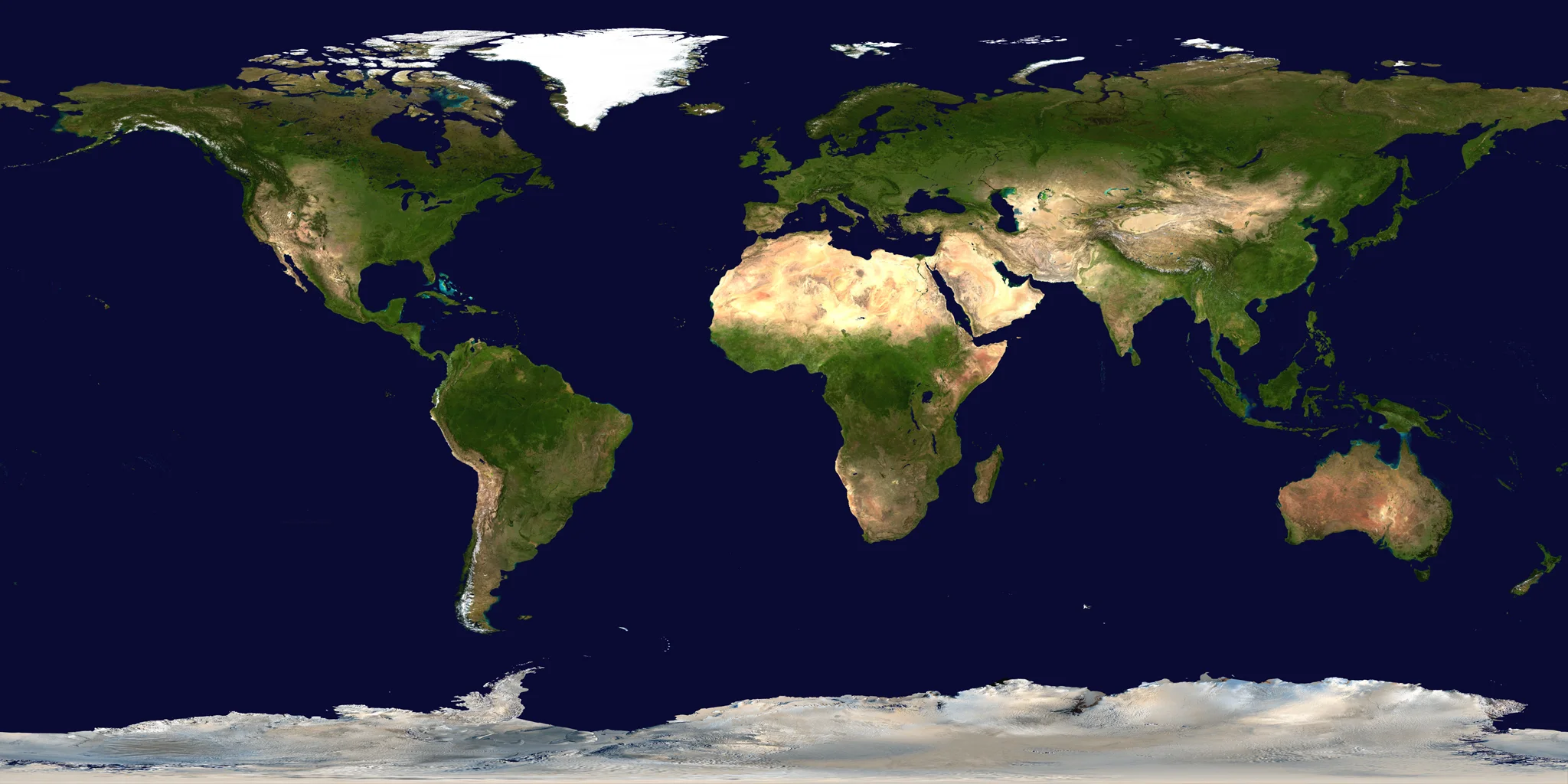
発射場所Unknown Pad
Drag to rotate
この表示について
Published destination: Lunar Orbit.
NASA geography with illustrative lighting. No live tracking or simulated ascent. NASA Blue Marble source.
中継・出典
ミッションの中継
配信リンクは、まだ公開されていません。
関連する資料
Launch Library Android テスト版参加グループを開く クローズドテスト版1.6.0(4)では、サインイン、プレミアム、通知を利用できません。まずGoogleグループに参加し、同じGoogleアカウントでGoogle Playのテストに登録 ↗してください。