
NET 2027.
Update ↗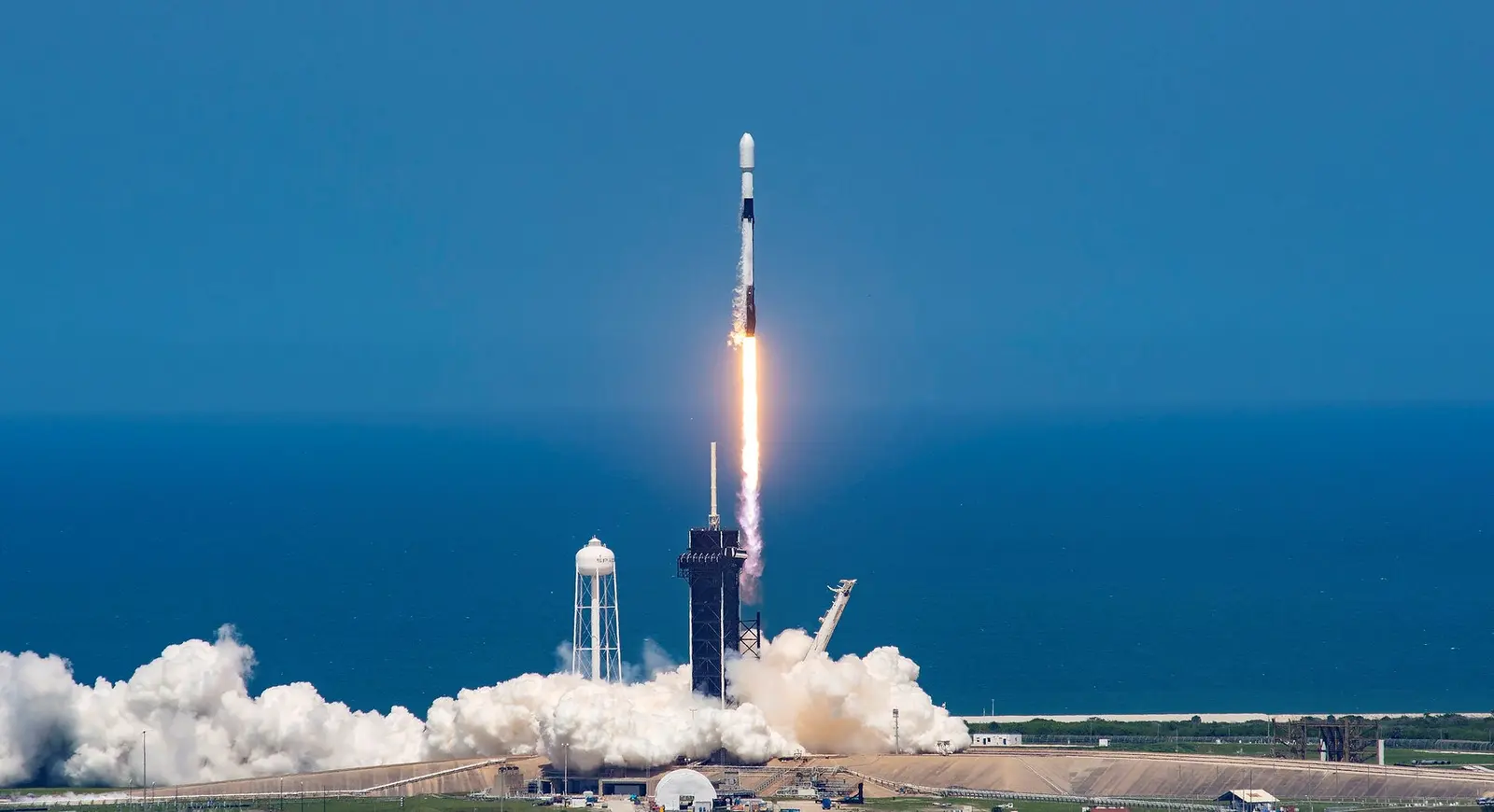
SpaceX日程未定
Blue Ghost Lunar Lander Mission 2
Falcon 9 Block 5
ミッションの目的概要は英語
LuSEE-Night is a radio experiment planned for Firefly Aerospace’s Blue Ghost Mission 2, targeted no earlier than 2027. The lunar far side shields it from direct terrestrial radio interference, and lunar night also hides the Sun. Firefly plans to shut down the lander before nightfall while LuSEE-Night continues observations. The experiment will test the radio environment for studies of the early universe; the mission includes orbital communications support.
日時未定
保存したミッションはマイページで確認できます。 リマインダーや予定変更の通知を受け取るには、iPhoneアプリでこのミッションをフォローしてください。
日程は、まだ決まっていません
この記録では、確定した日付が公表されていません。
発表元の更新:
発表元を確認:Launch Library ↗
このページを表示している間、予定の変更を確認します。
このタブを開いて表示している間だけ、通知を受け取れます。
目標時刻まで
日時未定
打ち上げ予定は変更される場合があります。
発射場所Cape Canaveral SFS, FL, USA
関連記事・英語
Why hide a radio telescope behind the Moon?
LuSEE-Night will travel with Blue Ghost Mission 2, planned for no earlier than 2027. The Moon can screen out Earth-made radio noise, while lunar night removes another bright source: the Sun.
In this report
LuSEE-Night, a radio experiment due to fly on Firefly's upcoming Blue Ghost Mission 2, needs something an Earth observatory cannot provide: the Moon between its antennas and our planet. Firefly targets the mission for no earlier than 2027. Why travel so far to listen? [1]
A signal Earth makes hard to hear
LuSEE-Night targets very low-frequency radio observations, including a possible signature from the cosmic Dark Ages, before the first luminous stars and galaxies. That signal is faint and difficult to separate from interference. [2]
On the ground, two obstacles intervene. Earth's ionosphere, a charged region of the upper atmosphere, interferes with the relevant radio waves. Meanwhile, transmitters and other human activity make our planet a loud radio source. Moving an antenna above the atmosphere addresses one obstacle; it does not automatically make Earth quiet. [2]
Put the Moon in the way
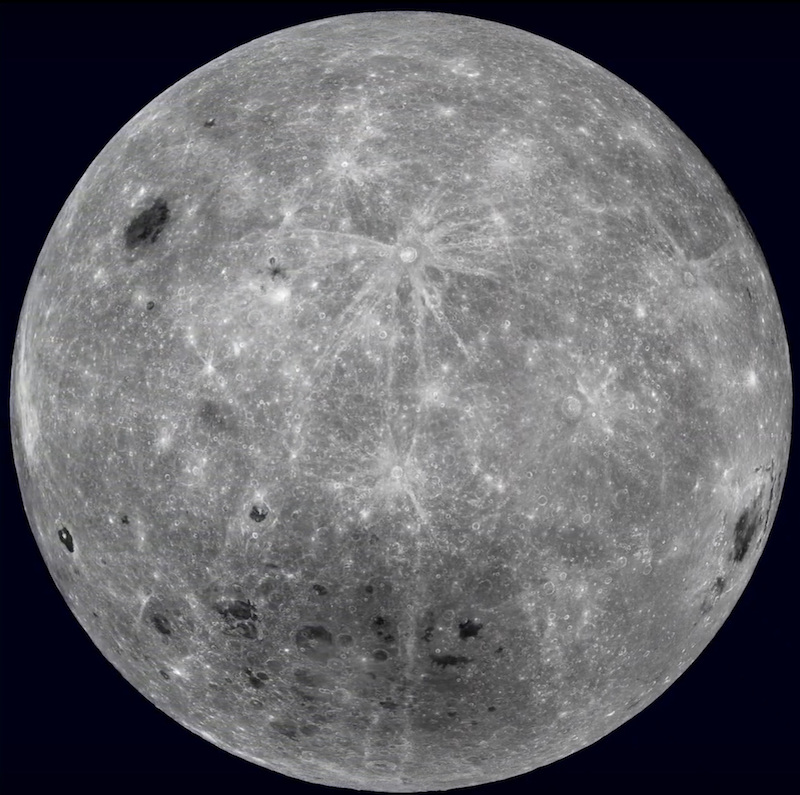
On the lunar far side, the Moon cuts off the direct path from terrestrial radio transmitters. The receiving antenna is also outside Earth’s ionosphere. Leaving the atmosphere and hiding Earth address two different sources of interference. [2] [3]
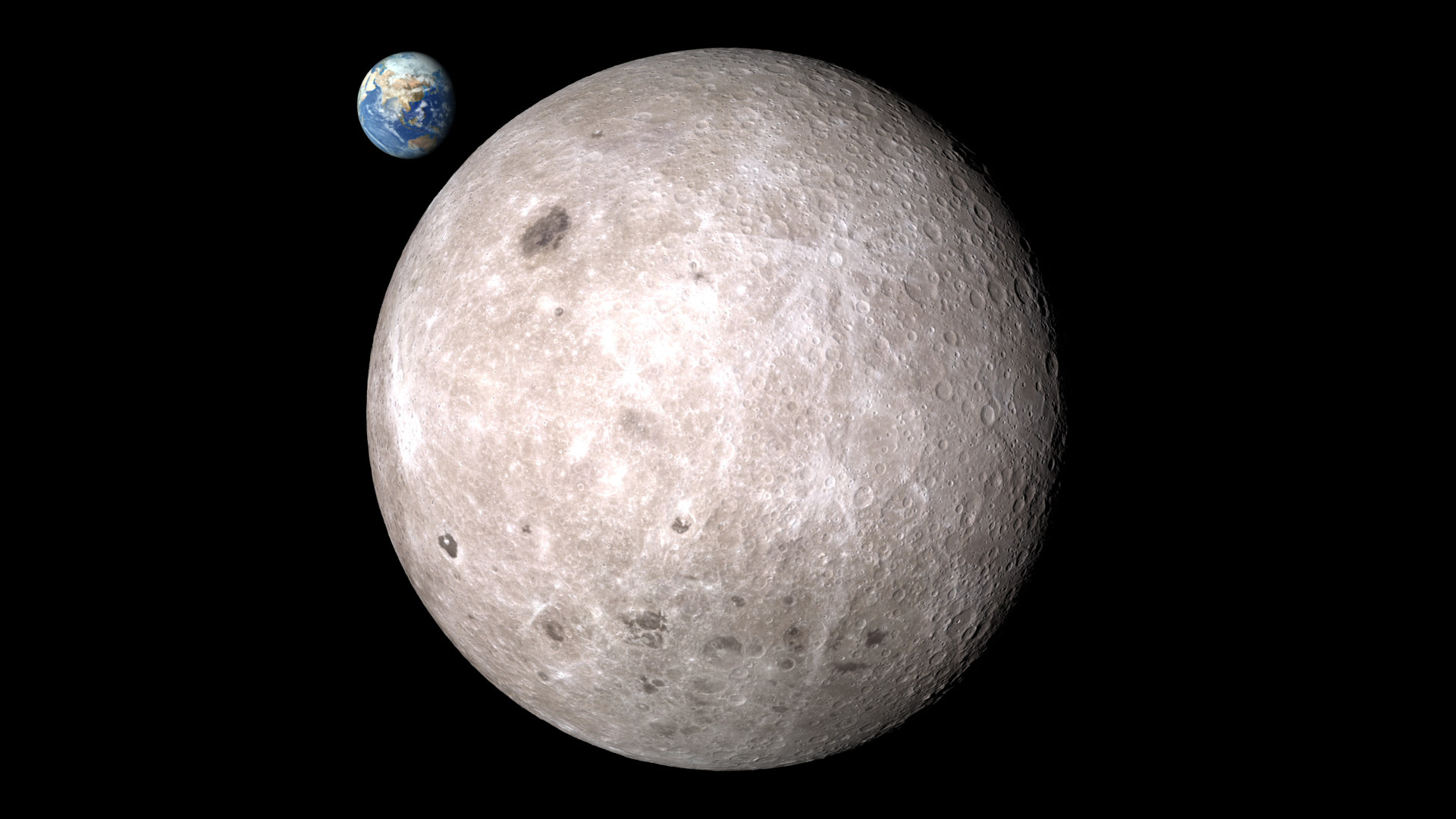
The far side faces away from Earth; night begins when the Sun drops below the local horizon. LuSEE-Night benefits from both conditions together. During the lunar night, the solid Moon also screens the instrument from solar radio emissions. [2]
The spacecraft must join the quiet
The lander can generate interference too. Firefly plans to switch Blue Ghost off before lunar nightfall while LuSEE-Night, attached to its top deck, continues listening. [1]
LuSEE-Night must then work through the long, cold lunar night without sunlight for power or heat. NASA describes night survival as a technology demonstration alongside the radio observations. [2]
Listening and returning the measurements
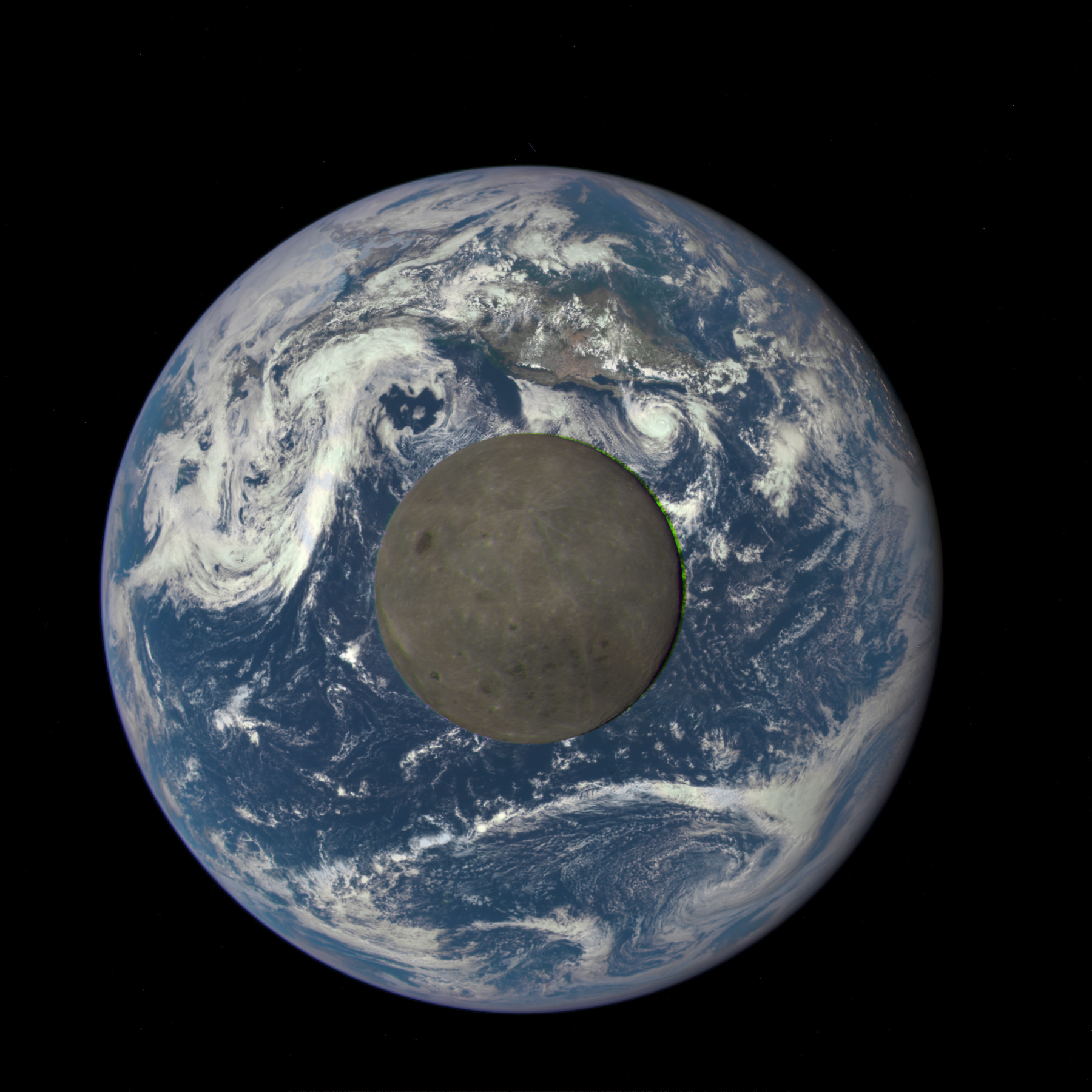
The same Moon that screens Earth's transmissions also blocks a direct communication link home. The mission therefore includes orbital relay services. Firefly assigns surface delivery to Blue Ghost and communications support to Elytra in lunar orbit; NASA also describes a User Terminal demonstration with Lunar Pathfinder. They have different jobs in the architecture. [1] [3]
LuSEE-Night will investigate the radio environment and the feasibility of these difficult measurements. The Moon removes major sources of interference; a cosmological detection still depends on what the instrument can distinguish in the remaining sky signal. [2] [1]
Sources and credits (7)
- Blue Ghost + Elytra: Lunar Far SideFirefly Aerospace · Checked 2026-11-07
- NASA, Department of Energy Join Forces on Innovative Lunar ExperimentNASA · Checked 2026-11-07
- Moon Base Phases: Blue Ghost Mission 2NASA · Checked 2026-11-07
- Moon Base: Firefly Aerospace Blue Ghost Mission 2NASA · Checked 2026-11-03
- Lunar far-side mosaic from NASA’s Lunar Reconnaissance Orbiter.NASA/Goddard Space Flight Center/Arizona State University · Checked 2026-11-07
- The Moon crosses Earth in a DSCOVR EPIC image from July 2015.NASA/DSCOVR/EPIC team · Checked 2026-11-03
- LRO-based visualization of the lunar far side, released in 2015. Sunlit terrain shows why “far side” and “night” describe different conditions.NASA/Goddard Scientific Visualization Studio/Ernie Wright · Checked 2026-11-03
ミッションのデータ
- 打ち上げ機
- Falcon 9 Block 5
- ミッションの種類
- Lunar Exploration
- 投入先の軌道
- Lunar Orbit
- Launch pad
- Unknown Pad
- 運用機関
- SpaceX
機体の構成
公表された仕様と、この機体の飛行歴。
打ち上げ機
Falcon 9 Block 5
機体の説明・英語
Falcon 9 is a two-stage rocket designed and manufactured by SpaceX for the reliable and safe transport of satellites and the Dragon spacecraft into orbit. The Block 5 variant is the fifth major interval aimed at improving upon the ability for rapid reusability.
- 高さ
- 70 m
- 直径
- 3.65 m
- 段数
- 2
- 記録された打ち上げ数
- 646
- 初飛行
- 2018-05-11
打ち上げ可能時間帯
詳しい打ち上げ可能時間帯は、まだ公表されていません。
発射場所
Cape Canaveral SFS, FL, USA

発射場所Unknown Pad
Drag to rotate
この表示について
Published destination: Lunar Orbit.
NASA geography with illustrative lighting. No live tracking or simulated ascent. NASA Blue Marble source.
中継・出典
ミッションの中継
配信リンクは、まだ公開されていません。
関連する資料
Launch Library Android テスト版参加グループを開く クローズドテスト版1.6.0(4)では、サインイン、プレミアム、通知を利用できません。まずGoogleグループに参加し、同じGoogleアカウントでGoogle Playのテストに登録 ↗してください。