

Venus
Venus has a dense carbon-dioxide atmosphere, sulfuric-acid clouds and a surface hot enough to melt lead. Its extreme temperature results from the balance between absorbed sunlight and the difficulty of radiating heat through the atmosphere. Radar penetrates the clouds to map volcanoes and plains that visible cameras cannot see from orbit. Magellan’s repeated observations also supplied evidence of surface changes consistent with volcanic activity.
- Mean diameter
- 12,104 km
- Rotation
- 243 Earth days
- Year
- 0.62 Earth years
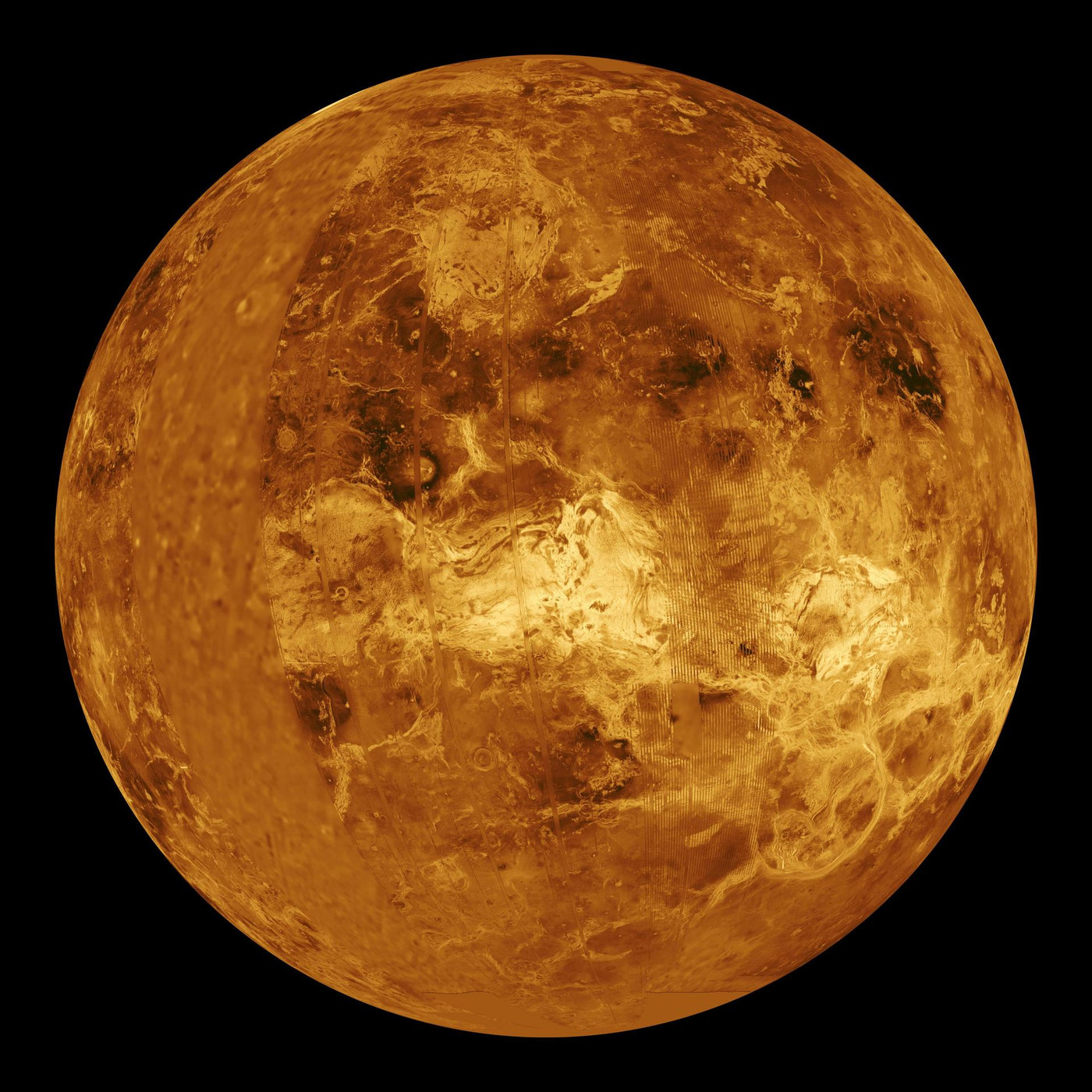
Beneath the clouds
Magellan’s radar map
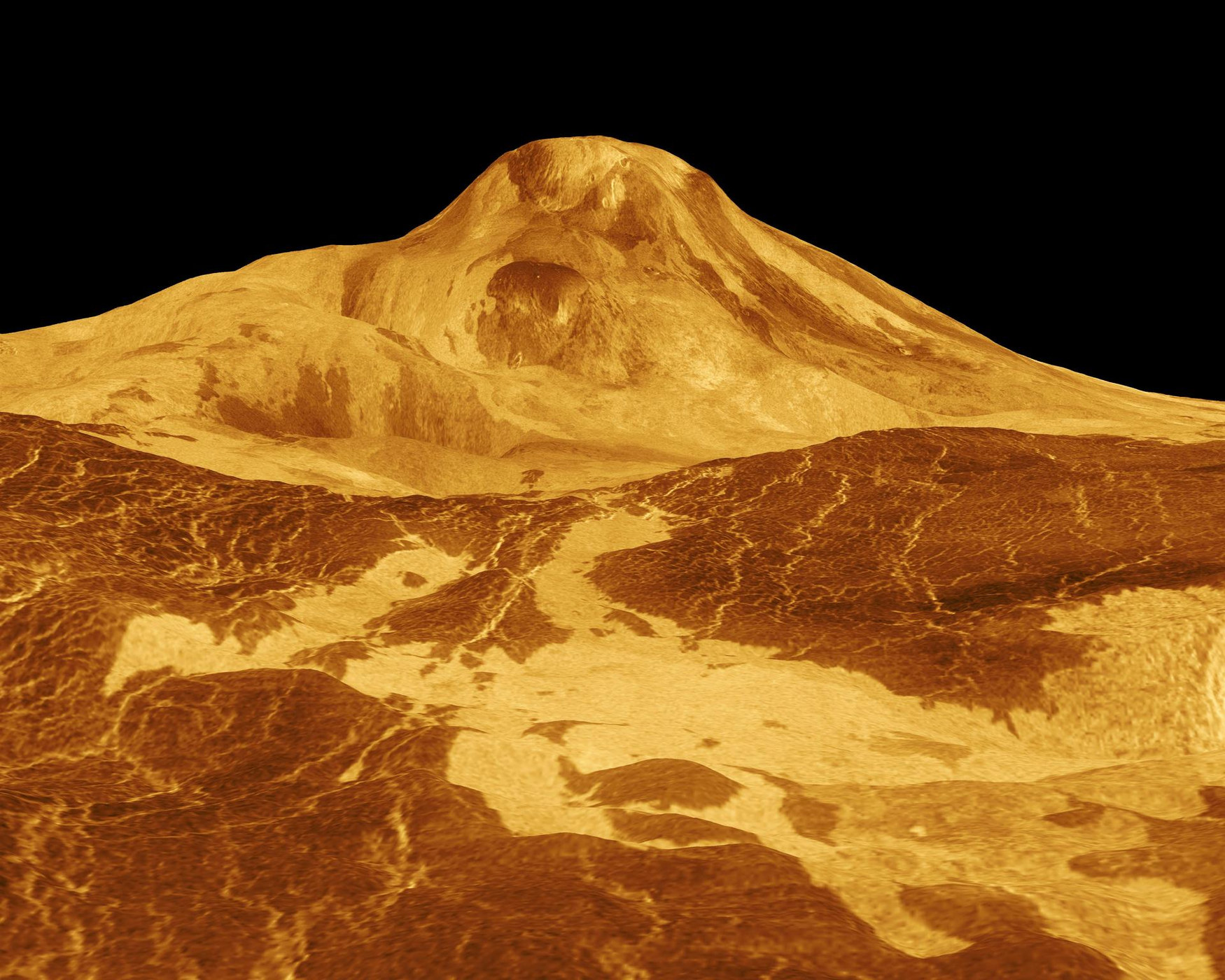
Radar penetrated the cloud cover to map volcanoes, plains and craters. Repeat observations of Maat Mons revealed changes consistent with volcanic activity.
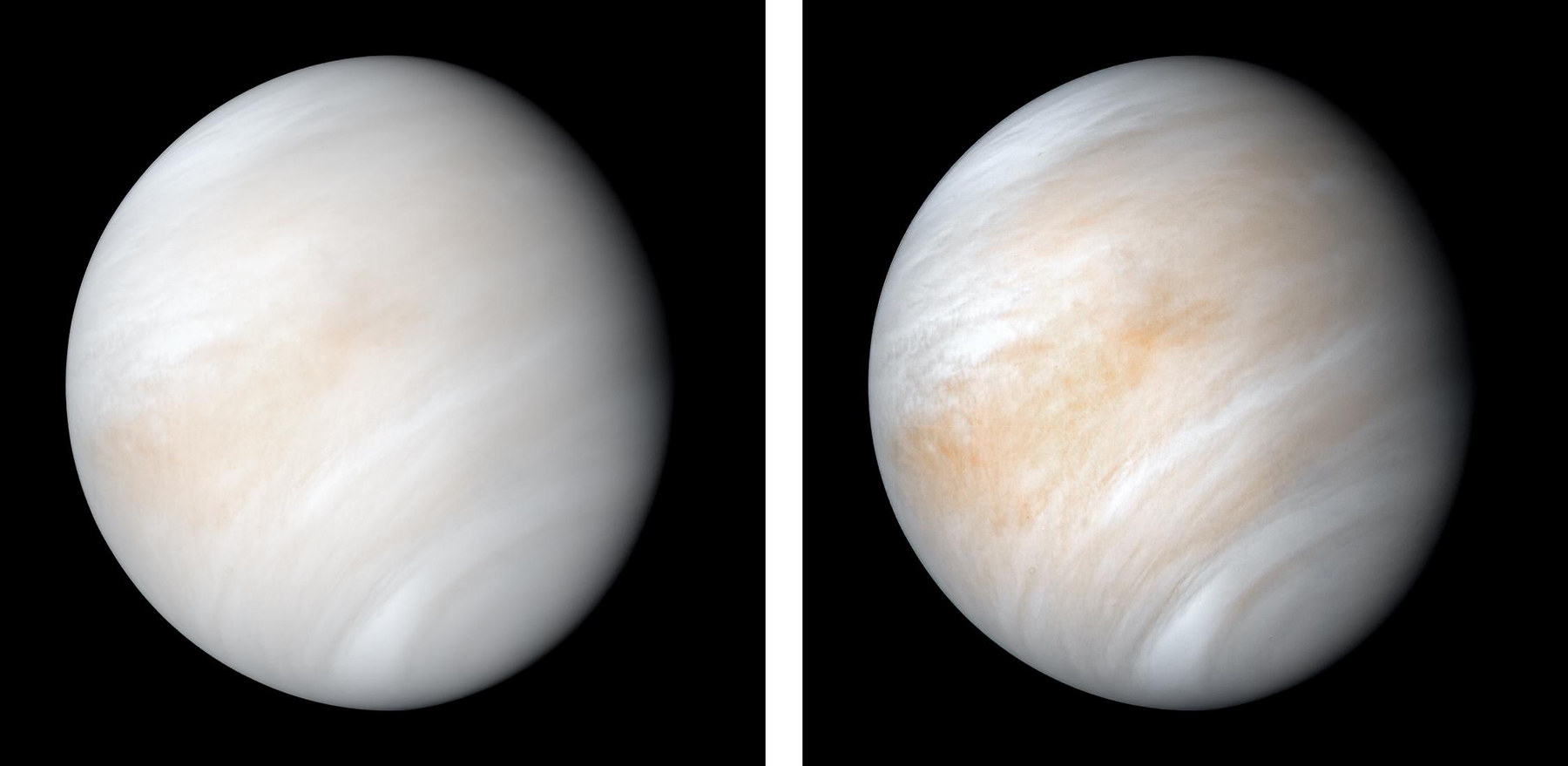
The fast cloud deck
A slowly turning planet, fast winds
Cloud tracking follows atmospheric circulation at several heights. Akatsuki investigated how those layers sustain superrotation and exchange momentum.
Heat at the ground
About 465°C beneath the atmosphere
Venus reflects much of the sunlight it receives, yet its dense carbon-dioxide atmosphere makes the ground hotter than Mercury. Follow the energy entering and leaving.
More investigations
Through the instruments
Open an image for the full frame and its source.
Venus beneath the clouds
NASA/JPLMaat Mons
NASA/JPLVenus’s cloud deck
NASA/JPL-CaltechRadar mosaic of Venus mapped onto a globe
NASA/JPLMissions & milestones
48 launch records · 29 linked events
77 related records
BepiColombo Mercury Orbit Insertion
November 2026 · date to be confirmed
European Space Agency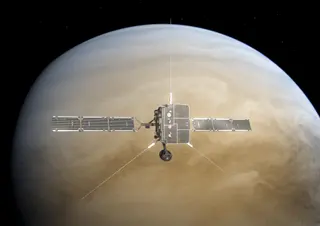
Solar Orbiter Venus Flyby
December 24, 2026 · time to be confirmed
European Space Agency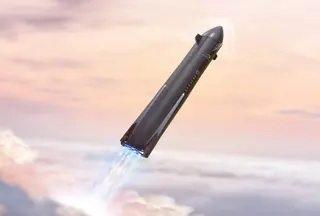
NZSA Venus Mission
Date to be confirmed
Rocket Lab · NeutronSolar Orbiter Venus Flyby
March 18, 2028 · time to be confirmed
European Space Agency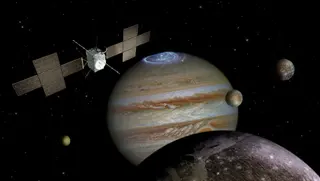
Juice Earth Flyby
January 2029 · date to be confirmed
European Space AgencySolar Orbiter Venus Flyby
June 10, 2029 · time to be confirmed
European Space AgencySolar Orbiter Venus Flyby
September 3, 2030 · time to be confirmed
European Space AgencyJuice Jupiter Orbit Insertion
July 2031 · date to be confirmed
European Space Agency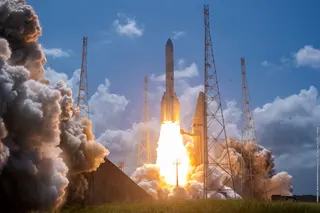
EnVision
December 2031 · date to be confirmed
Arianespace · Ariane 64Juice Ganymede Orbit Insertion
December 2034 · date to be confirmed
European Space AgencyJuice Ganymede Impact
Date to be confirmed
European Space AgencyJuice Earth Flyby
September 28, 2026 · UTC
European Space AgencyBepiColombo Mercury Arrival
September 3, 2026 · UTC
European Space AgencyJuice Venus Flyby
August 31, 2025 · UTC
European Space AgencySolar Orbiter Venus Flyby
February 18, 2025 · UTC
European Space AgencyBepiColombo Mercury Flyby
January 8, 2025 · UTC
European Space AgencyBepiColombo Mercury Flyby
December 1, 2024 · UTC
European Space AgencyBepiColombo Mercury Flyby
September 4, 2024 · UTC
European Space AgencyJuice Moon-Earth Flyby
August 19, 2024 · UTC
European Space AgencyBepiColombo Mercury Flyby
June 20, 2023 · UTC
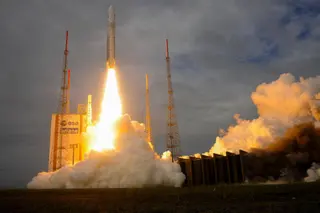
JUICE (JUpiter ICy moons Explorer)
April 14, 2023 · UTC
Arianespace · Ariane 5 ECA+ESA JUICE Pre-Launch Press Briefing
April 6, 2023 · UTC
Solar Orbiter Venus Flyby
September 4, 2022 · UTC
BepiColombo Mercury Flyby
June 23, 2022 · UTC
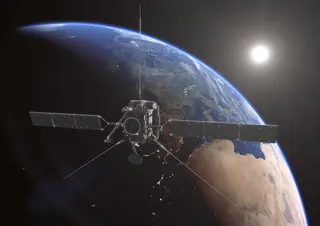
Solar Orbiter Earth Flyby
November 27, 2021 · UTC
BepiColombo Mercury Flyby
October 1, 2021 · UTC
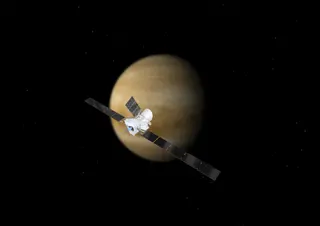
BepiColombo Venus Flyby
August 10, 2021 · UTC
Solar Orbiter Venus Flyby
August 9, 2021 · UTC
Solar Orbiter Venus Flyby
December 27, 2020 · UTC
BepiColombo Venus Flyby
October 15, 2020 · UTC
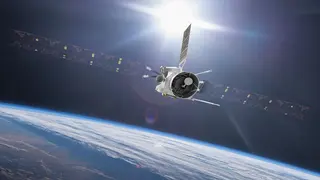
BepiColombo Earth Flyby
April 10, 2020 · UTC
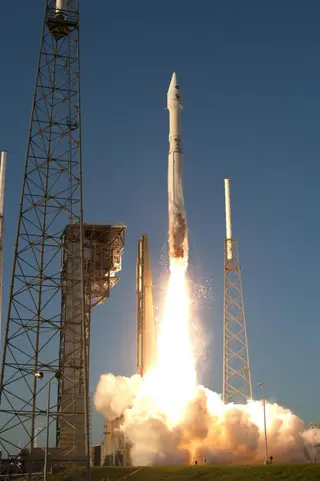
Solar Orbiter
February 10, 2020 · UTC
United Launch Alliance · Atlas V 411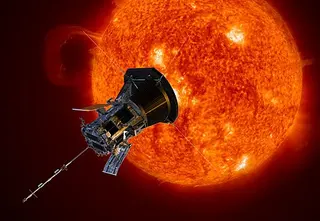
Parker Solar Probe - 2nd Perihelion
April 4, 2019 · UTC
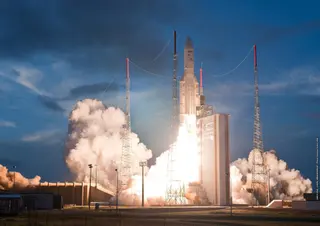
BepiColombo
October 20, 2018 · UTC
Arianespace · Ariane 5 ECA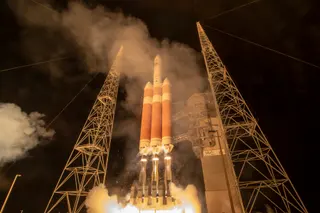
Parker Solar Probe
August 12, 2018 · UTC
United Launch Alliance · Delta IV Heavy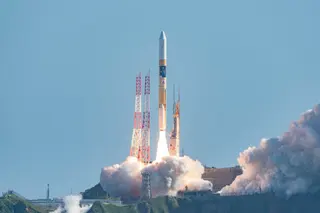
Akatsuki (Planet-C)
May 20, 2010 · UTC
Mitsubishi Heavy Industries · H-IIA 202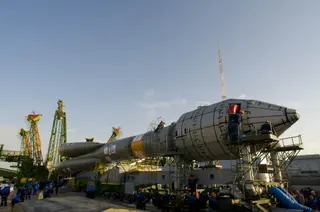
Venus Express
November 9, 2005 · UTC
Russian Federal Space Agency (ROSCOSMOS) · Soyuz-FG Fregat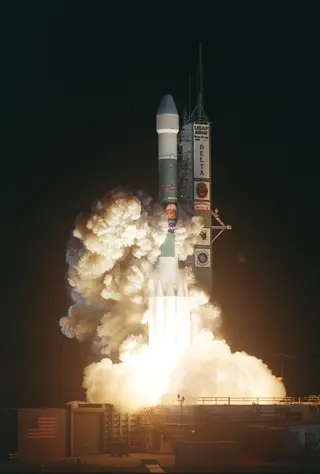
Messenger
August 3, 2004 · UTC
United States Air Force · Delta II 7925H-9.5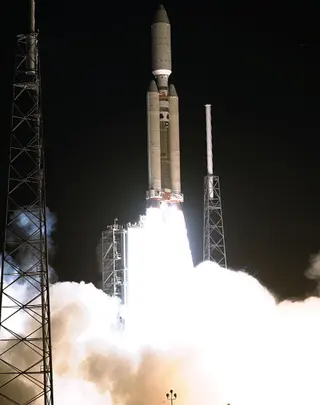
Titan IVB/Centaur | Cassini-Huygens
October 15, 1997 · UTC
Lockheed Martin · Titan IVB/Centaur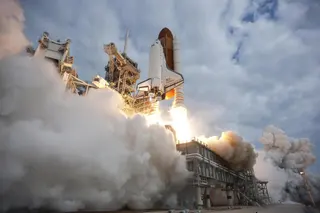
STS-34 (Galileo)
October 18, 1989 · UTC
Lockheed Space Operations Company · Space ShuttleSTS-30
May 4, 1989 · UTC
Lockheed Space Operations Company · Space Shuttle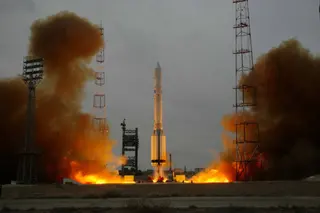
Vega-2
December 21, 1984 · UTC
Soviet Space Program · Proton-K/D-1Vega-1
December 15, 1984 · UTC
Soviet Space Program · Proton-K/D-1Venera-16
June 7, 1983 · UTC
Soviet Space Program · Proton-K/D-1Venera-15
June 2, 1983 · UTC
Soviet Space Program · Proton-K/D-1Venera-14
November 4, 1981 · UTC
Soviet Space Program · Proton-K/D-1Venera-13
October 30, 1981 · UTC
Soviet Space Program · Proton-K/D-1Venera-12
September 14, 1978 · UTC
Soviet Space Program · Proton-K/D-1Venera-11
September 9, 1978 · UTC
Soviet Space Program · Proton-K/D-1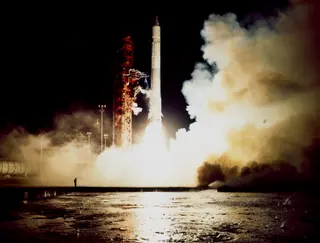
Pioneer Venus Multiprobe
August 8, 1978 · UTC
United States Air Force · Atlas SLV-3D CentaurPioneer Venus Orbiter
May 20, 1978 · UTC
United States Air Force · Atlas SLV-3D CentaurVenera-10
June 14, 1975 · UTC
Soviet Space Program · Proton / UR-500 K/DVenera-9
June 8, 1975 · UTC
Soviet Space Program · Proton / UR-500 K/DMariner 10
November 3, 1973 · UTC
United States Air Force · Atlas SLV-3D Centaur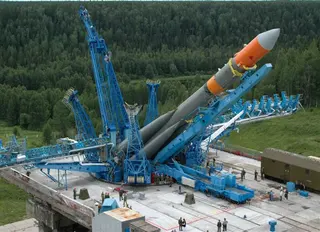
Venera-9a
March 31, 1972 · UTC
Soviet Space Program · Molniya-M 2BLVenera-8
March 27, 1972 · UTC
Soviet Space Program · Molniya-M 2BLVenera-8a
August 22, 1970 · UTC
Soviet Space Program · Molniya-M 2BLVenera-7
August 17, 1970 · UTC
Soviet Space Program · Molniya-M 2BLVenera-6
January 10, 1969 · UTC
Soviet Space Program · Molniya-M 2BLVenera-5
January 5, 1969 · UTC
Soviet Space Program · Molniya-M 2BLVenera-5a
June 17, 1967 · UTC
Soviet Space Program · Molniya-M 2BL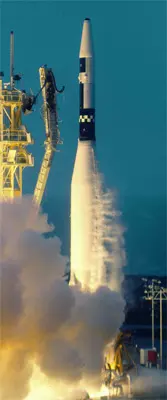
Mariner 5
June 14, 1967 · UTC
United States Air Force · Atlas SLV-3 Agena DVenera-4
June 12, 1967 · UTC
Soviet Space Program · Molniya-M 2BL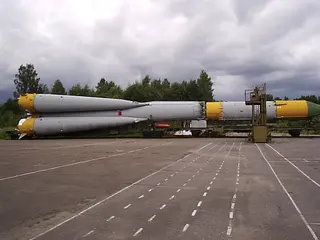
Venera-4a
November 23, 1965 · UTC
Soviet Space Program · Molniya 8K78Venera-3
November 16, 1965 · UTC
Soviet Space Program · Molniya 8K78Venera-2
November 12, 1965 · UTC
Soviet Space Program · Molniya 8K78Zond 1
April 2, 1964 · UTC
Soviet Space Program · Molniya 8K78Zond 1c
March 27, 1964 · UTC
Soviet Space Program · Molniya 8K78Zond-1b
February 19, 1964 · UTC
Soviet Space Program · Molniya 8K78Zond-1a
November 11, 1963 · UTC
Soviet Space Program · Molniya 8K78Venera 2c
September 12, 1962 · UTC
Soviet Space Program · Molniya 8K78Venera 2b
September 1, 1962 · UTC
Soviet Space Program · Molniya 8K78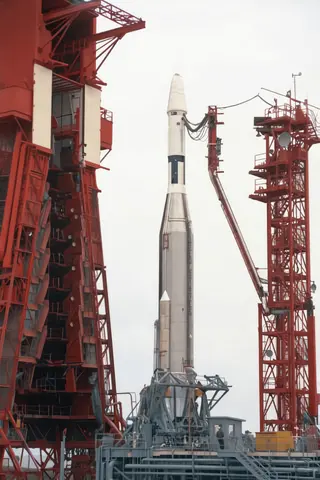
Mariner 2
August 27, 1962 · UTC
United States Air Force · Atlas LV-3 Agena BVenera 2a
August 25, 1962 · UTC
Soviet Space Program · Molniya 8K78Mariner 1
July 22, 1962 · UTC
United States Air Force · Atlas LV-3 Agena BMolniya 8K78 | Venera-1VA 2
February 12, 1961 · UTC
Soviet Space Program · Molniya 8K78Molniya 8K78 | Venera-1VA 1
February 4, 1961 · UTC
Soviet Space Program · Molniya 8K78No records match these filters.
Programs (3)
About these records
The source cohort includes dedicated missions, attempts and reviewed scientific flybys or gravity assists. Launch outcomes describe the recorded flight. They do not establish whether an old spacecraft is operating today. Events show published targets unless the record confirms an outcome.