
NET first half of 2028.
Update ↗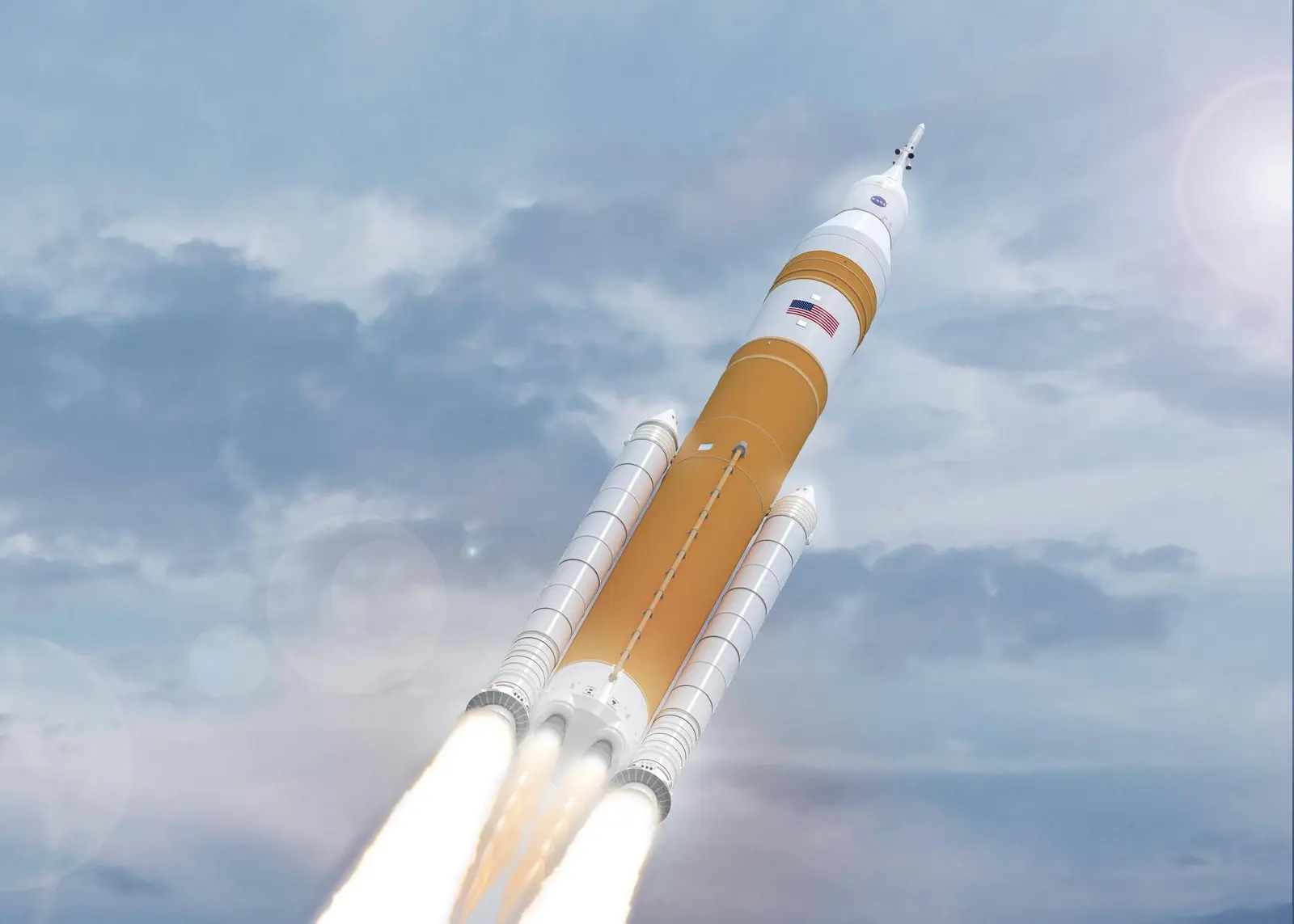
National Aeronautics and Space Administration日程未定
Artemis IV
Space Launch System Block 1B
ミッションの目的概要は英語
Artemis IV is planned to be the first human lunar landing mission since the Apollo Program.
日時未定
保存したミッションはマイページで確認できます。 リマインダーや予定変更の通知を受け取るには、iPhoneアプリでこのミッションをフォローしてください。
日程は、まだ決まっていません
この記録では、確定した日付が公表されていません。
発表元の更新:
発表元を確認:Launch Library ↗
このページを表示している間、予定の変更を確認します。
このタブを開いて表示している間だけ、通知を受け取れます。
目標時刻まで
日時未定
打ち上げ予定は変更される場合があります。
発射場所Kennedy Space Center, FL, USA
関連記事・英語
Why is Moon dust so difficult to brush off a spacesuit?
Artemis IV’s planned landing makes a small-particle problem practical: lunar grains can cling to a suit and abrade it during removal.
In this report
NASA is targeting early 2028 for Artemis IV’s crewed lunar landing. The astronauts’ work near the South Pole will put suits and equipment in contact with a material Apollo crews found difficult to remove: fine, abrasive lunar dust. Why does brushing it off pose more trouble than cleaning mud from a boot? [1] [3]
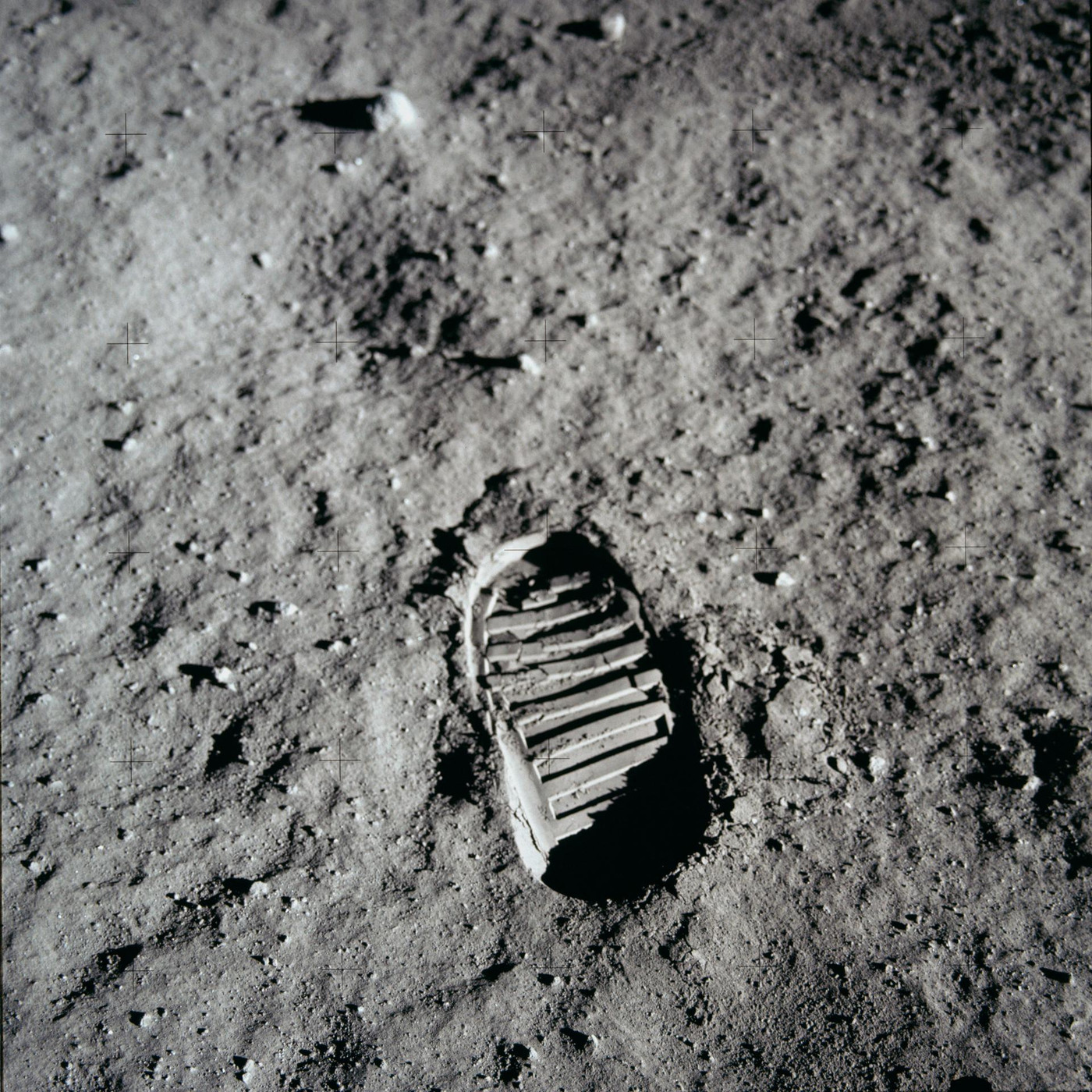
The grains keep their sharp edges
Lunar dust is rock broken down by impacts, including countless tiny micrometeoroids. Many of its grains have angular, jagged edges. On Earth, wind and flowing water can wear fragments smoother. The Moon lacks that weathering environment, so an astronaut can meet particles that are both small enough to spread widely and sharp enough to wear a surface. [3] [2]
A single grain can create two different problems. Adhesion keeps it attached to a surface. Abrasion lets it wear that surface when the two move against each other. The first problem makes dust difficult to detach; the second complicates the act of removing it. [2] [3]
Contact does not always end when the boot lifts
NASA’s lunar-dust adhesion work identifies chemical and electrical forces as contributors to the dust’s stickiness. A grain need not be visibly wedged into a fold to cling to a material. Its interactions with the surface matter too. Different materials and environmental conditions therefore belong in a cleaning test, alongside the amount of dust that is removed. [2]
A brush has to detach this material while moving across it. Because the dust is abrasive, that motion can also rub particles against the surface being cleaned. Removing visible dust and avoiding wear are related requirements, but success at one does not establish the other. Apollo experience makes the distinction practical: dust contaminated suits and equipment and damaged exposed surfaces. [3] [2]
Engineers test the material underneath the dust
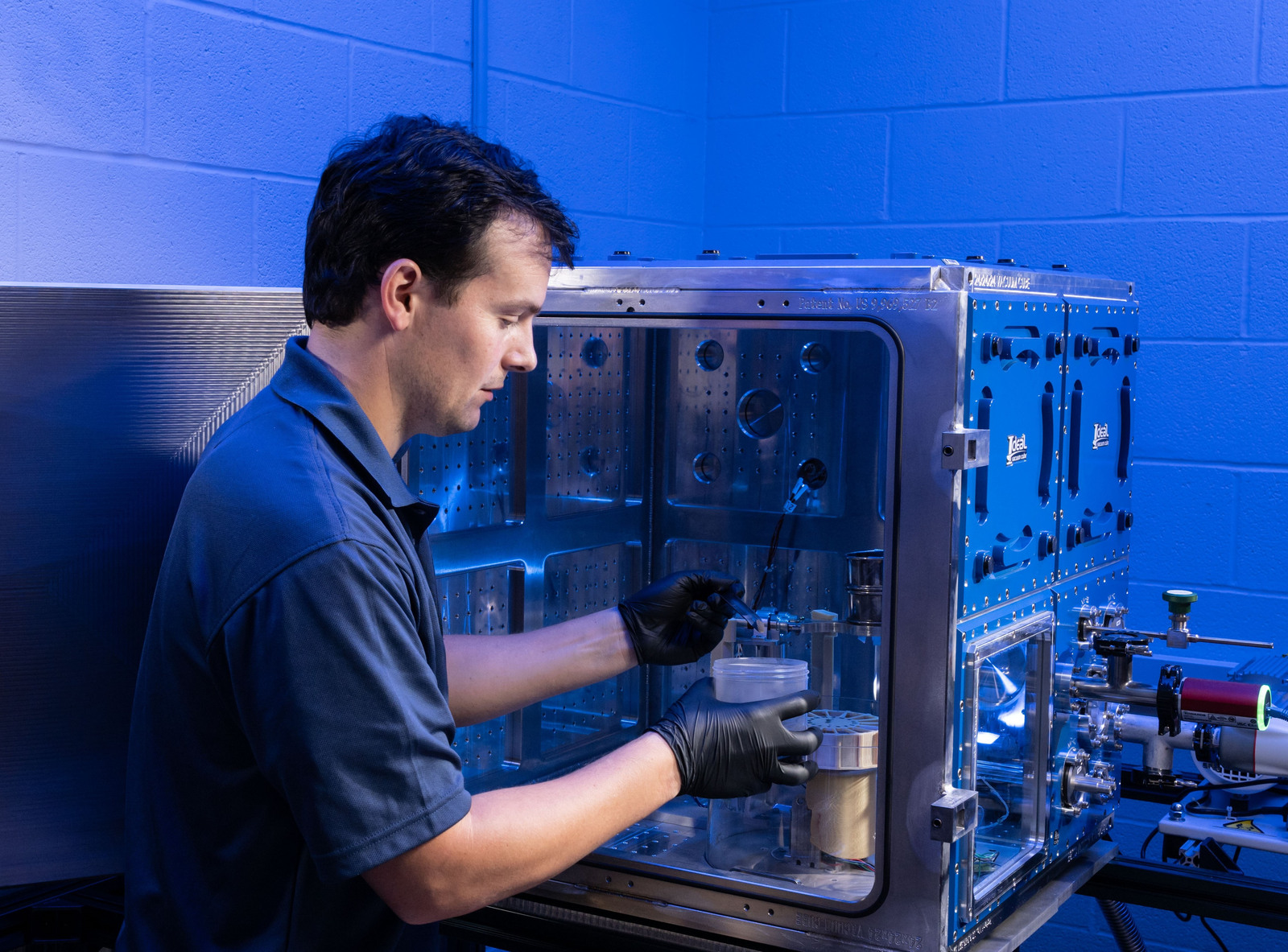
At NASA’s Johnson Space Center, researchers use lunar-dust simulant and a vacuum chamber to examine adhesion to spacecraft materials. These experiments connect a physical explanation to an engineering choice: how does dust interact with the particular surface a mission needs to protect? [2]
Artemis IV could measure the disturbed environment
NASA selected DUSTER for further development toward Artemis IV; final flight manifesting remains a later decision. The investigation would characterize dust and plasma around the landing site, including how crew activity and a lander’s liftoff disturb that environment. Its planned measurements include properties of lofted dust particles and the electron population above the surface. [4]
Laboratory tests ask how dust behaves on chosen materials. Surface measurements would examine the environment those materials actually encounter during exploration. DUSTER would supply evidence about that environment; it is not the brush or cleaning system. [4] [2]
Moon dust is difficult to brush off because fine particles can adhere to a suit through chemical and electrical interactions, while their sharp edges make rubbing them away a source of wear. The task is to separate dust from the suit without letting the removal process damage what it is meant to protect. [2] [3]
Related film: returning to the Moon
Loading the player connects to YouTube.
This broader film follows Apollo’s end, polar ice and the reasons for returning to the Moon. It complements this article’s narrower explanation of lunar dust.
Sources and credits (5)
- Artemis IVNASA · Checked 2026-11-06
- Advanced Modeling Enhances Gateway’s Lunar Dust DefenseNASA · Checked 2026-11-06
- Dust: An Out-of-This World ProblemNASA · Checked 2026-11-06
- NASA Selects 2 Instruments for Artemis IV Lunar Surface ScienceNASA · Checked 2026-11-06
- We Already Went to the Moon. Why Go Back?Spacian · Checked 2026-11-13
ミッションのデータ
- 打ち上げ機
- Space Launch System Block 1B
- ミッションの種類
- Human Exploration
- 投入先の軌道
- Lunar Orbit
- Launch pad
- Launch Complex 39B
- 運用機関
- National Aeronautics and Space Administration
- プログラム
- Artemis
機体の構成
公表された仕様と、この機体の飛行歴。
打ち上げ機
Space Launch System Block 1B
機体の説明・英語
The Space Launch System (SLS) is an American Space Shuttle-derived heavy expendable launch vehicle. It is part of NASA's deep space exploration plans including as the main launch vehicle of the Artemis program. SLS follows the cancellation of the Constellation program, and is to replace the retired Space Shuttle.
- 高さ
- 111 m
- 直径
- 8.4 m
- 段数
- 2
- 記録された打ち上げ数
- 0
打ち上げ可能時間帯
詳しい打ち上げ可能時間帯は、まだ公表されていません。
発射場所
Kennedy Space Center, FL, USA
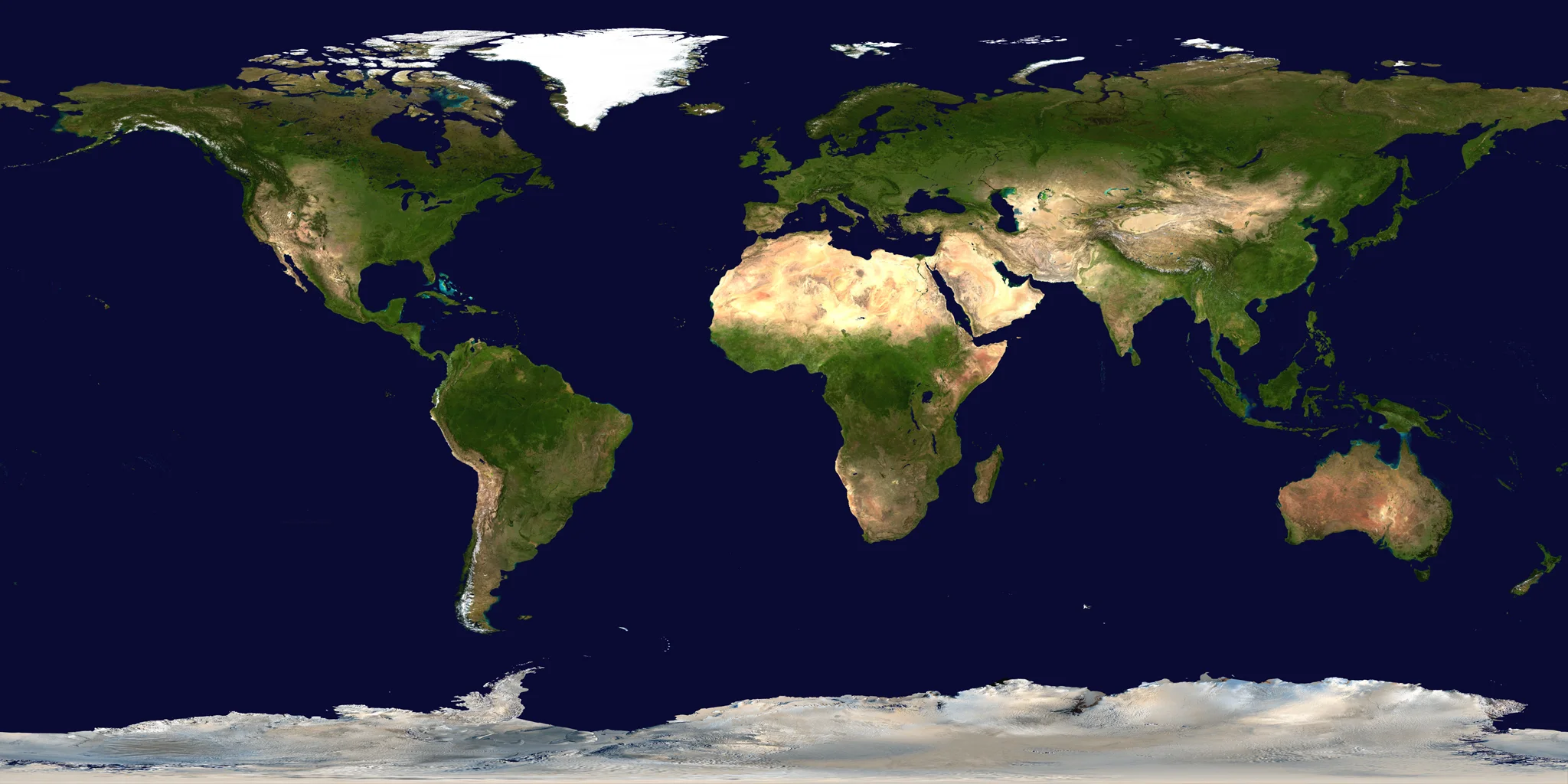
発射場所Launch Complex 39B
Drag to rotate
この表示について
Published destination: Lunar Orbit.
NASA geography with illustrative lighting. No live tracking or simulated ascent. NASA Blue Marble source.
中継・出典
ミッションの中継
配信リンクは、まだ公開されていません。
関連する資料
Launch Library Android テスト版参加グループを開く クローズドテスト版1.6.0(4)では、サインイン、プレミアム、通知を利用できません。まずGoogleグループに参加し、同じGoogleアカウントでGoogle Playのテストに登録 ↗してください。