

月
この天体の資料・解説は英語です。
The Moon’s phases follow the changing angle between the Sun, Earth and Moon, rather than Earth’s shadow falling across it. The Moon rotates once per orbit, keeping approximately the same hemisphere towards Earth. Its roughly 27.3-day orbital cycle differs from the roughly 29.5-day phase cycle because Earth moves around the Sun during each lunar orbit. Libration lets observers see slightly beyond the average near-side boundary over time.
- 直径
- 3,474.8 km
- 平均距離
- 384,400 km
- 重力
- 0.166 倍(地球比)
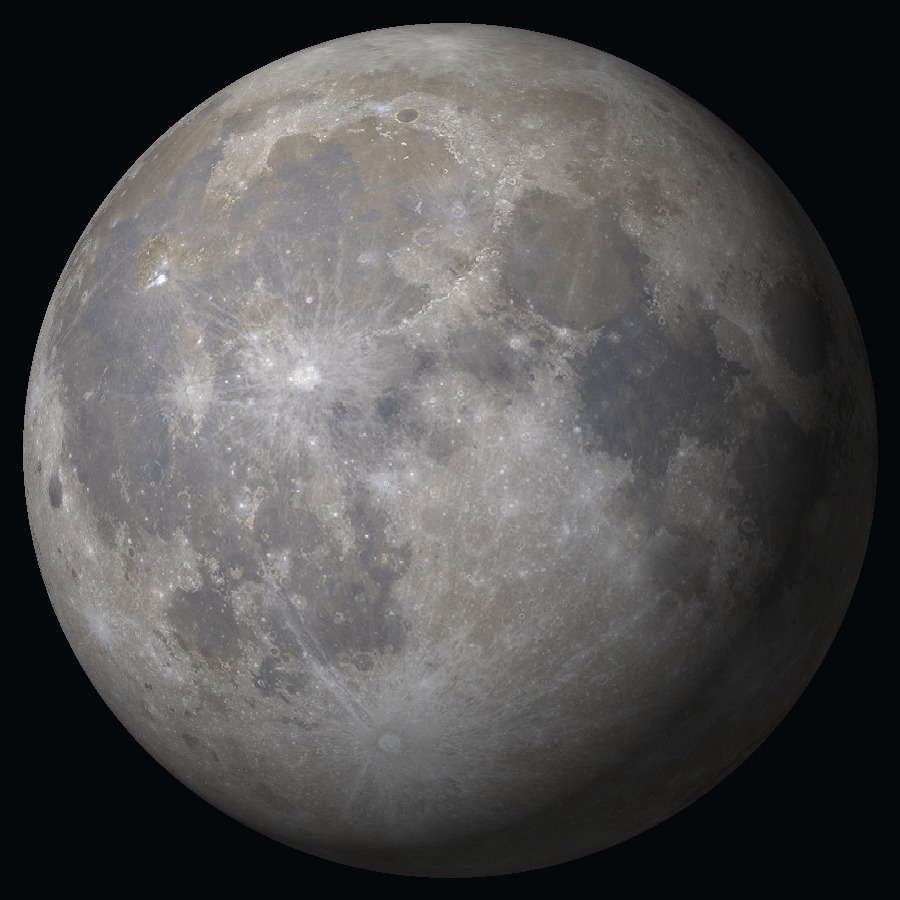
LROCカラーモザイク・NASA/GSFC/ASU
表面を探る 公開されている地点と地域の中心
Tranquility Base
Mare Tranquillitatis · 1969
Apollo 11’s Eagle landed on a basalt plain. Armstrong and Aldrin collected samples, photographed the terrain and deployed instruments during the first crewed lunar landing. The marker is the lunar module site.
Ocean of Storms
Oceanus Procellarum · 1969
Apollo 12 landed within walking distance of Surveyor 3. The crew inspected the robotic spacecraft and returned parts that had spent more than two years on the surface, alongside rock and soil samples.
Fra Mauro
Impact ejecta · 1971
Apollo 14 investigated terrain associated with the Imbrium impact. The samples help separate the history of the rocks from the later impact that excavated and deposited them.
Hadley–Apennine
Mountains, mare and rille · 1971
Apollo 15 combined a lunar rover with field geology at the edge of the Apennine mountains. The crew sampled near Hadley Rille and collected the anorthosite known as the Genesis Rock.
Descartes Highlands
Ancient highland terrain · 1972
Apollo 16 tested ideas about the origin of the Descartes terrain. Its samples revealed the importance of impacts in shaping the highlands, changing interpretations based on orbital observations alone.
Taurus–Littrow
A valley between massifs · 1972
Apollo 17’s crew investigated a valley bordered by high mountains and discovered orange volcanic glass at Shorty crater. Harrison Schmitt was the first professional geologist to work on the lunar surface.
Von Kármán
Far side · 2019
Chang’e 4 made the first soft landing on the far side and deployed Yutu-2. Queqiao relayed communications around the Moon. The pin identifies the lander, not the rover’s latest position.
Apollo Basin
Far-side sample return · 2024
Chang’e 6 returned the first samples collected on the lunar far side. Its landing place lies within the Apollo impact basin, inside the larger South Pole–Aitken basin. The basin’s name does not refer to an Apollo crewed landing.
Shiv Shakti
Southern high latitudes · 2023
Chandrayaan-3’s Vikram lander and Pragyan rover explored this high-latitude site. It is hundreds of kilometres from the geographic South Pole, rather than inside a permanently shadowed polar crater.
Mare Crisium
Landing region · 2025
Blue Ghost Mission 1 carried NASA instruments to this basalt plain. SCALPSS cameras recorded exhaust interacting with the ground during descent. This marker centres the landing region; it is not a navigation-grade lander coordinate.
South Pole
Regional view · future surface exploration
Low sunlight and rugged terrain create long-lived shadows and sharp changes in local illumination. Artemis IV is planned to investigate the south-polar region. No final landing point is selected; this pin marks the geographic pole.
記事
A quieter sky behind the Moon
5 min read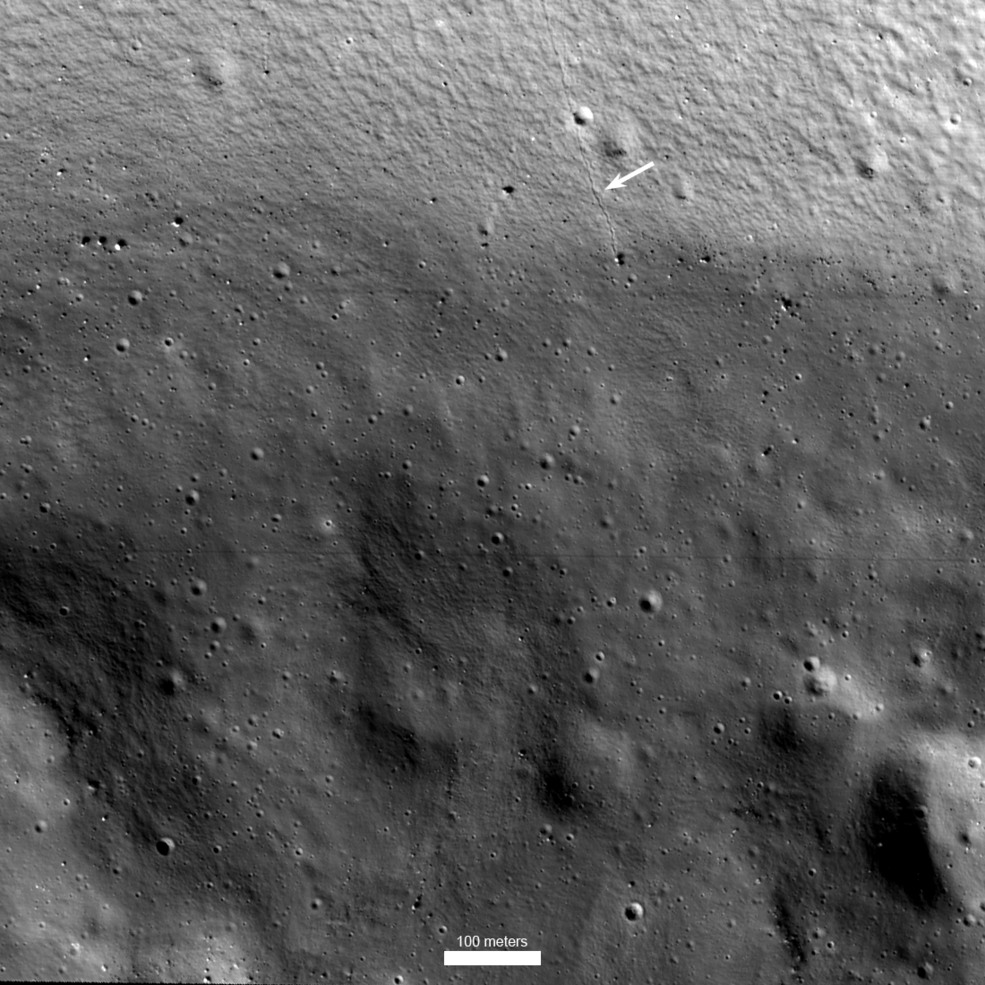
Sunlight, shadows and polar ice
3 min read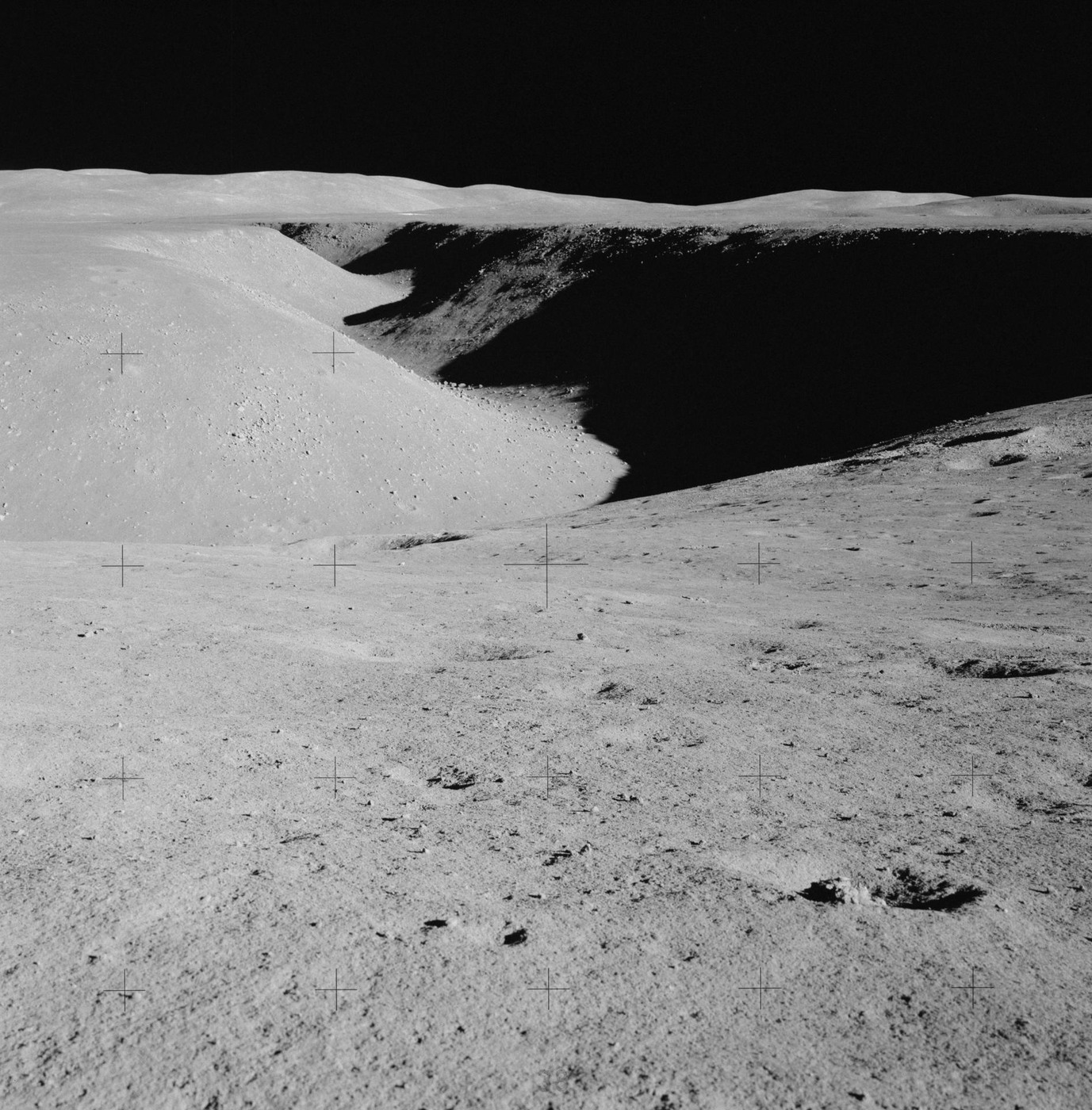
Basalt, highlands and impact rocks
3 min read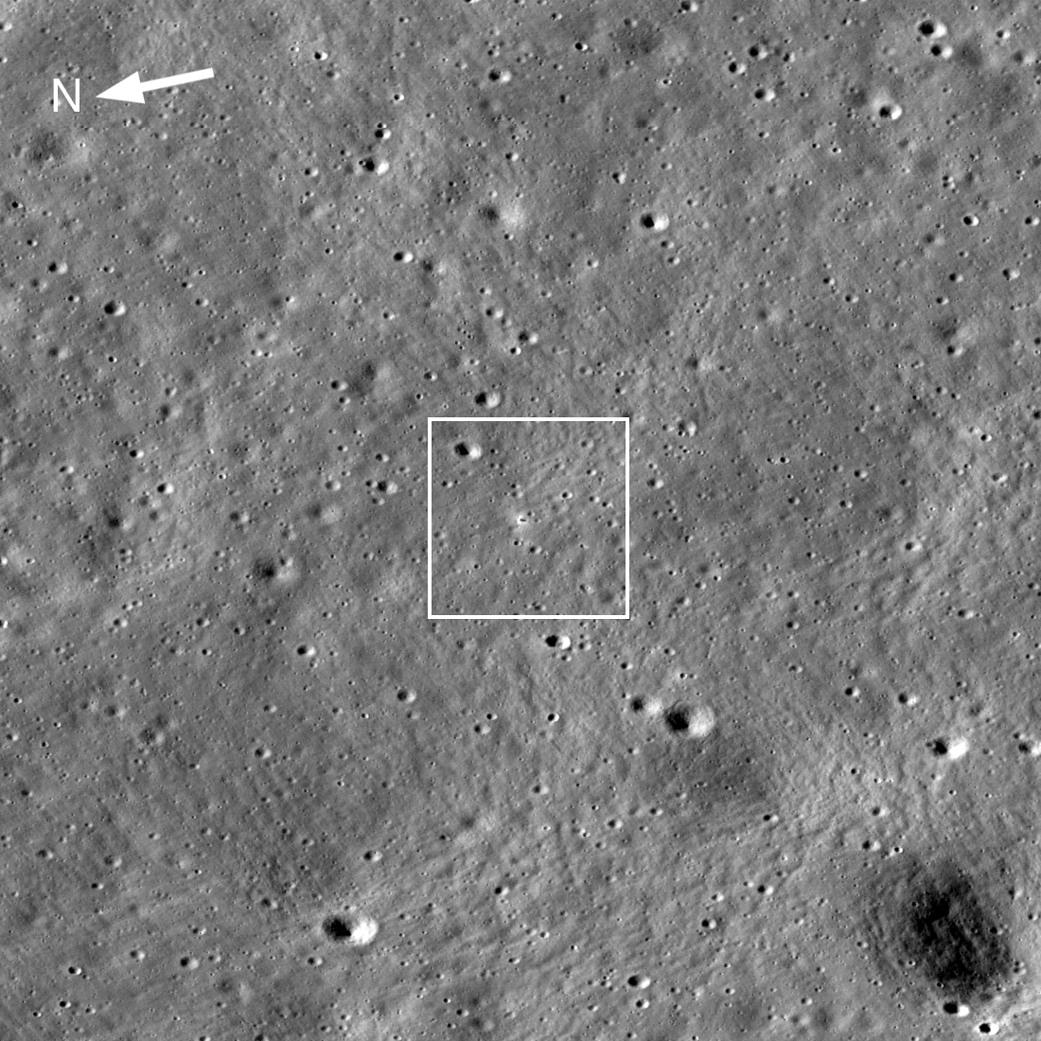
The final descent: engines and dust
3 min read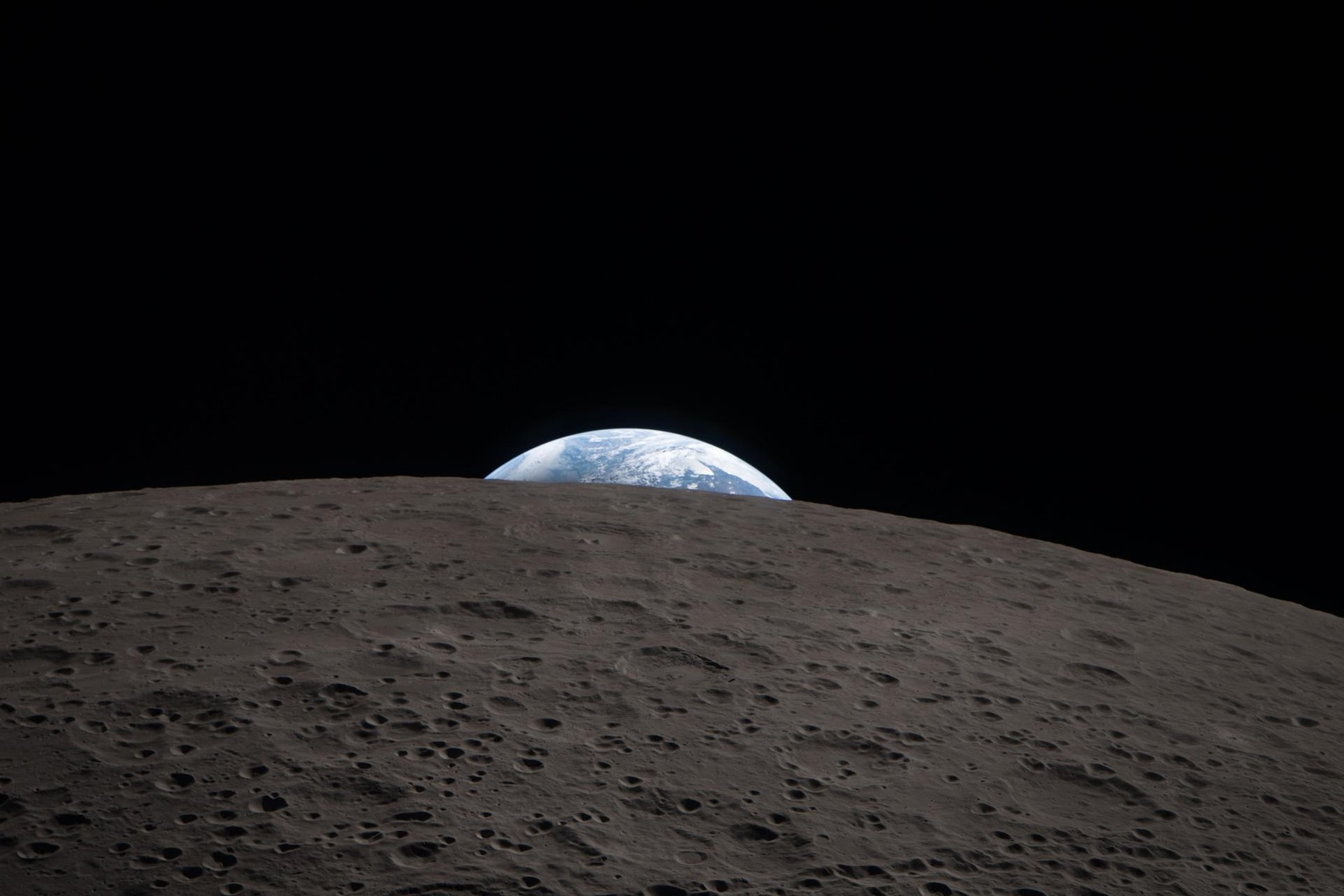
The distance a radio signal crosses
4 min read
Where to see the February 6, 2027 annular solar eclipse
6 min read
August 2, 2027 Solar Eclipse: Where Totality Happens
6 min read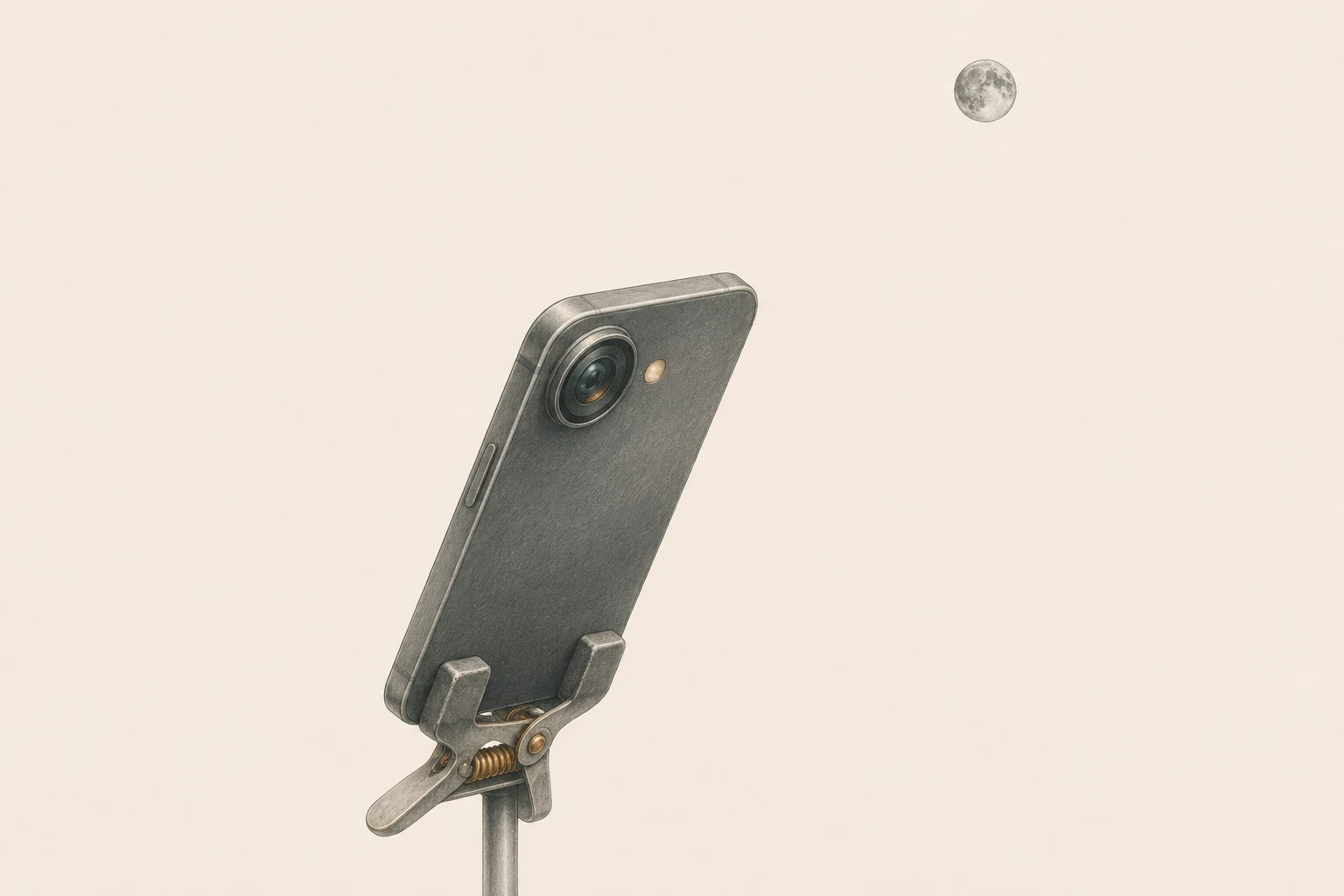
How to Photograph the Moon With Your Phone
10 min read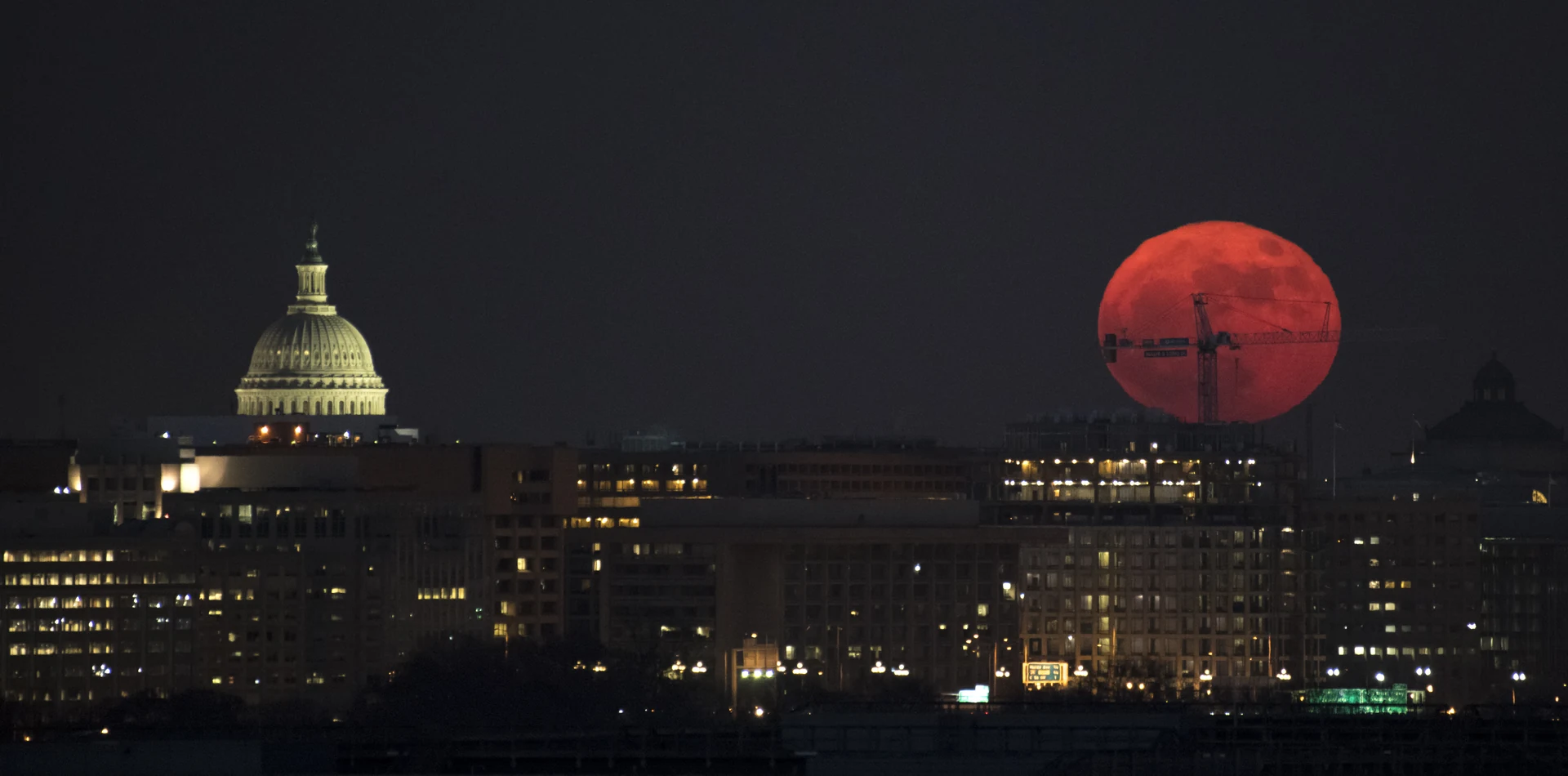
Why does the Moon look so big?
4 min read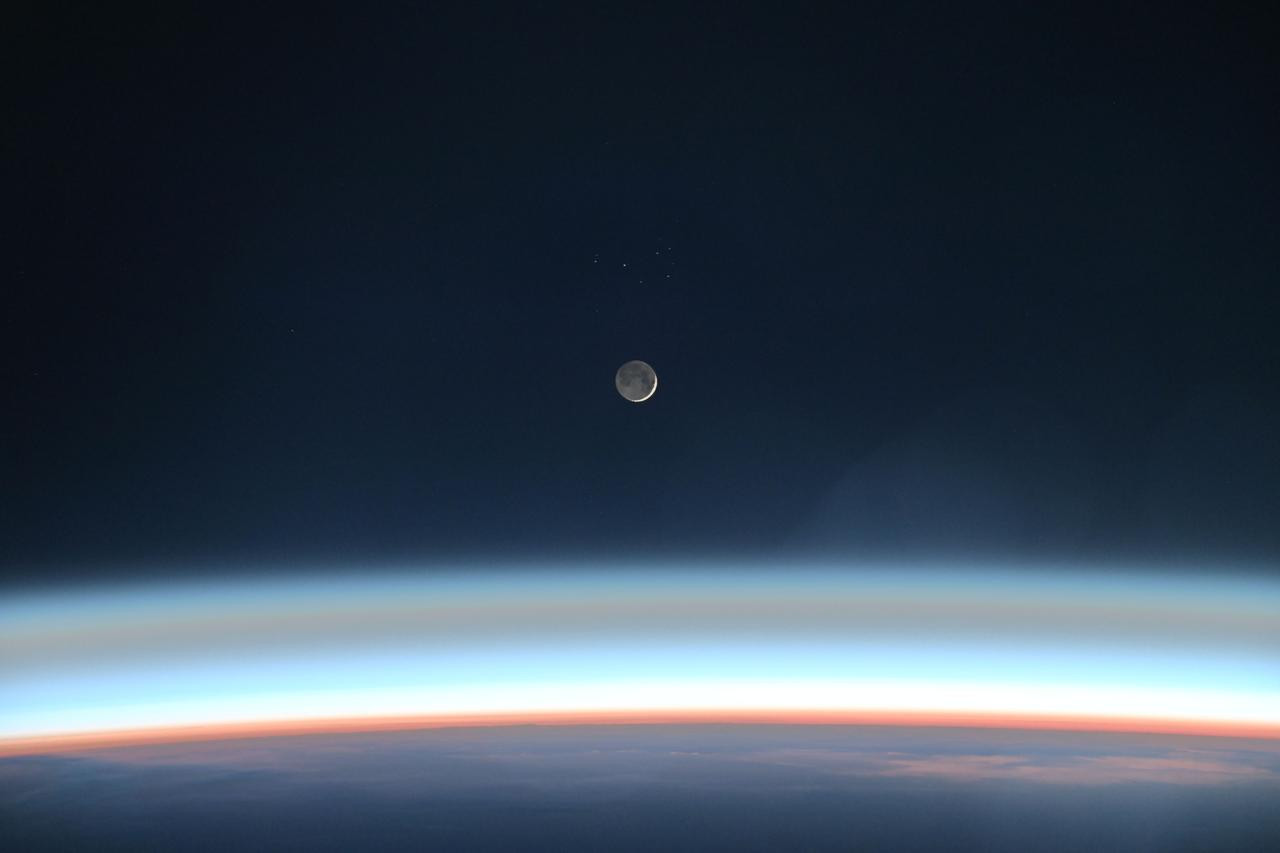
半月は、月の半分が影に入った姿?
3 min read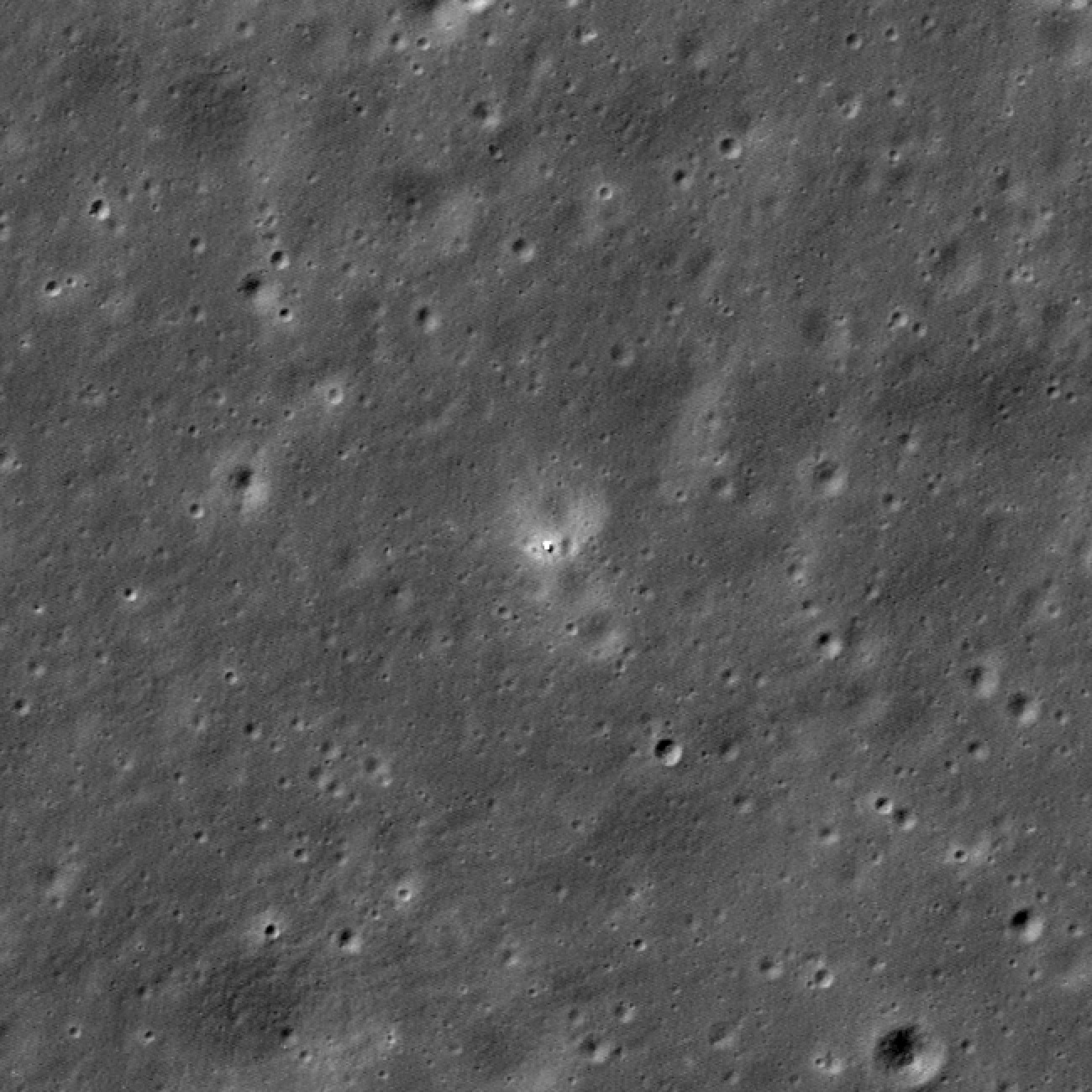
月の裏側は、ずっと夜なのか
3 min read写真と動画
31 photographs · 1 video
Apollo 11 · Tranquility Base
NASAApollo 12 · visiting Surveyor 3
NASAApollo 14 · Fra Mauro
NASAApollo 15 · Hadley–Apennine
NASAApollo 16 · Descartes highlands
NASAApollo 17 · Taurus–Littrow
NASAChang’e 4 seen from lunar orbit
NASA/GSFC/Arizona State UniversityEarthset during Artemis II
NASAInside Shackleton’s shadow
NASA/KARI/ASUChandrayaan-3’s landing site
NASA/GSFC/Arizona State UniversityChang’e 6 in the Apollo basin
NASA/GSFC/Arizona State UniversityUnder Blue Ghost after touchdown
NASA/Olivia TyrrellThe near side from LRO’s map
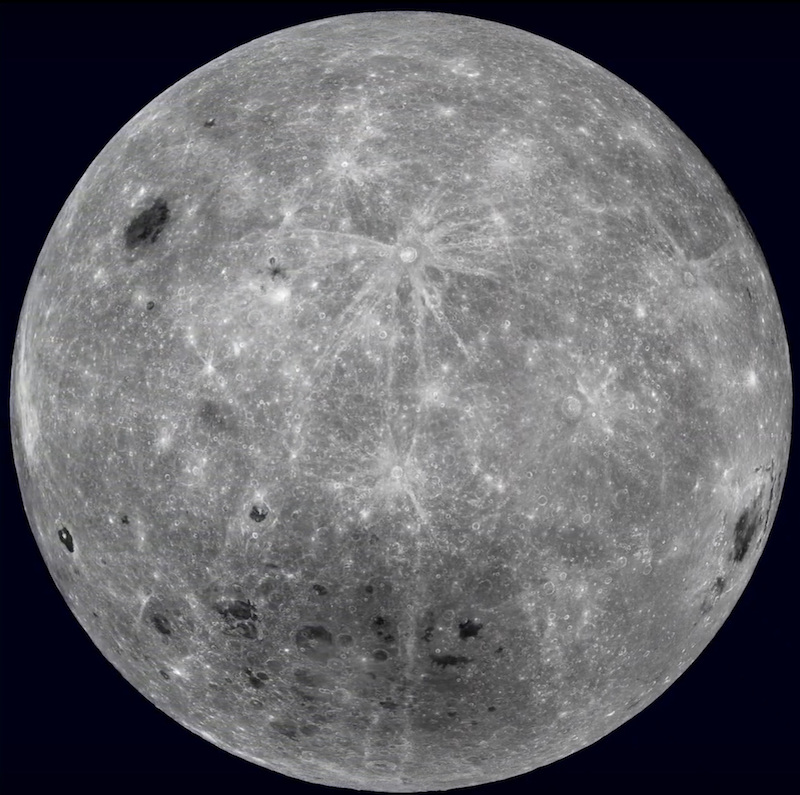
NASA/GSFC/ASU · LROC and LOLALunar far-side mosaic from NASA’s Lunar Reconnaissance Orbiter.
NASA/Goddard Space Flight Center/Arizona State UniversityEarth radio reaches the near lunar side; LuSEE-Night sits behind the Moon while a separate sky-signal path reaches its antenna.
NASA source imagery; Spacian explanatory figureThe Moon crosses Earth in a DSCOVR EPIC image from July 2015.
NASA/NOAALRO-based visualization of the lunar far side, released in 2015. Sunlit terrain shows why “far side” and “night” describe different conditions.
NASA/Goddard Scientific Visualization Studio/Ernie WrightA fine amber ring of sunlight surrounds a dark lunar disk.
Spacian · optical illustration from Eclipse Predictions by Fred Espenak, NASA’s GSFCTwo rays cross at a small pinhole and reach a paper screen, where a reversed ring appears.
Spacian · explanatory illustrationA dark lunar disk obscures the bright Sun, leaving soft ivory streamers of the corona.
Spacian · optical illustration from Eclipse Predictions by Fred Espenak, NASA’s GSFCTwo arrows cross a simplified round shadow. The route across the center is longer than the one near its edge.
Spacian · explanatory illustrationA phone in a compact clamp points toward a small Moon high above it.
Spacian · AI-assisted editorial illustrationTwo pixel grids show lunar discs of the same size. In one, every bright cell has the same tone.
Spacian · simulated pixel illustrationA construction crane crosses the face of a red full Moon above the Washington skyline.
NASA / Bill IngallsAmber marks trace the left and right edges of the Moon above a mountain ridge.
Illustrated comparison at a fixed focal length. Lunar surface NASA/JPL/USGS. Mountain photographs adapted from NASA/Bill Dunford.The moonrise exposure and the high Moon are aligned side by side. Equal-length brackets measure both horizontal diameters.
Illustrated comparison at a fixed focal length. Lunar surface NASA/JPL/USGS. Mountain photographs adapted from NASA/Bill Dunford.A pale Moon above distant snow-covered mountains lit pink along the ridgeline.
NASA / Bill DunfordMay 31 at 29.4′ and November 24 at 33.1′, drawn on the same angular scale.
Galileo lunar image · NASA / JPL / USGS. Diameter data · NASA JPL Horizons.The dark silhouette of a departing jet crosses the bright lunar disk.
NASA / Bill Ingalls地球の大気の上に見える細い月。太陽に照らされた弧の内側が地球照で淡く見える
NASA/Matt Dominick多数のクレーターが広がる月の裏側。LROの観測から作られた合成画像
NASA/Goddard/Arizona State UniversityThe dust beneath a landing spacecraft
NASA’s preliminary SCALPSS 1.1 sequence of Blue Ghost Mission 1’s descent and touchdown, 2 March 2025. Four short-focal-length cameras were combined; altitude estimates are approximate. Actual instrument imagery, not an animation.
NASA/Olivia Tyrrellミッションと主な出来事
211 launches · 201 linked events
Programs (7)
412 matching records
Griffin Mission One
2027年1月6日・時刻未定
SpaceX · Falcon Heavy
Nova-C IM-3
日時未定
SpaceX · Falcon 9 Block 5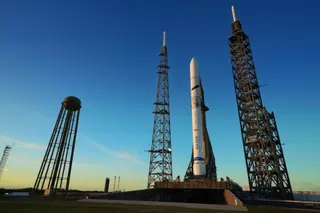
Blue Moon Pathfinder
日時未定
Blue Origin · New GlennTurkish Lunar Mission-1 (TLM-1)
2027年4月・日付未定
SpaceX · Falcon 9 Block 5Blue Origin HLS LEO Demo
2027年6月・日付未定
Blue Origin · New Glenn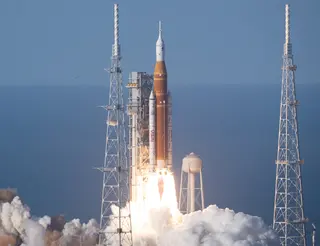
Artemis III
2027年6月・日付未定
National Aeronautics and Space Administration · Space Launch System Block 1
SpaceX HLS LEO Demo
2027年6月・日付未定
SpaceX · StarshipNova-C IM-4 & 2 Lunar Data Relay Satellites
日時未定
SpaceX · Falcon 9 Block 5Blue Ghost Lunar Lander Mission 2
日時未定
SpaceX · Falcon 9 Block 5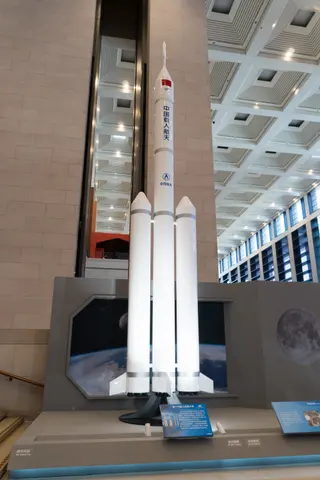
Demo Flight
日時未定
China Aerospace Science and Technology Corporation · Long March 10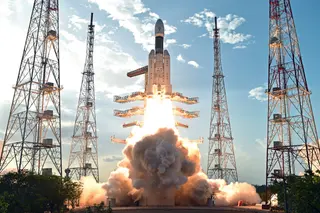
Chandrayaan-4 First Launch
日時未定
Indian Space Research Organization · Launch Vehicle Mark-3 (GSLV Mk III)Astrobotic-3
日時未定
SpaceX · Falcon HeavyChandrayaan-4 Second Launch
日時未定
Indian Space Research Organization · Launch Vehicle Mark-3 (GSLV Mk III)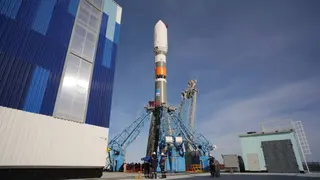
Luna 26
日時未定
Russian Federal Space Agency (ROSCOSMOS) · Soyuz 2.1b Fregat-M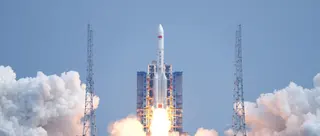
Chang'e 7
日時未定
China Aerospace Science and Technology Corporation · Long March 5Blue Moon Pathfinder Mission 2 & VIPER
日時未定
Blue Origin · New Glenn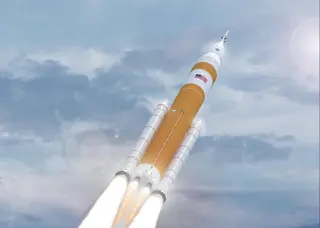
Artemis IV
日時未定
National Aeronautics and Space Administration · Space Launch System Block 1BLuna 27
日時未定
Russian Federal Space Agency (ROSCOSMOS) · Soyuz 2.1b Fregat-M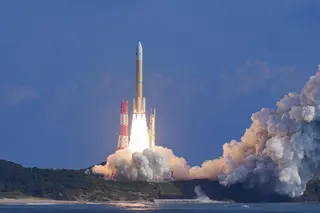
Lunar Polar Exploration Mission (LUPEX)
日時未定
Mitsubishi Heavy Industries · H3-24Artemis V
日時未定
National Aeronautics and Space Administration · Space Launch System Block 1B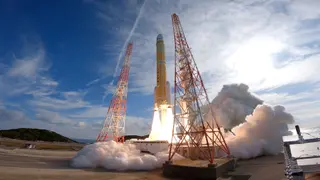
ispace Mission 3 ULTRA
日時未定
Mitsubishi Heavy Industries · H3-22Chang'e 8
日時未定
China Aerospace Science and Technology Corporation · Long March 5Gateway PPE & HALO
日時未定
SpaceX · Falcon HeavySLS Block 1B | Artemis VI
日時未定
National Aeronautics and Space Administration · Space Launch System Block 1B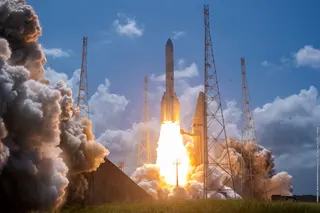
Argonaut Mission 1
日時未定
Arianespace · Ariane 64SLS Block 1B | Artemis VII
日時未定
National Aeronautics and Space Administration · Space Launch System Block 1B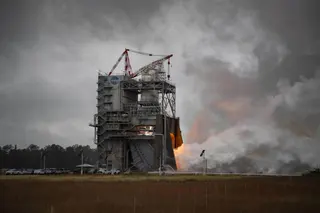
RS-25 Engine Test
November 18, 2026 · UTC
National Aeronautics and Space AdministrationRS-25 Engine Test
October 21, 2026 · UTC
National Aeronautics and Space Administration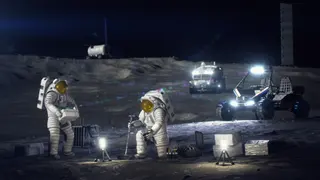
NASA Moon Base Progress Teleconference
June 30, 2026 · UTC
National Aeronautics and Space Administration
Artemis III Crew Announcement
June 9, 2026 · UTC
European Space AgencyNASA Moon Base News Conference
May 26, 2026 · UTC
National Aeronautics and Space Administration
Artemis II Crew Post-Flight News Conference
April 16, 2026 · UTC
National Aeronautics and Space AdministrationNASA's Artemis II Crew Return to Houston
April 11, 2026 · UTC
National Aeronautics and Space Administration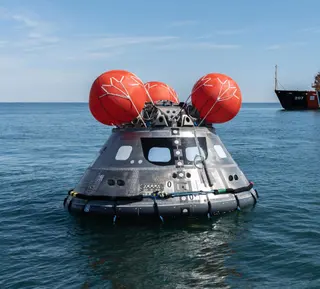
Artemis II Post-Splashdown News Conference
April 11, 2026 · UTC
National Aeronautics and Space AdministrationArtemis II Orion Splashdown
April 11, 2026 · UTC
National Aeronautics and Space Administration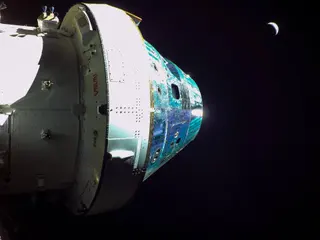
Artemis II Live Downlink Event (April 9)
April 9, 2026 · UTC
National Aeronautics and Space AdministrationArtemis II Daily Mission Status Briefing (April 9)
April 9, 2026 · UTC
National Aeronautics and Space AdministrationArtemis II Crew News Conference
April 9, 2026 · UTC
National Aeronautics and Space AdministrationArtemis II Live CSA Downlink Event (April 8)
April 8, 2026 · UTC
Canadian Space AgencyArtemis II Daily Mission Status Briefing (April 8)
April 8, 2026 · UTC
National Aeronautics and Space AdministrationArtemis II Daily Mission Status Briefing (April 7)
April 7, 2026 · UTC
National Aeronautics and Space AdministrationArtemis II Crew ISS Call
April 7, 2026 · UTC
National Aeronautics and Space AdministrationArtemis II Live Downlink Event (April 6)
April 7, 2026 · UTC
National Aeronautics and Space Administration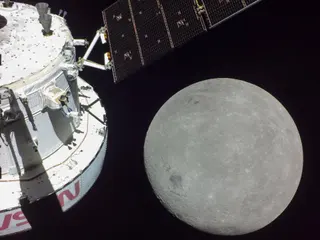
Artemis II Lunar Flyby
April 6, 2026 · UTC
National Aeronautics and Space AdministrationArtemis II Daily Mission Status Briefing (April 5)
April 5, 2026 · UTC
National Aeronautics and Space AdministrationArtemis II Live CSA Downlink Event (April 5)
April 5, 2026 · UTC
Canadian Space AgencyArtemis II Daily Mission Status Briefing (April 4)
April 4, 2026 · UTC
National Aeronautics and Space AdministrationArtemis II Live Downlink Event (April 4)
April 4, 2026 · UTC
National Aeronautics and Space AdministrationArtemis II Live CSA Downlink Event (April 4)
April 4, 2026 · UTC
Canadian Space AgencyArtemis II Live Downlink Event (April 3)
April 4, 2026 · UTC
National Aeronautics and Space AdministrationArtemis II Daily Mission Status Briefing (April 3)
April 3, 2026 · UTC
National Aeronautics and Space AdministrationArtemis II Live Downlink Event (April 2)
April 3, 2026 · UTC
National Aeronautics and Space AdministrationArtemis II Daily Mission Status Briefing (April 2)
April 3, 2026 · UTC
National Aeronautics and Space AdministrationArtemis II Post-Launch News Conference
April 2, 2026 · UTC
National Aeronautics and Space Administration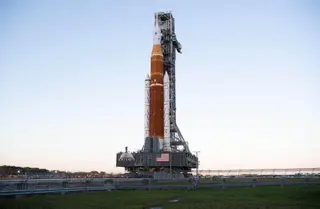
Artemis II
April 1, 2026 · UTC
National Aeronautics and Space Administration · Space Launch System Block 1Artemis II Propellant Loading
April 1, 2026 · UTC
National Aeronautics and Space AdministrationArtemis II Pre-Launch News Conference
March 31, 2026 · UTC
National Aeronautics and Space AdministrationArtemis II Launch Preparations News Conference
March 30, 2026 · UTC
National Aeronautics and Space AdministrationArtemis II L-3 Countdown Status News Conference
March 29, 2026 · UTC
National Aeronautics and Space AdministrationArtemis II Crew Q&A from Quarantine
March 29, 2026 · UTC
National Aeronautics and Space AdministrationArtemis II SLS Rollout #2
March 20, 2026 · UTC
National Aeronautics and Space Administration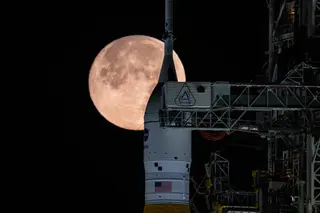
Artemis II Flight Readiness Review News Conference
March 12, 2026 · UTC
National Aeronautics and Space AdministrationArtemis II Update News Conference
February 27, 2026 · UTC
National Aeronautics and Space AdministrationArtemis II SLS Rollback
February 25, 2026 · UTC
National Aeronautics and Space AdministrationArtemis II Wet Dress Rehearsal #2 Press Conference
February 20, 2026 · UTC
National Aeronautics and Space AdministrationArtemis II Wet Dress Rehearsal #2
February 20, 2026 · UTC
National Aeronautics and Space AdministrationArtemis II Wet Dress Rehearsal Press Conference
February 3, 2026 · UTC
National Aeronautics and Space AdministrationArtemis II Wet Dress Rehearsal
February 3, 2026 · UTC
National Aeronautics and Space AdministrationRS-25 Engine Test
January 22, 2026 · UTC
National Aeronautics and Space AdministrationArtemis II Crew Rollout Media Event
January 17, 2026 · UTC
Canadian Space Agency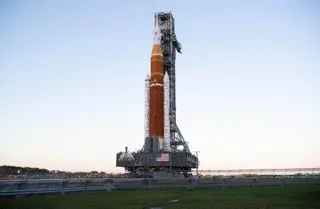
Artemis II SLS Rollout #1
January 17, 2026 · UTC
National Aeronautics and Space AdministrationArtemis II Rollout & Mission Overview News Conference
January 16, 2026 · UTC
National Aeronautics and Space AdministrationArtemis II Crew News Conference
September 24, 2025 · UTC
Canadian Space AgencyArtemis II Science and Technology Briefing
September 23, 2025 · UTC
National Aeronautics and Space AdministrationArtemis II Mission Overview Briefing
September 23, 2025 · UTC
National Aeronautics and Space Administration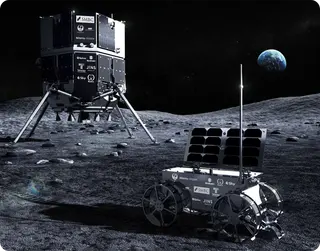
Hakuto-R M2 Lunar Landing
June 5, 2025 · UTC
ispace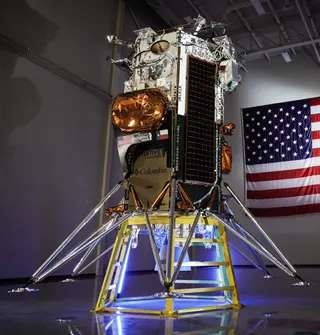
Nova-C IM-2 Lunar Landing News Conference
March 6, 2025 · UTC
Intuitive MachinesNova-C IM-2 Lunar Landing
March 6, 2025 · UTC
Intuitive Machines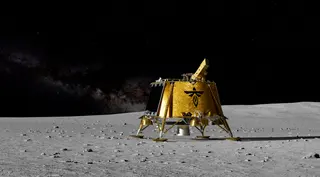
Firefly Blue Ghost Mission 1 Post-Landing Press Conference
March 2, 2025 · UTC
Firefly AerospaceFirefly Blue Ghost Mission 1 Lunar Landing
March 2, 2025 · UTC
Firefly Aerospace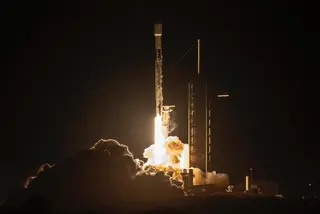
Nova-C IM-2 & Others
February 27, 2025 · UTC
SpaceX · Falcon 9 Block 5Nova-C IM-2 Lunar Science & Tech media teleconference
February 25, 2025 · UTC
Intuitive MachinesNova-C IM-2 Science Media Teleconference
February 7, 2025 · UTC
Intuitive MachinesBlue Ghost Lunar Lander Mission 1 & Hakuto-R M2 “Resilience”
January 15, 2025 · UTC
SpaceX · Falcon 9 Block 5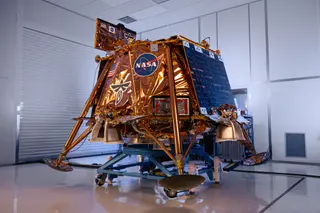
Lunar Delivery Readiness for Firefly’s Blue Ghost Mission 1 Media Teleconference
January 14, 2025 · UTC
National Aeronautics and Space AdministrationFirefly Blue Ghost Mission 1 Lunar Science Media Teleconference
January 13, 2025 · UTC
National Aeronautics and Space Administration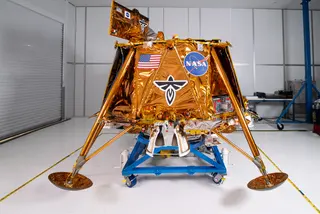
NASA CLPS Firefly Blue Ghost Mission 1 Teleconference
December 17, 2024 · UTC
Firefly Aerospace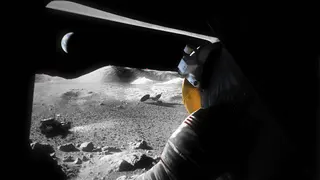
NASA Artemis Campaign Leadership News Conference
December 5, 2024 · UTC
National Aeronautics and Space Administration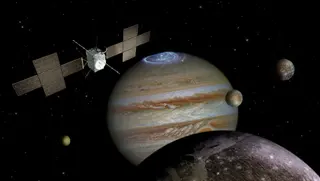
Juice Moon-Earth Flyby
August 19, 2024 · UTC
European Space Agency
Chang'e 6 Sample Returns to Earth
June 25, 2024 · UTC
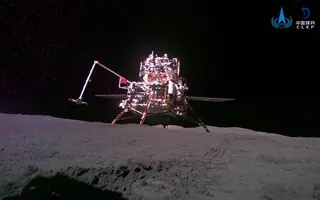
Chang'e 6
June 3, 2024 · UTC
China National Space Administration · Chang'e Sample AscenderChang'e 6 Lunar Landing
June 1, 2024 · UTC
China National Space Administration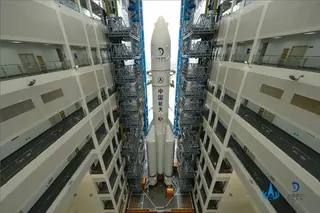
Chang'e 6
May 3, 2024 · UTC
China Aerospace Science and Technology Corporation · Long March 5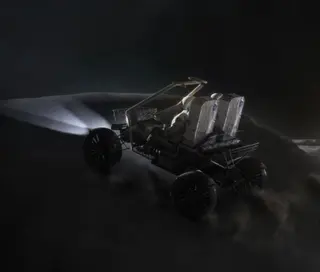
Lunar Terrain Vehicle Announcement
April 3, 2024 · UTC
National Aeronautics and Space AdministrationRS-25 Engine Test
April 3, 2024 · UTC
National Aeronautics and Space AdministrationRS-25 Engine Test
March 27, 2024 · UTC
National Aeronautics and Space AdministrationRS-25 Engine Test
March 22, 2024 · UTC
National Aeronautics and Space Administration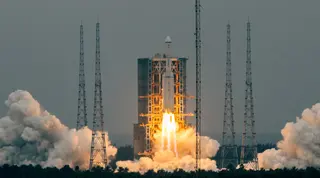
Queqiao-2
March 20, 2024 · UTC
China Aerospace Science and Technology Corporation · Long March 8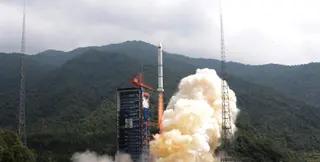
DRO-A/B
March 13, 2024 · UTC
China Aerospace Science and Technology Corporation · Long March 2C/YZ-1SRS-25 Engine Test
March 6, 2024 · UTC
National Aeronautics and Space AdministrationRS-25 Engine Test
February 29, 2024 · UTC
National Aeronautics and Space Administration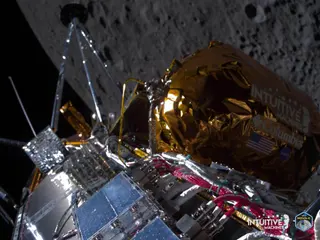
Nova-C IM-1 News Conference
February 28, 2024 · UTC
Intuitive MachinesNova-C IM-1 Post Landing Media Teleconference
February 23, 2024 · UTC
Intuitive MachinesRS-25 Engine Test
February 23, 2024 · UTC
National Aeronautics and Space AdministrationPeregrine Lunar Landing
2024年2月23日・時刻未定
Astrobotic Technology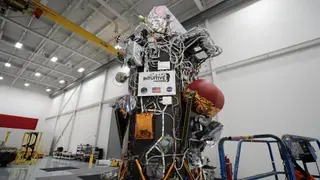
Nova-C IM-1 Lunar Landing
February 22, 2024 · UTC
Intuitive Machines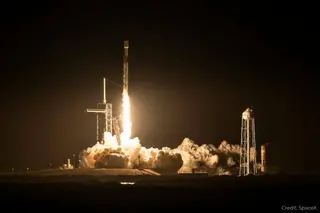
Nova-C IM-1
February 15, 2024 · UTC
SpaceX · Falcon 9 Block 5Nova-C IM-1 Lunar Delivery Readiness Teleconference
February 13, 2024 · UTC
Intuitive MachinesNova-C IM-1 Science Media Teleconference #2
February 12, 2024 · UTC
Intuitive MachinesNova-C IM-1 Science Media Teleconference
January 31, 2024 · UTC
Intuitive MachinesRS-25 Engine Test
January 27, 2024 · UTC
National Aeronautics and Space AdministrationRS-25 Engine Test
January 23, 2024 · UTC
National Aeronautics and Space Administration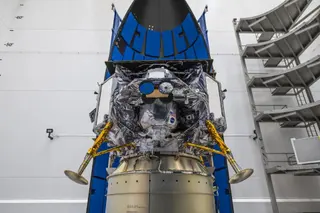
Peregrine Mission One Status Teleconference
January 19, 2024 · UTC
Astrobotic Technology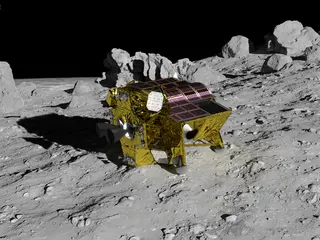
SLIM Lunar Landing
January 19, 2024 · UTC
Japan Aerospace Exploration AgencyRS-25 Engine Test
January 17, 2024 · UTC
National Aeronautics and Space AdministrationArtemis Moon Mission Plans Media Teleconference
January 9, 2024 · UTC
National Aeronautics and Space Administration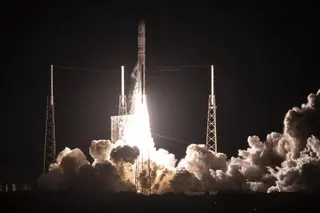
Peregrine lunar lander (Maiden flight)
January 8, 2024 · UTC
United Launch Alliance · Vulcan VC2SLunar Delivery Readiness Media Teleconference
January 5, 2024 · UTC
Astrobotic Technology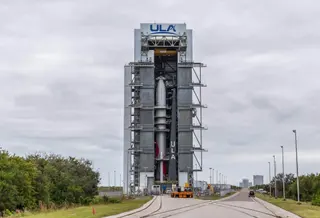
ULA Vulcan Rocket Rollout
January 5, 2024 · UTC
United Launch AlliancePeregrine Science Media Briefing
January 4, 2024 · UTC
Astrobotic Technology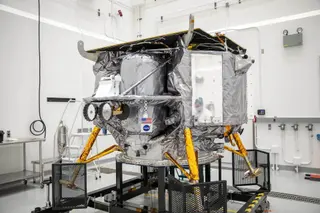
CLPS Astrobotic "What's on Board" Teleconference
November 29, 2023 · UTC
Astrobotic Technology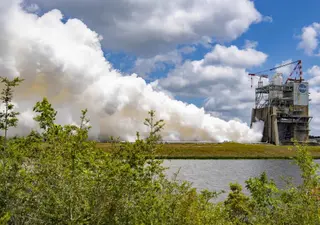
RS-25 Engine Test
November 29, 2023 · UTC
National Aeronautics and Space AdministrationRS-25 Engine Test
November 15, 2023 · UTC
National Aeronautics and Space AdministrationRS-25 Engine Test
October 17, 2023 · UTC
National Aeronautics and Space Administration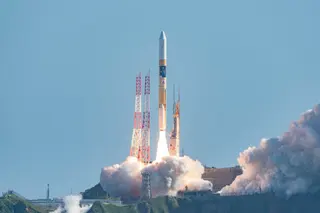
XRISM & SLIM
September 6, 2023 · UTC
Japan Aerospace Exploration Agency · H-IIA 202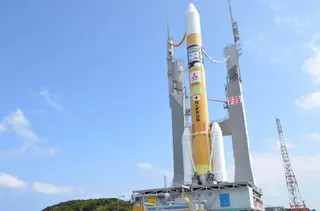
H-2A Rocket F47 Rollout
August 27, 2023 · UTC
Japan Aerospace Exploration Agency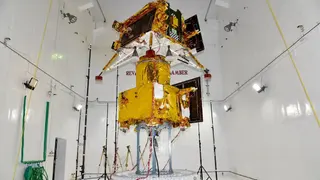
Chandrayaan-3 Lunar Landing
August 23, 2023 · UTC
Indian Space Research Organization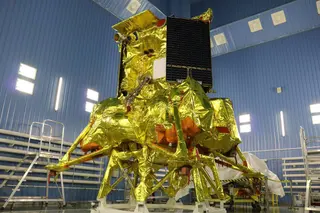
Luna 25 Lunar Landing
August 19, 2023 · UTC
Russian Federal Space Agency (ROSCOSMOS)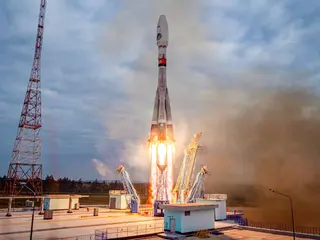
Luna 25
August 10, 2023 · UTC
Russian Federal Space Agency (ROSCOSMOS) · Soyuz 2.1b Fregat-MArtemis II Status Briefing
August 8, 2023 · UTC
Canadian Space Agency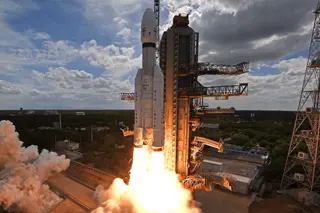
Chandrayaan-3
July 14, 2023 · UTC
Indian Space Research Organization · Launch Vehicle Mark-3 (GSLV Mk III)RS-25 Engine Test
June 22, 2023 · UTC
RS-25 Engine Test
June 15, 2023 · UTC
RS-25 Engine Test
June 8, 2023 · UTC
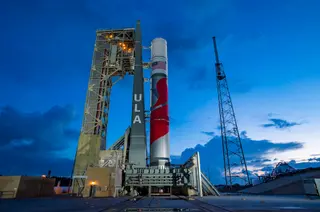
Vulcan Cert-1 Flight Readiness Firing (FRF)
June 8, 2023 · UTC
RS-25 Engine Test
June 1, 2023 · UTC
RS-25 Engine Test
May 23, 2023 · UTC
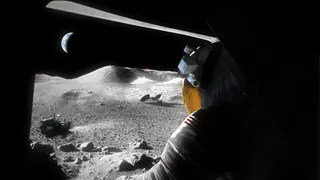
NASA Artemis V Lander Announcement
May 19, 2023 · UTC
RS-25 Engine Test
2023年5月10日・時刻未定
RS-25 Engine Test
April 26, 2023 · UTC
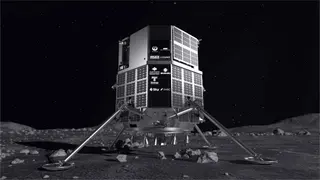
Hakuto-R M1 Lunar Landing
April 25, 2023 · UTC
RS-25 Engine Test
April 5, 2023 · UTC
NASA Artemis II Crew Interviews
April 4, 2023 · UTC
NASA Artemis II Crew Reveal
April 3, 2023 · UTC
RS-25 Engine Test
March 21, 2023 · UTC
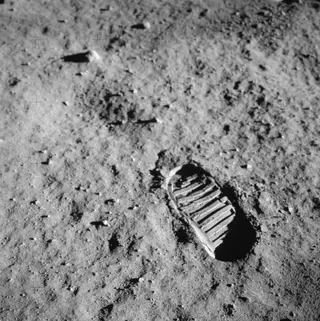
Artemis Spacesuit Reveal
March 15, 2023 · UTC
RS-25 Engine Test
March 8, 2023 · UTC
Artemis I Data Analysis Media Teleconference
March 7, 2023 · UTC
RS-25 Engine Test
February 22, 2023 · UTC
RS-25 Engine Test
February 8, 2023 · UTC
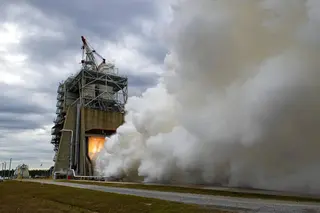
RS-25 Engine Test
December 14, 2022 · UTC
Artemis I Mission Highlights
December 11, 2022 · UTC
Artemis I Post-Splashdown News Conference
December 11, 2022 · UTC
Artemis I Orion Splashdown
December 11, 2022 · UTC
Hakuto-R M1 & Lunar Flashlight
December 11, 2022 · UTC
SpaceX · Falcon 9 Block 5Artemis I Status Update #14
December 8, 2022 · UTC
Artemis I Status Update #13
December 5, 2022 · UTC
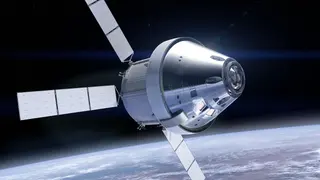
Artemis I Orion Return Powered Moon Flyby
December 5, 2022 · UTC
Artemis I Orion Distant Retrograde Orbit Departure Burn
December 1, 2022 · UTC
Artemis I Status Update #12
November 30, 2022 · UTC
Artemis I Status Update #11
November 28, 2022 · UTC
Artemis I Orion Distant Retrograde Orbit Insertion Burn
November 25, 2022 · UTC
Artemis I Post-Orion Powered Moon Flyby Briefing
November 21, 2022 · UTC
Artemis I Orion Powered Moon Flyby
November 21, 2022 · UTC
Artemis I Status Update #10
November 18, 2022 · UTC
Artemis I Orion First Earth Images
November 16, 2022 · UTC
Artemis I Orion First Outbound Trajectory Correction Burn
November 16, 2022 · UTC
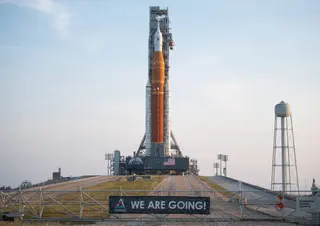
Artemis I Post-Launch News Conference
November 16, 2022 · UTC
Artemis I
November 16, 2022 · UTC
National Aeronautics and Space Administration · Space Launch System Block 1Artemis I Pre-Launch Countdown Status Briefing #2
November 14, 2022 · UTC
Artemis I Post-Mission Management Team Pre-Launch Briefing
November 14, 2022 · UTC
Artemis I Status Update #9
November 11, 2022 · UTC
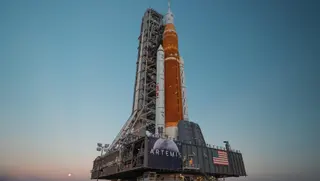
Artemis I SLS Rollout #4
November 4, 2022 · UTC
Artemis I Status Update #8
November 3, 2022 · UTC
Artemis I SLS Rollback #3 Media Teleconference
September 27, 2022 · UTC
Artemis I SLS Rollback #3
September 27, 2022 · UTC
Artemis I Post-Tanking Test Teleconference
September 23, 2022 · UTC
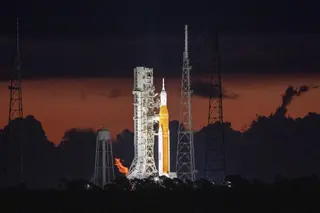
Artemis I Tanking Test
September 21, 2022 · UTC
Artemis I Tanking Test Preview Media Teleconference
September 19, 2022 · UTC
Artemis I Status Update #7
September 8, 2022 · UTC
Artemis I Status Update #6
September 3, 2022 · UTC
Artemis I Pre-Launch Countdown Status Briefing
September 2, 2022 · UTC
Artemis I Mission Management Team Briefing
September 1, 2022 · UTC
Artemis I Status Update #5
August 30, 2022 · UTC
Artemis I Status Update #4
August 29, 2022 · UTC
Artemis I Countdown Status Briefing
August 28, 2022 · UTC
Artemis Moon to Mars Exploration Plans Briefing
August 27, 2022 · UTC
Artemis I Mission Management Meeting Briefing
August 27, 2022 · UTC
Artemis I Industry Briefing
August 26, 2022 · UTC
Artemis I Flight Readiness Review Briefing
August 23, 2022 · UTC
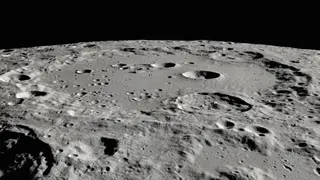
Artemis I Candidate Landing Locations Teleconference
August 19, 2022 · UTC
Artemis I Radiation Secondary Payloads Teleconference
August 17, 2022 · UTC
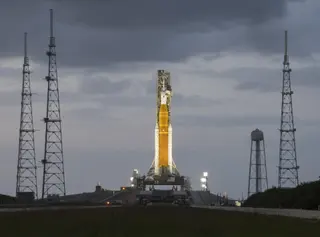
Artemis I SLS Rollout #3
August 17, 2022 · UTC
Artemis I Technology Demonstration & Solar System Science Payloads Teleconference
August 16, 2022 · UTC
Artemis I Lunar Science Payloads Teleconference
August 15, 2022 · UTC
Artemis I Detailed Mission Briefing
August 5, 2022 · UTC
Danuri (KPLO - Korean Pathfinder Lunar Orbiter)
August 4, 2022 · UTC
SpaceX · Falcon 9 Block 5Artemis I Mission Overview Briefing
August 3, 2022 · UTC
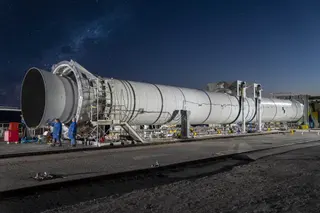
SLS Flight Support Booster-2 Static Fire
July 21, 2022 · UTC
Artemis I Status Update #3
July 20, 2022 · UTC
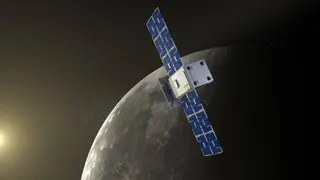
CAPSTONE TLI Burn and Deployment
July 4, 2022 · UTC
Artemis I SLS Rollback #2
July 2, 2022 · UTC
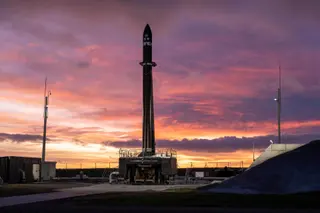
CAPSTONE
June 28, 2022 · UTC
Rocket Lab · ElectronArtemis I Status Update #2
June 24, 2022 · UTC
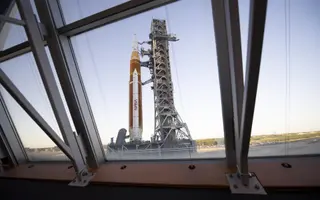
Artemis I Post-WDR #2 Media Teleconference
June 21, 2022 · UTC
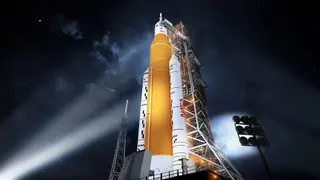
Artemis I SLS Wet Dress Rehearsal
June 20, 2022 · UTC
Artemis I Pre-WDR #2 Media Teleconference
June 15, 2022 · UTC
Artemis I SLS Rollout #2
June 6, 2022 · UTC
Artemis I WDR #2 Media Teleconference #2
May 27, 2022 · UTC
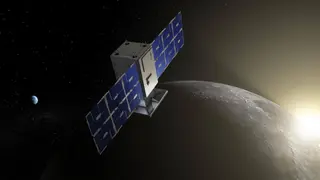
NASA Capstone Pre-Launch News Conference
May 25, 2022 · UTC
Artemis I WDR #2 Media Teleconference
May 5, 2022 · UTC
Artemis I SLS Rollback #1
April 25, 2022 · UTC
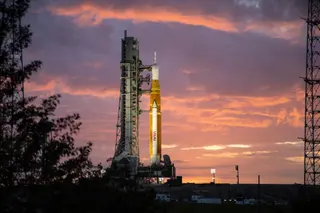
Artemis I WDR Update
April 15, 2022 · UTC
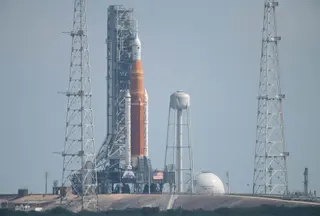
Artemis I WDR Update
April 11, 2022 · UTC
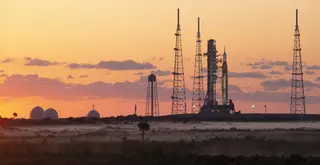
Artemis I WDR Abort Update #2
April 5, 2022 · UTC
Artemis I WDR Abort Update
April 3, 2022 · UTC
RS-25 Engine Test
March 30, 2022 · UTC
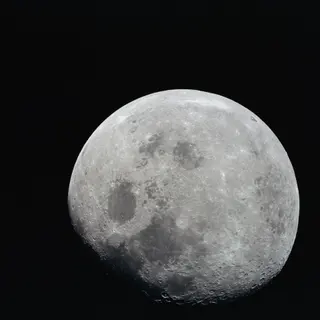
NASA Astronaut Moon Landers Strategy Media Teleconference
March 23, 2022 · UTC
Artemis I SLS Rollout #1
March 17, 2022 · UTC
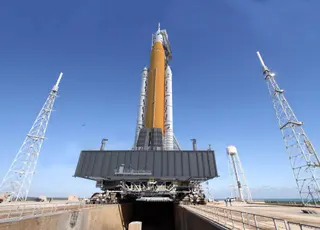
Artemis I Rollout and Wet Dress Rehearsal Media Briefing
March 14, 2022 · UTC
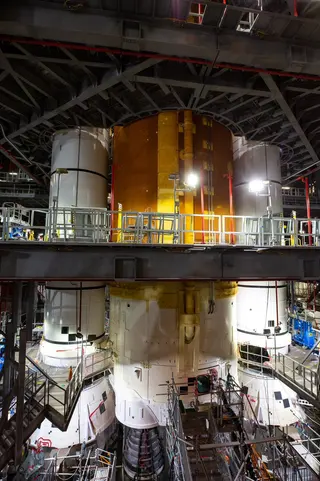
Artemis I Status Update
February 24, 2022 · UTC
RS-25 Engine Test
February 24, 2022 · UTC
RS-25 Engine Test
February 8, 2022 · UTC
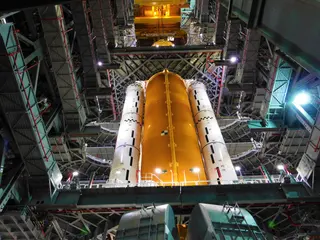
Artemis I Status Briefing
February 2, 2022 · UTC
RS-25 Engine Test
January 19, 2022 · UTC
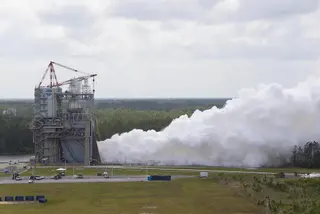
RS-25 Engine Test
December 15, 2021 · UTC
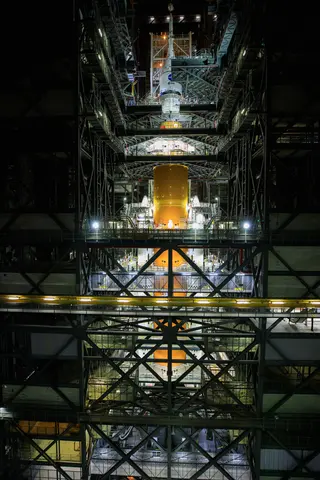
NASA Artemis I Update
October 22, 2021 · UTC
RS-25 Engine Test
September 30, 2021 · UTC
RS-25 Engine Test
August 5, 2021 · UTC
RS-25 Engine Test
April 28, 2021 · UTC
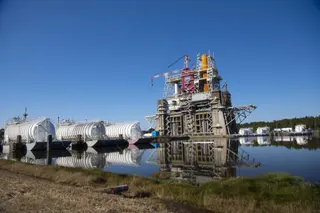
SLS 2nd Hot Fire Test
March 18, 2021 · UTC

SLS Hot Fire Post-Test Conference
January 17, 2021 · UTC
SLS Green Run Hot Fire
January 16, 2021 · UTC
SLS Green Run Wet Dress Rehearsal
December 20, 2020 · UTC
Chang'e 5 Sample Returns to Earth
December 16, 2020 · UTC
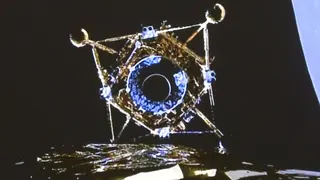
Chang'e 5 Ascent Stage-Orbiter Docking
December 3, 2020 · UTC
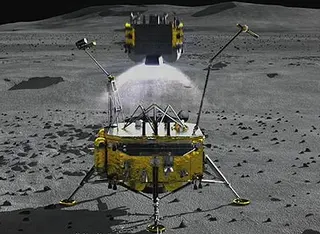
Chang'e 5 Ascent Stage Liftoff
December 3, 2020 · UTC
Chang'e 5
December 3, 2020 · UTC
China National Space Administration · Chang'e Sample Ascender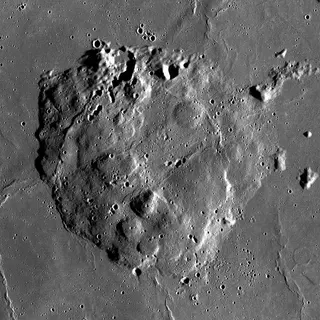
Chang'e 5 Lunar Landing
December 1, 2020 · UTC
Chang'e 5
November 23, 2020 · UTC
China Aerospace Science and Technology Corporation · Long March 5SLS Flight Support Booster-1 Static Fire
September 2, 2020 · UTC
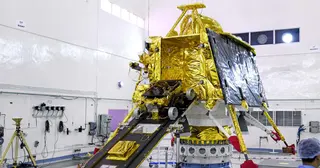
Chandrayaan-2 Lunar Landing
September 6, 2019 · UTC
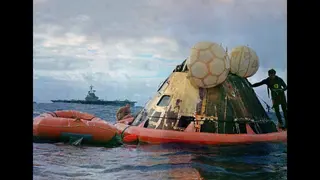
Splashdown - Apollo 11th (50th Anni.)
July 24, 2019 · UTC
Chandrayaan-2
July 22, 2019 · UTC
Indian Space Research Organization · Launch Vehicle Mark-3 (GSLV Mk III)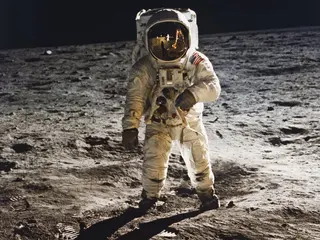
Apollo 11th 50th Anniversary - Lunar Landing
July 20, 2019 · UTC
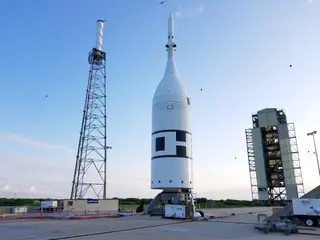
Ascent Abort-2
July 2, 2019 · UTC
National Aeronautics and Space Administration · Orion Abort Test Booster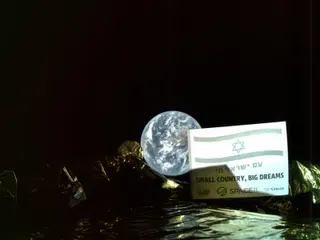
Beresheet Moon Landing
April 11, 2019 · UTC
GTO-1 (Beresheet, S5)
February 22, 2019 · UTC
SpaceX · Falcon 9 Block 5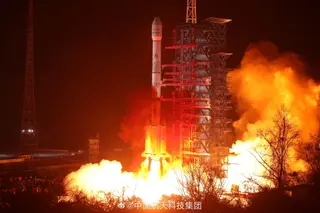
Chang'e 4 (lander and rover)
December 7, 2018 · UTC
China Aerospace Science and Technology Corporation · Long March 3B/E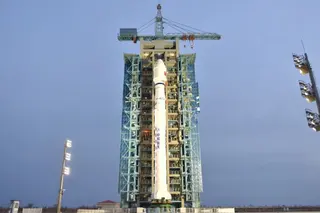
Queqiao (Chang'e 4 relay satellite)
May 20, 2018 · UTC
China Aerospace Science and Technology Corporation · Long March 4C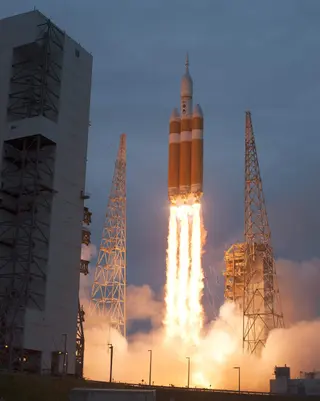
EFT-1
December 5, 2014 · UTC
United Launch Alliance · Delta IV Heavy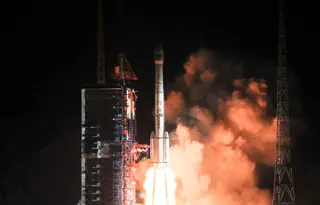
Long March 3C/E | Chang'e 5-T1
October 23, 2014 · UTC
China Aerospace Science and Technology Corporation · Long March 3C/E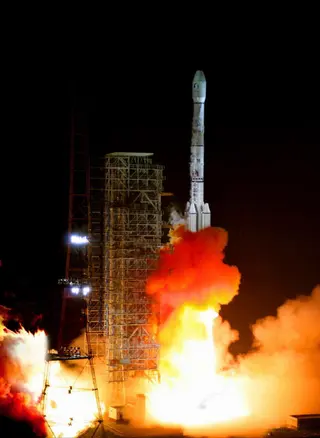
Chang'e 3 & Yutu
December 1, 2013 · UTC
China Aerospace Science and Technology Corporation · Long March 3B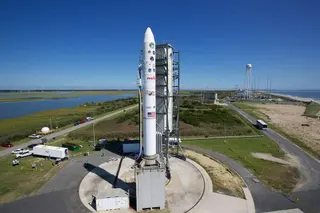
LADEE
September 7, 2013 · UTC
Orbital Sciences Corporation · Minotaur V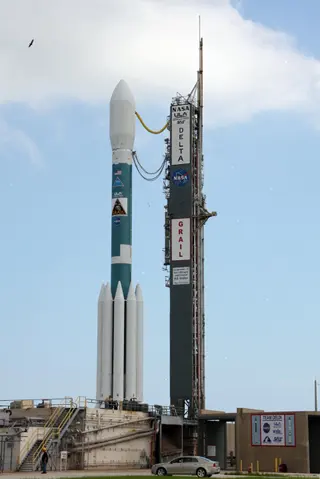
Delta II 7920H-10C | GRAIL-A (Ebb) & GRAIL-B (Flow)
September 10, 2011 · UTC
United Launch Alliance · Delta II 7920H-10C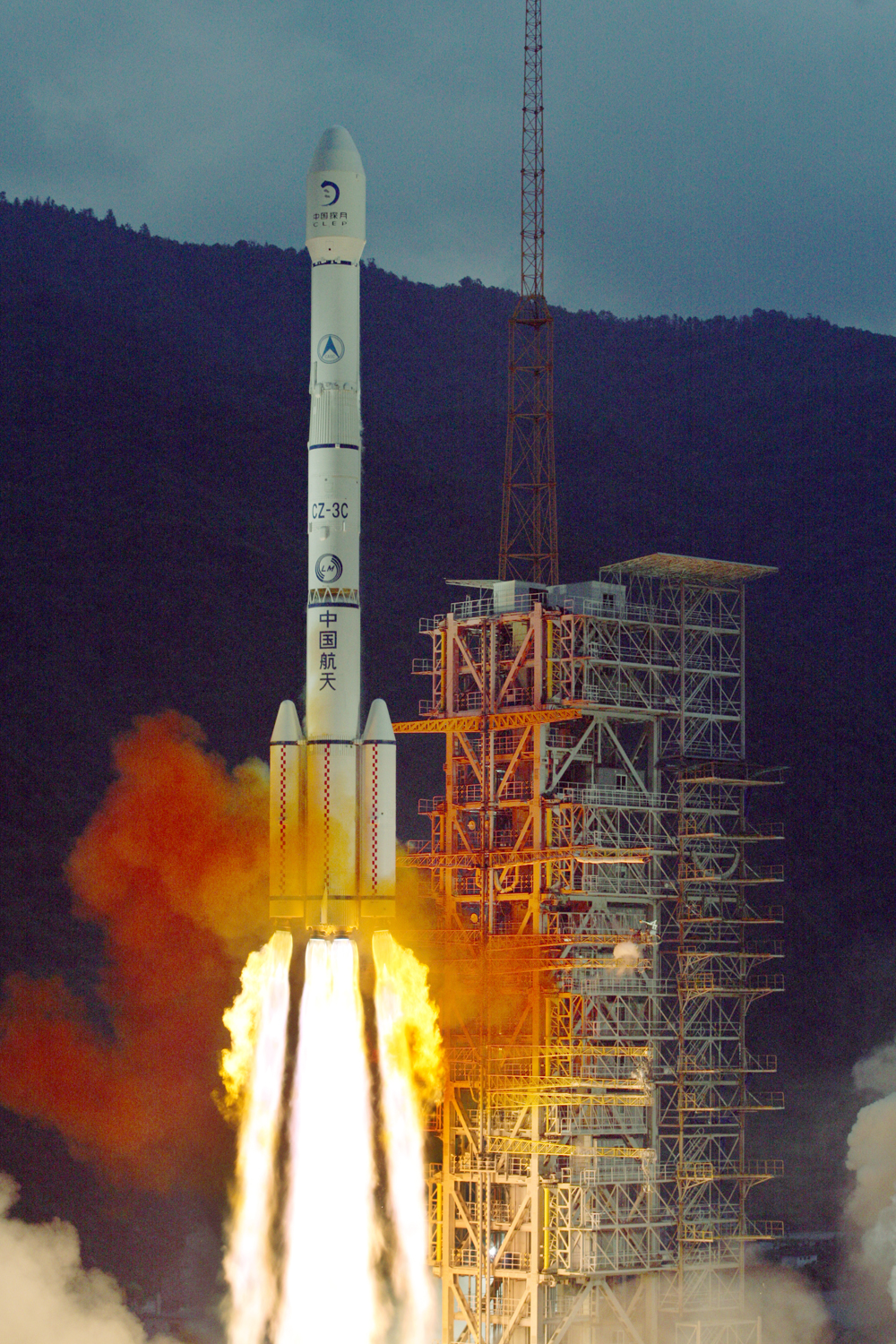
Long March 3C | Chang'e 2
October 1, 2010 · UTC
China Aerospace Science and Technology Corporation · Long March 3C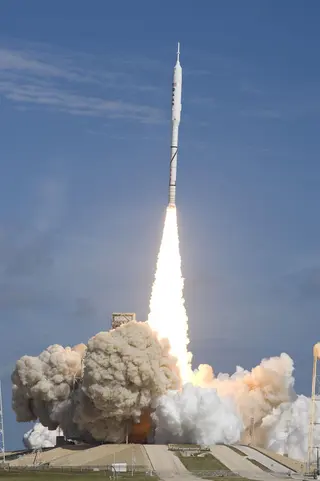
Ares I-X
September 28, 2009 · UTC
National Aeronautics and Space Administration · Ares I-X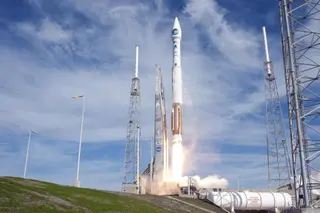
LRO/LCROSS
June 18, 2009 · UTC
United Launch Alliance · Atlas V 401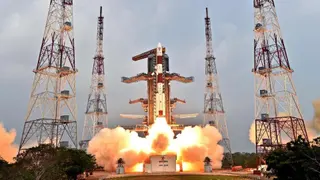
PSLV XL | Chandrayaan-1
October 22, 2008 · UTC
Indian Space Research Organization · PSLV XL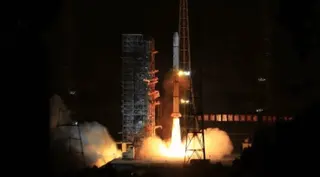
Chang'e-1
October 24, 2007 · UTC
China Aerospace Science and Technology Corporation · Long March 3A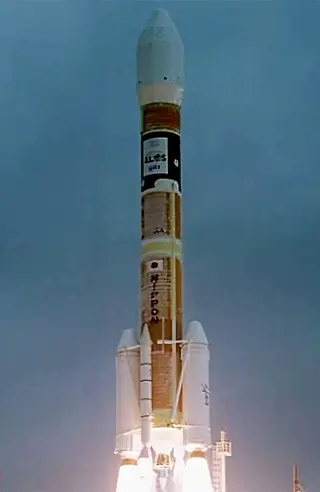
Kaguya
September 14, 2007 · UTC
Japan Aerospace Exploration Agency · H-IIA 2022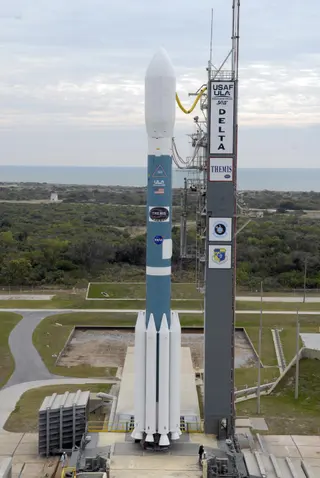
THEMIS
February 17, 2007 · UTC
United Launch Alliance · Delta II 7925-10C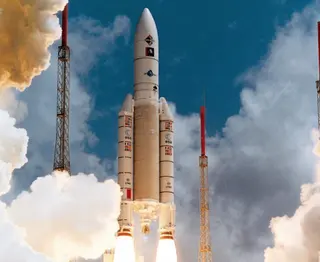
INSAT-3A
September 27, 2003 · UTC
Arianespace · Ariane 5 G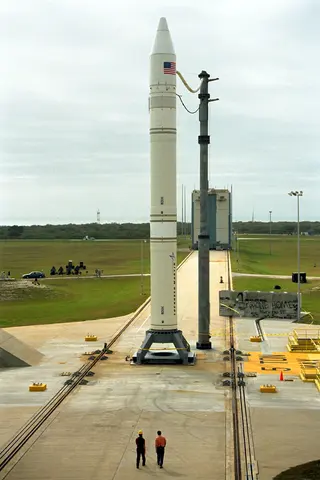
Lunar Prospector
January 7, 1998 · UTC
Lockheed Martin · Athena II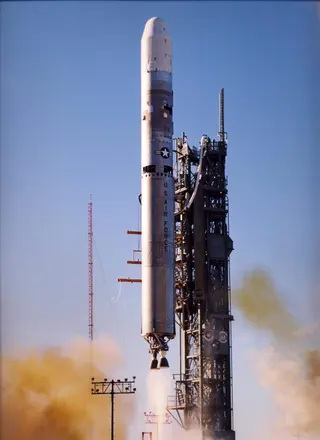
Clementine 1
January 25, 1994 · UTC
United States Air Force · Titan II SLVHiten
January 24, 1990 · UTC
Institute of Space and Astronautical Science · Mu-3S-II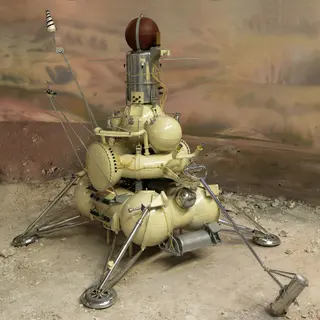
Luna-24
August 19, 1976 · UTC
Soviet Space Program · Luna Ascent Stage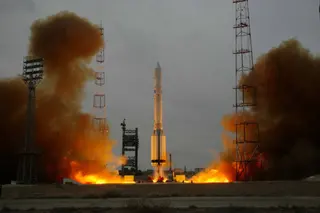
Luna-24
August 9, 1976 · UTC
Soviet Space Program · Proton-K/D-1Luna-24a
October 16, 1975 · UTC
Soviet Space Program · Proton-K/D-1Luna-23
October 28, 1974 · UTC
Soviet Space Program · Proton / UR-500 K/DLuna-22
May 29, 1974 · UTC
Soviet Space Program · Proton / UR-500 K/DRAE 2
June 10, 1973 · UTC
United States Air Force · Delta 1913Luna-21
January 8, 1973 · UTC
Soviet Space Program · Proton / UR-500 K/D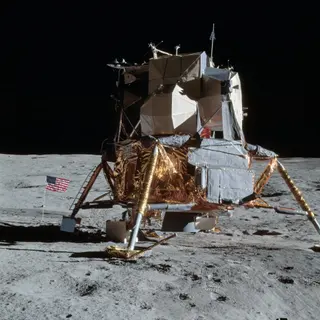
Apollo 17
December 14, 1972 · UTC
National Aeronautics and Space Administration · Apollo LM Ascent Stage
Apollo 17
December 7, 1972 · UTC
National Aeronautics and Space Administration · Saturn V
N1 | Soyuz 7K-LOK No.2
November 23, 1972 · UTC
Soviet Space Program · N1Apollo 16
April 24, 1972 · UTC
National Aeronautics and Space Administration · Apollo LM Ascent StageApollo 16
April 16, 1972 · UTC
National Aeronautics and Space Administration · Saturn VLuna-20
February 22, 1972 · UTC
Soviet Space Program · Luna Ascent StageLuna-20
February 14, 1972 · UTC
Soviet Space Program · Proton / UR-500 K/DLuna-19
September 28, 1971 · UTC
Soviet Space Program · Proton / UR-500 K/DLuna-18
September 2, 1971 · UTC
Soviet Space Program · Proton / UR-500 K/DT2K 3
August 12, 1971 · UTC
Soviet Space Program · Soyuz 11A511LApollo 15
August 2, 1971 · UTC
National Aeronautics and Space Administration · Apollo LM Ascent StageApollo 15
July 26, 1971 · UTC
National Aeronautics and Space Administration · Saturn VN1 | Soyuz 7K-LOK No.1
June 26, 1971 · UTC
Soviet Space Program · N1T2K 2
February 26, 1971 · UTC
Soviet Space Program · Soyuz 11A511LApollo 14
February 6, 1971 · UTC
National Aeronautics and Space Administration · Apollo LM Ascent StageApollo 14
January 31, 1971 · UTC
National Aeronautics and Space Administration · Saturn VL1E 2K
December 2, 1970 · UTC
Soviet Space Program · Proton / UR-500 K/DT2K 1
November 24, 1970 · UTC
Soviet Space Program · Soyuz 11A511LLuna-17
November 10, 1970 · UTC
Soviet Space Program · Proton / UR-500 K/DProton / UR-500 K/D | Zond 8
October 20, 1970 · UTC
Soviet Space Program · Proton / UR-500 K/DLuna-16
September 21, 1970 · UTC
Soviet Space Program · Luna Ascent StageLuna-16
September 12, 1970 · UTC
Soviet Space Program · Proton / UR-500 K/DApollo 13
April 11, 1970 · UTC
National Aeronautics and Space Administration · Saturn VLuna-16c
February 6, 1970 · UTC
Soviet Space Program · Proton / UR-500 K/DProton / UR-500 K/D | Soyuz 7K-L1E No.1
November 28, 1969 · UTC
Soviet Space Program · Proton / UR-500 K/DApollo 12
November 20, 1969 · UTC
National Aeronautics and Space Administration · Apollo LM Ascent StageApollo 12
November 14, 1969 · UTC
National Aeronautics and Space Administration · Saturn VLuna-16b
October 22, 1969 · UTC
Soviet Space Program · Proton / UR-500 K/DLuna-16a
September 23, 1969 · UTC
Soviet Space Program · Proton / UR-500 K/DProton / UR-500 K/D | Zond 7
August 7, 1969 · UTC
Soviet Space Program · Proton / UR-500 K/DApollo 11
July 21, 1969 · UTC
National Aeronautics and Space Administration · Apollo LM Ascent StageApollo 11
July 16, 1969 · UTC
National Aeronautics and Space Administration · Saturn VLuna-15
July 13, 1969 · UTC
Soviet Space Program · Proton / UR-500 K/DN1 | Zond-M 2
July 3, 1969 · UTC
Soviet Space Program · N1Luna-15b
June 14, 1969 · UTC
Soviet Space Program · Proton / UR-500 K/DApollo 10
May 18, 1969 · UTC
National Aeronautics and Space Administration · Saturn VApollo 9
March 3, 1969 · UTC
National Aeronautics and Space Administration · Saturn VN1 | Zond-M 1
February 21, 1969 · UTC
Soviet Space Program · N1Luna-15a
February 19, 1969 · UTC
Soviet Space Program · Proton / UR-500 K/DProton / UR-500 K/D | Soyuz 7K-L1 No.13L
January 20, 1969 · UTC
Soviet Space Program · Proton / UR-500 K/DApollo 8
December 21, 1968 · UTC
National Aeronautics and Space Administration · Saturn VProton / UR-500 K/D | Zond 6
November 10, 1968 · UTC
Soviet Space Program · Proton / UR-500 K/D
Apollo 7
October 11, 1968 · UTC
National Aeronautics and Space Administration · Saturn IBProton / UR-500 K/D | Zond 5
September 14, 1968 · UTC
Soviet Space Program · Proton / UR-500 K/DProton / UR-500 K/D | Soyuz 7K-L1 No.8L
July 21, 1968 · UTC
Soviet Space Program · Proton / UR-500 K/DProton / UR-500 K/D | Soyuz 7K-L1 No.7L
April 22, 1968 · UTC
Soviet Space Program · Proton / UR-500 K/D
Luna-14
April 7, 1968 · UTC
Soviet Space Program · Molniya-M 2BLApollo 6
April 4, 1968 · UTC
National Aeronautics and Space Administration · Saturn VProton / UR-500 K/D | Zond 4
March 2, 1968 · UTC
Soviet Space Program · Proton / UR-500 K/DYe-6LS 112
February 7, 1968 · UTC
Soviet Space Program · Molniya-M 2BLApollo 5
January 22, 1968 · UTC
National Aeronautics and Space Administration · Saturn IB
Surveyor 7
January 7, 1968 · UTC
United States Air Force · Atlas SLV-3C CentaurProton / UR-500 K/D | Soyuz 7K-L1 No.5L
November 22, 1967 · UTC
Soviet Space Program · Proton / UR-500 K/DApollo 4
November 9, 1967 · UTC
National Aeronautics and Space Administration · Saturn VSurveyor 6
November 7, 1967 · UTC
United States Air Force · Atlas SLV-3C CentaurProton / UR-500 K/D | Soyuz 7K-L1 No.4L
September 27, 1967 · UTC
Soviet Space Program · Proton / UR-500 K/DSurveyor 5
September 8, 1967 · UTC
United States Air Force · Atlas SLV-3C Centaur
Lunar Orbiter 5
August 1, 1967 · UTC
United States Air Force · Atlas SLV-3 Agena D
Explorer 35
July 19, 1967 · UTC
United States Air Force · Thor Delta E1Surveyor 4
July 14, 1967 · UTC
United States Air Force · Atlas LV-3C Centaur DYe-6LS 111
May 16, 1967 · UTC
Soviet Space Program · Molniya-M 2BLLunar Orbiter 4
May 4, 1967 · UTC
United States Air Force · Atlas SLV-3 Agena DSurveyor 3
April 17, 1967 · UTC
United States Air Force · Atlas LV-3C Centaur DProton / UR-500 K/D | Kosmos 154
April 8, 1967 · UTC
Soviet Space Program · Proton / UR-500 K/DProton / UR-500 K/D | Kosmos 146
March 10, 1967 · UTC
Soviet Space Program · Proton / UR-500 K/DLunar Orbiter 3
February 5, 1967 · UTC
United States Air Force · Atlas SLV-3 Agena DApollo 1
January 27, 1967 · UTC
National Aeronautics and Space Administration · Saturn IBLuna-13
December 21, 1966 · UTC
Soviet Space Program · Molniya-M 2BLLunar Orbiter 2
November 6, 1966 · UTC
United States Air Force · Atlas SLV-3 Agena DSurveyor Model 3
October 26, 1966 · UTC
United States Air Force · Atlas LV-3C Centaur DLuna-12
October 22, 1966 · UTC
Soviet Space Program · Molniya-M 2BLSurveyor 2
September 20, 1966 · UTC
United States Air Force · Atlas LV-3C Centaur DApollo AS-202
August 25, 1966 · UTC
National Aeronautics and Space Administration · Saturn IBLuna-11
August 24, 1966 · UTC
Soviet Space Program · Molniya-M 2BLLunar Orbiter I
August 10, 1966 · UTC
United States Air Force · Atlas SLV-3 Agena DApollo AS-203
July 5, 1966 · UTC
National Aeronautics and Space Administration · Saturn IBExplorer 33
July 1, 1966 · UTC
United States Air Force · Thor Delta E1Surveyor 1
May 30, 1966 · UTC
United States Air Force · Atlas LV-3C Centaur DSurveyor M-2
April 8, 1966 · UTC
United States Air Force · Atlas LV-3C Centaur DLuna-10
March 31, 1966 · UTC
Soviet Space Program · Molniya-M 2BLLuna-10a
March 1, 1966 · UTC
Soviet Space Program · Molniya-M 2BLApollo AS-201
February 26, 1966 · UTC
National Aeronautics and Space Administration · Saturn IBLuna-9
January 31, 1966 · UTC
Soviet Space Program · Molniya-M 2BL
A-004
January 20, 1966 · UTC
National Aeronautics and Space Administration · Little Joe II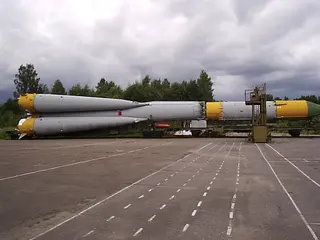
Luna-8
December 3, 1965 · UTC
Soviet Space Program · Molniya 8K78Luna-7
October 4, 1965 · UTC
Soviet Space Program · Molniya-M 2BLSurveyor-SD 2
August 11, 1965 · UTC
United States Air Force · Atlas LV-3C Centaur D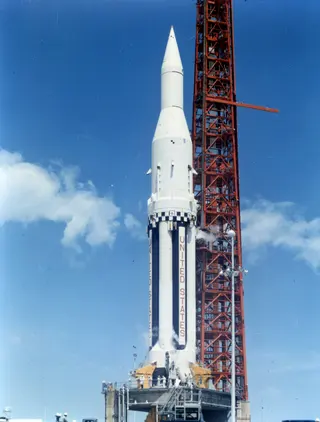
Pegasus 3
July 30, 1965 · UTC
National Aeronautics and Space Administration · Saturn IZond-3
July 18, 1965 · UTC
Soviet Space Program · Molniya 8K78Luna-6
June 8, 1965 · UTC
Soviet Space Program · Molniya 8K78Pegasus 2
May 25, 1965 · UTC
National Aeronautics and Space Administration · Saturn IA-003
May 19, 1965 · UTC
National Aeronautics and Space Administration · Little Joe IILuna-5
May 9, 1965 · UTC
Soviet Space Program · Molniya 8K78Luna-5d
April 10, 1965 · UTC
Soviet Space Program · Molniya 8K78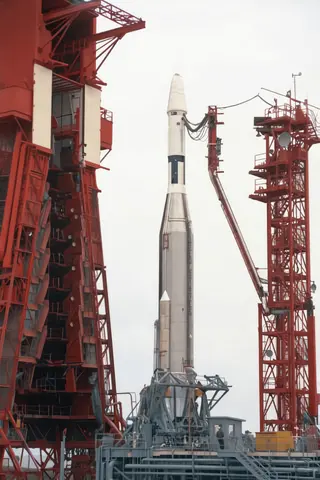
Ranger 9
March 21, 1965 · UTC
United States Air Force · Atlas LV-3 Agena BLuna-5c
March 12, 1965 · UTC
Soviet Space Program · Molniya 8K78Surveyor-SD 1
March 2, 1965 · UTC
United States Air Force · Atlas LV-3C CentaurRanger 8
February 17, 1965 · UTC
United States Air Force · Atlas LV-3 Agena BPegasus 1
February 16, 1965 · UTC
National Aeronautics and Space Administration · Saturn ISurveyor Mass Model
December 11, 1964 · UTC
United States Air Force · Atlas LV-3C CentaurA-002
December 8, 1964 · UTC
National Aeronautics and Space Administration · Little Joe IISaturn-SA 7
September 18, 1964 · UTC
National Aeronautics and Space Administration · Saturn IRanger 7
July 28, 1964 · UTC
United States Air Force · Atlas LV-3 Agena BSaturn-SA 6
May 28, 1964 · UTC
National Aeronautics and Space Administration · Saturn IA-001
May 13, 1964 · UTC
National Aeronautics and Space Administration · Little Joe IILuna-5b
April 20, 1964 · UTC
Soviet Space Program · Molniya 8K78Luna-5a
March 21, 1964 · UTC
Soviet Space Program · Molniya 8K78Ranger 6
January 30, 1964 · UTC
United States Air Force · Atlas LV-3 Agena BSaturn SA-5
January 29, 1964 · UTC
National Aeronautics and Space Administration · Saturn IQualification Test Vehicle
August 28, 1963 · UTC
National Aeronautics and Space Administration · Little Joe IILuna-4
April 2, 1963 · UTC
Soviet Space Program · Molniya 8K78Saturn SA-4
March 28, 1963 · UTC
National Aeronautics and Space Administration · Saturn ILuna-4d
February 3, 1963 · UTC
Soviet Space Program · Molniya 8K78Luna-4c
January 4, 1963 · UTC
Soviet Space Program · Molniya 8K78Saturn SA-3
November 16, 1962 · UTC
National Aeronautics and Space Administration · Saturn IRanger 5
October 18, 1962 · UTC
United States Air Force · Atlas LV-3 Agena BSaturn SA-2
April 25, 1962 · UTC
National Aeronautics and Space Administration · Saturn IRanger 4
April 23, 1962 · UTC
United States Air Force · Atlas LV-3 Agena BRanger 3
January 26, 1962 · UTC
United States Air Force · Atlas LV-3 Agena BAtlas LV-3A | Ranger 2
November 18, 1961 · UTC
United States Air Force · Atlas LV-3 Agena BSaturn SA-1
October 27, 1961 · UTC
National Aeronautics and Space Administration · Saturn IAtlas LV-3A | Ranger 1
August 23, 1961 · UTC
United States Air Force · Atlas LV-3 Agena B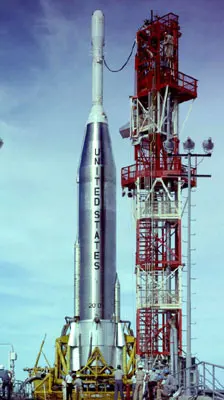
P-31
December 15, 1960 · UTC
United States Air Force · Atlas-AbleP-30 (Able VA)
September 25, 1960 · UTC
United States Air Force · Atlas-Able
Luna-4b
April 16, 1960 · UTC
Soviet Space Program · Vostok-L 8K72Luna-4a
April 15, 1960 · UTC
Soviet Space Program · Vostok-L 8K72P-3
November 26, 1959 · UTC
United States Air Force · Atlas-AbleLuna-3
October 4, 1959 · UTC
Soviet Space Program · Vostok-L 8K72Luna-2
September 12, 1959 · UTC
Soviet Space Program · Vostok-L 8K72Luna-2a
June 18, 1959 · UTC
Soviet Space Program · Vostok-L 8K72
Pioneer 4
March 3, 1959 · UTC
National Aeronautics and Space Administration · Juno IILuna-1
January 2, 1959 · UTC
Soviet Space Program · Vostok-L 8K72Pioneer 3
December 6, 1958 · UTC
National Aeronautics and Space Administration · Juno IILuna-1c
December 4, 1958 · UTC
Soviet Space Program · Vostok-L 8K72Pioneer 2
November 8, 1958 · UTC
Army Ballistic Missile Agency · Thor Able ILuna-1b
October 11, 1958 · UTC
Soviet Space Program · Vostok-L 8K72Pioneer 1
October 11, 1958 · UTC
Army Ballistic Missile Agency · Thor Able ILuna-1a
September 23, 1958 · UTC
Soviet Space Program · Vostok-L 8K72Able I (Pioneer)
August 17, 1958 · UTC
Army Ballistic Missile Agency · Thor Able Iこの条件に合う記録はありません。
この記録について
The archive includes lunar-target flights, failed attempts, lunar ascents, programme development and the THEMIS launch whose B/C spacecraft were later reassigned to lunar orbit. Rideshares can carry several spacecraft; these are source records, not a count of distinct lunar missions. Launch success does not establish landing success or current spacecraft operation. Targets retain source date precision.