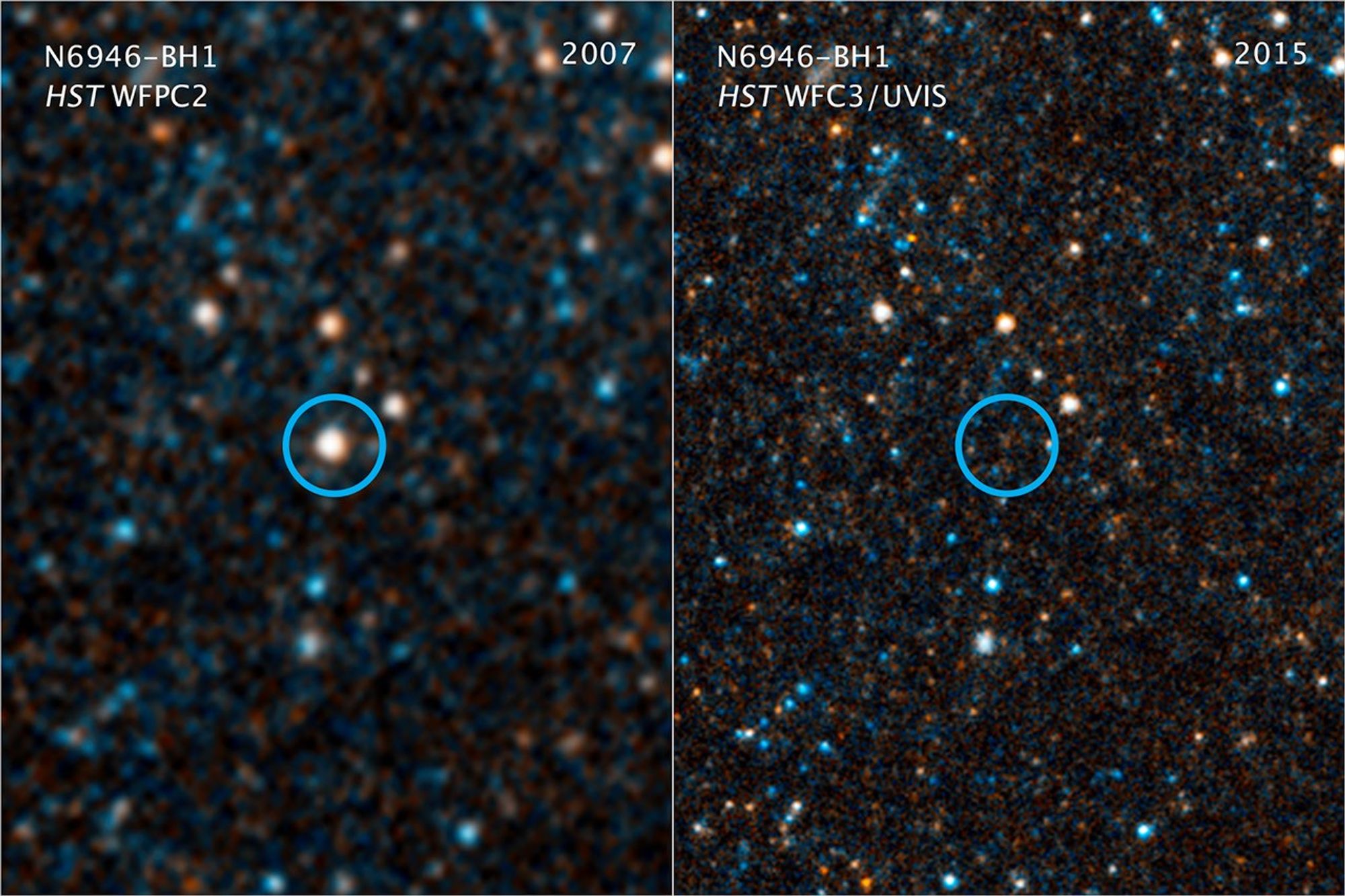
A star vanished. The infrared evidence is harder to read.
N6946-BH1 faded without a normal supernova. Webb found light at its position, but light alone cannot tell us what survived.
Guide · 4 min read
NASA, ESA, and C. Kochanek (OSU)

 Android BETAJoin beta group Closed guest beta · 1.6.0 (4). Join the group first, then join the test on Google Play ↗ using the same Google account. Account sign-in, Premium and alerts are unavailable in this beta.
118 articles found
N6946-BH1 faded without a normal supernova. Webb found light at its position, but light alone cannot tell us what survived.
Guide · 4 min read
NASA, ESA, and C. Kochanek (OSU)
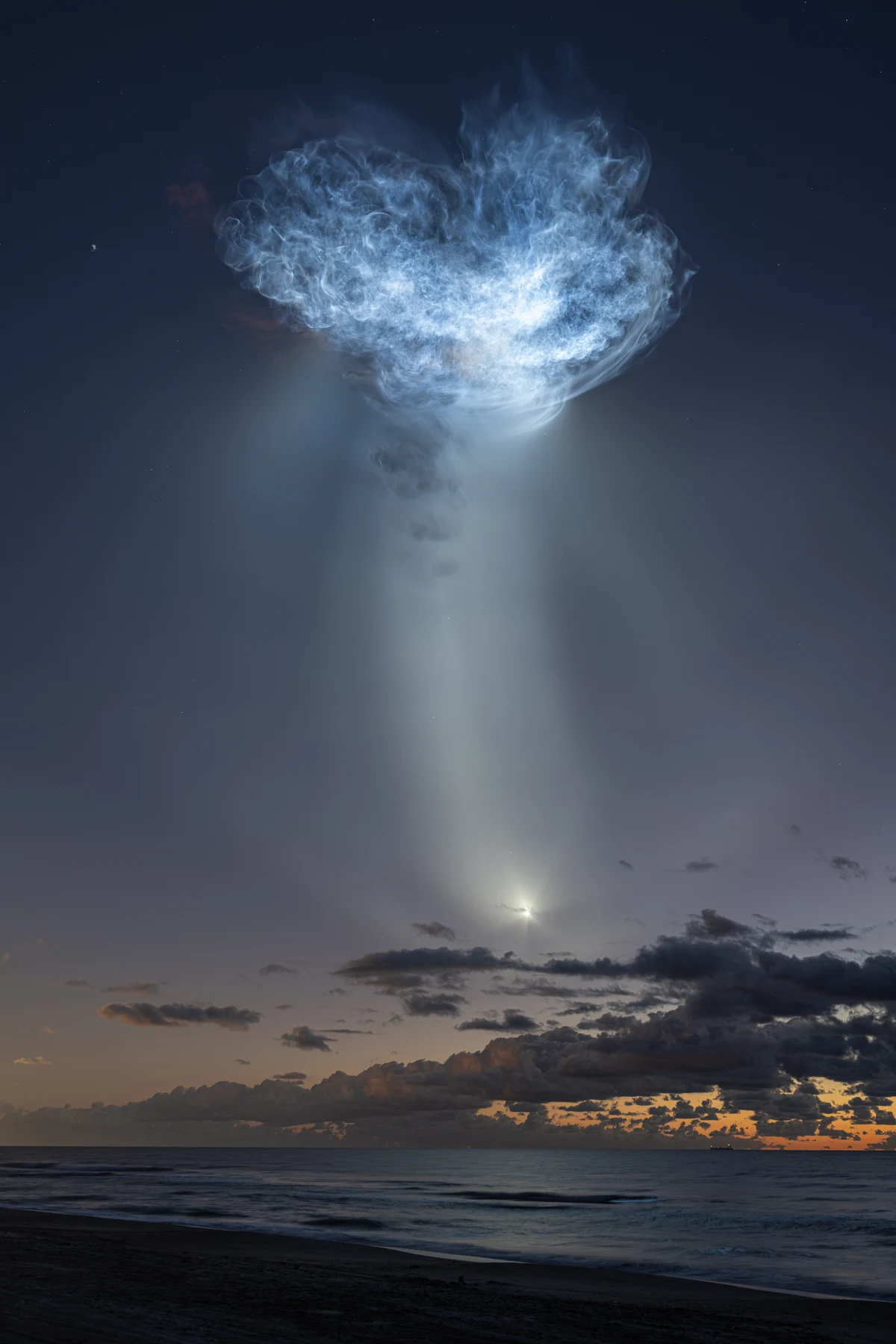
A launch can put its exhaust back into sunlight while you stand in darkness. Follow the lighting, the expanding gas and the evidence that links a strange cloud to a real mission.
Guide · 3 min read
NASA/John Kraus
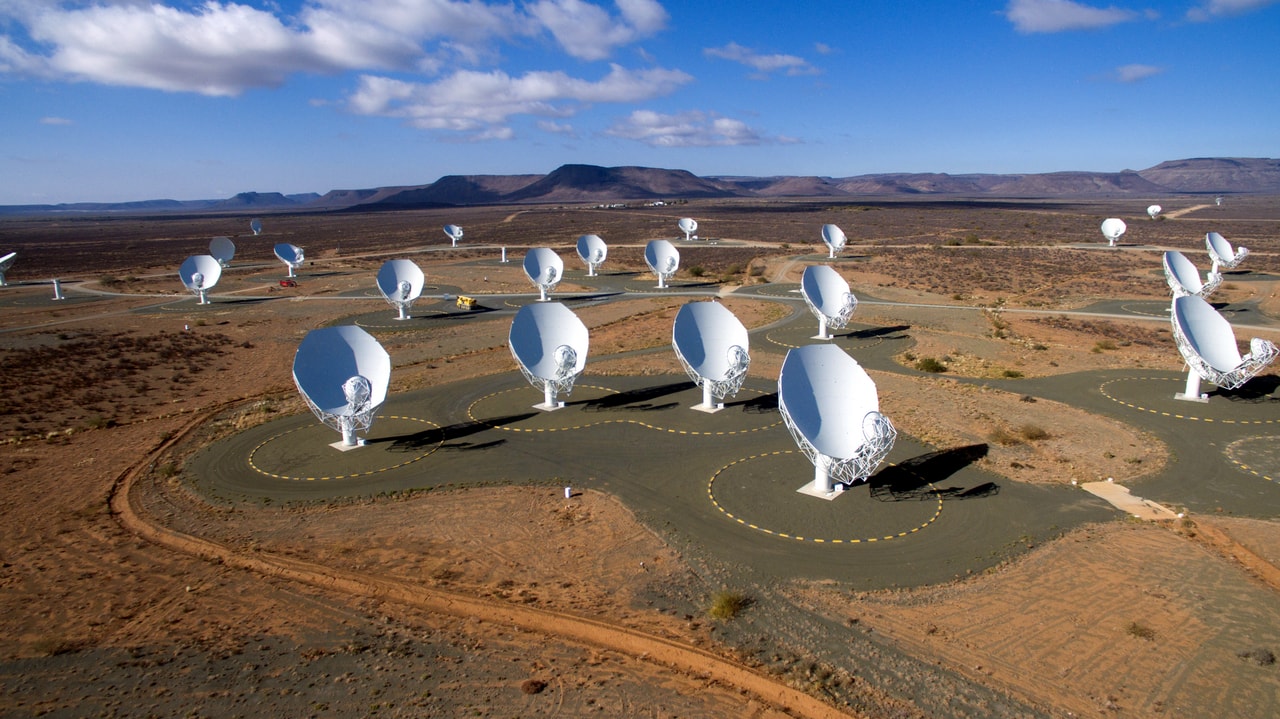
A 7.9-minute pulse and a separate 1.3-day cycle let astronomers investigate two unresolved stars—and the magnetized atmosphere between them.
Guide · 6 min read
SKAO/SARAO · CC BY 3.0
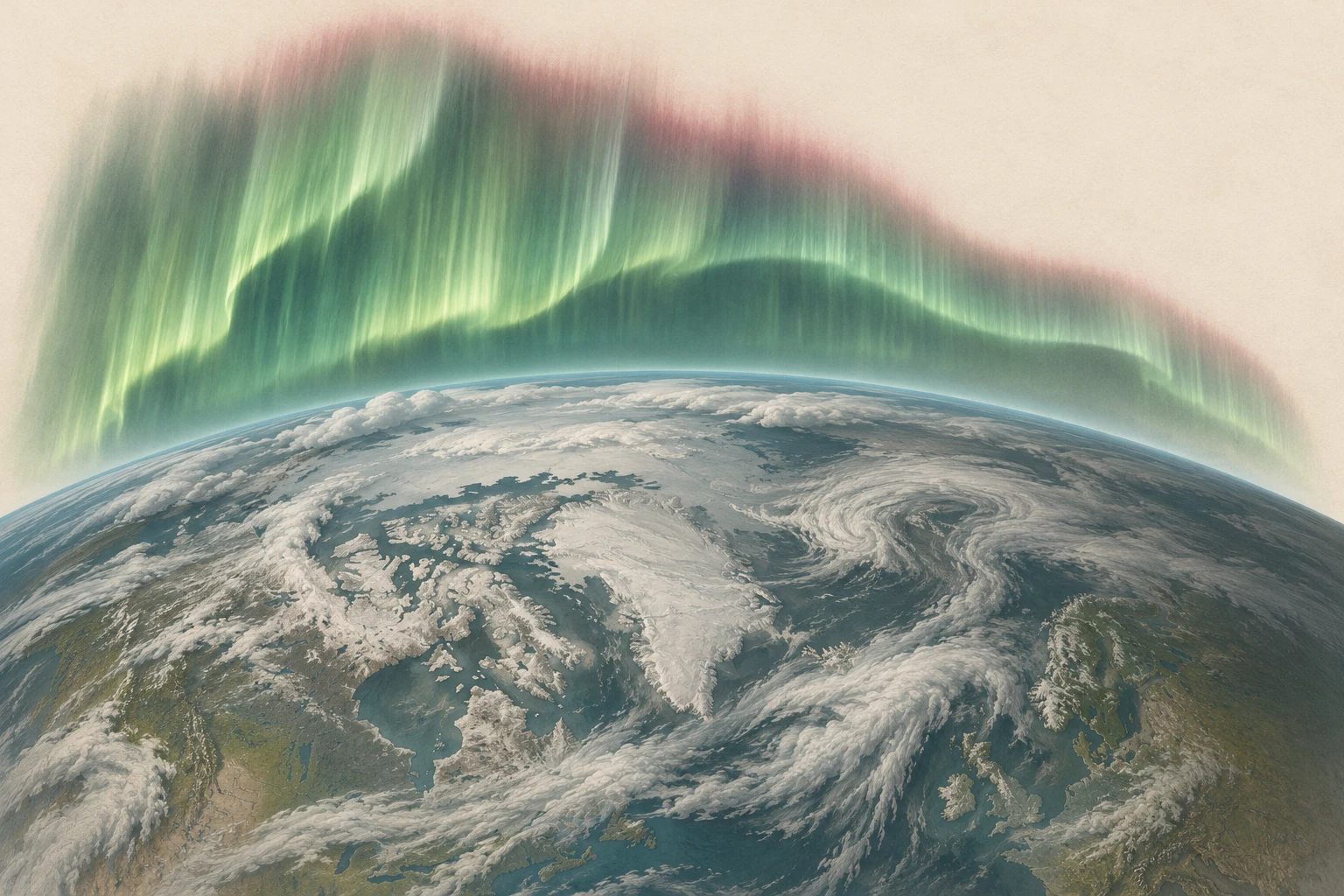
An aurora forecast can put an oval near you and still leave you under a blank sky. Read the map’s time, the darkness and your actual horizon together. Then use a simple Earth-curvature experiment to see why the glow need not be overhead.
Guide · 5 min read
Spacian · original illustration generated with OpenAI ImageGen
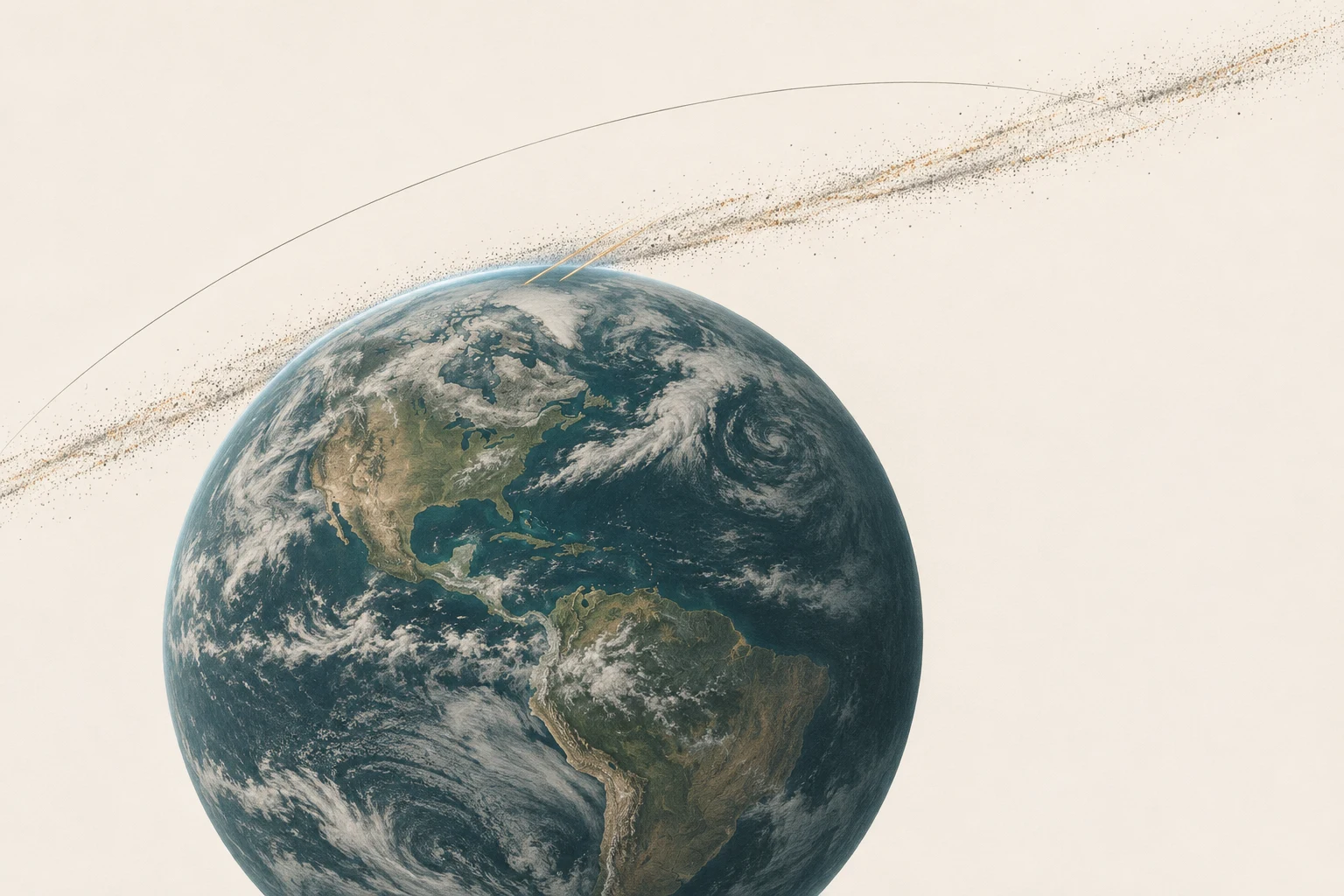
Can you still see the 2026 Leonid meteor shower? Yes. On the night of November 18–19, try the last dark hour before morning twilight. In London, 3 a.m. GMT on Thursday, November 19 is one workable hour: Leo’s radiant is about 42° up and the Moon is below the horizon. Check cloud before you set an alarm.
Guide · 3 min read
Viewing window – Past viewing window
Spacian · original illustration generated with OpenAI ImageGen
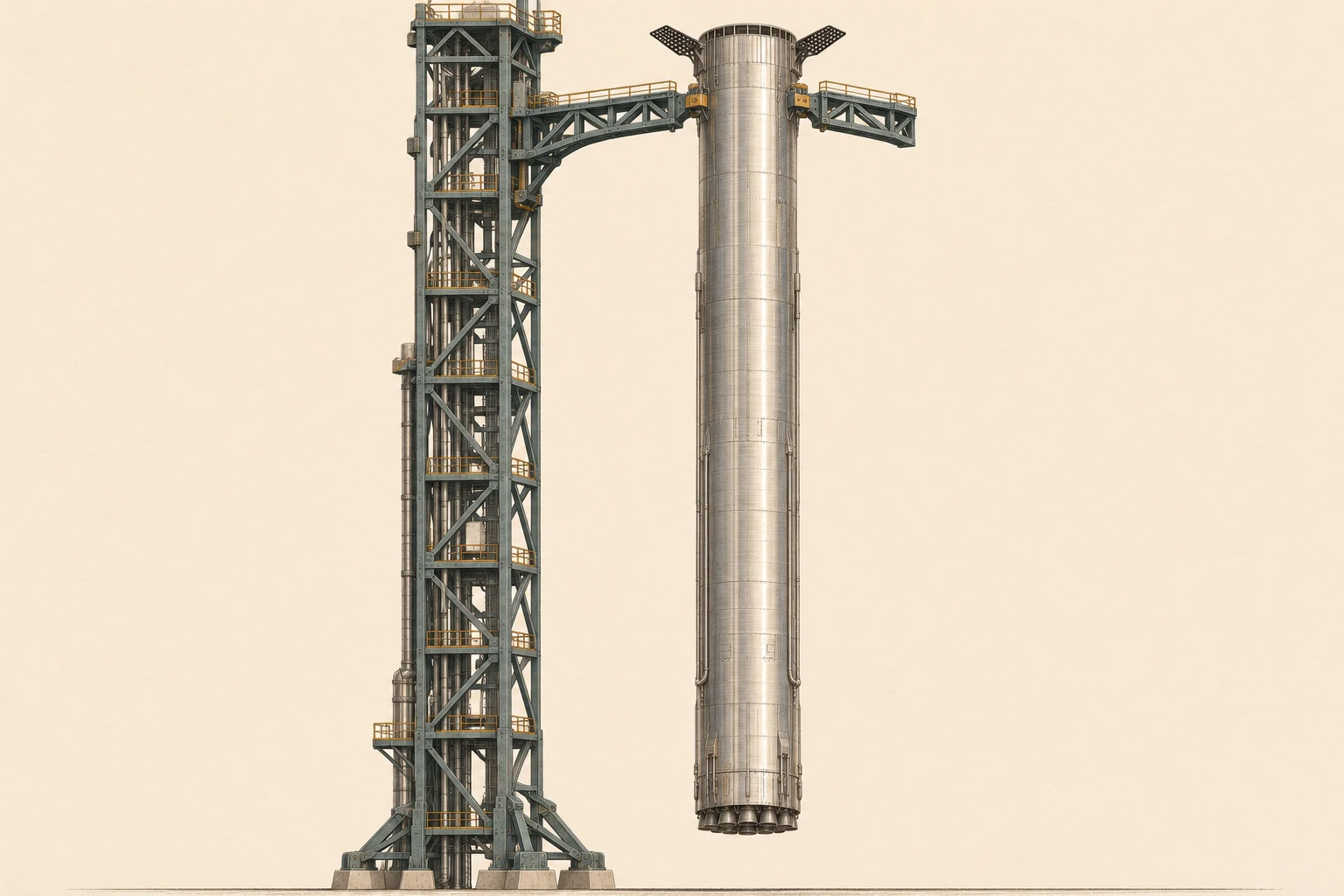
As Starship Flight 15 approaches, the recovery question is easier to read in three parts: guide the booster home, remove its downward speed, then support its weight. SpaceX first completed a Super Heavy tower catch on 13 October 2024. The arms were the last part of that chain.
Guide · 5 min read
Spacian · original illustration generated with OpenAI ImageGen
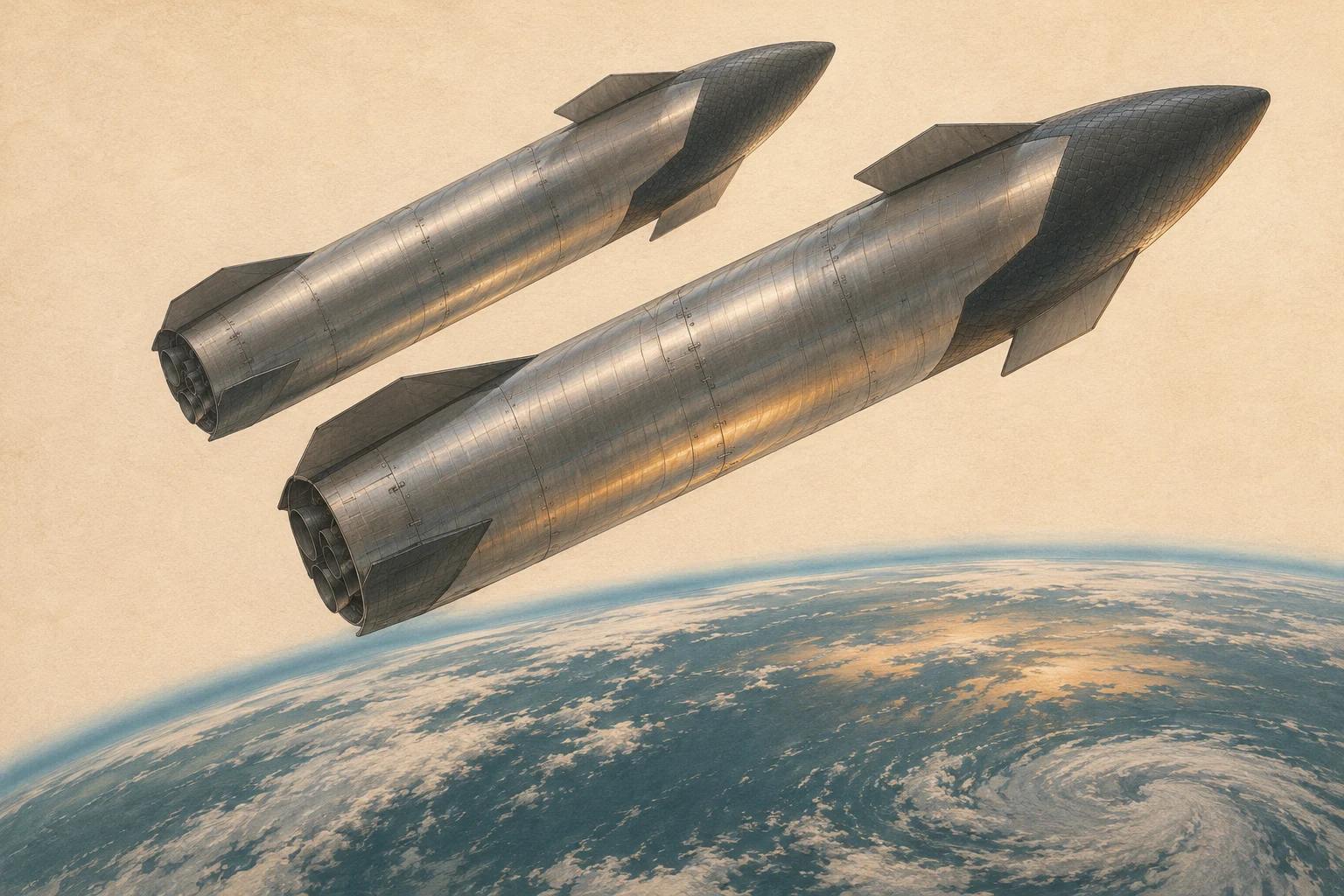
NASA’s revised Starship lunar-lander option still relies on gathering propellant in Earth orbit. Reaching orbit spends propellant; departing for the Moon needs more. The difficult part is delivering, storing and moving enough cold liquid to make that next burn possible.
Guide · 5 min read
Spacian · original illustration generated with OpenAI ImageGen
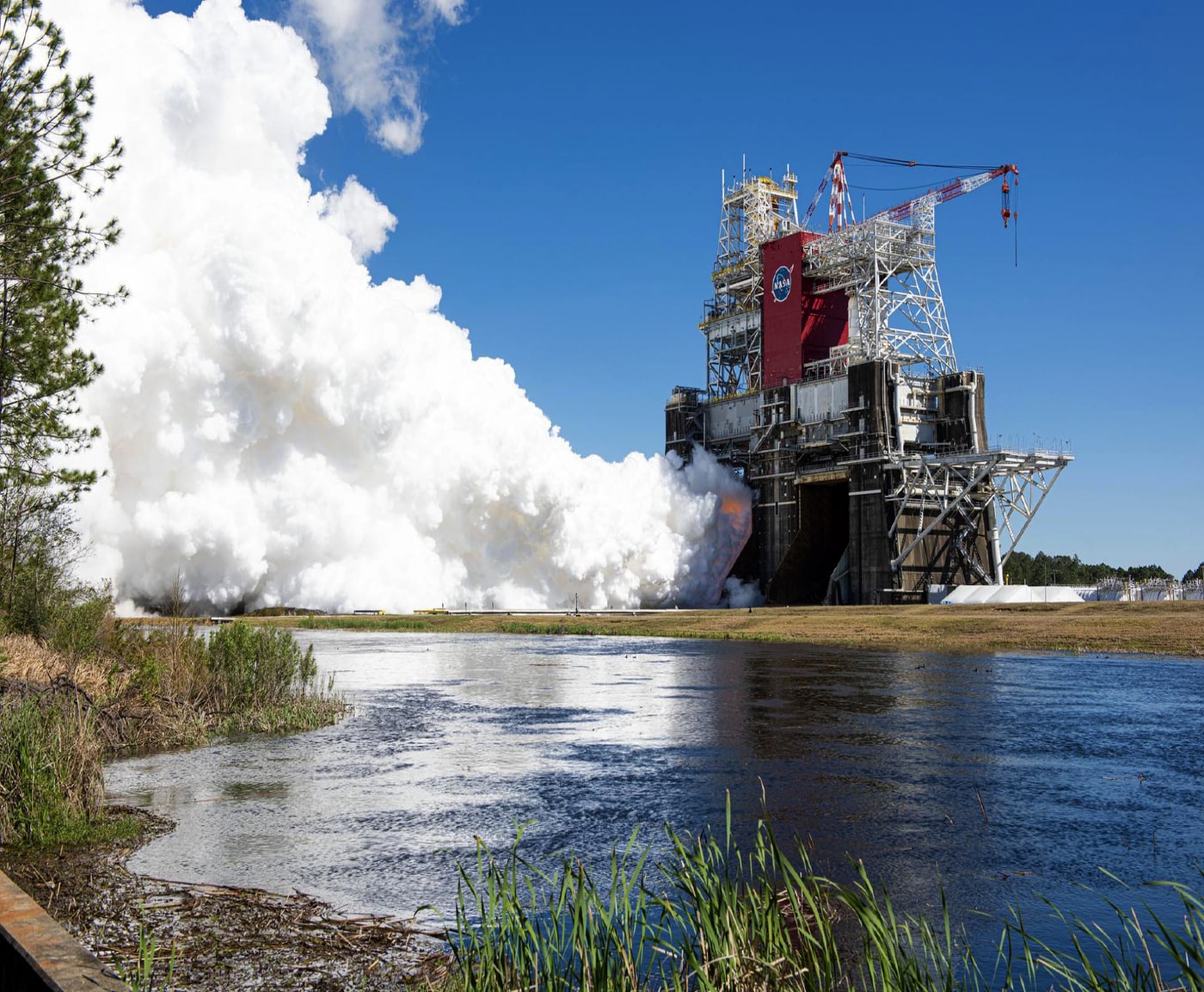
Start with Artemis IV’s SLS core stage, then compare equal fuel masses before adding engines, oxygen and storage.
Guide · 5 min read
NASA · NASA media guidelines
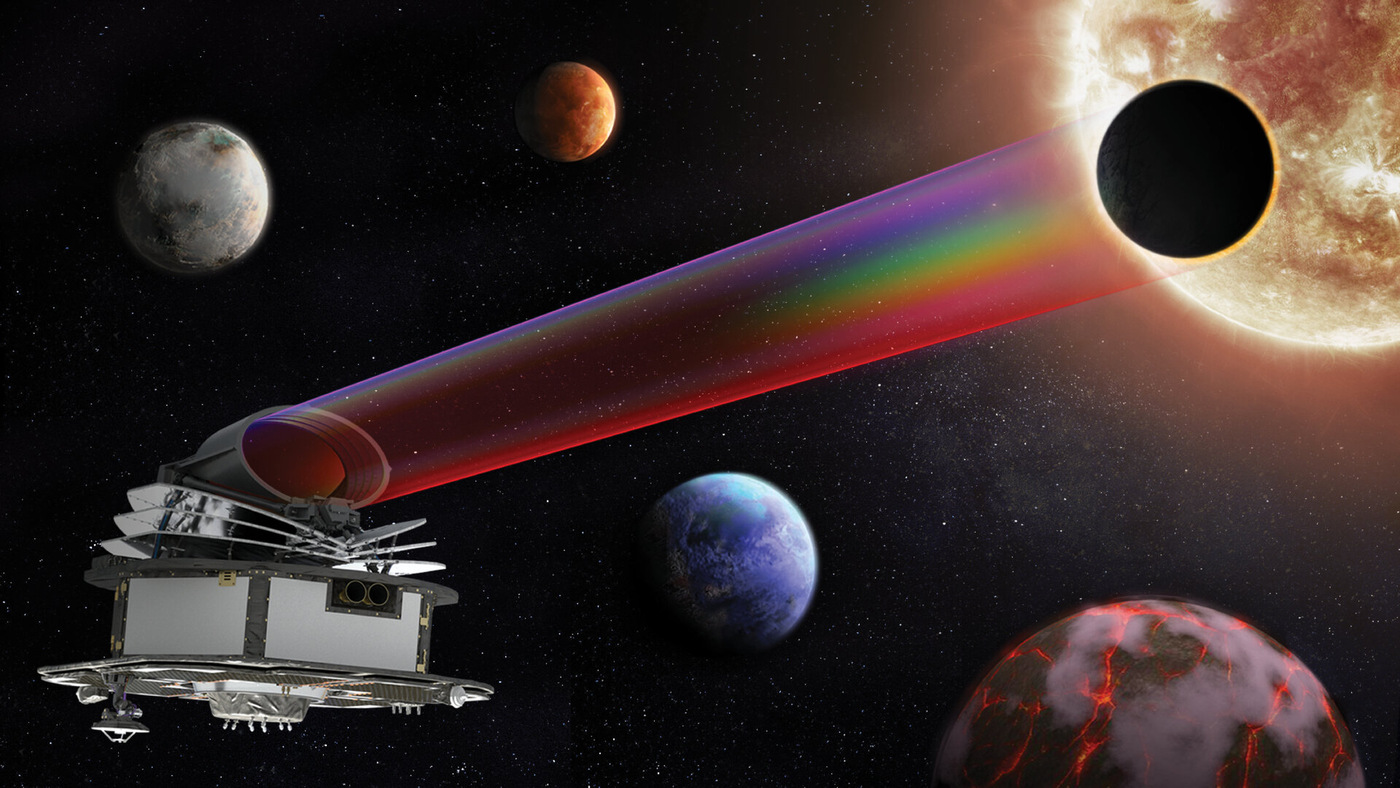
Follow the light Ariel will measure, then compare a real Webb spectrum with two competing explanations.
Guide · 4 min read
ESA · CC BY-SA 3.0 IGO
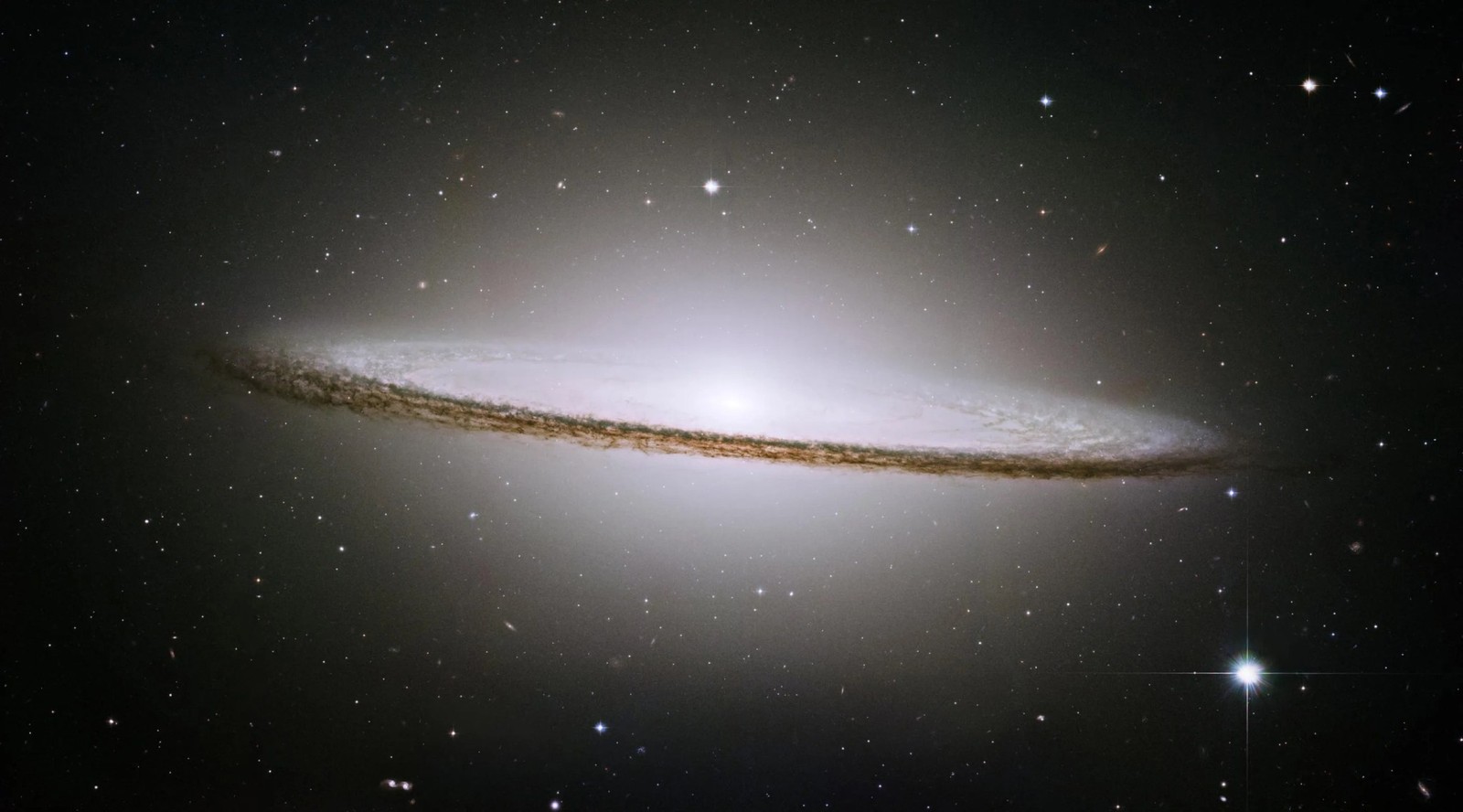
Hubble’s Sombrero Galaxy has a brilliant central bulge crossed by a dark dust lane. Webb’s mid-infrared view makes the bulge much less prominent and reveals a structured ring. The galaxy did not transform between the images; the instruments emphasise different material.
Guide · 3 min read
NASA and The Hubble Heritage Team (STScI/AURA)
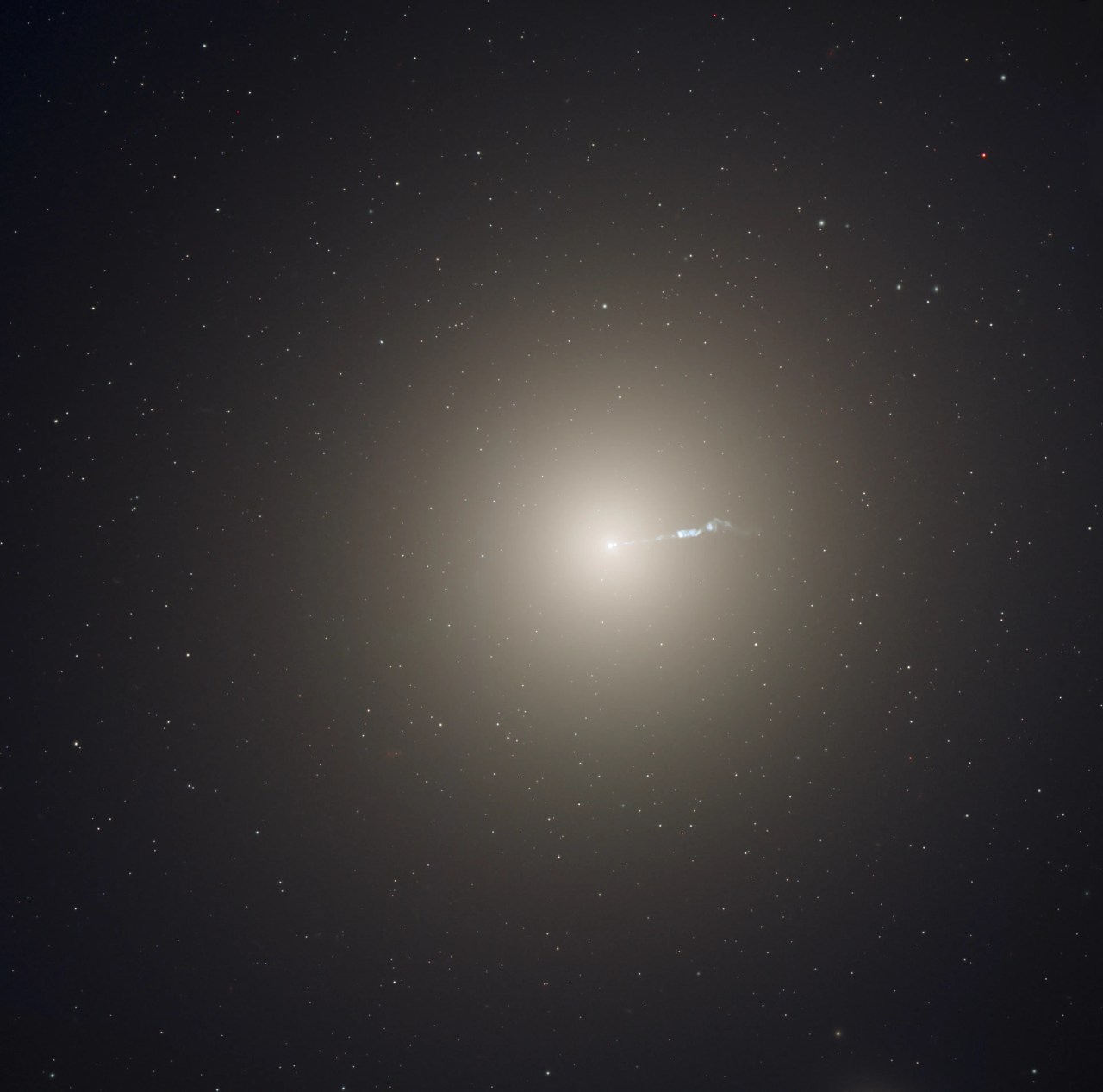
On 10 April 2019, the Event Horizon Telescope collaboration released an image of a bright ring surrounding a dark centre in M87. The observations measured radiation from hot material near a supermassive black hole, where gravity strongly changes the paths of light.
Guide · 3 min read
NASA, ESA and the Hubble Heritage Team (STScI/AURA); Acknowledgment: P. Côté (Herzberg Institute of Astrophysics) and E. Baltz (Stanford University)
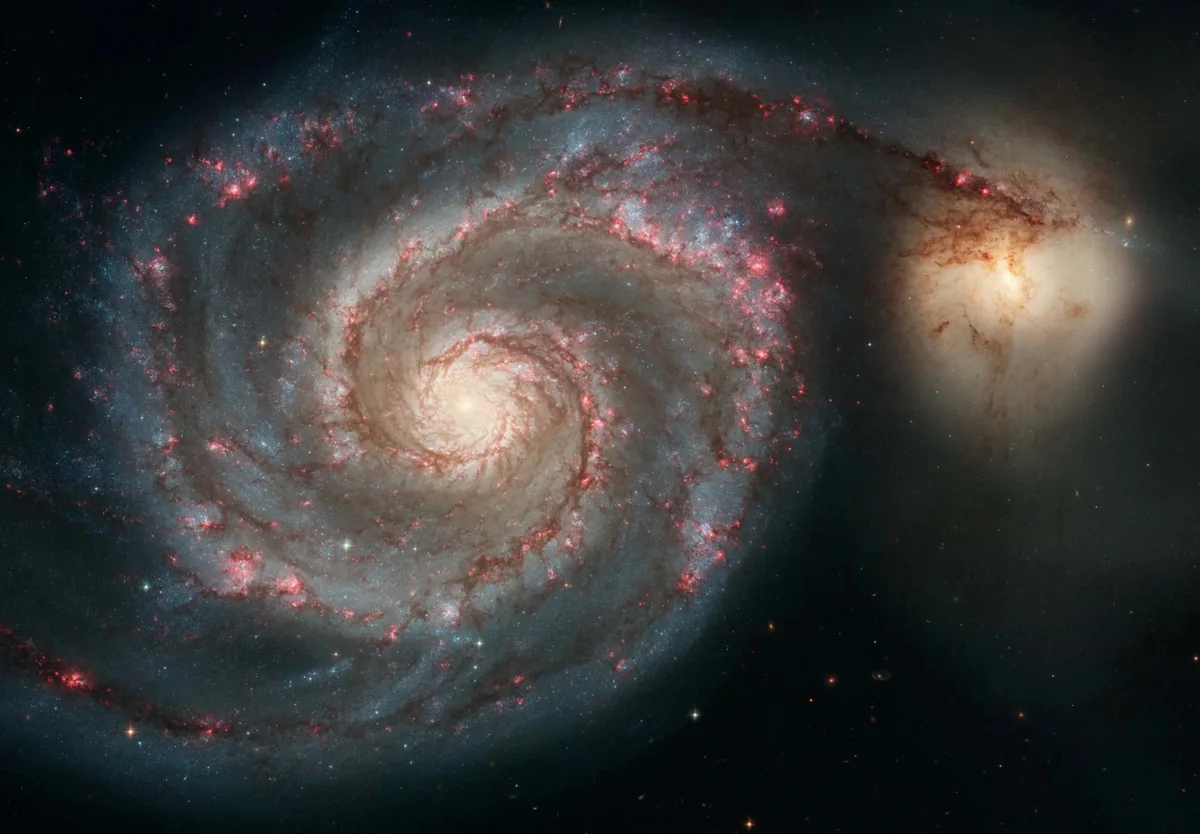
Hubble’s view of the Whirlpool Galaxy shows blue star clusters and pink star-forming regions along two prominent arms. The nearby companion NGC 5195 adds a gravitational disturbance. The arms are a changing pattern in a rotating galaxy, not rigid strips of material.
Guide · 3 min read
NASA, ESA, S. Beckwith (STScI) and the Hubble Heritage Team (STScI/AURA)