
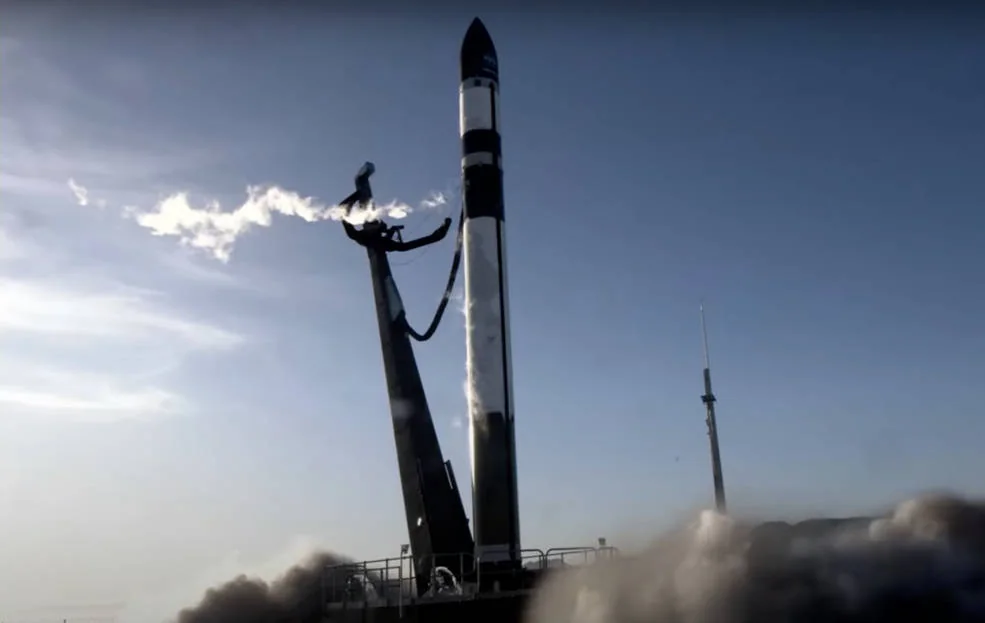
Electron: Rocket Lab’s small-satellite launcher
Understand Electron’s role, its Kick Stage, and where to find upcoming Rocket Lab missions.
1 min read
Rocket Lab / NASA

Original reports, explanations and news from their publishers.
Understand Electron’s role, its Kick Stage, and where to find upcoming Rocket Lab missions.
1 min read
Rocket Lab / NASA
Falcon 9 carries crew, cargo and satellites. Electron focuses on dedicated small-satellite launches. Compare how they do the job.
1 min read
Rocket Lab / NASA
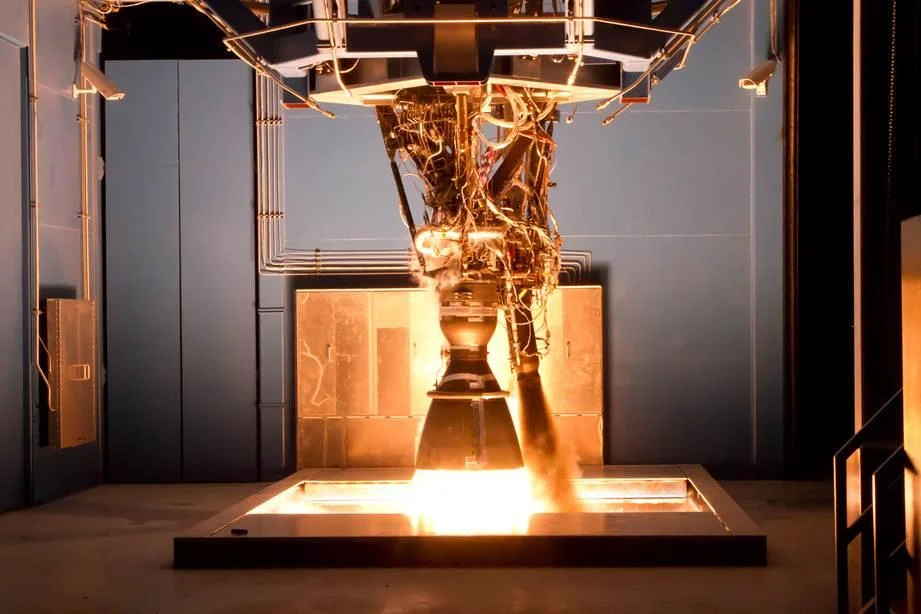
Two liquids go in. A supersonic stream comes out. Between them sits a machine that must make heat, move heat and turn pressure into speed.
7 min read
SpaceX · CC0
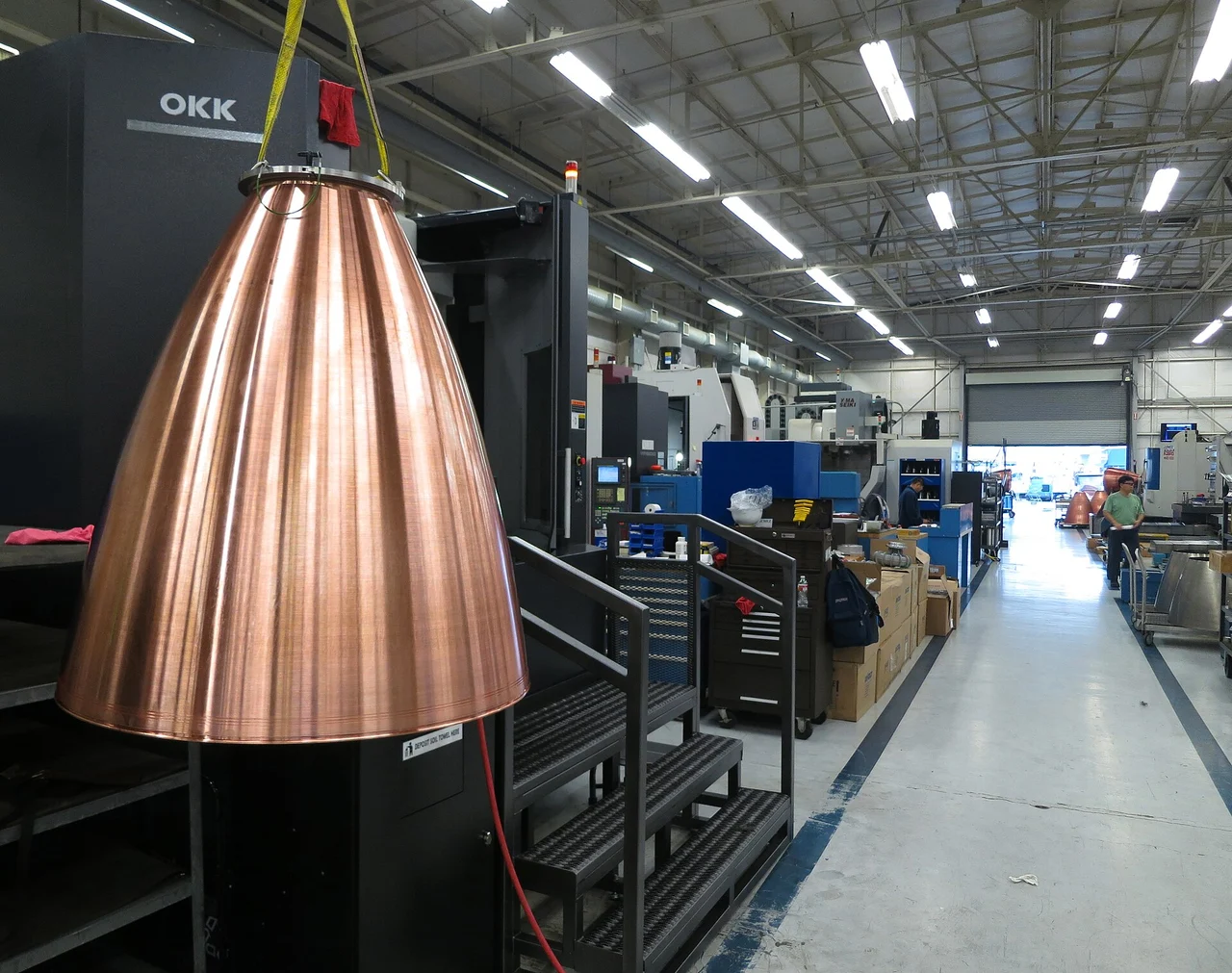
Behind the bright exhaust are three linked problems: feed the fire, keep it stable and save the wall. Merlin’s pumps, injector and cooling passages solve them together.
6 min read
Steve Jurvetson · CC BY 2.0
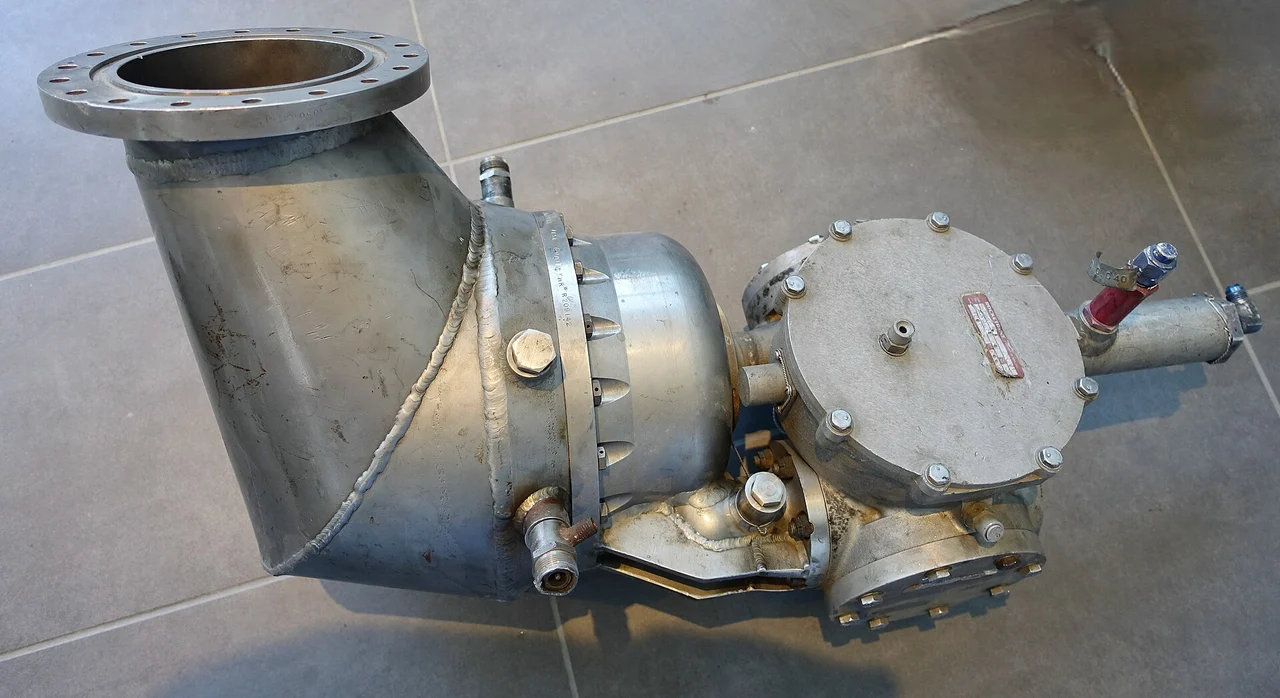
The pumps need power before the main chamber can make thrust. A smaller fire supplies it. Follow the energy from combustion to rotation, and see why the exhaust route matters.
6 min read
Steve Jurvetson · CC BY 2.0
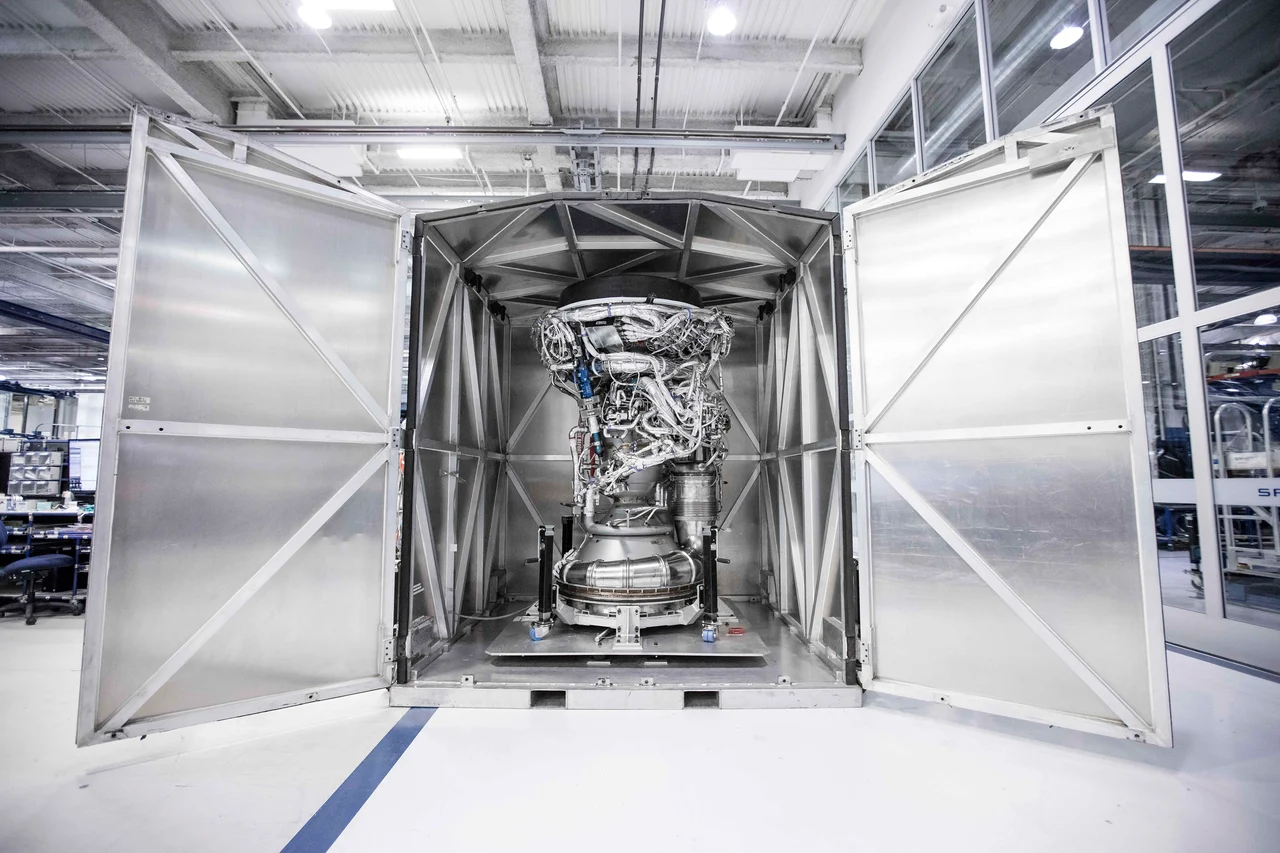
Merlin Vacuum wears an enormous bell. A first-stage engine cannot simply copy it. The reason is a pressure problem you can explore with a working ideal-flow model.
6 min read
SpaceX · CC0
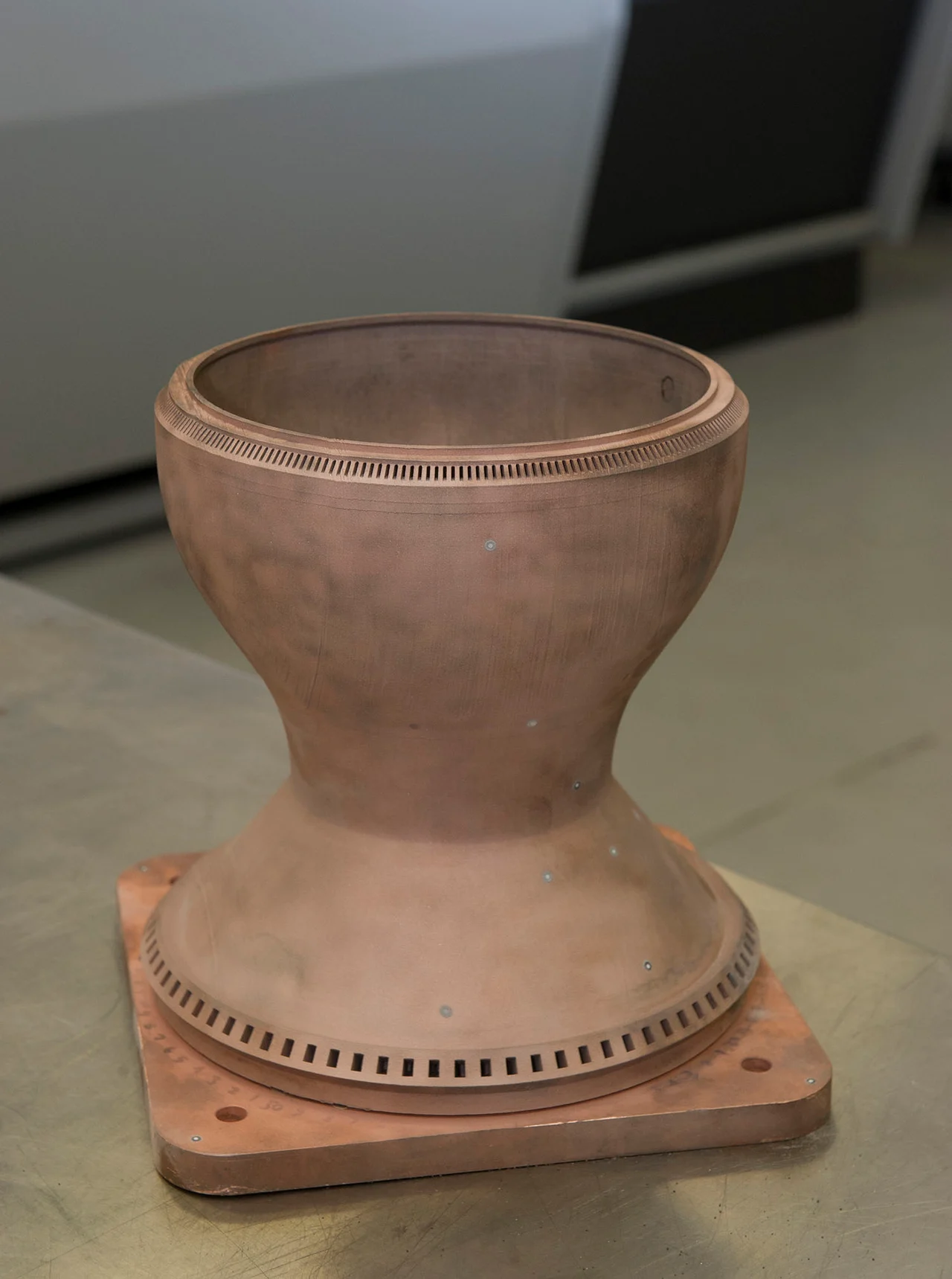
The small openings around this copper chamber are part of its survival system. Before propellant feeds the fire, it can carry heat away from the metal holding that fire in place.
7 min read
NASA/MSFC/Emmett Given · Public domain
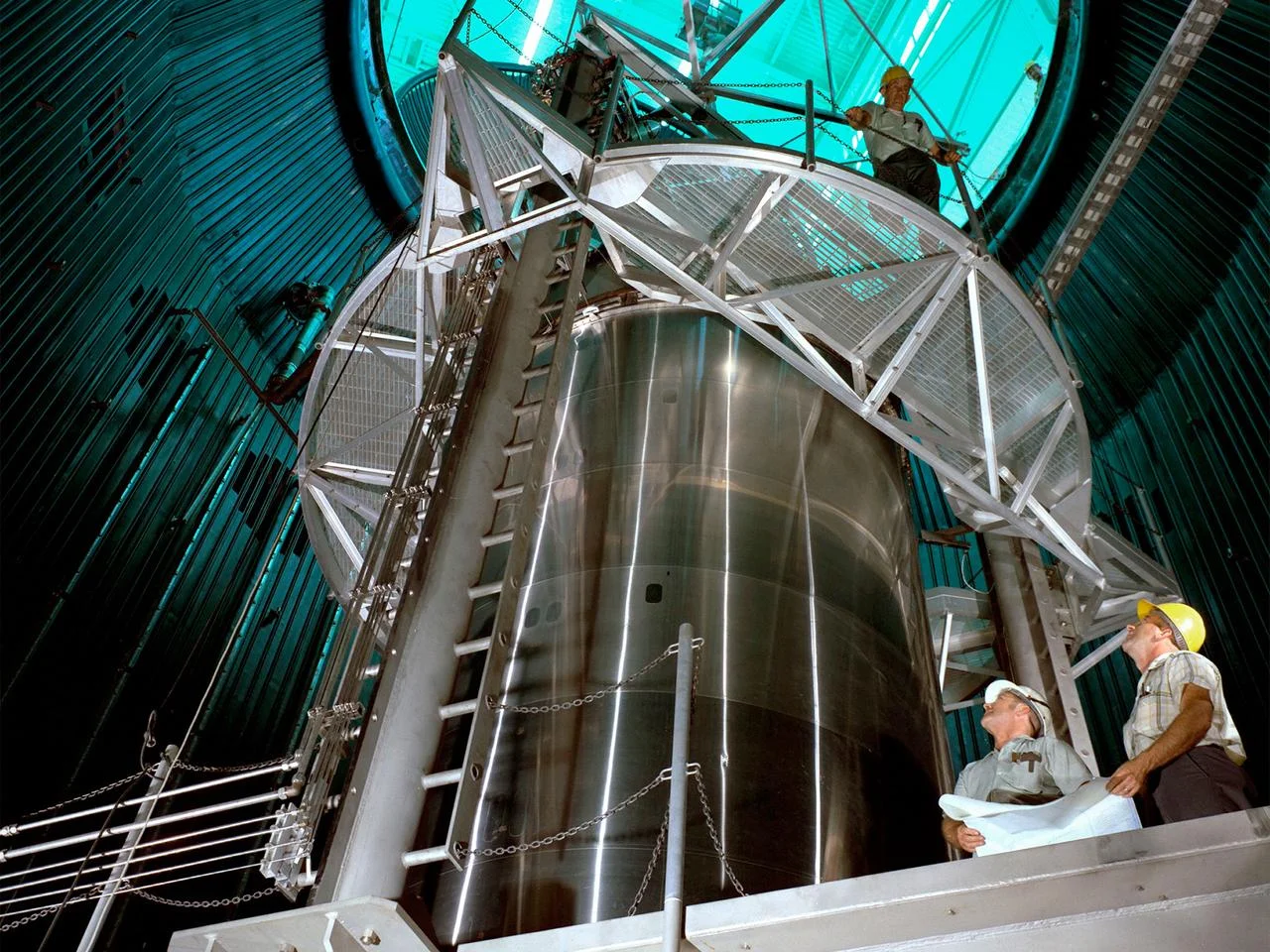
Amazon Leo LE-04 is preparing to fly on Ariane 6, whose Vinci upper-stage engine can restart in space. Before another flame is useful, the stage must put its propellant, temperature, pressure and direction back into a usable state.
6 min read
NASA Glenn Research Center · NASA image use guidelines
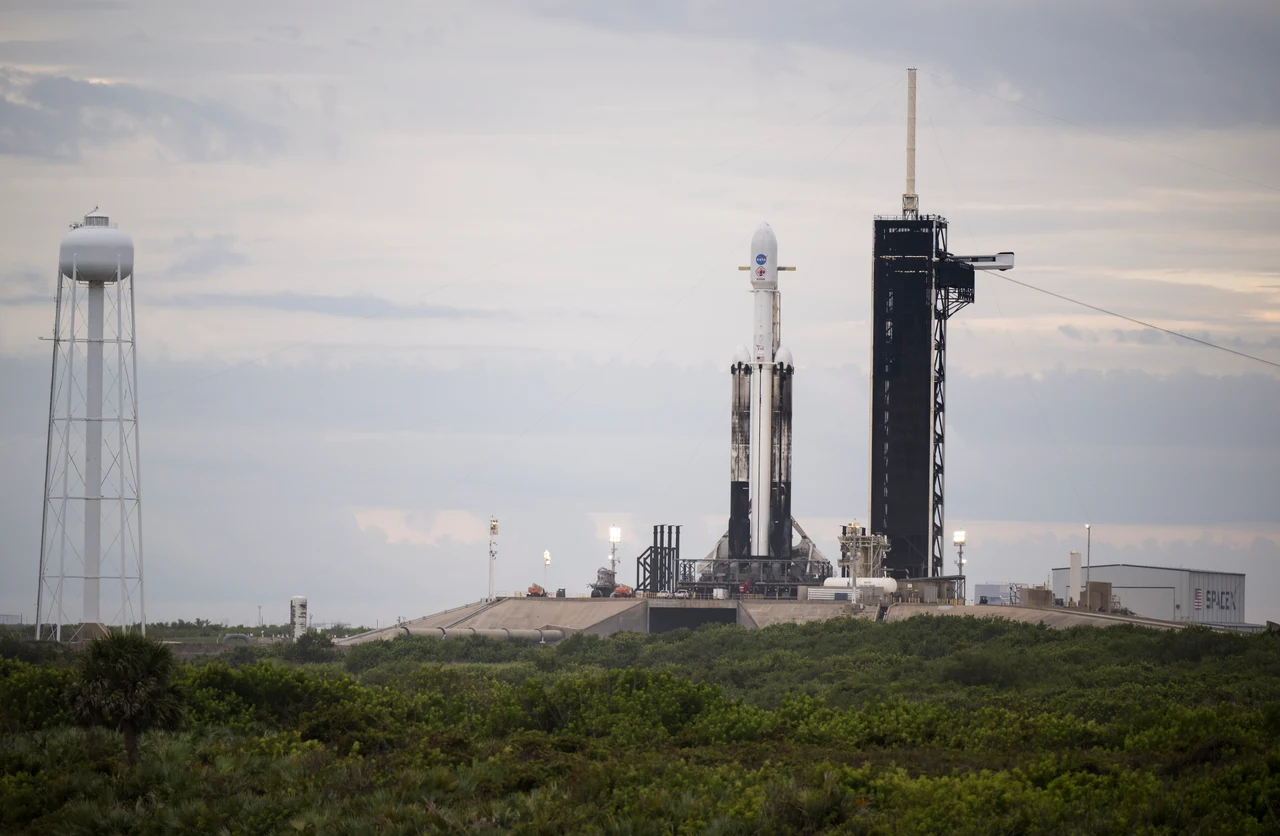
Griffin-1 is preparing for a Falcon Heavy journey to the Moon. Before the vacuum, its launcher must cross an atmosphere where getting faster and finding thinner air pull dynamic pressure in opposite directions.
6 min read
NASA/Aubrey Gemignani · Credited NASA informational/editorial use; no endorsement
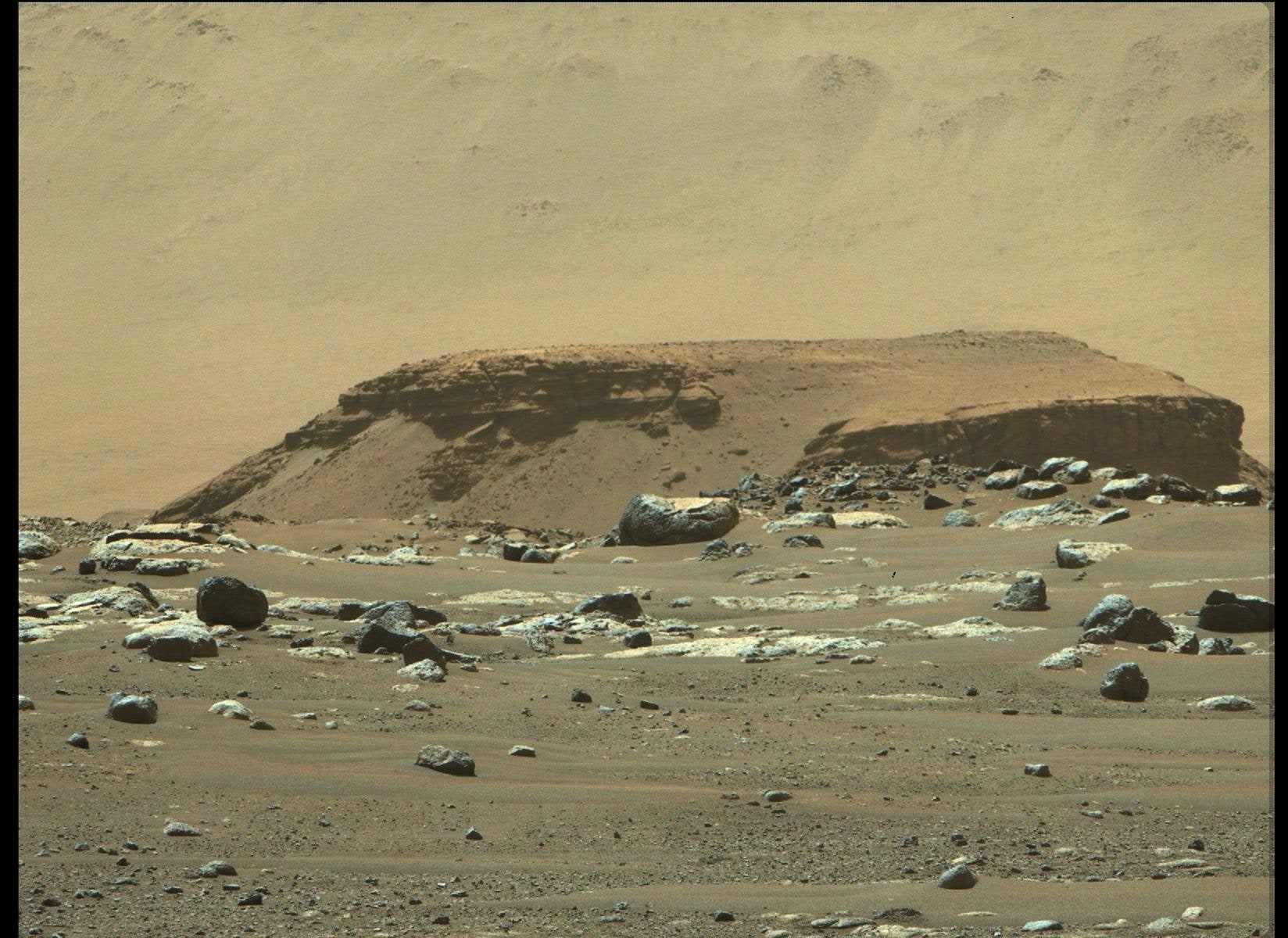
The planned Rosalind Franklin rover will investigate ancient Martian environments with samples from the surface and below it. Those measurements address a problem already visible at Jezero: rivers and lakes left rocks behind, but much of their water is missing.
4 min read
NASA/JPL-Caltech/ASU/MSSS · NASA Image and Media Guidelines
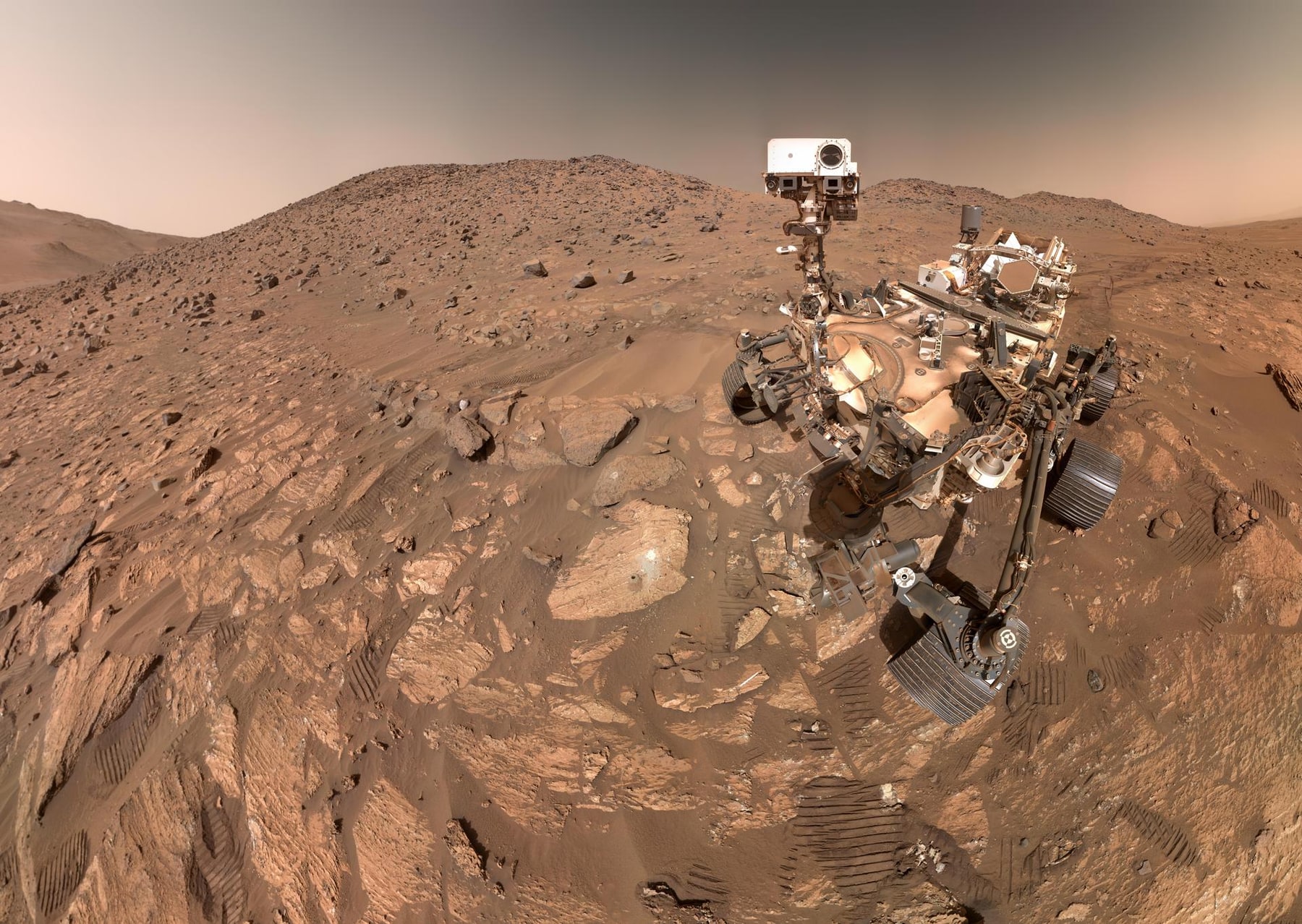
Rosalind Franklin is being prepared to investigate Mars with a drill and an onboard laboratory. Its planned samples reach below the exposed surface. The purpose is to examine a better-preserved record, then test competing explanations for what that record contains.
4 min read
NASA/JPL-Caltech/MSSS · NASA Image and Media Guidelines
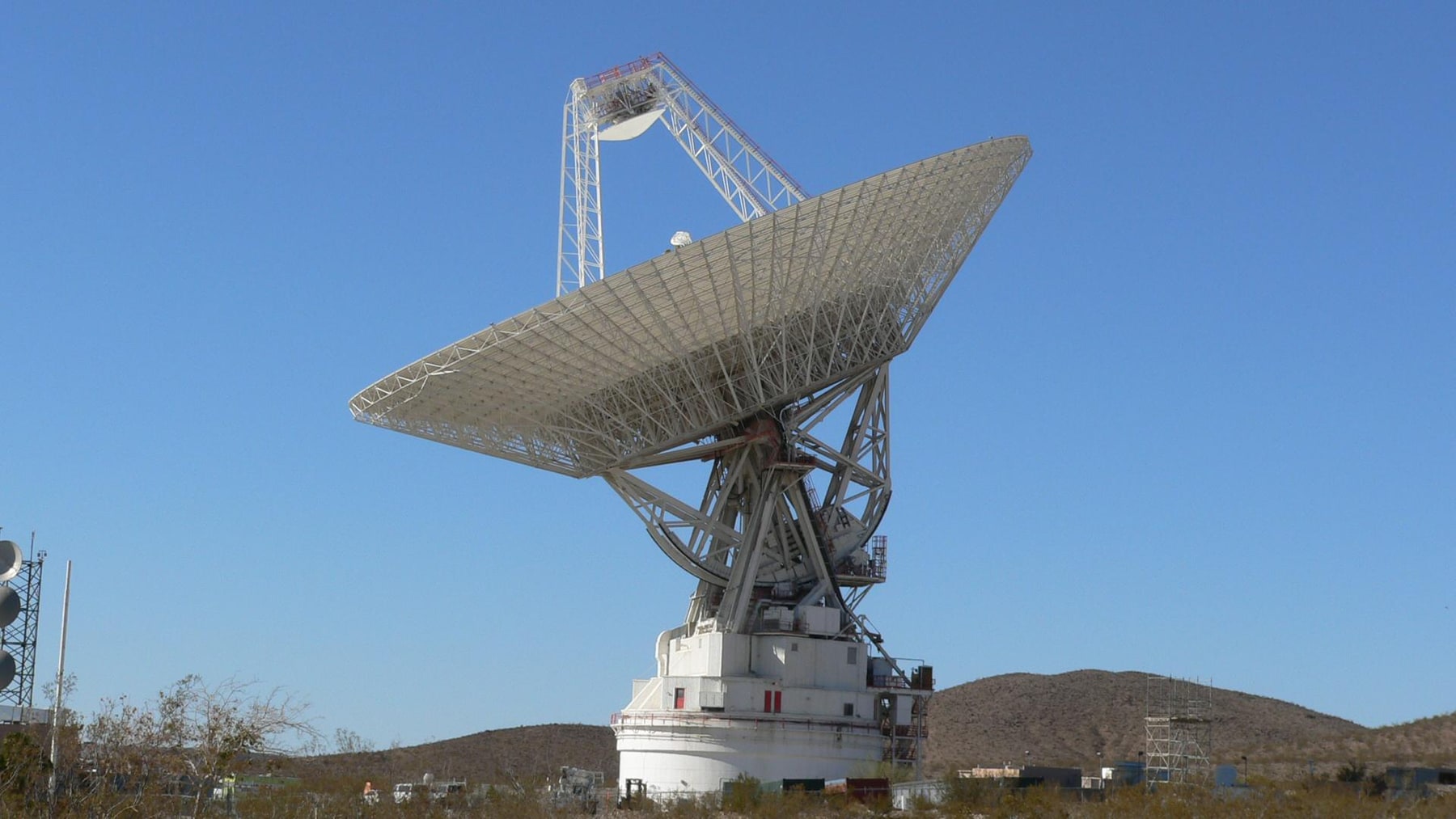
The planned Rosalind Franklin rover will combine commands from Earth with onboard capabilities. Its destination imposes a constraint shared by every Mars mission: even a perfect radio link cannot deliver a command before the signal has crossed the space between the planets.
4 min read
NASA/JPL-Caltech · NASA Image and Media Guidelines